


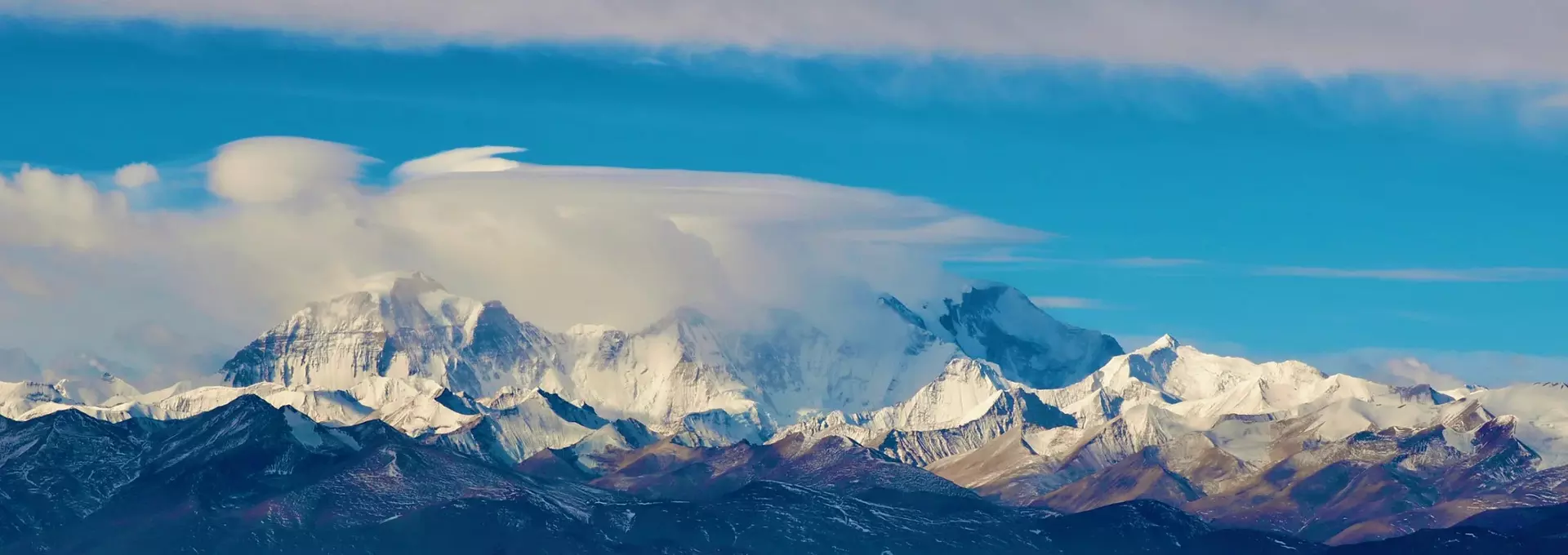
Tibet Weather

The Tibetan Plateau, known as the “Roof of the World,” has an average altitude of over 4,000 meters. Due to its high elevation, Tibet is generally colder than many other parts of China at the same time of year. The region also experiences thin air, strong ultraviolet rays, and distinct wet and dry seasons.
The best time to travel to Tibet is generally from April to October, when temperatures are milder and the scenery is at its most appealing. The average temperature in many areas is above 10°C during this period, and it is also the peak tourist season.
July and August are the main rainy months in Tibet. Rain often falls at night, although weather conditions can vary significantly by region and altitude.
Tibet’s climate differs considerably from one destination to another. The following seasonal temperature guide provides average high and low temperatures for major destinations, helping you plan your trip and prepare suitable clothing.
Tibet’s Four Seasons: Weather and What to Wear
Tibet is a high-altitude region where temperatures can vary considerably between day and night. Dressing in layers is recommended, allowing you to add or remove clothing as the temperature changes throughout the day. The following guide introduces Tibet’s four seasons and offers practical advice on what to wear.

Spring (Mar-May)
It is beginning to warm up, but the temperature is still low because the ice is starting to melt, with strong winds and relatively dry weather, so a long-sleeve shirt, warm sweater and jacket are needed.

Summer (Jun-Aug)
It's Tibet tourist golden time, with many kinds of festivals. The temperature is most suitable, and the oxygen content is the highest throughout the year. A summer T-shirt, a long-sleeve coat, sunglasses and skin protection are necessary
 Autumn (Sept-Nov)
The weather is most comfortable with sunshine in the day during these two months, and the landscape is most beautiful as well. Bringing clothes similar to Spring would be okay.
 Winter (Dec-Feb)
It's considered a tourism low season in Tibet. The weather is getting dry and windy, but it's less crowded. You could join the Tibetan New Year. Warm sweaters and down jackets are needed, and comfortable sporting shoes are highly recommended for all weather.
Tibet Weather by Month
Tibet Weather by Destination
Tibet’s vast landscape and varied elevations create distinct weather conditions across the region. The following guide outlines the weather characteristics and seasonal average high and low temperatures of major destinations in Tibet to help you plan your trip and pack accordingly.
For your reference: Weather in Lhasa | Weather in Shigatse | Weather at Everest Base Camp | Weather at Mount Kailash | Weather in Nyingchi | Weather in Shannan
Weather in Lhasa
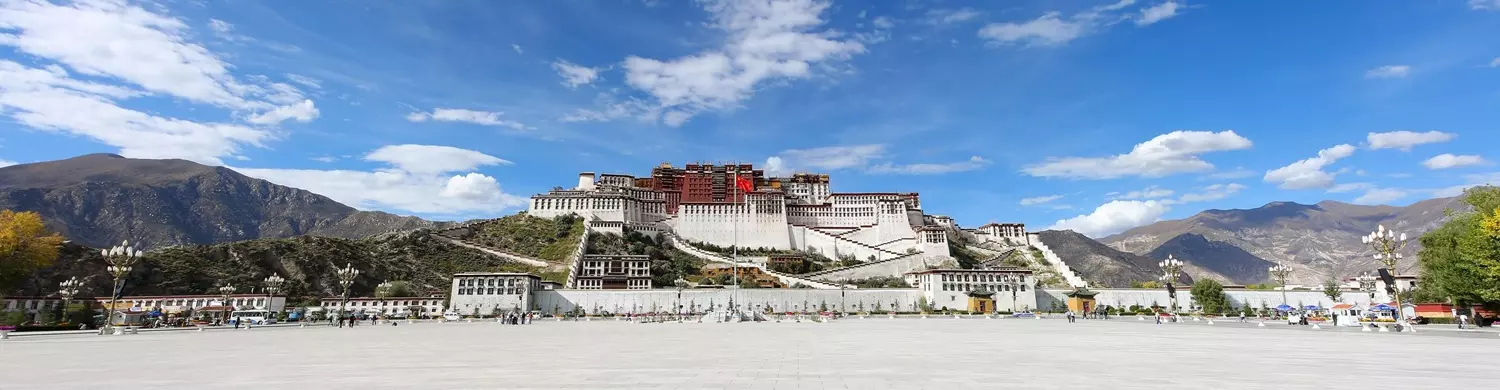
Lhasa is located in south-central Tibet and has a highland climate. Known as the “City of Sunshine,” it enjoys mostly sunny weather throughout the year. The air is dry, and temperatures can vary considerably between day and night. Spring and autumn bring relatively mild daytime temperatures, while mornings and evenings remain chilly. Summer is comparatively warm and receives most of the city’s annual rainfall, with precipitation mainly occurring from June to September. Winters are cold and dry, with frequent sunny days and nighttime temperatures that can drop below freezing.
| Months | Avg High | Avg Low |
|---|---|---|
| March to May | 16°C | 2°C |
| June to August | 24°C | 13°C |
| September to November | 16°C | 3°C |
| December to February | 9°C | −5°C |
Weather in Shigatse
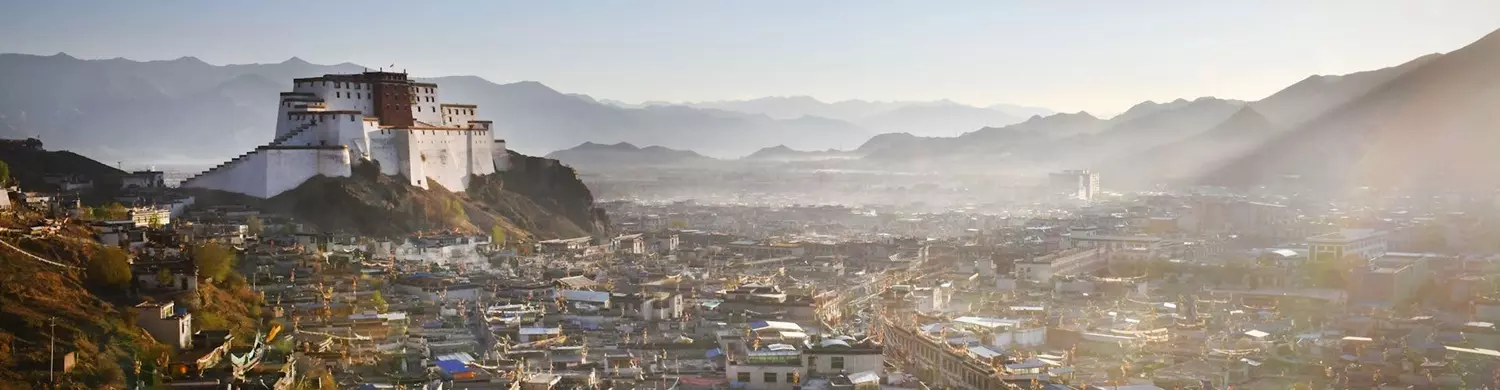
Shigatse is located in southern Tibet and has a highland temperate semi-arid climate. It enjoys abundant sunshine, while the air is thin and dry. Temperatures are generally low, with significant variations between day and night. Spring and autumn bring relatively mild daytime temperatures, but mornings and evenings remain chilly. Summer is comparatively warm, with most rainfall occurring from May to September. Winters are cold and dry, with frequent sunny days and temperatures that can drop sharply at night.
| Months | Avg High | Avg Low |
|---|---|---|
| March to May | 16°C | -1°C |
| June to August | 23°C | 9°C |
| September to November | 13°C | -1°C |
| December to February | 9°C | −9°C |
Weather at Everest Base Camp
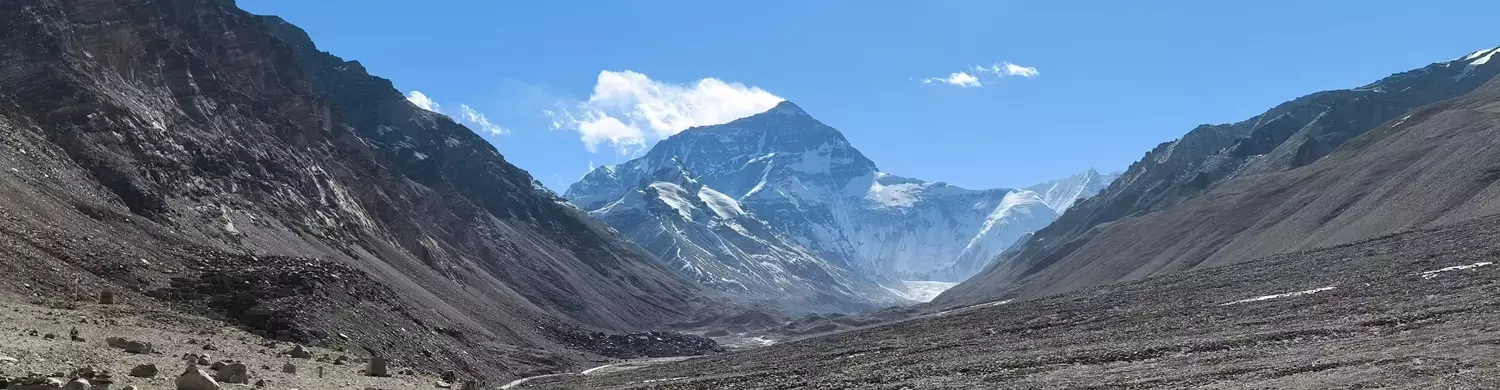
Everest Base Camp is located in Dingri County, Shigatse, Tibet, at an altitude of approximately 5,200 meters. Temperatures are low, and the air is thin and dry. Sunlight and UV radiation are intense, and the temperature difference between day and night is extreme. Spring brings gradually rising temperatures, but the weather remains cold overall. Summer is relatively warmer and also brings more precipitation, though nighttime temperatures remain low. Autumn is usually drier, with generally better visibility. In winter, temperatures drop significantly, and strong winds and wind chill can make it feel even colder.
| Months | Avg High | Avg Low |
|---|---|---|
| March to May | 9°C | -6°C |
| June to August | 15°C | 5°C |
| September to November | 13°C | -5°C |
| December to February | -6°C | −18°C |
Weather at Mount Kailash
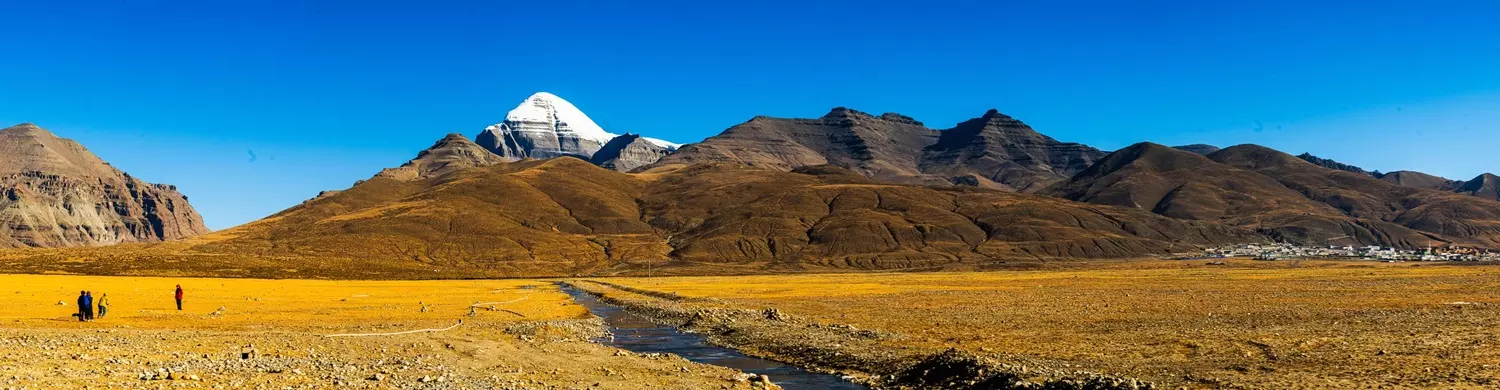
Mt. Kailash is located in the Ngari region of Tibet. Its high elevation brings a cold, dry climate, with intense sunlight and UV radiation and significant temperature differences between day and night. Spring temperatures gradually rise, but the mountain area remains cold. Summer is relatively warmer, and occasional rainfall may occur. It is the main season for trekking around Mt. Kailash. Temperatures gradually fall in autumn, when the weather is usually dry. Winters are extremely cold, with possible strong winds, snowfall, and road access restrictions.
| Months | Avg High | Avg Low |
|---|---|---|
| March to May | 12°C | -3°C |
| June to August | 17°C | 4°C |
| September to November | 7°C | -5°C |
| December to February | -5°C | −19°C |
Weather in Nyingchi
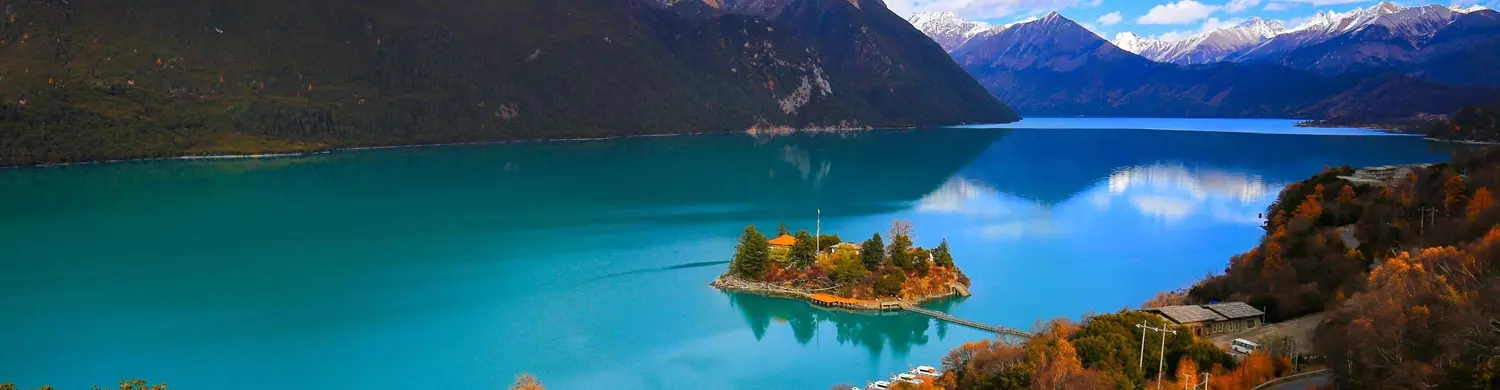
Nyingchi is located in southeastern Tibet. It is mainly characterized by a highland temperate semi-humid monsoon climate, with relatively mild and humid conditions, considerable rainfall, and less sunshine. The climate also varies significantly across areas of different elevations. Spring temperatures gradually rise, making it a good time to enjoy peach blossoms and valley scenery. Summers are warm and rainy, with lush forests and river valleys. Autumn is relatively comfortable for outdoor sightseeing. Winters are generally mild in lower-altitude areas, though temperatures may still be low in the mornings and evenings.
| Months | Avg High | Avg Low |
|---|---|---|
| March to May | 15°C | 4°C |
| June to August | 25°C | 15°C |
| September to November | 18°C | 7°C |
| December to February | 7°C | −4°C |
Weather in Shannan
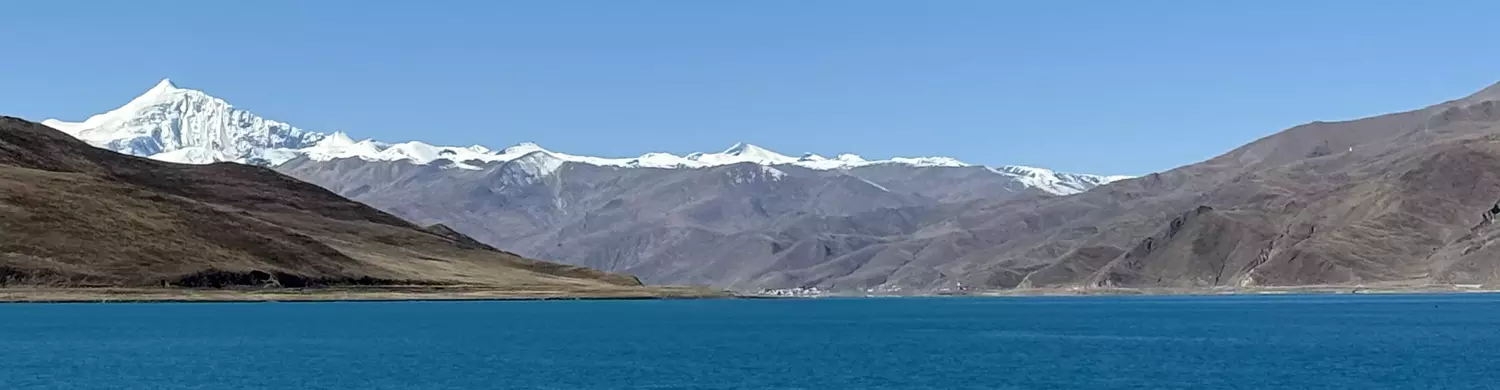
Shannan is located in southern Tibet, along the middle and lower reaches of the Yarlung Tsangpo River. It is generally characterized by a highland temperate arid climate, with abundant sunshine, significant temperature differences between day and night, distinct wet and dry seasons, and noticeable climate variations with elevation. Spring temperatures gradually rise, but mornings and evenings remain cold. Summer is relatively warm, with most rainfall occurring from June to September. Autumn gradually becomes cooler and is usually dry. Winters are cold and dry, with little precipitation and stronger winds in some areas.
| Months | Avg High | Avg Low |
|---|---|---|
| March to May | 18°C | 2°C |
| June to August | 21°C | 9°C |
| September to November | 16°C | 0°C |
| December to February | 7°C | −9°C |