


Leshan Giant Buddha
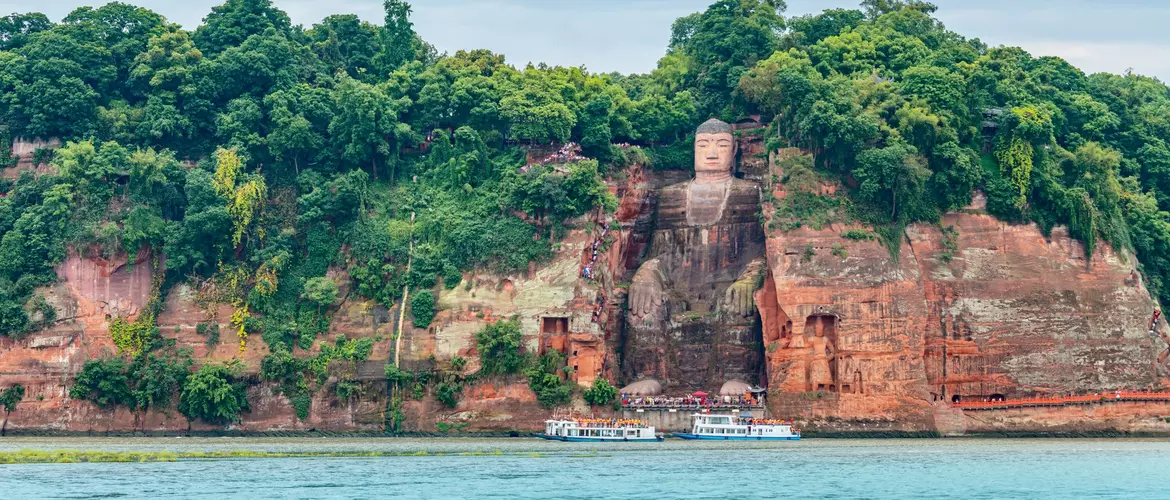
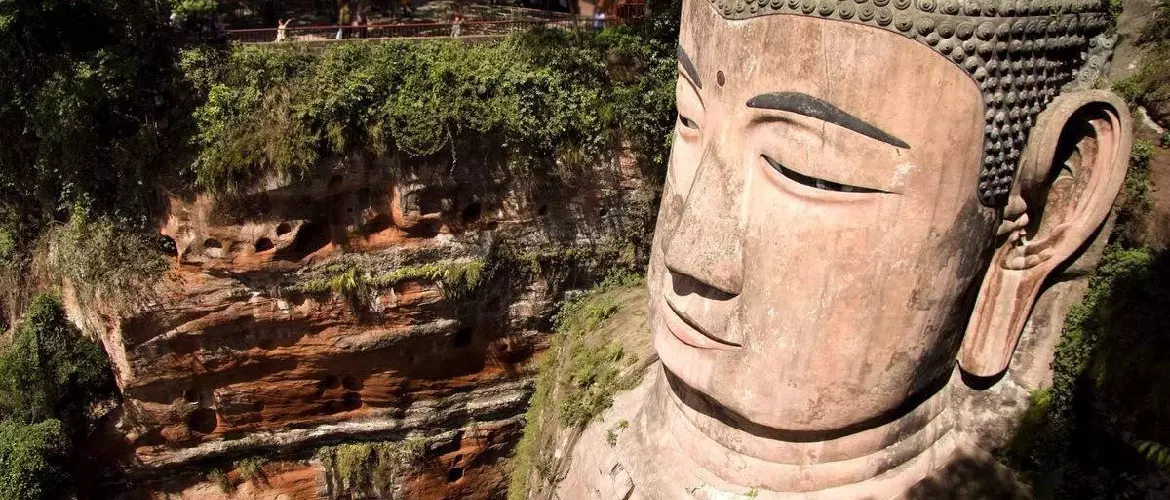
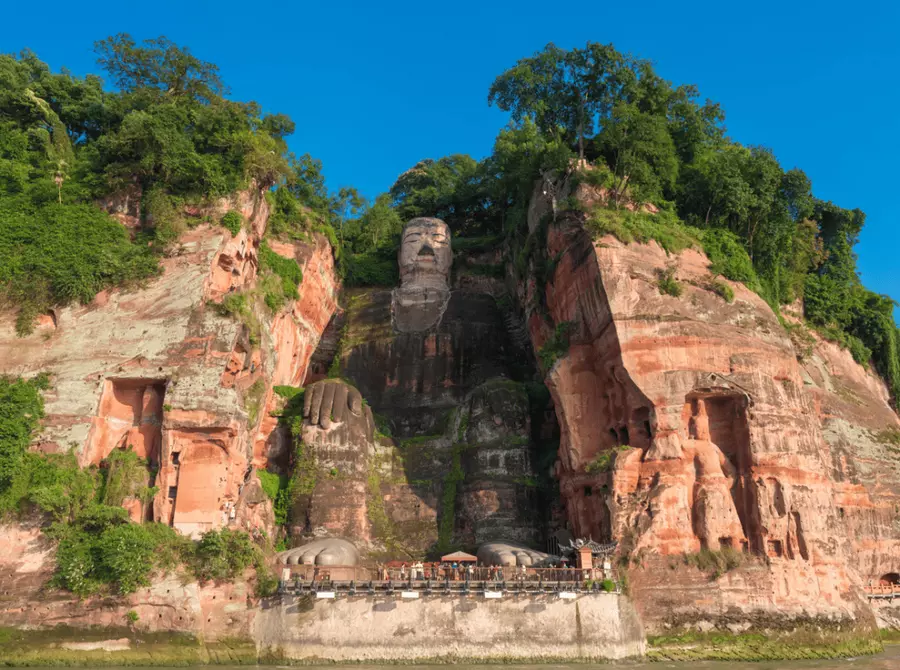
The Leshan Giant Buddha is the world's largest and tallest ancient stone-carved Buddha statue, as well as the world's largest ancient stone-carved Maitreya Buddha. Standing 71 meters high, the Buddha is carved into the cliffs of Lingyun Mountain in Leshan, Sichuan Province. Located at the confluence of the Min River, Dadu River, and Qingyi River, it faces Mount Emei across the water and peacefully overlooks the flowing rivers below. In 1996, the Leshan Giant Buddha and Mount Emei were jointly inscribed as a UNESCO World Heritage Site, making it one of China's most iconic Buddhist cultural landmarks and attracting visitors from around the world.
Located about two hours from Chengdu, the Leshan Giant Buddha is one of Sichuan's most popular tourist destinations. Visitors can follow the cliffside paths to admire the Buddha up close, from its head and body down to its enormous feet, or take a boat cruise on the river to enjoy a complete panoramic view of this magnificent stone sculpture.
At a Glance
- Location: Leshan City, Sichuan Province
- Height: 71 meters
- Built: 713–803 AD (Tang Dynasty)
- Recommended visiting time: 3-4 hours
- Categories: World Heritage, Monuments & Statues, Sights & Landmarks
- Best Time to Visit: March–May and September–November
- Opening Hours: Apr 1–Oct 7: 7:30 AM–6:30 PM; Oct 8–Mar 31: 8:00 AM–5:30 PM
History of Leshan Giant Buddha
The construction of the Leshan Giant Buddha began in 713 AD during the Tang Dynasty and was completed in 803 AD, taking nearly 90 years to finish. The project was initiated by a Buddhist monk named Hai Tong, who hoped that the power of the Buddha could calm the dangerous currents where the Min River, Dadu River, and Qingyi River meet, protecting passing boats and local communities.
During the Tang Dynasty, the waters around the three-river junction in Leshan were known for strong currents and hidden whirlpools, causing frequent accidents for boats traveling along the rivers. Monk Hai Tong believed that building a giant statue of Maitreya Buddha would not only express people's wishes for peace and safety but also help reduce the force of the river currents through the excavation of the cliff.
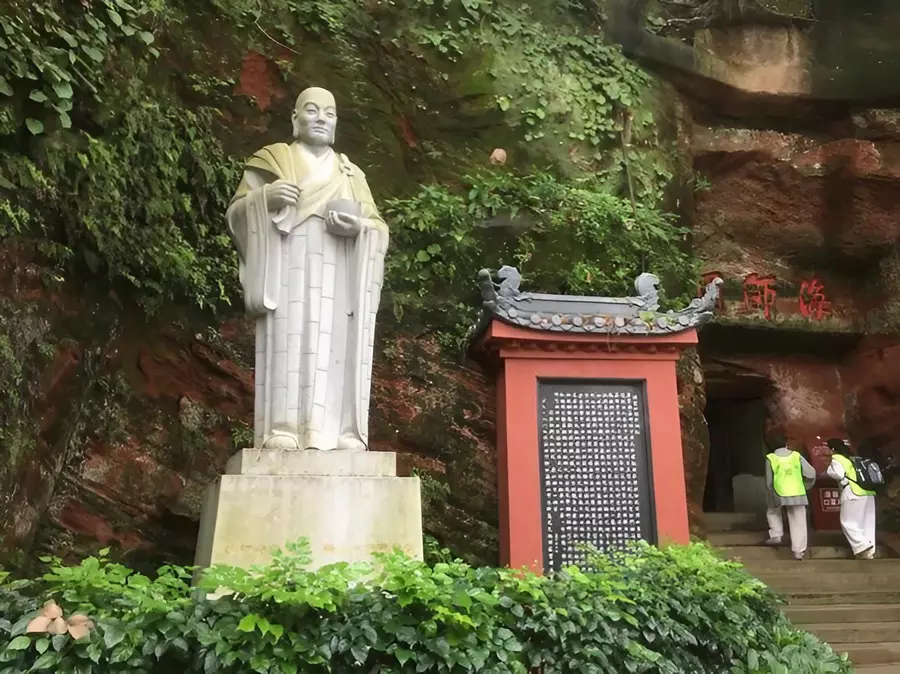
To raise funds for the enormous project, Hai Tong spent many years traveling and collecting donations. According to local legend, some corrupt officials attempted to take the money collected for the construction. Hai Tong firmly refused and declared that they could take his eyes, but they could not take the funds dedicated to building the Buddha. This legendary story reflects his strong devotion and determination to complete the project.
The carving of the Giant Buddha officially began in 713 AD. However, when the construction reached the Buddha's shoulders, Hai Tong passed away, and the project was temporarily suspended. Later, his disciples continued the work with financial support from local official Zhangchou Jianqiong. However, when the statue reached the knees, construction was halted again due to funding and political changes.
About 40 years later, another Sichuan official, Wei Gao, provided financial support to restart the project. After the efforts of three generations of craftsmen and nearly 90 years of work, the Leshan Giant Buddha was finally completed in 803 AD.
Highlights of Leshan Giant Buddha Scenic Area
1. Leshan Giant Buddha: A Masterpiece of Ancient Stone Carving
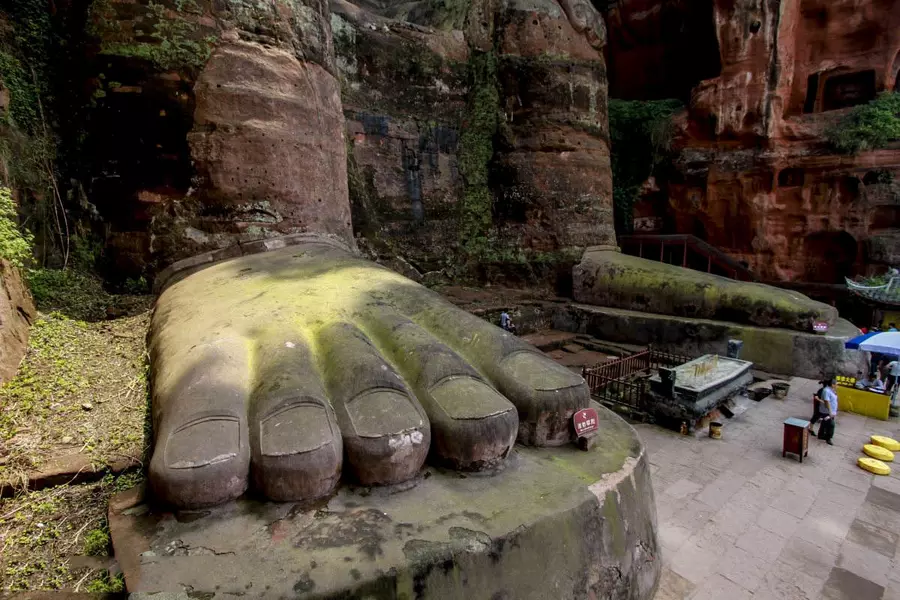
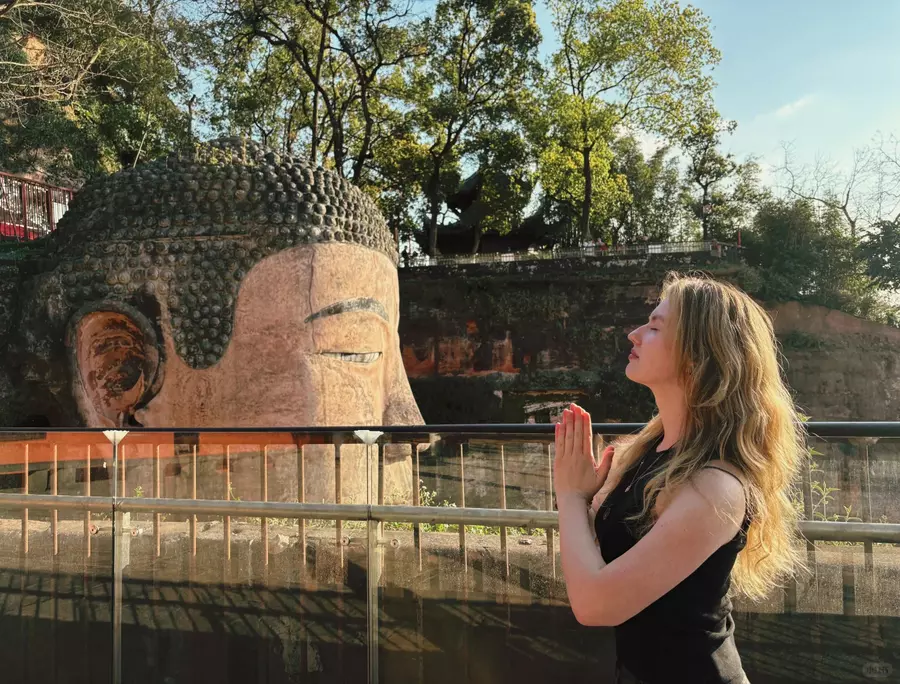
The Leshan Giant Buddha is the heart of the entire scenic area. The sheer size of this ancient stone sculpture is truly breathtaking. Its shoulders stretch about 24 meters wide, comparable to the length of a basketball court, while its enormous feet are large enough to accommodate more than 100 people. The statue's 7-meter-long ears and towering figure demonstrate the incredible skill and dedication of the ancient craftsmen who created this monumental work.
Beyond its impressive scale, the Leshan Giant Buddha is also an engineering masterpiece. A sophisticated drainage system hidden within the head, hair, clothing folds, and body helps channel rainwater away and protect the statue from erosion, allowing this ancient monument to survive for more than a thousand years.
2. Nine-Turn Cliffside Plank Path: The Closest Way to Experience the Buddha
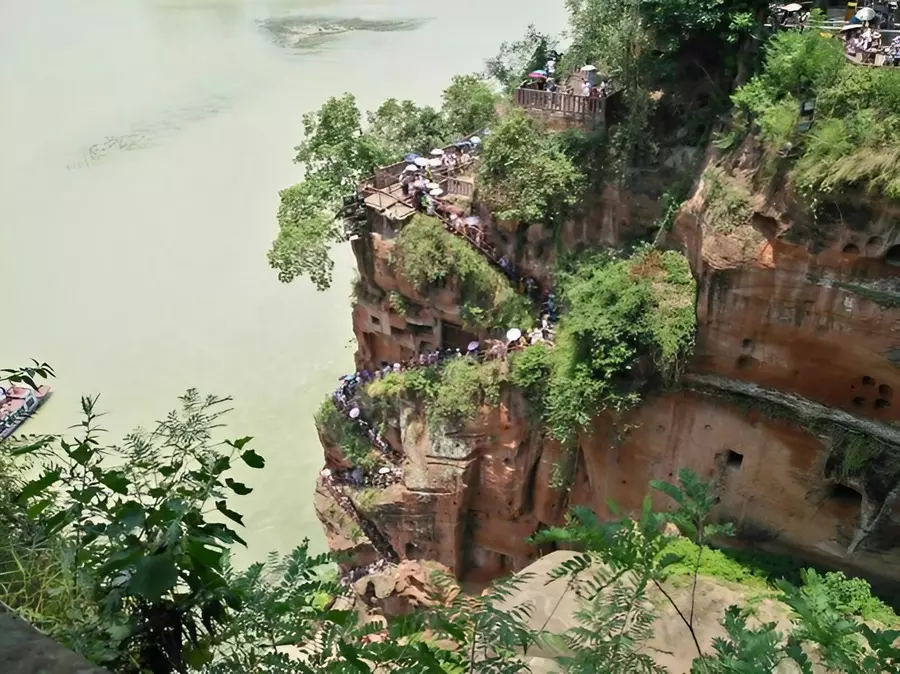
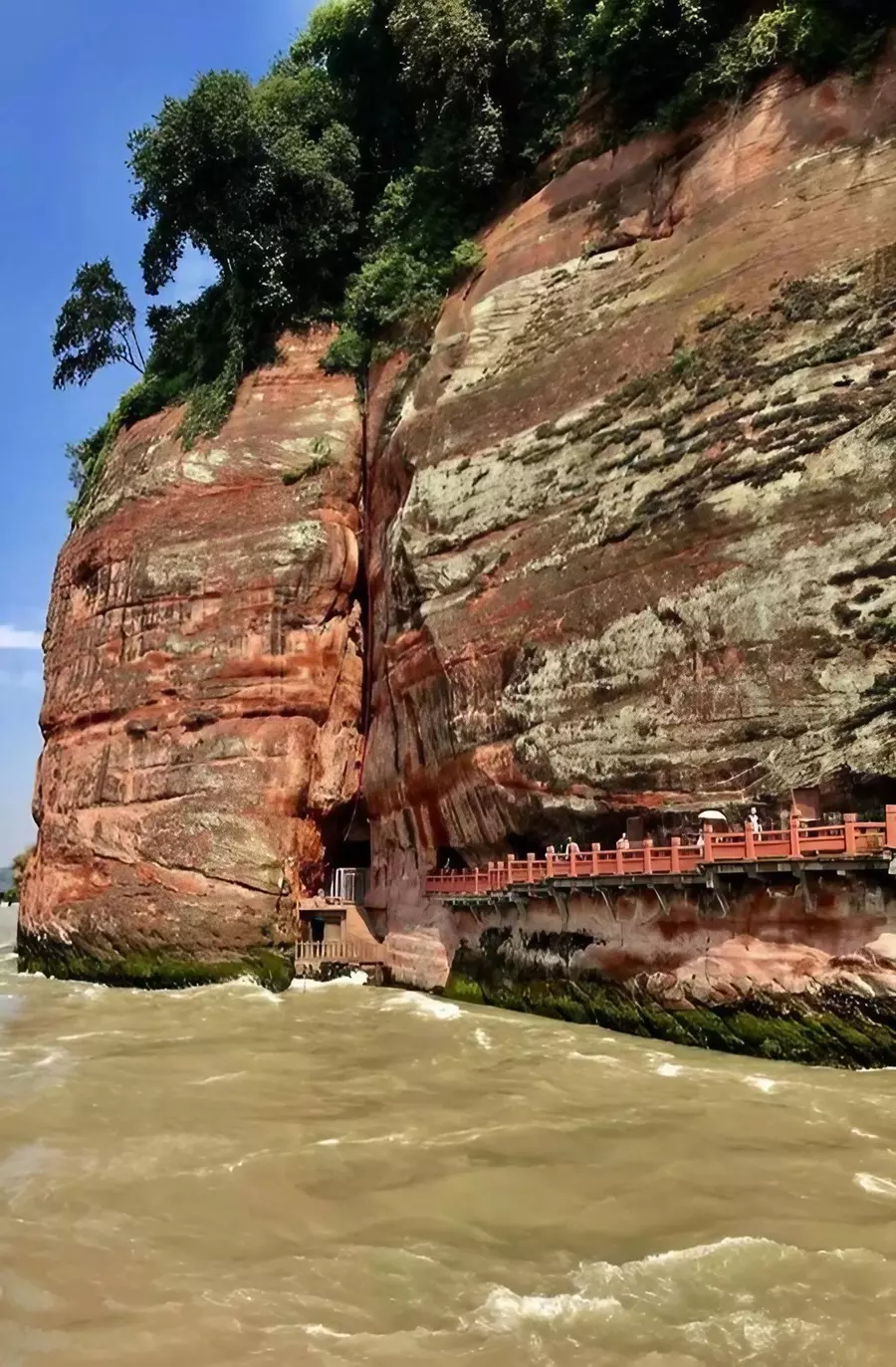
The Nine-Turn Cliffside Plank Path (Jiuqu Zhandao) is one of the most memorable parts of visiting Leshan Giant Buddha. Built along the cliff beside the statue, this winding pathway allows visitors to walk from the Buddha's head down to its feet and admire the enormous statue from different perspectives.
The narrow stone steps provide a close-up experience of the Buddha's peaceful expression, massive hands, and towering body. Since the path is steep and only allows one-way traffic, visitors should expect longer waiting times during weekends and peak seasons.
3. Lingyun Temple: A Historic Buddhist Temple Above the Buddha
Located near the top of Lingyun Mountain, Lingyun Temple is an important Buddhist site within the Leshan Giant Buddha scenic area. The temple was originally built during the Tang Dynasty, before the construction of the Giant Buddha, and has been rebuilt several times throughout history.
Walking through the temple’s halls and ancient courtyards offers visitors a peaceful introduction to Chinese Buddhist culture before descending to the Buddha itself.
4. Lingbao Pagoda: A Panoramic View of the Three Rivers
Standing on Lingyun Mountain, Lingbao Pagoda is an ancient brick pagoda dating back to the Tang Dynasty. Once serving as an important landmark for the ancient city of Jiazhou, the pagoda offers beautiful views of the surrounding mountains and the meeting point of the three rivers.
How to Visit Leshan Giant Buddha: Walking Route vs Boat Cruise
There are two main ways to appreciate the Leshan Giant Buddha: walking through the scenic area for a close-up experience, or taking a boat cruise to admire the full view of the statue from the river. Each option offers a different perspective, and many travelers choose to combine both if time allows.
Option 1: Walking Route – The Closest Experience with the Buddha
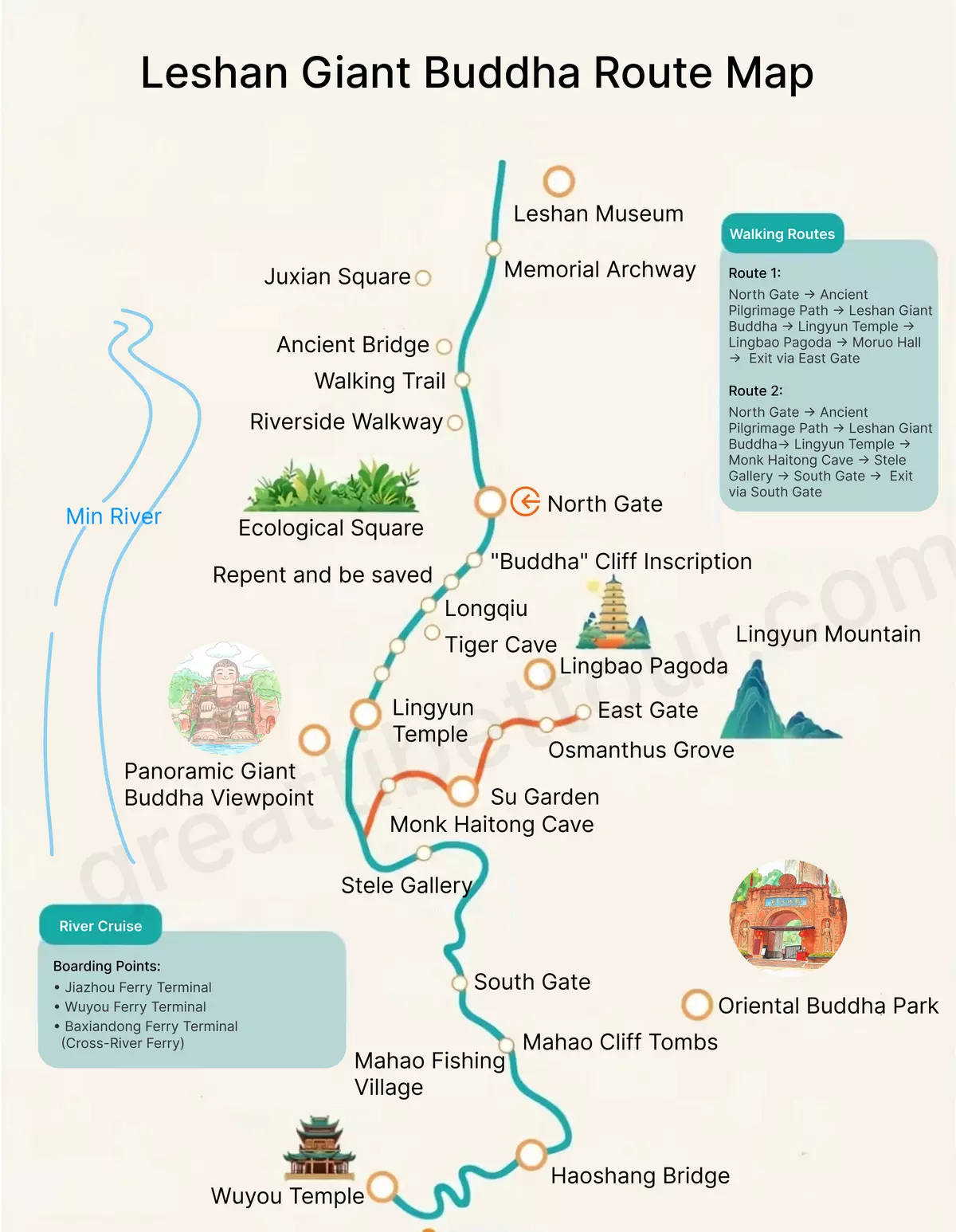
The walking route is the classic way to visit Leshan Giant Buddha. Visitors enter the scenic area, climb Lingyun Mountain, explore the ancient temples, reach the Buddha's head, and then descend along the Nine-Turn Cliffside Plank Path to the Buddha's feet.
Walking close to the statue allows you to appreciate the incredible details that cannot be seen from a distance — the enormous ears, peaceful facial expression, massive hands, and huge feet. Along the way, you can also visit Lingyun Temple and other Buddhist cultural sites.
The complete walking route usually takes about 2–3 hours. During weekends and holidays, waiting times on the plank road can be much longer due to crowds.
Recommended Walking Route:
North Gate → Su Shi Inscription → Three Rivers Viewing Platform → Lingyun Temple → Buddha Head Viewing Platform → Nine-Turn Cliffside Plank Path → Buddha's Feet → Exit
Option 2: Boat Cruise – The Best View of the Entire Buddha
A boat cruise is the easiest way to appreciate the full scale of the Leshan Giant Buddha. From the river, visitors can see the entire statue carved into the cliff, which is the classic panoramic view often seen in photographs.
The cruise takes about 30–40 minutes and is a good choice for travelers with limited time, elderly visitors, or families with young children. The boat also offers views of the surrounding rivers and mountains, and on clear days, visitors may see the famous “Sleeping Buddha” formed by the surrounding landscape.
The disadvantage is that the boat only provides a distant view. Visitors cannot get close to the Buddha’s details or walk down to its feet.
Which Way Is Better?
If you have enough time, combining both experiences is highly recommended: take the walking route to admire the Buddha up close, then enjoy a boat cruise to appreciate the full harmony between the giant statue and the surrounding landscape.
Best Time to Visit Leshan Giant Buddha
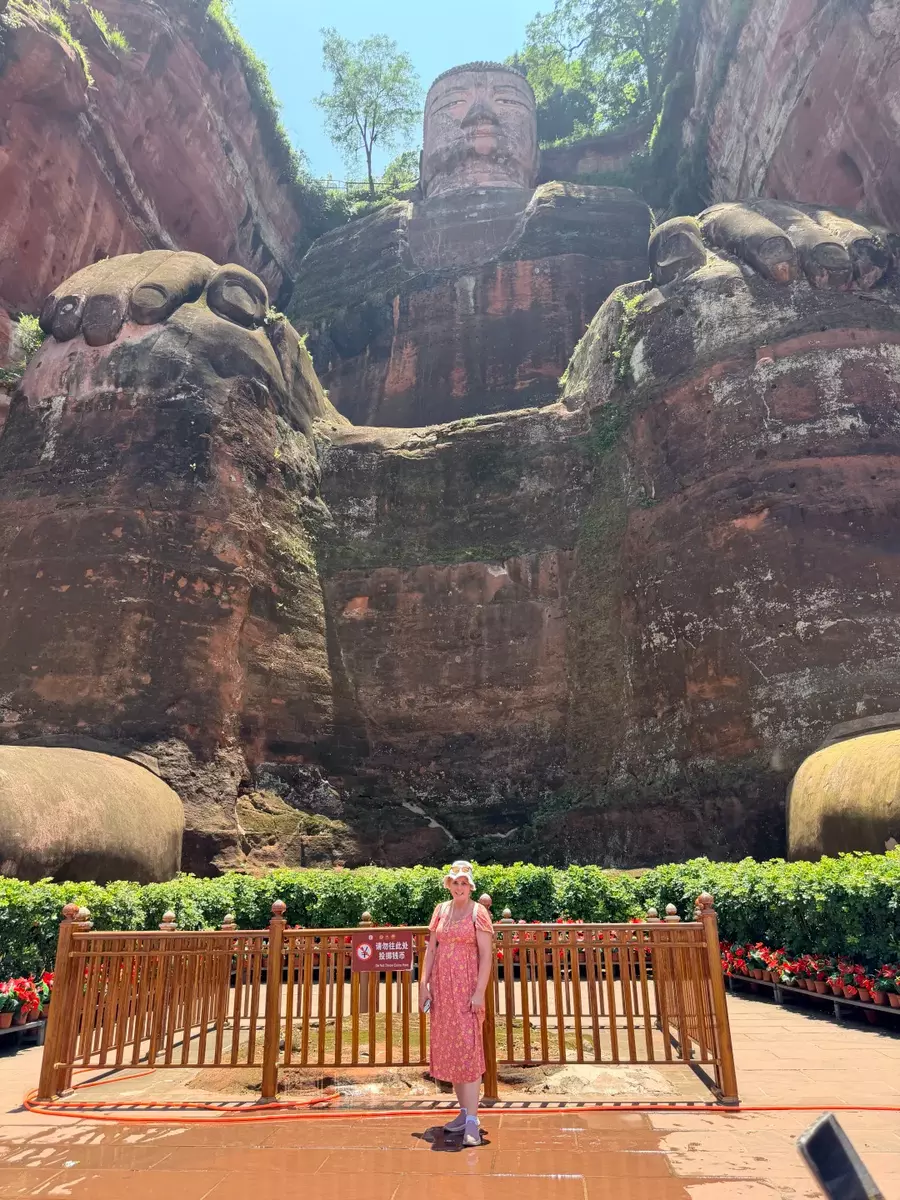
Leshan Giant Buddha can be visited throughout the year, but spring (March to May) and autumn (September to November) are generally considered the best seasons. During these months, the weather is mild and comfortable, making it ideal for walking along the cliffside paths and enjoying views of the Buddha and surrounding rivers.
In spring, the landscape becomes greener with blooming flowers, while autumn brings clear skies and pleasant temperatures, offering excellent conditions for sightseeing and photography. Summer (June to August) can be hot and humid, with more visitors and occasional rainfall, while winter is quieter with fewer tourists, although the weather can be cooler and misty.
How to Get to Leshan Giant Buddha from Chengdu?
Located about 150 kilometers from Chengdu, Leshan Giant Buddha is one of the easiest day-trip destinations from Chengdu. Thanks to China’s convenient high-speed railway network, most travelers can reach Leshan from Chengdu in about 1–2 hours.
Option 1: High-Speed Train (Recommended)
Taking a high-speed train is the fastest and most convenient way to travel from Chengdu to Leshan. Trains depart from Chengdu East Railway Station/Chengdu South Railway Station and arrive at Leshan Railway Station in about 1 hour.
From Leshan Railway Station, travelers can take a taxi or ride-hailing service to Leshan Giant Buddha Scenic Area, which takes around 30 minutes. Public buses are also available, including Bus No. 3 and No. 13.
Total travel time: Around 1.5–2 hours
Option 2: Private Transfer
Driving from Chengdu to Leshan Giant Buddha takes about 2 hours via the expressway. This option offers more flexibility and is especially convenient for families, private groups, or travelers who plan to combine Leshan Giant Buddha with Mount Emei and other Sichuan attractions.
A private transfer also allows you to save time by traveling directly between hotels and scenic areas without changing transportation.
Option 3: Join a Day Tour from Chengdu
Many travelers choose a guided day tour from Chengdu, which usually includes round-trip transportation, entrance tickets, and a guide. Some tours combine Leshan Giant Buddha with Mount Emei or the Chengdu Research Base of Giant Panda Breeding, making them a convenient option for first-time visitors to Sichuan.
√ 1 Day Chengdu Panda & Leshan Giant Buddha Tour
Option 4: Bus from Chengdu
Long-distance buses are also available from Chengdu to Leshan, but they are generally slower and less convenient than high-speed trains. After arriving in Leshan city, travelers need to transfer to local transportation to reach the scenic area.
Useful Tips for Visiting Leshan Giant Buddha
1. Avoid Peak Tourist Periods
Leshan Giant Buddha is popular throughout the year, but it can become extremely crowded during China's public holidays, especially the Spring Festival, Labor Day holiday (May 1–5), and National Day holiday (October 1–7). If possible, visit on weekdays or arrive early in the morning to enjoy a more comfortable experience.
2. Wear Comfortable Shoes
The walking route includes many stone steps and the steep Nine-Turn Cliffside Plank Road. Comfortable walking shoes are highly recommended, especially for visitors planning to descend to the Buddha’s feet.
3. Try Leshan Local Food
Leshan is famous for its local snacks and Sichuan cuisine. Visitors with extra time can explore nearby food streets and try local specialties such as Leshan barbecue, sweet-skinned duck, tofu pudding, and Qiaojiao beef.
4. Consider Hiring a Guide
English-speaking guides are available at the scenic area entrance. A guide can help visitors better understand the history, Buddhist culture, and architectural features of the Leshan Giant Buddha.
5. Explore Nearby Attractions
Besides the Leshan Giant Buddha, travelers can also visit several nearby attractions, including Wuyou Temple, Oriental Buddha Park, and Mahaoya Cliff Tombs. Mount Emei, another UNESCO World Heritage Site, is also often combined with the Leshan Giant Buddha in a Sichuan itinerary.
√ 2 Days Chengdu Panda & Leshan Buddha & Mt.Emei Tour


Chengdu-Leshan-Emei-Chengdu-Lhasa-Shigatse-Lhasa
Discover the highlights of Chengdu, Leshan and Emei. Take a Tibet train and have a cultural tour from Lhasa to Shigatse.

Chengdu - Dujiangyan - Leshan - Chengdu
Visit 4 World Heritage Sites, you can experience the combination of natural scenery and cultural landscape.

Chengdu-Xining-Lhasa
Get close to Giant pandas. Hop on the Sky Train from Xining to enjoy alpine scenery. Explore Tibetan Buddhism in Lhasa.
Email response within 0.5~24 hours.