


Top 15 Things to Do in Chengdu
- Beatrice
- Last Updated : 01/02/2026
Chengdu is a city that moves at its own relaxed pace, offering travelers a deeper and more authentic side of China. Known as the home of giant pandas and the heart of Sichuan cuisine, Chengdu blends everyday life, rich history, and unforgettable flavors in a way that feels both welcoming and genuine. From ancient temples and lively teahouses to spicy hotpot and peaceful parks, the city invites you to slow down and truly experience local culture.
In this guide, you’ll discover the best things to do in Chengdu—from iconic sights to simple moments that make a visit here so memorable.
Content Preview
Travel to Chengdu and Its Surrounding Areas
Chengdu, the capital of Sichuan Province in southwest China, is a major travel hub and a convenient gateway to many of the region’s most well-known cultural and natural attractions. The following sections explain how to reach Chengdu and travel efficiently within the city and its surrounding areas.
Getting to Chengdu
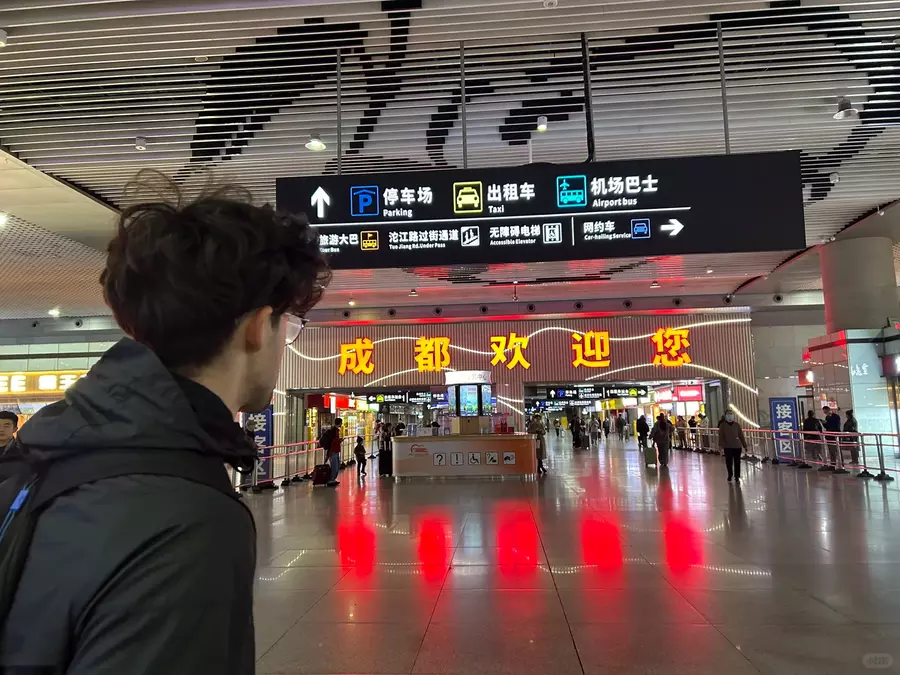
Chengdu is a major transportation hub in western China, with international and domestic flights arriving mainly at Chengdu Tianfu International Airport (TFU) and domestic routes served by Chengdu Shuangliu International Airport (CTU). Both airports are well connected to the city center by metro, airport buses, and taxis, making transfers straightforward.
For travelers within China, high-speed trains provide a convenient and comfortable way to reach Chengdu, with direct rail links to cities such as Chongqing, Xi’an, Kunming, and Guangzhou. Checking flight and train schedules in advance is recommended to find the most suitable and cost-effective option.
Getting Around Chengdu and Nearby Areas
Chengdu’s metro system is one of the most convenient ways to explore the city, covering most major attractions, commercial areas, and transport hubs. It is especially practical for first-time visitors, with clear signage and announcements generally available in both Chinese and English.
The metro usually operates from around 6:00 a.m. to late evening (approximately 10:30–11:00 p.m.), though exact closing times vary by line.
For international travelers, activating a mobile payment app such as Alipay is highly recommended. Mobile payment allows seamless access to the metro, buses, bike-sharing services, and taxis, greatly simplifying daily travel within the city.
Taxis and ride-hailing services like Didi are widely available and reasonably priced, particularly for longer journeys or when traveling with luggage. For trips beyond the city—such as to the Leshan Giant Buddha, Mount Emei, Mount Qingcheng, the Dujiangyan Irrigation System, or nearby towns—high-speed trains and long-distance buses provide efficient connections, making Chengdu a convenient base for exploring Sichuan Province.
Experience Leisurely Life in Chengdu
Chengdu's leisurely lifestyle is reflected in its everyday tea drinking, dining, and socializing—it’s a natural, unhurried rhythm of life. To experience the city’s vibe, start with its teahouses, cuisine, and local pastimes.
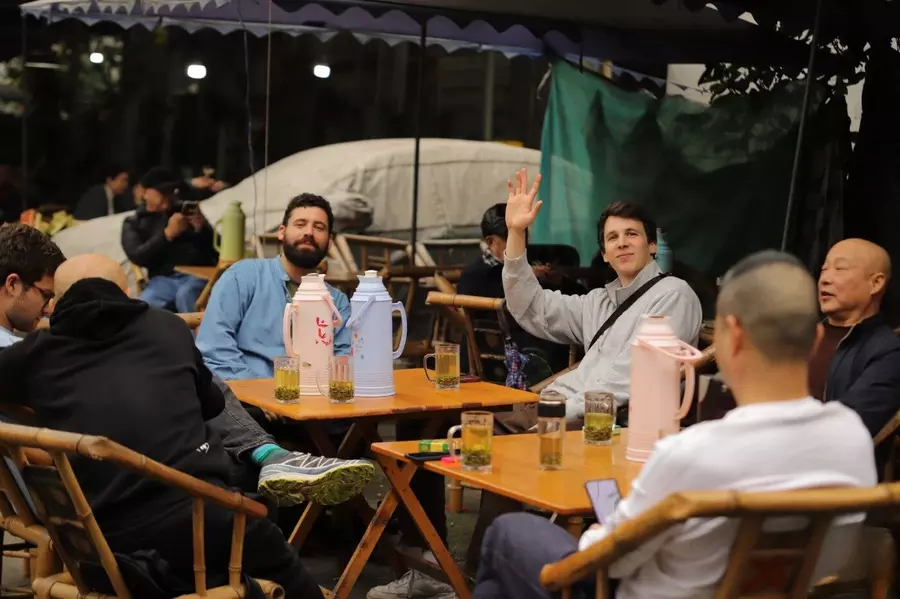
Tea culture is central to life in Chengdu. Whether in a historic city teahouse or a small courtyard tucked in the alleyways, a pot of tea and a few bamboo chairs can easily fill an afternoon, with idle chatting or daydreaming forming part of the routine.

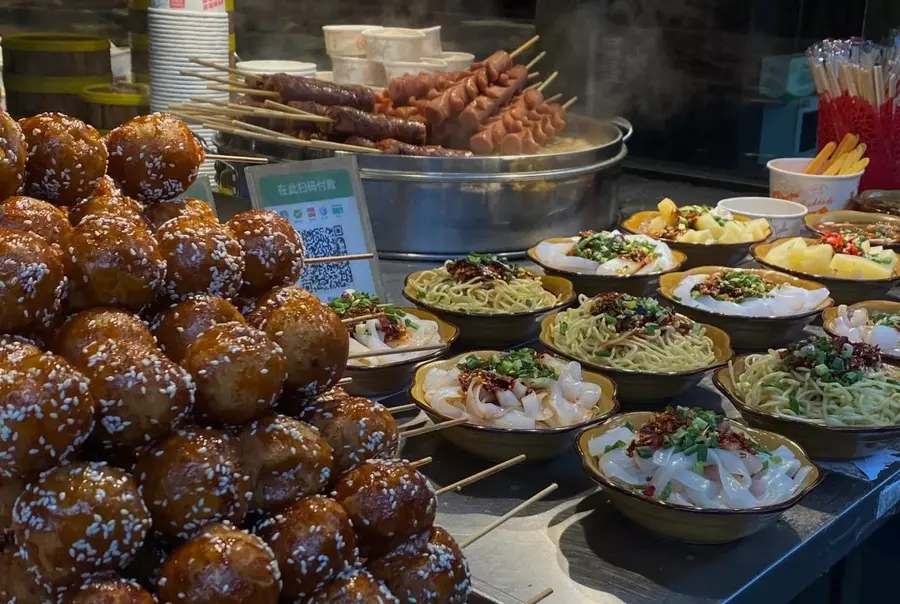
Food also embodies this relaxed rhythm. Sichuan cuisine, one of China's eight major culinary traditions, offers classics like Kung Pao Chicken, Mapo Tofu, and Twice-Cooked Pork, as well as various street snacks. For locals, meals are meant to be savored at leisure, with conversation as much a part of the experience as the food itself.
The city's parks and everyday leisure spots make it easy to unwind. Quiet temples, green spaces, riverside paths and even the building roof are all part of daily life, especially pleasant in the evenings.
Finally, unique local practices such as ear-cleaning and playing mahjong reflect Chengdu people's philosophy of life—slow down, enjoy the moment, and savor the present.
Top Things to Do in Chengdu
The following highlights cover Chengdu's most meaningful experiences, from iconic landmarks to everyday local life. You don't need to see everything—choose what fits your interests and pace, and let the city reveal itself gradually.
1. See Adorable Giant Pandas at Chengdu Panda Base
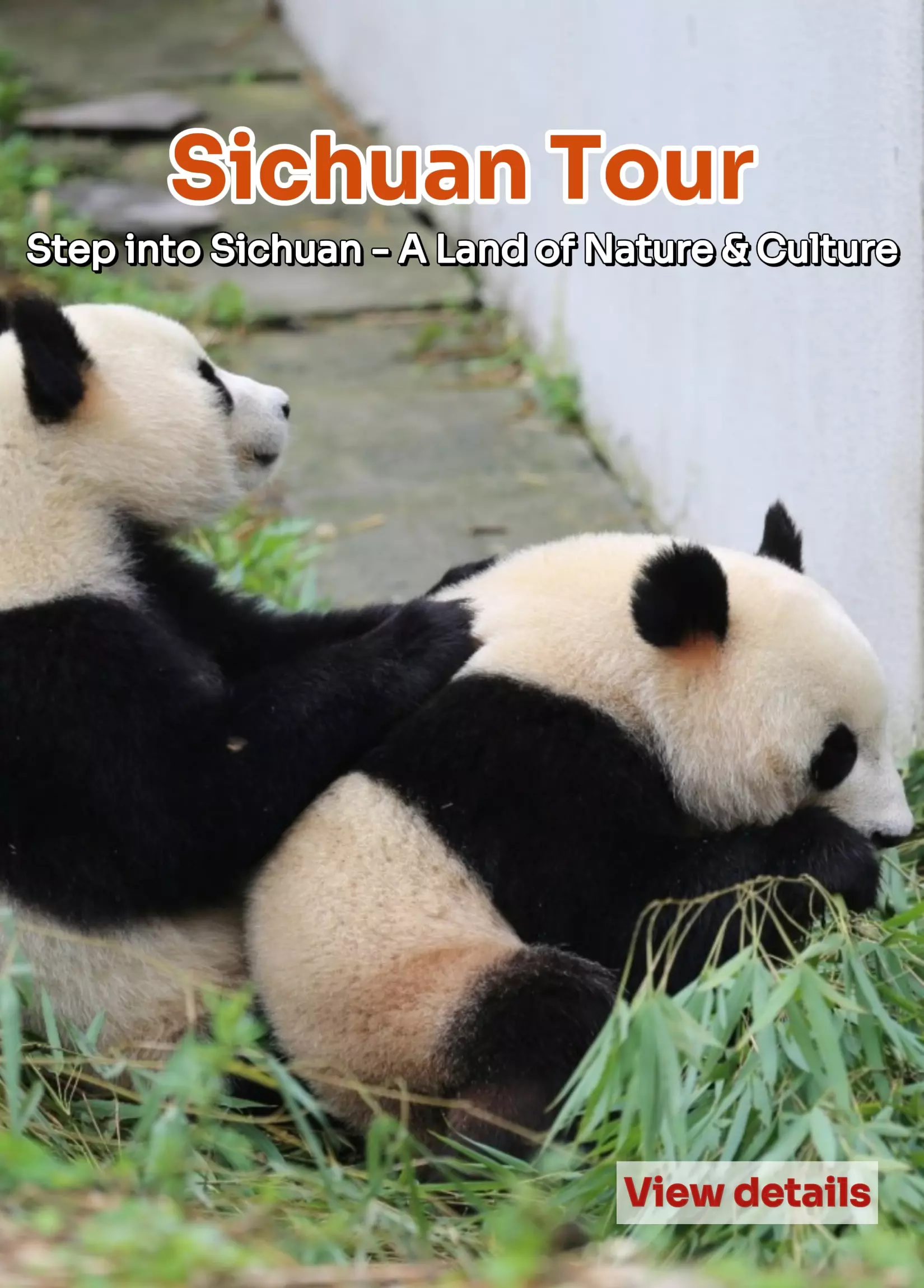
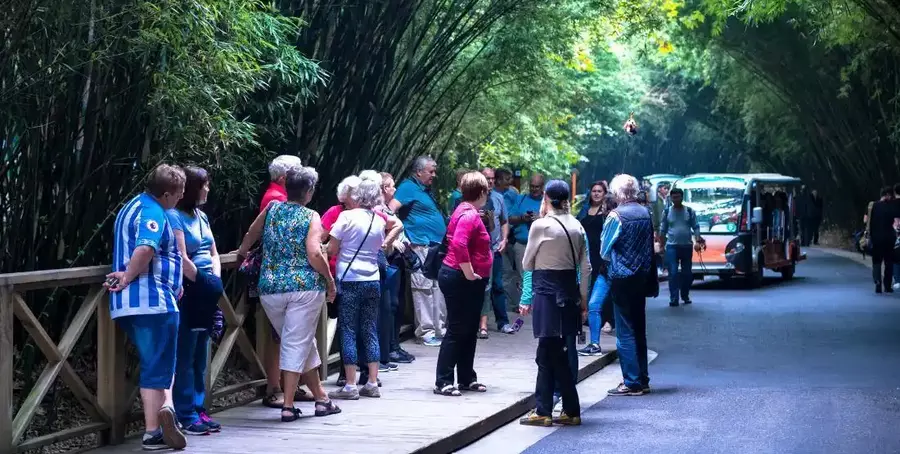
Undoubtedly, for most visitors, the first thing to do in Chengdu is to see the adorable giant pandas at Chengdu Panda Base. Located about 10 kilometers from the city center, the Chengdu Research Base of Giant Panda Breeding is home to over a hundred pandas of all ages, plus the equally charming red pandas. The best time to visit is between 8:00 and 10:00 a.m., when the pandas are most active—eating, playing, and climbing. Panda cubs are a highlight, offering irresistibly cute moments for photos. While the base plays a major role in conservation and research, for most tourists it’s the chance to see these iconic animals up close that makes it unforgettable.

2. Wander Kuanzhai Alley
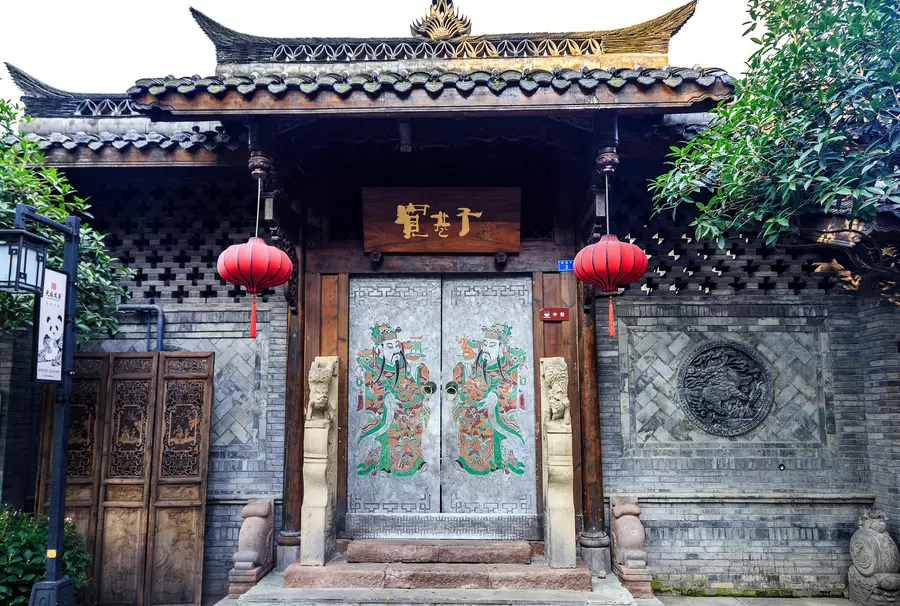
Kuanzhai Alley is one of the best-preserved historic areas in Chengdu, dating back to the Qing Dynasty. It consists of three parallel lanes—Wide Alley, Narrow Alley, and Well Alley—and reflects the blend of traditional life and modern city culture. Wide Alley showcases classic western Sichuan courtyard houses and teahouses, capturing the relaxed lifestyle of old Chengdu.
Narrow Alley feels quieter, with bamboo, ivy-covered walls, and shaded courtyards creating a calm atmosphere. Well Alley introduces cafés, bars, and creative shops, highlighting a younger and more contemporary side of the city. Whether visited by day or in the evening, Kuanzhai Alley offers a vivid glimpse into Chengdu’s unique way of life.
3. Have a Cup of Tea at People's Park
People's Park is a great place to experience Chengdu’s lifestyle and observe local daily routines. There are no grand landmarks, just a natural, lived-in atmosphere.
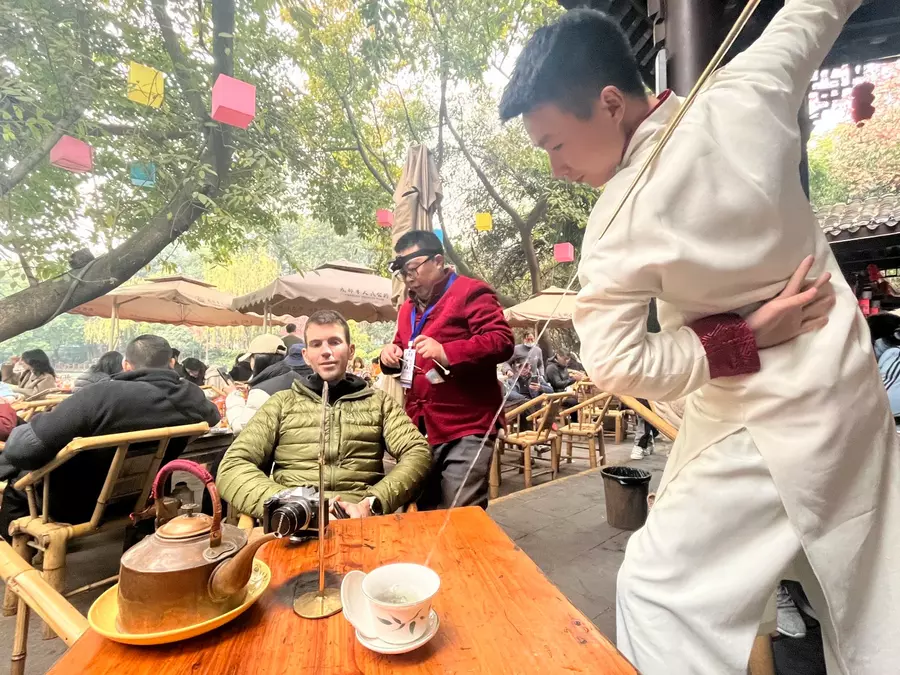
Locals sit in bamboo chairs sipping tea, chatting, playing cards, or simply watching time pass. You might see ear-cleaning masters, elderly residents dancing, singing, or practicing tai chi. The park's “Matchmaking Corner,” where parents exchange information about their adult children, offers a fascinating glimpse into family culture. Though the scenery is simple, this is where you truly feel Chengdu's relaxed and easygoing rhythm.
4. Watch Shu Feng Ya Yun Sichuan Opera Show
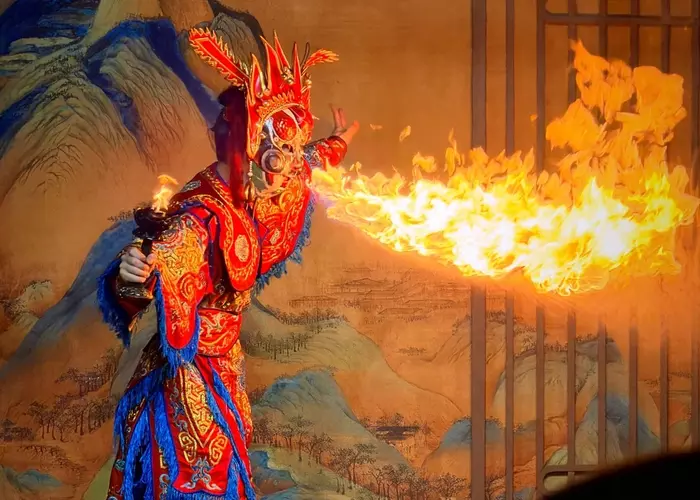
Experiencing the spirit of Sichuan opera is a natural choice in Chengdu, a city known for its rich history and everyday street life. Shu Feng Ya Yun is one of the city’s most representative traditional performances and a classic way to experience Sichuan opera. The show brings together face-changing, fire-breathing, puppetry, shadow play, acrobatics, tea art, and other local folk traditions in a fast-paced performance lasting just over an hour. Face-changing is the highlight, with performers switching masks in a split second to the audience’s amazement. Complimentary tea and sunflower seeds are served during the show, and visitors can also see costumes up close or take photos before or after the performance.

5. Visit Wenshu Monastery & Wenshu Fang
Wenshu Monastery is the best-preserved Buddhist temple in Chengdu and an important spiritual center of the city. Founded during the Tang Dynasty, it remains an active monastery where incense, chanting, and daily life continue side by side. Inside, you’ll find peaceful courtyards, red walls, ancient trees, and traditional halls that invite quiet wandering and reflection. Entry is free, and many locals come here to pray, drink tea, or pause for a quiet moment. Just outside the temple, Wenshu Fang is a pleasant pedestrian area lined with tea houses, vegetarian restaurants, and small shops selling handicrafts rather than tourist souvenirs. Together, the monastery and surrounding streets offer a calm, authentic glimpse into Chengdu’s everyday culture and rhythm.
6. Step into Wuhou Temple
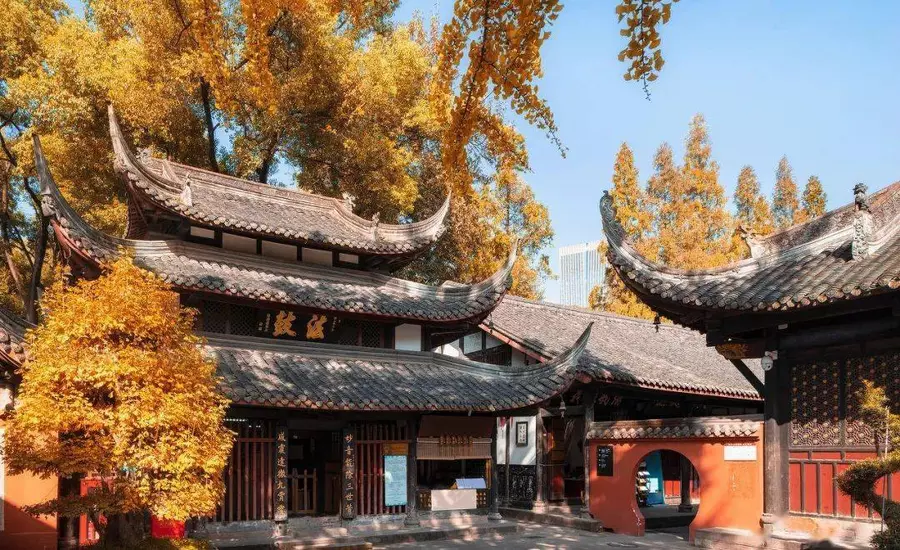
Wuhou Temple is one of Chengdu’s most important historical landmarks. Built in AD 302, it honors Zhuge Liang, the renowned chancellor of the Shu Kingdom, and stands beside the tomb of Emperor Liu Bei. It is one of the few temples in China that commemorates both a ruler and his minister.
The complex is surrounded by red walls, ancient cypress trees, and bamboo groves, with quiet corridors creating a calm and dignified atmosphere. Inside, statues and exhibits clearly present Shu history, showcasing Zhuge Liang’s wisdom and loyalty, making it an ideal place to understand Three Kingdoms culture. After visiting Wuhou Temple, visitors can continue directly into the lively Jinli Ancient Street.

7. Stroll Through Jinli Ancient Street
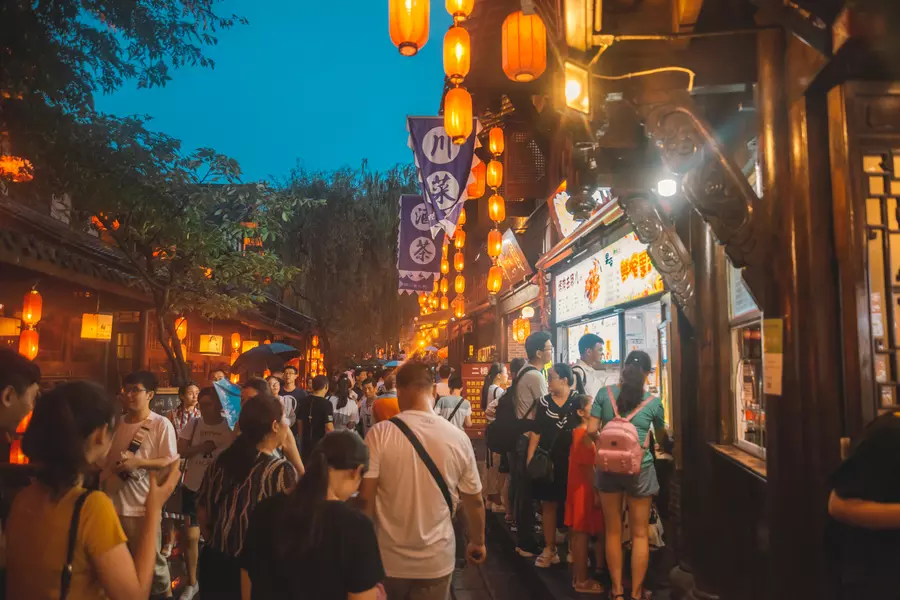
Jinli is one of Chengdu's most atmospheric historic areas, especially enchanting in the evening. Ming- and Qing-style buildings, rows of glowing red lanterns, and the aroma of Sichuan street food create a vivid sense of old Shu culture. Along the street, you’ll find traditional crafts such as sugar painting, paper cutting, and clay figurines, as well as folk performances like Sichuan opera and shadow puppetry. While the main street is lively, stepping into quieter side alleys reveals old courtyards and tea houses, offering a glimpse of Chengdu's tranquil, everyday rhythm.
8. Delve into Jinsha Site Museum
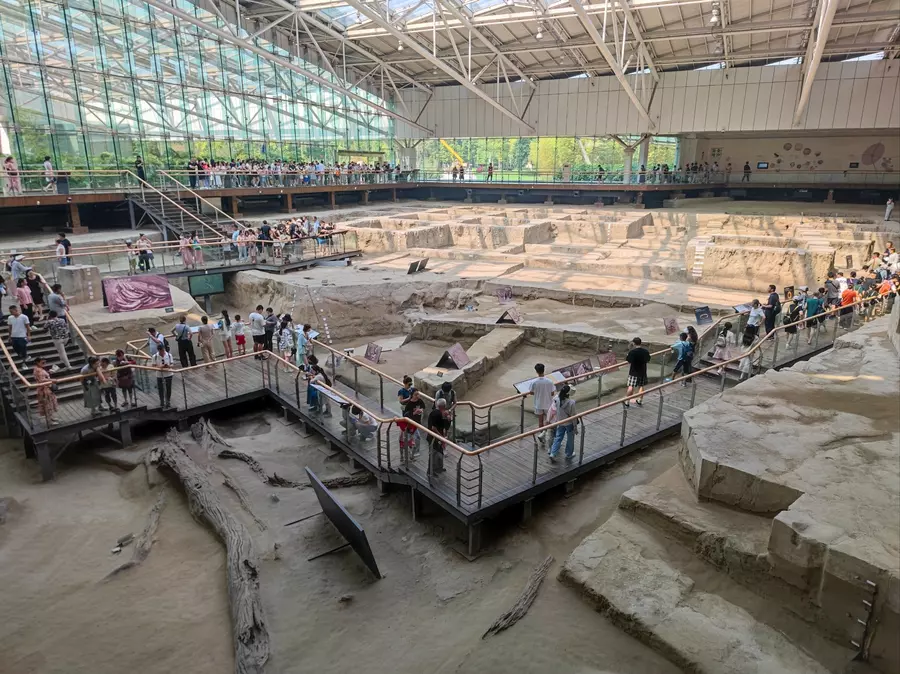
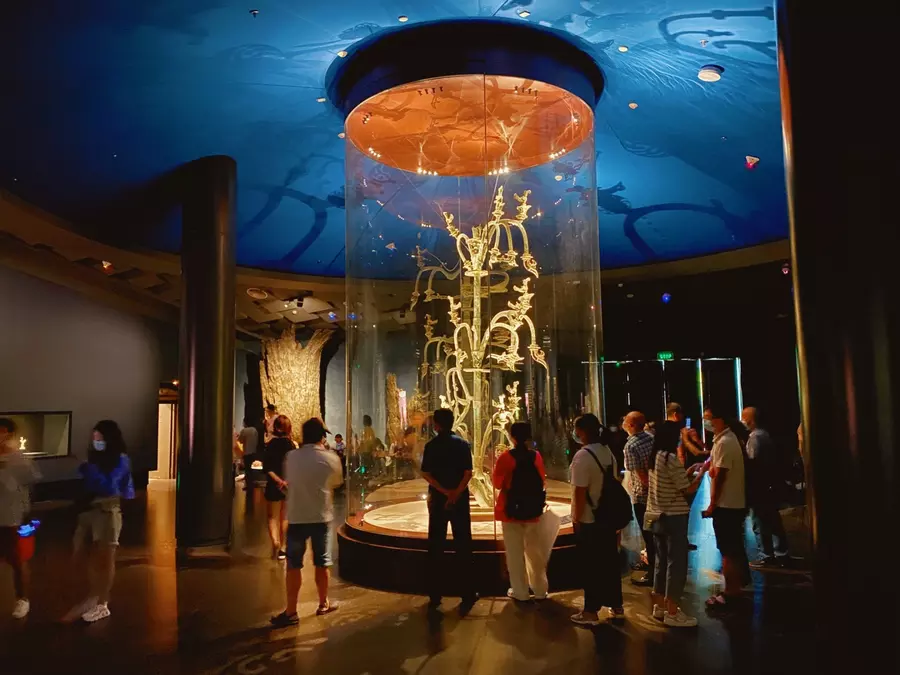
Jinsha Site Museum offers insight into Chengdu's origins and the ancient Shu civilization, forming a cultural core with Sanxingdui. Discovered in 2001, it revealed a settlement from around 3,000 years ago.
Built over the archaeological site, visitors can walk along wooden pathways to see ritual areas and remains. The exhibition hall displays exquisite gold, jade, and bronze artifacts, with the Golden Sun Bird ornament as a standout symbol of Chengdu, reflecting ancient Shu beliefs and artistry. The visit is calm and immersive, ideal for history enthusiasts, taking about 1.5 hours.
9. Experience Chengdu Nightlife at Jiuyanqiao
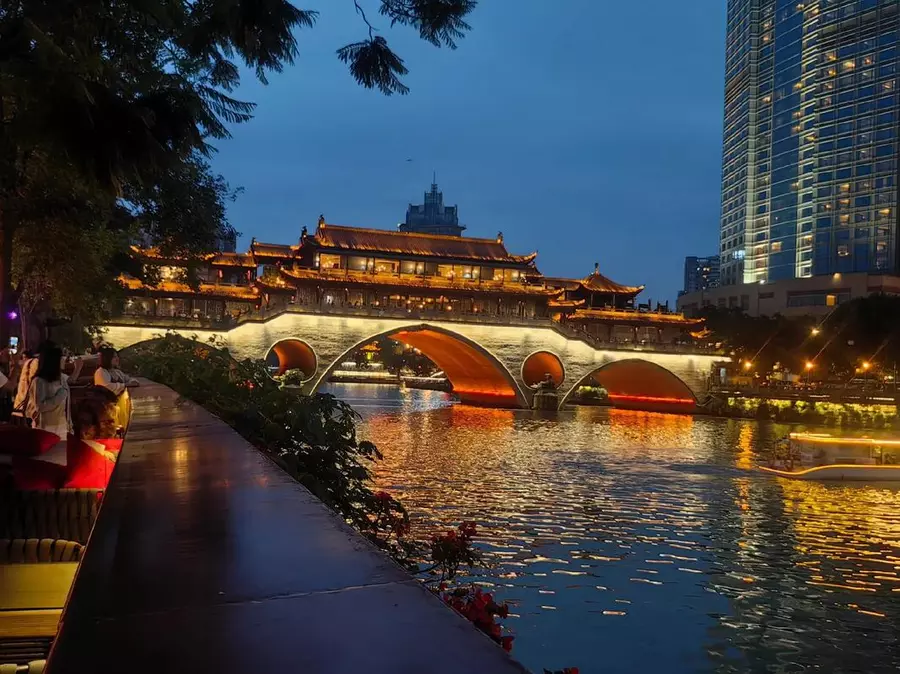
Chengdu is not only rich in history and culture but also comes alive at night. Jiuyanqiao is the city’s nightlife hub, with bars and rooftop terraces along Anshun Bridge offering live music, craft beers, and unique cocktails, while colorful lights reflect on the river, creating a lively yet relaxed atmosphere.
Whether enjoying a drink, hopping between bars, or strolling along the river, Jiuyanqiao captures the rhythm of Chengdu after dark. Nearby night snacks like skewers and marinated meats let you savor local flavors while experiencing the vibrant nightlife.
10. Shop Taikoo Li & Chunxi Road
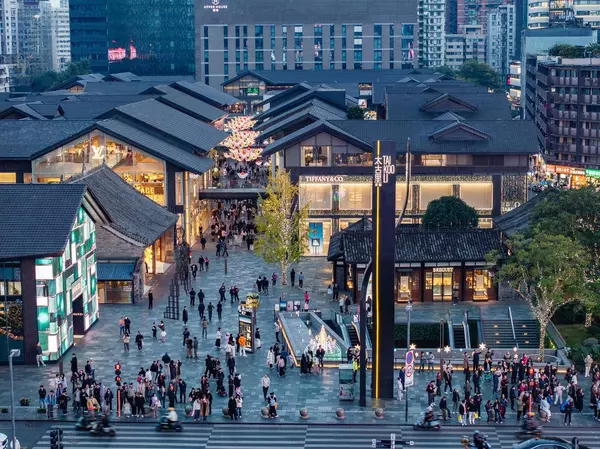
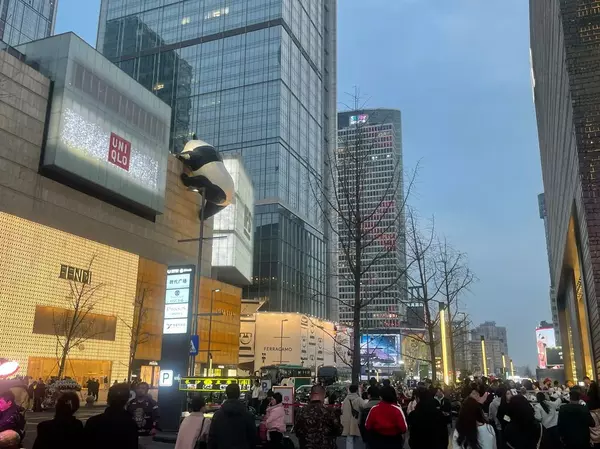
As your trip in Chengdu comes to an end, spending time in Taikoo Li and Chunxi Road is a great way to experience the city's modern side. Taikoo Li combines sleek, open-air architecture with traditional courtyards, creating a relaxed setting for cafés and boutique shopping. Nearby, Chunxi Road feels more vibrant and down-to-earth, known for the IFS climbing panda, street food, and busy shopping streets where daily life and urban energy come together.
Easy Day Trips from Chengdu
Chengdu's location also makes it an ideal base for short excursions into Sichuan's most iconic heritage sites.
11. Marvel at Leshan Giant Buddha
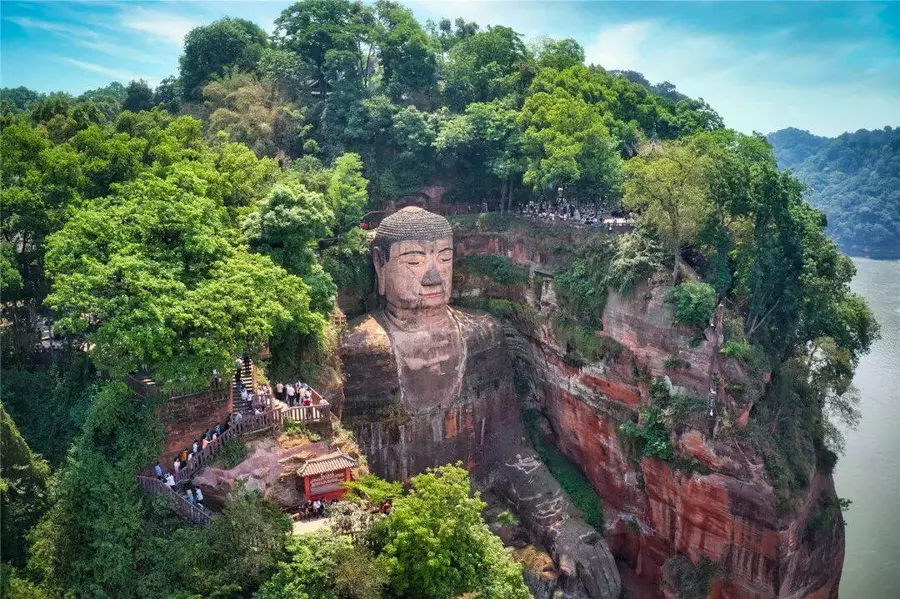
The Leshan Giant Buddha, standing about 71 meters (233 feet) tall, is the tallest stone Buddha statue in the world. Carved directly into a cliff overlooking the confluence of the Min, Dadu, and Qingyi rivers, it was begun in AD 713 under the guidance of the monk Haitong, who hoped the Buddha’s presence would calm the dangerous currents below and protect passing boats. In 1996, the site was inscribed as a UNESCO World Heritage Site together with Mount Emei.
Visitors can walk along cliffside paths from the Buddha’s head down to its massive feet or take a boat ride for a panoramic view, capturing the famous saying: “The mountain is a Buddha, and the Buddha is a mountain.” It makes a rewarding day trip from Chengdu. Or you can drive one hour to Mount Emei.
√ 1 Day Chengdu Panda Base & Leshan Giant Buddha Tour
12. Journey to Mount Emei
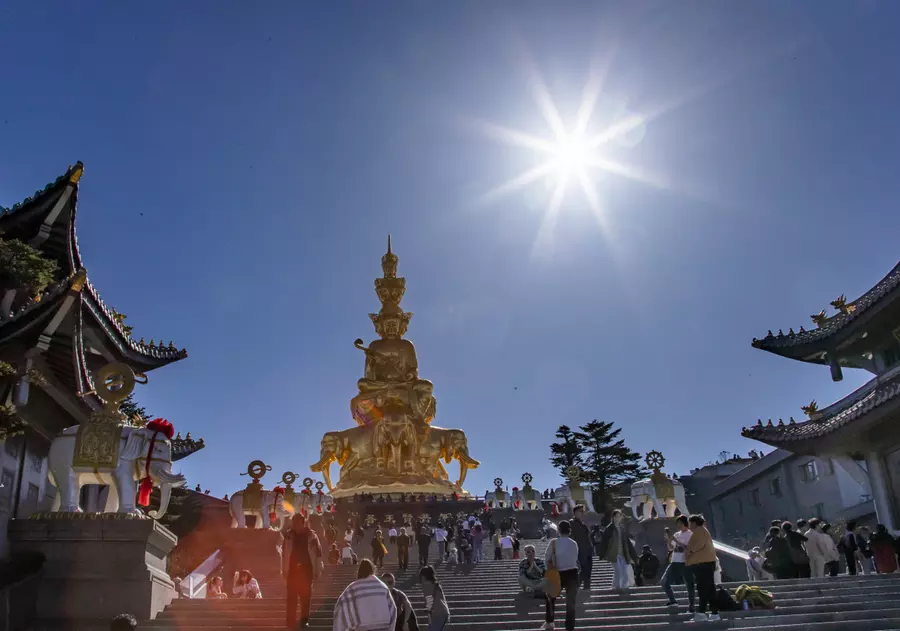
Mount Emei is one of China's Four Sacred Buddhist Mountains and a UNESCO World Heritage Site, traditionally regarded as the sacred site of Samantabhadra (Puxian) Bodhisattva. The mountain brings together dramatic natural scenery, deep Buddhist heritage, and rich ecology. Temples such as Baoguo Temple, Wannian Temple, and Qingyin Pavilion are scattered throughout the forests, creating a peaceful, contemplative atmosphere along the way. Reaching the Golden Summit is the highlight, where visitors may witness Mount Emei’s famous “Four Wonders”—sunrise, sea of clouds, Buddha’s halo, and sacred light. Whether hiking or traveling partway by vehicle, a visit to Mount Emei offers a meaningful blend of nature, spirituality, and quiet reflection.
√ 2 Days Chengdu Panda & Leshan Buddha & Mt.Emei Tour
13. Discover Dujiangyan Irrigation System
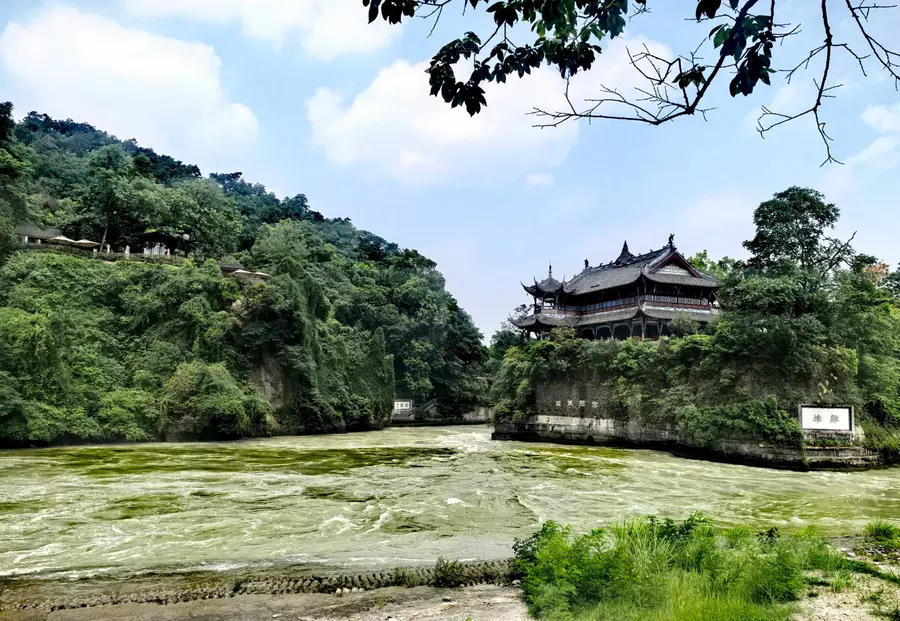
Dujiangyan Irrigation System is the world’s oldest water-control project still in use today and a UNESCO World Heritage Site. Built around 256 BC by the engineer Li Bing and his son, it has protected the Chengdu Plain from flooding and provided irrigation for over 2,000 years—without the use of dams.
From the viewing platforms, visitors can clearly see how the three key structures—Fish Mouth Levee, Flying Sand Weir, and Bottle-Neck Channel—work together to manage water flow while creating a striking landscape. Walking along the quiet embankments and nearby old town, with its tea houses and local life, makes the visit both educational and deeply atmospheric. It pairs well with a half-day trip and a visit to nearby Mount Qingcheng.
14. Hike Through Qingcheng Mountain
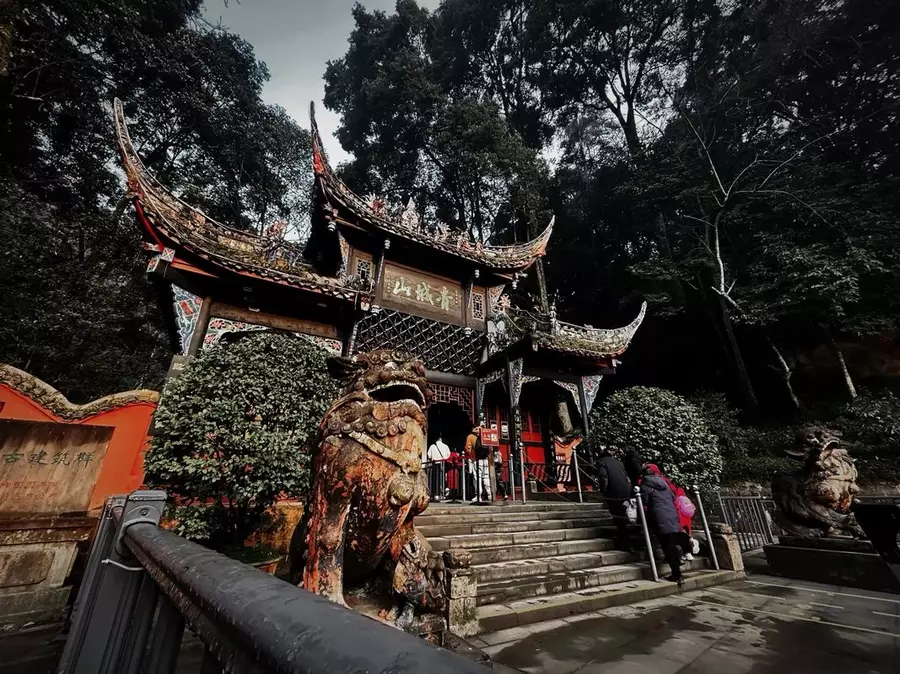
Mount Qingcheng is regarded as the birthplace of Taoism and is known for its tranquil scenery and spiritual atmosphere. The mountain is divided into the Front Mountain and the Back Mountain.
The Front Mountain is home to historic Taoist temples such as Shangqing Palace and Tianshi Cave, set among dense forests and accessible on foot or by cable car, reflecting the Taoist philosophy of harmony between humans and nature. The Back Mountain is quieter and more natural, featuring streams, lush vegetation, and scenic hiking trails. With misty peaks and ancient temples, Mount Qingcheng offers a peaceful escape from the city and makes an ideal day trip from Chengdu.
√ 4 Days Dujiangyan Leshan Tour
15. Uncover Sanxingdui
Sanxingdui is one of the most striking places to understand the ancient Shu civilization, dating back over 4,000 years. Its discovery fundamentally changed how scholars view early Chinese civilization. Inside the museum, low lighting highlights bronze masks, protruding-eye figures, the towering bronze sacred tree, and exquisite gold artifacts. Their bold, mysterious forms feel completely different from those of the Central Plains and leave a lasting impression.
The origins, beliefs, and sudden disappearance of this civilization remain unsolved, and it is precisely this sense of mystery that makes Sanxingdui so compelling. A visit here is more than viewing artifacts—it feels like stepping into a lost world. It is one of the most memorable cultural experiences you can arrange around Chengdu.
Where to Stay in Chengdu
Accommodation in Chengdu is mainly concentrated in three areas: the Taikoo Li–Chunxi Road district, the Kuanzhai Alley–People's Park area, and around Wenshu Monastery.
Taikoo Li and Chunxi Road form the city's most bustling center, with dense metro connections, a wide range of restaurants, shopping, and nightlife options, and proximity to Daci Temple. This area is ideal for first-time visitors focusing on food, shopping, and urban experiences.
The Kuanzhai Alley–People’s Park area is closer to traditional neighborhoods. Visitors can easily walk to Kuanzhai Alley, People’s Park, and historic teahouses, with convenient access to Wuhou Shrine, Jinli Street, and other attractions. The general vibe is more relaxed, making it perfect for those seeking a taste of old Chengdu’s unhurried charm.
Around Wenshu Monastery, the atmosphere is rich in culture and religion. The area is relatively quiet, with a lively street of local snacks and shops. Accommodations are plentiful and often more affordable, appealing to travelers who prioritize cultural experiences or are budget-conscious.
Best Time to Visit
Chengdu has a generally mild climate throughout the year, though cloudy days are common. The most comfortable times to visit are March to June and September to November, when temperatures are moderate and humidity is relatively low. These periods are ideal for walking around the city, enjoying tea houses, visiting historical sites, and taking short trips to see pandas, hike nearby hills, or explore ancient towns. Spring tends to be slightly more humid, while autumn is drier, but the overall travel experience is quite similar. In contrast, summers are hot and rainy, and winters can feel damp and chilly. For the most pleasant weather and an easy-paced visit, spring and autumn are the best choices.
Plan Your Chengdu Trip
Whether you have a short stop or a deeper interest in Sichuan, Chengdu offers a mix of relaxed city life and rich cultural heritage. At least one full day is recommended to visit the Chengdu Panda Base and one nearby attraction. Share your plans, and Great Tibet Tour will handle all the details for a seamless experience.
Email response within 0.5~24 hours.


Typically Asked Questions from Our Clients
Mich***
Hi, we're two Italians arriving in Chengdu on April 25, 2026, at Chengdu Tianfu Airport at 6:00 AM. We'd like to visit, if possible (meaning if we have time to do everything, or if not, can you suggest what we can do in the time we have, since we have to leave Chengdu Tianfu at 9:00 PM and we need to be at the airport at least three hours beforehand, meaning we'll be there at 6:00 PM). We'd definitely visit the Giant Buddha in Lesham, if we have time, the Giant Panda Research Center, and even just passing through for a 5-minute stop to take a few photos: Jinli Ancient Street, Anshun Bridge, Wuhou Temple, Chunxi Road, and IFS Mall. Let us know if it's possible, what we can do.
Dear Mich***,
We can arrange the tour for you. According to your time and preference, we have 2 rough options for you.
Option 1: Giant Buddha + the Giant Panda Research Center
Option 2: the Giant Panda Research Center + other places in Chengdu City