
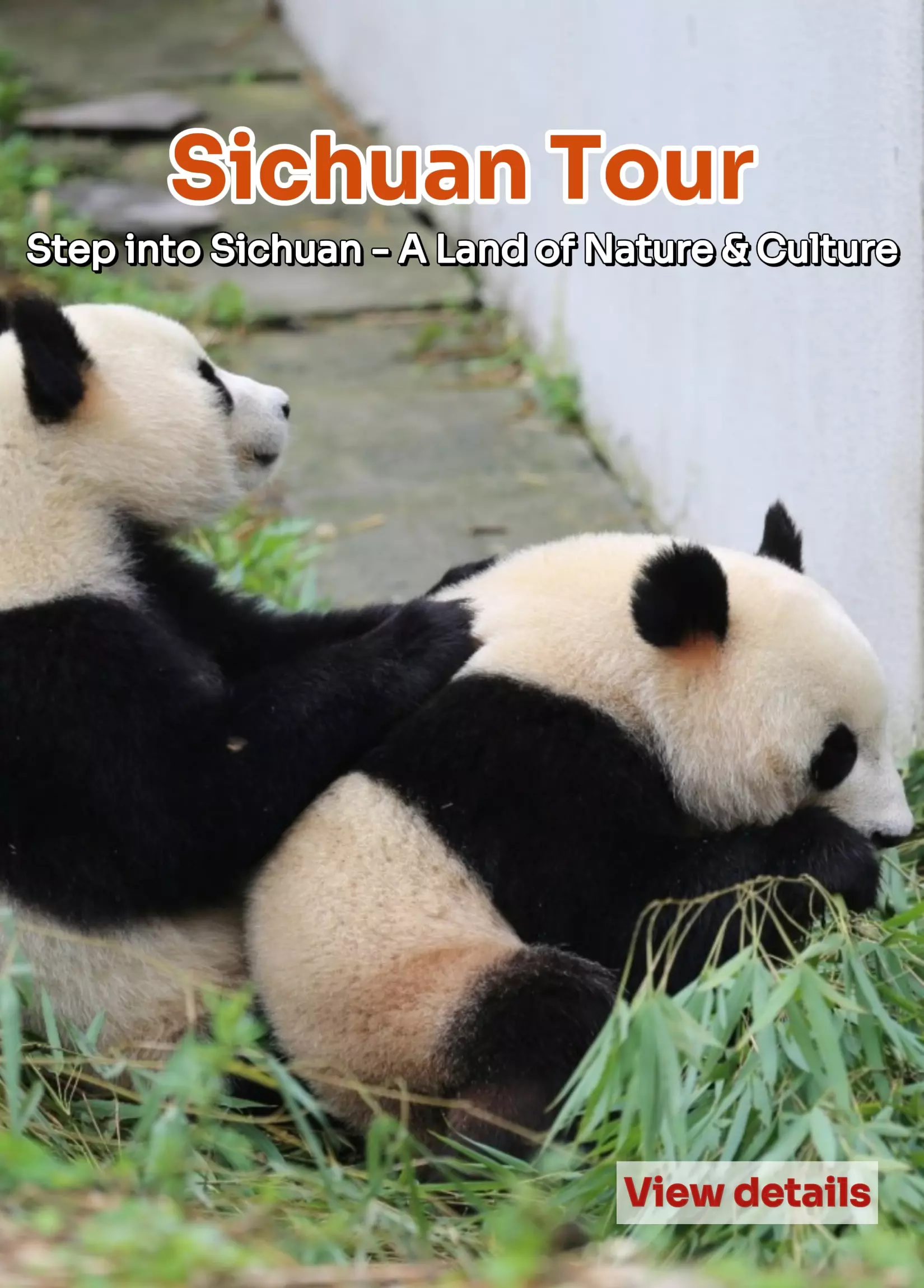
Chengdu Giant Panda Breeding Research Base
- Last Updated : 01/07/2026
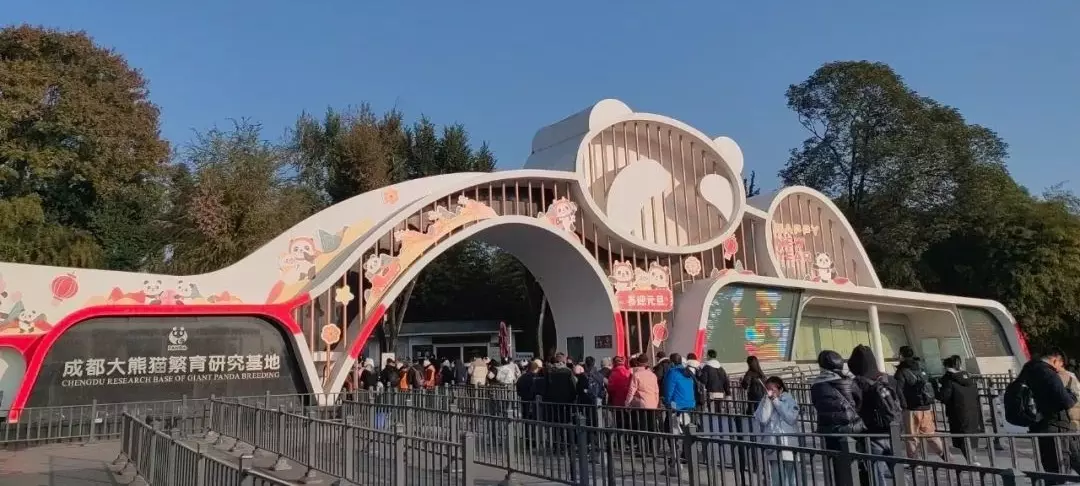
The Chengdu Panda Base, officially known as the Chengdu Research Base of Giant Panda Breeding (成都大熊猫繁育研究基地), is a place few visitors to Chengdu would want to miss. For many travelers, it becomes one of the most memorable experiences in China. Located about 10 kilometers northeast of the city center, the base is easy to reach and offers a calm, green environment designed to resemble the pandas’ natural habitat. Whether you are visiting Chengdu for the first time or traveling specifically to see giant pandas, this site is well worth spending half a day exploring.
Why Chengdu Panda Base Deserves a Visit
The Chengdu Panda Base is the world’s leading center dedicated to the conservation, breeding, and scientific research of giant pandas. Unlike a traditional zoo, the focus here is on long-term protection and natural behavior, with large enclosures, bamboo-covered hills, and quiet pathways designed to reduce stress for the animals.
One of the base’s greatest strengths is the opportunity to observe different life stages of giant pandas in one location, from playful cubs to fully grown adults. In addition to giant pandas, visitors can also see the rare red panda and explore educational facilities that explain panda biology, evolution, and conservation efforts in an accessible way.
Another reason the Chengdu Panda Base stands out is its convenient location. Just a short drive or metro ride from downtown Chengdu, it is one of the easiest panda reserves in China to visit, making it an ideal half-day experience even for travelers with limited time.
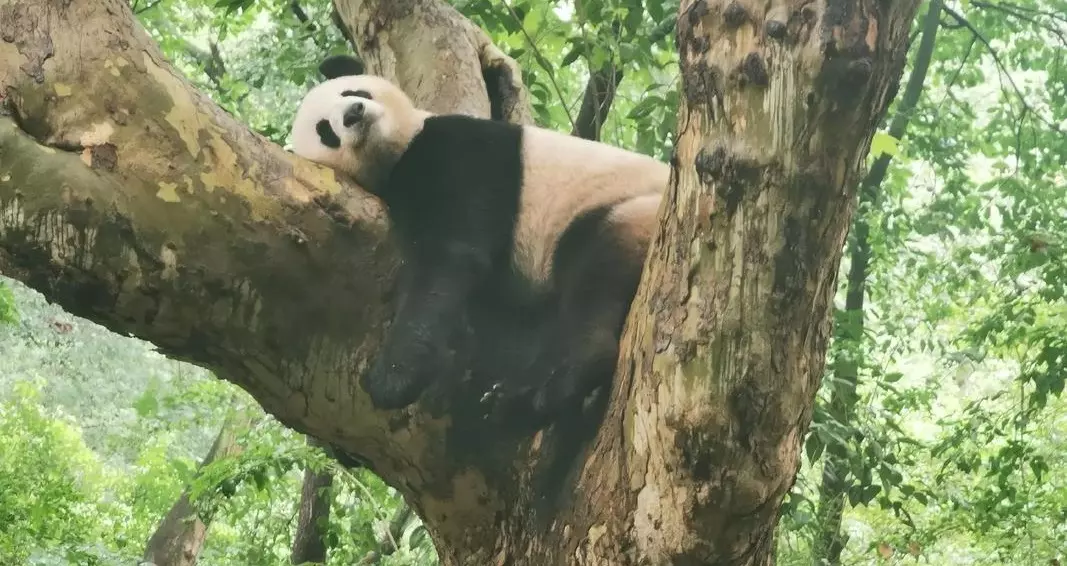
Facts about Chengdu Panda Base
- Official name: Chengdu Research Base of Giant Panda Breeding
- Address: No. 1375 Panda Avenue, Chenghua District, Chengdu
- Area: 3.07 square kilometers
- Number of giant pandas: About 260
- Opening hours: November 1 to February 28: 8:00–17:30 (last entry at 16:30)
- March 1 to October 31: 7:30–18:00 (last entry at 17:00)
- Tickets: Entrance ticket: RMB 55; Sightseeing shuttle bus: RMB 30
- Suggested visit time: About 3.5 hours
- Panda loving care volunteer program: Not available
How to Get to Chengdu Giant Panda Base?
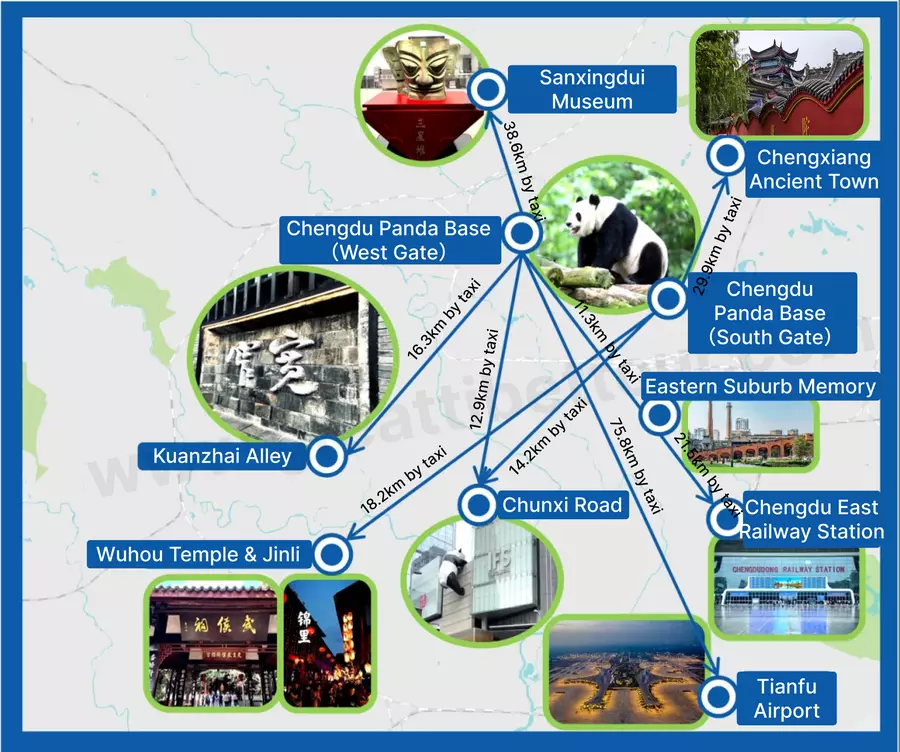
Chengdu Panda Base is located in Chenghua District, not far from the city center and is very easy to reach, even for first-time visitors. For most travelers, the following options are the most practical.
Taxi or Didi is the most convenient choice. From downtown Chengdu, the journey usually takes around 30 minutes and costs about RMB 40. Most local drivers are familiar with the name “Chengdu Panda Base.” Didi is widely used in the city, offers an English interface, and supports credit cards as well as mobile payments.
Metro travel is another convenient and budget-friendly option. Take Metro Line 3 and get off at Panda Avenue Station or nearby stations, then transfer to a shuttle bus or a short bus ride to the entrance of the base. The whole trip takes about 30 minutes and costs around RMB 8. Signage along the way is clear, with English information available.
If you are staying near popular attractions, the scenic direct bus is also worth considering. Direct buses depart from places such as Chunxi Road, Kuanzhai Alley, and Wuhou Shrine, with the earliest departures around 7:30 a.m. Tickets cost about RMB 10 and are especially suitable for visitors who prefer a straightforward transfer.
From Chengdu Shuangliu International Airport or Chengdu East Railway Station, you can reach the panda base by metro with a transfer to Line 3. The total travel time is usually about 1 to 1.5 hours. Visiting early in the morning is recommended to avoid crowds and to see the pandas at their most active.
What to See in Chengdu Panda Base?
Chengdu Panda Base offers several key areas where visitors can observe pandas, learn about conservation, and enjoy a relaxed walk through natural surroundings.
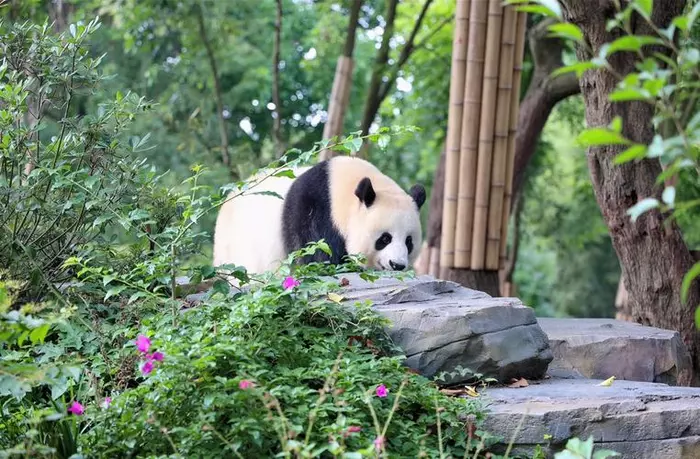
Panda Enclosures: The Main Highlight
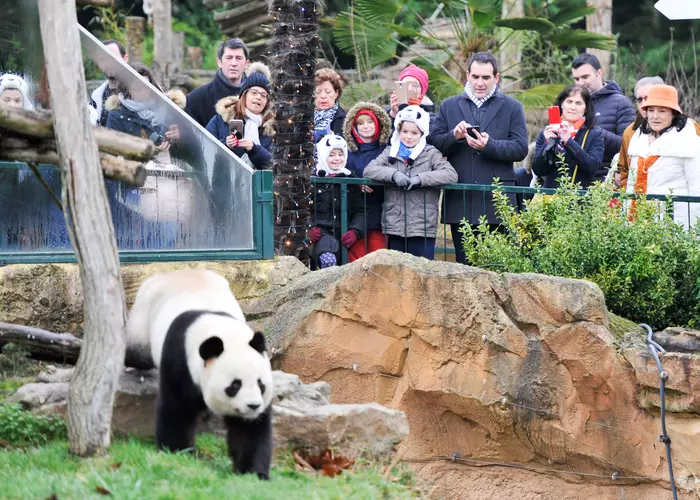
No. 1 and No. 2 Panda Enclosures are the most popular areas, where visitors can observe adult and sub-adult pandas up close as they eat bamboo, climb, and rest at a leisurely pace. You may also spot Hua Hua, one of the base’s most famous pandas. The facility focuses on research and conservation, with habitats designed to resemble the natural environment of giant pandas rather than a traditional zoo.
Panda Cubs: Star Nurseries
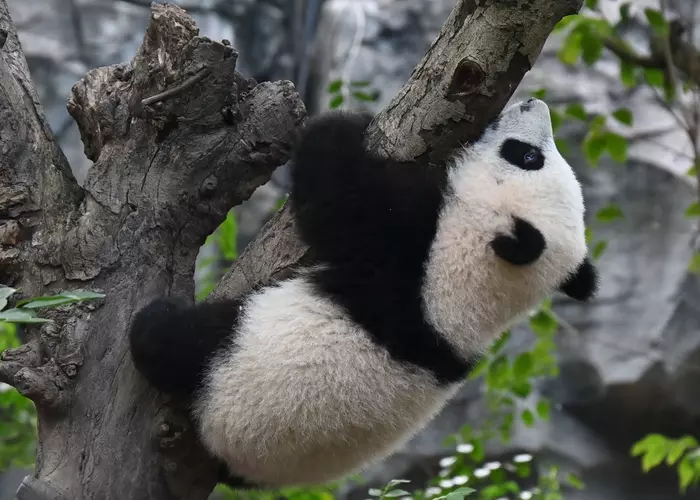
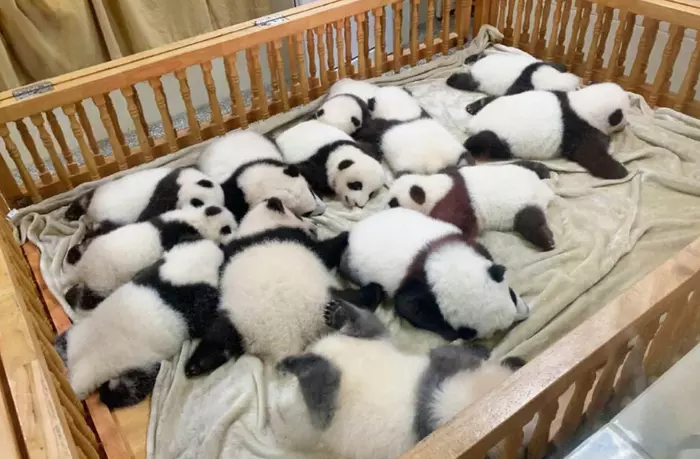
To see panda cubs, visitors can explore the Moon, Sun, and Star Nurseries. Panda cubs are usually born between July and September. For conservation reasons, newborn cubs are not displayed, but visitors may see cubs around three to four months old as they begin to crawl and explore. At the Sun Nursery, panda mothers and cubs can be viewed through glass, and visitors are asked to keep quiet. The Star Nursery, with newer facilities and a higher concentration of pandas, generally offers a better viewing experience.
Red Pandas and Other Wildlife
In addition to giant pandas, the base is also home to around 20 red pandas. Smaller and more agile than giant pandas, red pandas are known for their climbing skills and playful behavior. The red panda areas are usually less crowded, allowing for a more relaxed visit. Visitors may also spot black swans and peacocks roaming within the park.
Panda Museum: Learn About Conservation
Located near the West Gate and next to the Visitor Service Center, the Panda Museum is a small, family-friendly attraction. Through fossil displays, habitat reconstructions, and interactive exhibits, it introduces the evolution of giant pandas and ongoing conservation efforts. The visit is short and works well as a light educational stop during the tour.
Panda Tower: A Bird's-eye View
Panda Tower, also known as the Bamboo Tower, stands 69.8 meters tall with nine levels. From the top, visitors can enjoy a panoramic view of the entire panda base. There is currently no elevator, so reaching the top requires climbing stairs. The tower is free to enter but requires advance online reservation and may close during bad weather.
Recommended Visiting Routes
1. Classic South Park Route (2.5–3.5 hours)
Best for: First-time visitors and families
Highlights: Adult and sub-adult pandas, panda cubs in Sun and Moon Nurseries, red pandas
Route: South Gate → Panda enclosures → Sun & Moon Nurseries → Red Panda areas → Exit South Gate
This route covers the main attractions and provides a well-rounded experience. Ideal for those who want to see a bit of everything.
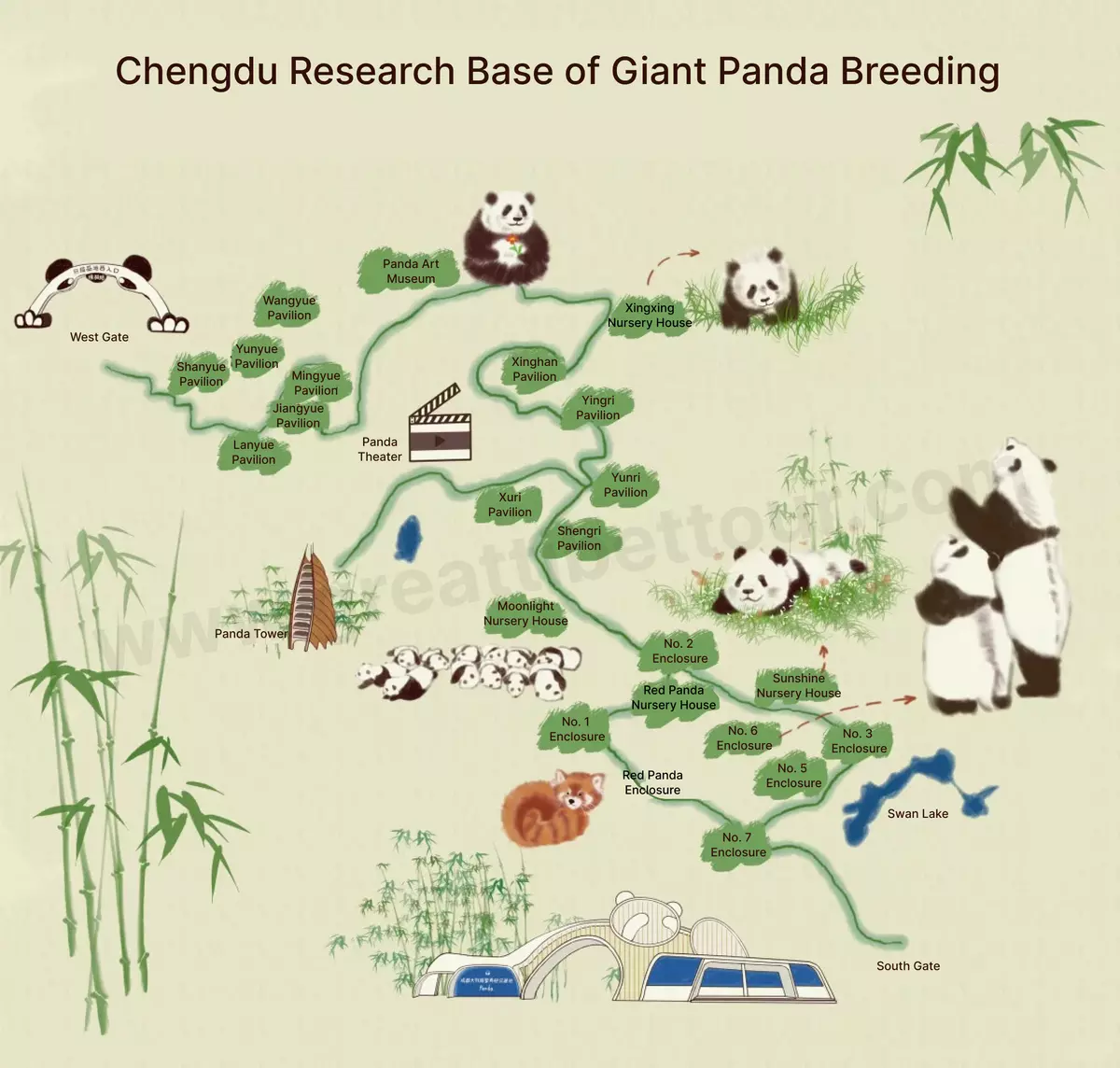
2. West Park Route (3–4 hours)
Best for: A quieter, photography-friendly experience
Highlights: Adult pandas in spacious habitats, red pandas, scenic areas, Bamboo Tower
Route: West Gate → Panda Pavilions → Bamboo Tower → Red Panda areas → Exit West Gate
Perfect for those who want to avoid crowds and enjoy nature and panda photography in a calm setting.
3. South & West Park Full-Day Route (5–6 hours)
Best for: Those who want to see everything and spend a full day at the base
Highlights: Large number of pandas, cubs, red pandas, scenic views from the Bamboo Tower
Route: West Gate → West Park → Bamboo Tower → South Park → Panda cubs areas → Exit South Gate
For visitors who want a complete panda experience, with time to catch pandas during feeding and active playtime.
Best Time to Visit Chengdu Giant Panda Base
The ideal time to visit is spring or autumn, when temperatures are cooler (10°C–20°C) and pandas are most active. Spring is the breeding season, offering a chance to see young cubs learning to eat bamboo, while autumn features three-month-old cubs playing outdoors.
Morning (7:30 AM – 9:30 AM) is the best time for panda watching, as they are most active during feeding.
Avoid summer (June–August), as it’s too hot for pandas to be outside; visit the indoor nurseries instead, especially to see newborn cubs in July and September.
Practical Travel Tips
1. Go early. Mornings are less crowded, and pandas are more active. Try to avoid holidays and peak summer/winter vacation periods.
2. During hot summer days, pandas at the Chengdu Panda Base move indoors to stay cool. In the afternoon, you may only see them resting in air-conditioned rooms.
3. March to September is the baby panda season. In summer, you may have a chance to see newborn cubs in the Sunshine or Moonlight Nursery (queues may apply).
4. Do not use flash photography. Pandas, especially cubs, are sensitive to bright light, and flash may harm their eyes.
5. Do not feed the pandas or pick plants. Panda food is provided in measured amounts by the keepers.
6. The park's“Panda Street” has restaurants, cafés, snacks, and souvenir shops—a good place to rest and recharge.
7. In addition to the Panda Base, you can easily combine your trip with visits to Kuanzhai Alley, Jinli, Wuhou Temple, Du Fu Thatched Cottage, and Chunxi Road/Taikoo Li. You can also relax at People’s Park or explore Sanxingdui to experience the ancient Shu civilization.
8. There are five well-known panda bases in the Chengdu area. Shenshuping, Dujiangyan Panda Park, and Bifengxia offer panda volunteer programs. If you want to learn more about panda care, we can help arrange volunteer experiences, private guides, and vehicle services.
Email response within 0.5~24 hours.