
Mount Siguniang
- Eric
- Last Updated : 08/18/2026
Mount Siguniang (Four Sisters Mountain) is one of the most spectacular alpine destinations in western Sichuan. Located in Aba Tibetan and Qiang Autonomous Prefecture, it is famous for its four snow-covered peaks, pristine valleys, and diverse trekking routes. The area is part of the UNESCO World Heritage-listed Sichuan Giant Panda Sanctuaries, recognized for its exceptional natural landscapes and biodiversity.
Recognized as a national 5A-level tourist attraction in China, the Mount Siguniang area features four magnificent peaks and three major valleys — Shuangqiao Valley, Changping Valley, and Haizi Valley. Together, they offer a wide range of experiences, from scenic sightseeing and easy walks to alpine trekking and mountaineering.
Content Preview
Why Visit Mount Siguniang?
Often referred to as the “Alps of the East,” it is one of China’s most beautiful mountain areas and offers a wide range of experiences, from easy sightseeing walks to challenging high-altitude trekking and mountaineering.
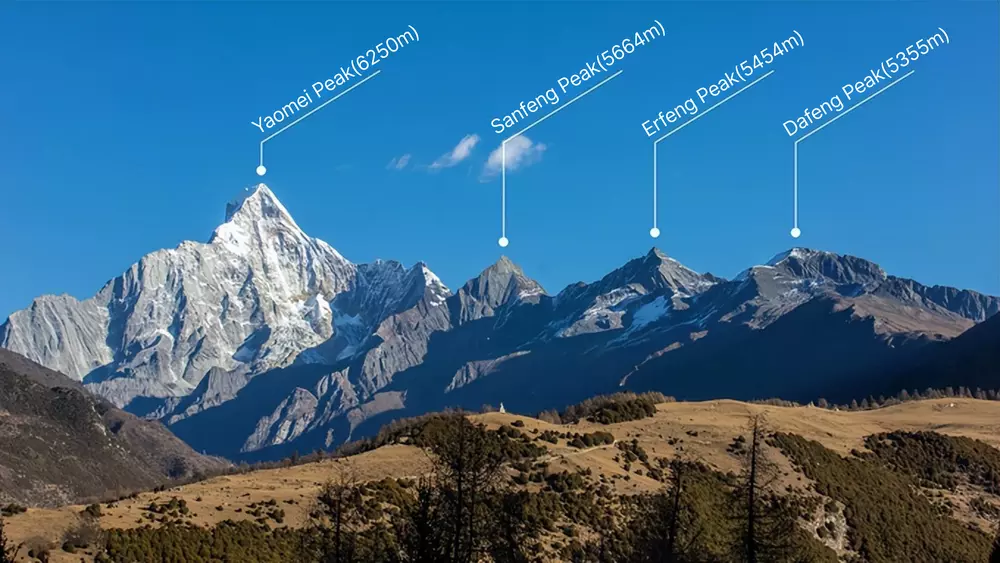
The mountain range is named after its four magnificent peaks standing side by side above the surrounding valleys. Among them, Yaomei Peak (6,250 meters) is the highest and the most iconic summit of Mount Siguniang, known as the “Queen of Sichuan Mountains." Its sharp ridgelines, glaciers, and snow-covered slopes create a dramatic alpine landscape that attracts mountaineers, hikers, and outdoor enthusiasts from around the world.
For travelers who simply want to enjoy the scenery, Mount Siguniang offers beautiful valleys surrounded by forests, rivers, alpine meadows, and mountain lakes. On clear mornings, sunlight illuminating the snow peaks creates the unforgettable “golden mountain” scene, while reflections of the mountains in alpine lakes provide some of the most beautiful views in western Sichuan.
Trekking Routes
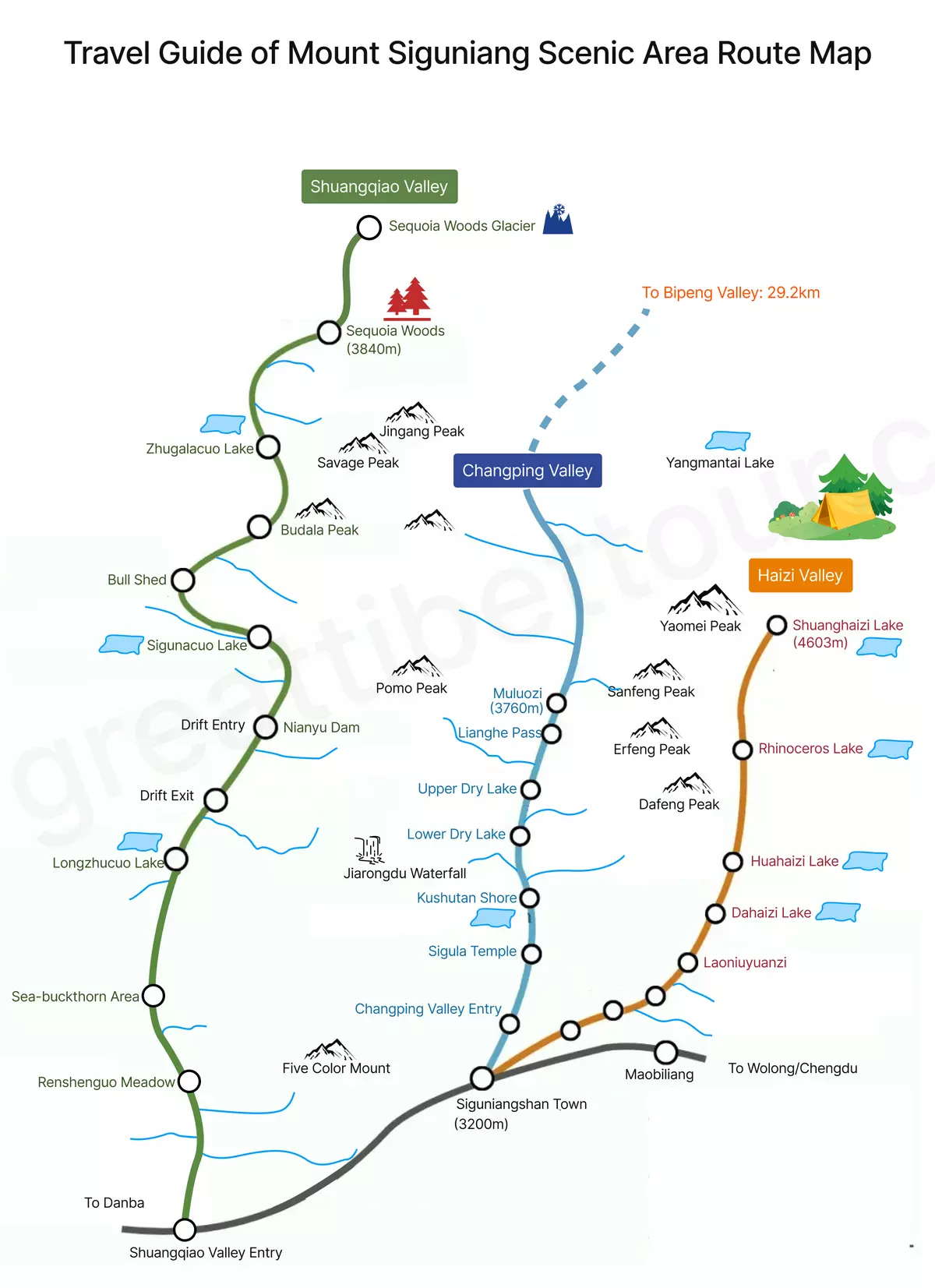
Mount Siguniang is one of the most popular trekking destinations in western Sichuan, offering routes for different levels of outdoor experience. From easy valley walks to challenging multi-day treks and 5,000-meter summit climbs, Mount Siguniang offers outdoor experiences for travelers of different abilities and interests.
The area is mainly composed of three major valleys — Shuangqiao Valley, Changping Valley, and Haizi Valley — each offering a different way to experience the mountains. Shuangqiao Valley is located separately from the other two valleys, while Changping Valley and Haizi Valley are located close to each other near Mount Siguniang Town.
Shuangqiao Valley: The Best Choice for First-Time Visitors
Shuangqiao Valley is the most accessible and visitor-friendly area of Mount Siguniang. With sightseeing buses and well-maintained paths, it is suitable for travelers who want to enjoy the mountain scenery without undertaking demanding hikes.
Trekking time: Half day to one day
The valley features a combination of snow peaks, forests, alpine meadows, rivers, and lakes, making it a favorite choice for first-time visitors, families, and photography enthusiasts.
Changping Valley: A Classic Alpine Trekking Route
Changping Valley is considered one of the most iconic trekking routes in Mount Siguniang. Compared with Shuangqiao Valley, it offers a more immersive outdoor experience with forests, alpine grasslands, and closer views of the surrounding peaks.
Trekking time: Around one day (longer options available)
Starting near Lama Temple, the route passes through scenic areas such as Kurgan Beach and Muluozi, where hikers can enjoy beautiful views of Yaomei Peak and the surrounding mountains.
It is ideal for travelers who want to experience the natural beauty of western Sichuan on foot.
Changping Valley–Bipeng Valley Trek: A Multi-Day Adventure
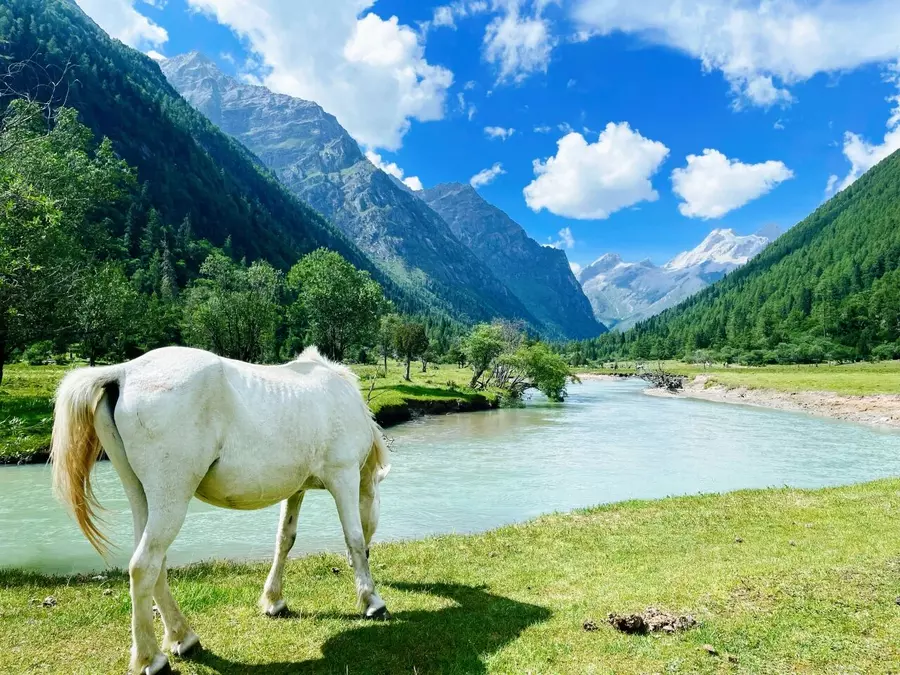
The Changping Valley–Bipeng Valley crossing is one of the classic multi-day trekking routes in western Sichuan. The trail passes through forests, alpine meadows, mountain passes, and spectacular Himalayan landscapes.
Trekking time: Around 3 days
With a total distance of about 35 kilometers and sections above 4,000 meters, this trek requires good fitness, proper equipment, and preparation. It is best suited for experienced hikers looking for a more challenging adventure.
Haizi Valley: A More Challenging High-Altitude Trek
Haizi Valley offers a more remote and adventurous trekking experience. Known for its open alpine landscapes, high-altitude lakes, and impressive mountain views, it attracts experienced hikers seeking a deeper connection with nature.
Trekking time: One day or longer
Popular viewpoints include Guozhuangping, Dahaizi Lake, and Huahaizi Lake. Due to longer distances and higher elevations, this route requires better physical preparation and is recommended for travelers with previous trekking experience.
Dafeng Summit Climb: A 5,000-Meter Mountain Experience
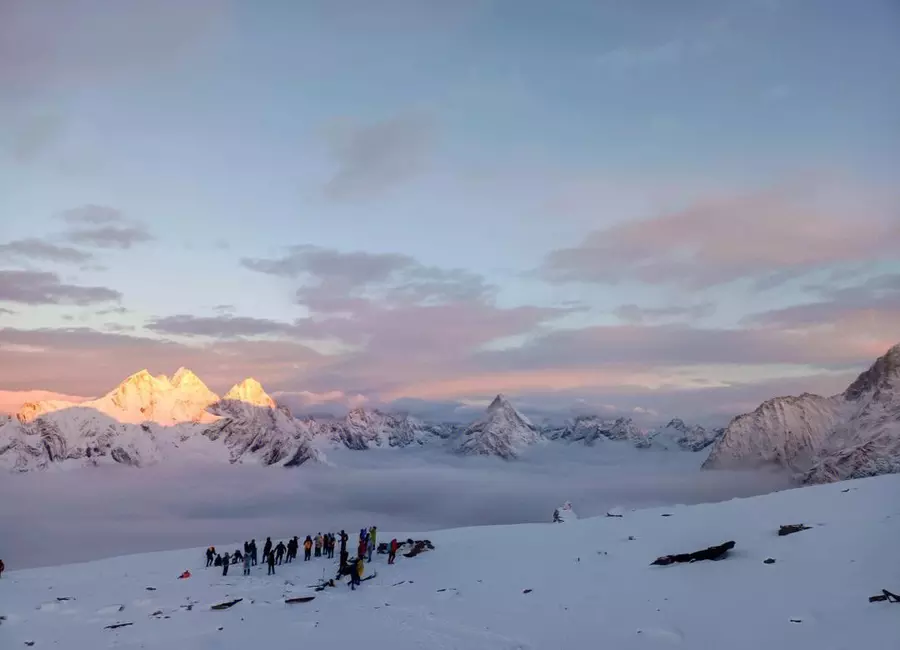
Beyond trekking, Mount Siguniang is also a famous mountaineering destination. Dafeng Peak (5,025 meters) is the most accessible of the four peaks and is considered one of the easier 5,000-meter summits in China.
Although technically less difficult than higher peaks such as Yaomei Peak, climbing Dafeng still requires high-altitude adaptation, proper preparation, and professional guidance.
Best Time to Visit Mount Siguniang
Mount Siguniang offers different experiences throughout the year. For most travelers, May to June and September to November are the best periods to visit Mount Siguniang, offering the best combination of clear skies, colorful forests, and comfortable trekking conditions. However, each season provides a different experience, from spring wildflowers to winter snow landscapes.
Spring (May to June): Wildflowers and Fresh Green Valleys
In spring, Mount Siguniang gradually awakens after the quiet winter months. As temperatures rise, forests begin to turn green, and alpine meadows are decorated with blooming wildflowers.
With fewer visitors and generally comfortable weather conditions, this season is ideal for travelers seeking a peaceful experience, photography opportunities, and easy hiking.
Summer (July to August): Green Landscapes and Trekking Season
Summer is the season when Mount Siguniang’s vegetation is at its most vibrant. The forests, meadows, and streams display their richest colors, while alpine pastures become full of life.
Due to its high elevation, Mount Siguniang enjoys relatively cool temperatures in summer, making it a popular destination for escaping the heat and enjoying trekking activities.
However, July and August are also part of the rainy season in western Sichuan. Afternoon showers are common, and clouds or mist may sometimes affect views of the snow peaks. Travelers planning to photograph the mountains are advised to allow some flexibility in their itinerary and keep an eye on weather conditions.
Autumn (September to November): The Best Season for Photography
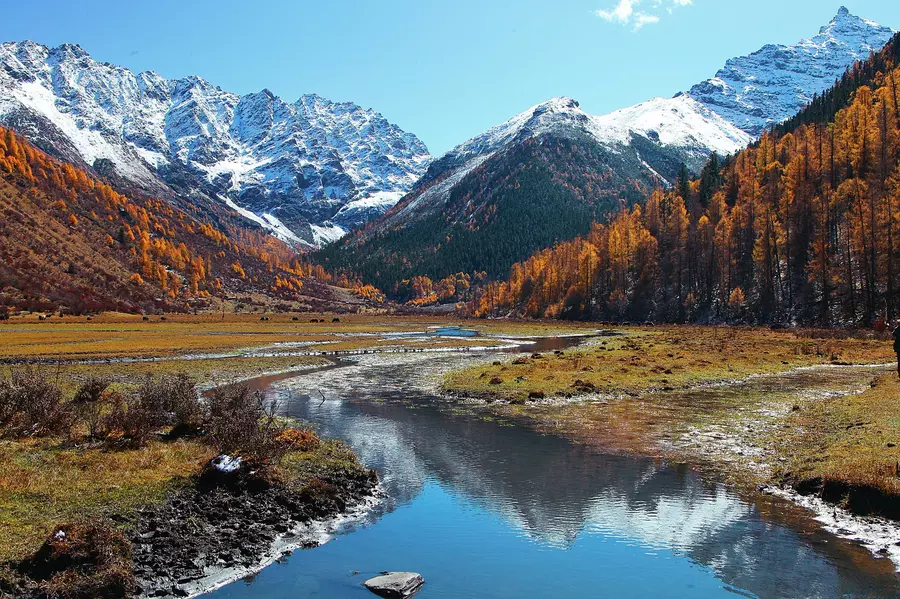
Autumn is widely regarded as one of the most beautiful seasons to visit Mount Siguniang.
From September onward, the forests gradually turn golden and red, creating a stunning contrast with the snow-covered peaks, blue skies, and clear alpine lakes. The combination forms one of the most iconic autumn landscapes in western Sichuan.
October is particularly popular among photographers and hikers, offering excellent opportunities to admire colorful forests, snow mountains, and their reflections in alpine lakes.
Winter (December to April): Snow-covered Mountains and Quiet Trails
During winter, Mount Siguniang is covered in snow, revealing a more pristine and dramatic alpine landscape.
With fewer visitors, travelers can enjoy a quieter atmosphere and, on clear days, some of the clearest views of the snow peaks. However, colder temperatures and snow conditions may affect some trekking routes, making this season more suitable for experienced outdoor enthusiasts or travelers seeking a winter mountain experience.
How to Get to Mount Siguniang?
Mount Siguniang is located in Xiaojin County, Aba Tibetan and Qiang Autonomous Prefecture, Sichuan Province, about 220 kilometers northwest of Chengdu. Thanks to its relatively convenient access from Chengdu, it has become one of the most popular mountain destinations in western Sichuan.
Traveling to Mount Siguniang by Private Car
For international travelers, arranging a private car with a local driver is one of the most convenient ways to reach Mount Siguniang. The journey from Chengdu follows the scenic route:

Chengdu → Dujiangyan → Wolong → Mount Siguniang
Covering around 220 kilometers, the drive usually takes 4–6 hours depending on road conditions, weather, and stops along the way. Traveling by private car allows more flexibility to enjoy scenic viewpoints and combine Mount Siguniang with other destinations in western Sichuan.
Taking Public Transportation
Buses from Chengdu Chadianzi Bus Station operate to Xiaojin County and can stop at Mount Siguniang Town along the way. The journey usually takes around 8–9 hours. There are generally 2–3 buses per day, but schedules may change depending on the season and local conditions. While public buses are more affordable, they offer less flexibility and are better suited for travelers with sufficient time for planning.
Joining a Western Sichuan Tour
Many international travelers visit Mount Siguniang as part of a wider Western Sichuan itinerary. A typical route may combine Mount Siguniang with other highlights such as Danba, Gongga Mountain, and Daocheng Yading.
Joining an organized Western Sichuan tour is a convenient option for overseas visitors, as transportation, accommodation, and daily arrangements are usually organized in advance. It also allows travelers to explore the region’s snow mountains, alpine valleys, Tibetan villages, and natural landscapes more efficiently.
Travel Tips for Visiting Mount Siguniang
1. Prepare for the High Altitude
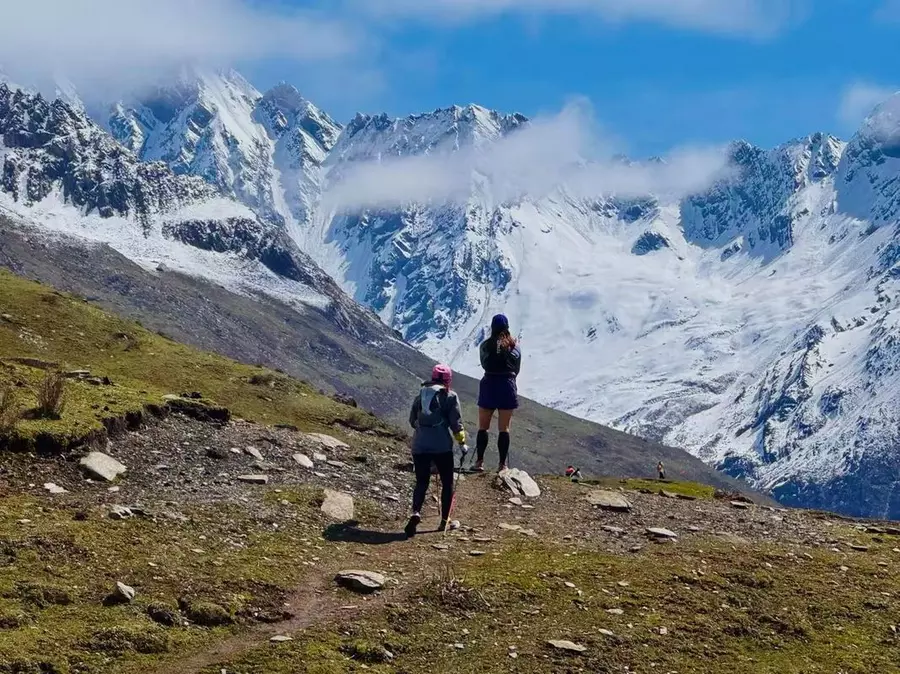
Mount Siguniang is located in a high-altitude mountain area, and visitors should be aware of the elevation before traveling.
Mount Siguniang Town is located at around 3,200 meters, while some trekking routes reach much higher elevations. For example, popular hiking areas such as Changping Valley and Haizi Valley involve sections above 3,500 meters, and some mountain passes along trekking routes exceed 4,000 meters.
Although most visitors do not experience serious altitude sickness, it is recommended to allow time for acclimatization, avoid strenuous activity immediately after arrival, and stay hydrated.
2. Best Viewpoint: Maobiliang (Cat Nose Ridge)
For travelers who want to enjoy the panoramic view of Mount Siguniang without undertaking a long trek, Maobiliang (Cat Nose Ridge) is one of the best viewpoints in the area.
Located on a hillside about 7 kilometers from Mount Siguniang Town, Maobiliang offers a spectacular panoramic view of the four snow-covered peaks. It is especially popular at sunrise and sunset when the golden sunlight illuminates the mountain peaks.
3. How Many Days Do You Need?
Most travelers recommend spending 2–3 days at Mount Siguniang to experience its main valleys and mountain landscapes.
With limited time, Shuangqiao Valley is the best choice for a one-day visit, while 2–3 days allow travelers to explore all three valleys. More challenging treks and peak climbs require additional time and preparation.
4. Weather and What to Pack
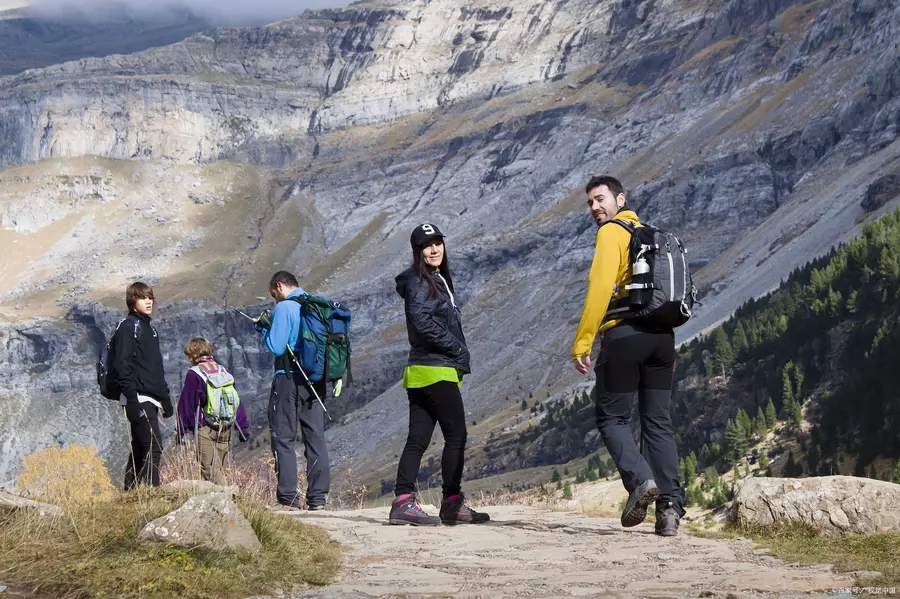
Mountain weather in Mount Siguniang can change quickly, even during summer.
Travelers should prepare:
- Warm layers, even in summer;
- Waterproof jacket and comfortable hiking shoes;
- Sun protection such as sunglasses, sunscreen, and a hat;
- Trekking poles for longer hiking routes.
5. Entrance Fees and Costs
Mount Siguniang has separate entrance fees for its three main valleys: Shuangqiao Valley, Changping Valley, and Haizi Valley. Ticket prices vary by season, with higher rates generally applying during the peak season from April to November.
Visitors should also note that some areas require additional transportation fees, such as sightseeing buses in Shuangqiao Valley and Changping Valley.
For reference, entrance tickets are usually around RMB 40–80 per person, while sightseeing bus tickets range from approximately RMB 20–70 per person, depending on the valley and season
| Valley | Entrance Fee | Sightseeing Bus | Total Cost (Peak Season) |
|---|---|---|---|
| Shuangqiao Valley | RMB 80/person | RMB 70/person | RMB 150/person |
| Changping Valley | RMB 70/person | RMB 20/person | RMB 90/person |
| Haizi Valley | RMB 60/person | Not available | RMB 60/person |
6. Do I Need a Guide in Mount Siguniang?
Mount Siguniang can be visited independently, unlike Tibet, where foreign travelers need permits and must travel with an authorized guide.
For general sightseeing and easy walks in Shuangqiao Valley, a guide is usually not necessary. However, for challenging trekking routes such as Haizi Valley, the Changping Valley–Bipeng Valley crossing, or mountain climbing, hiring a local guide is recommended for safety and route knowledge.
7. Where to Stay in Mount Siguniang?
Most travelers stay in Mount Siguniang Town, which offers a variety of guesthouses, hotels, and restaurants.
During peak seasons, especially summer holidays and the autumn travel season, accommodation can become limited. Booking in advance is recommended, especially for travelers planning multi-day treks.
Email response within 0.5~24 hours.