Great Tibet Tour Logo GREAT TIBET TOUR ®
  • +86 18583346229
  • Contact Us
  • About Us

India Tours

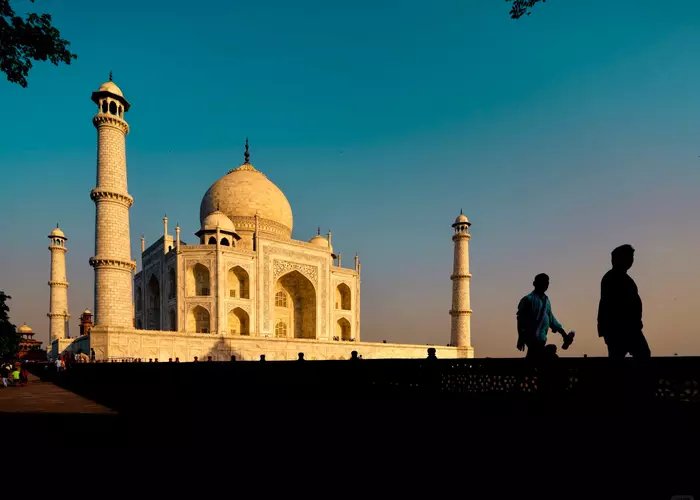
India is a land of rich cultural heritage and diverse landscapes. From the world-famous Taj Mahal and historic palaces and temples to bustling markets and long-standing religious traditions, the country offers a fascinating variety of experiences. From the Himalayas in the north to the tropical coasts in the south, India invites you to discover its many different landscapes, cultures, and ways of life.

Explore Delhi’s Mughal heritage and colonial-era architecture, visit the iconic Taj Mahal in Agra, and discover the historic palaces and forts of Rajasthan’s cities, such as Jaipur and Udaipur.

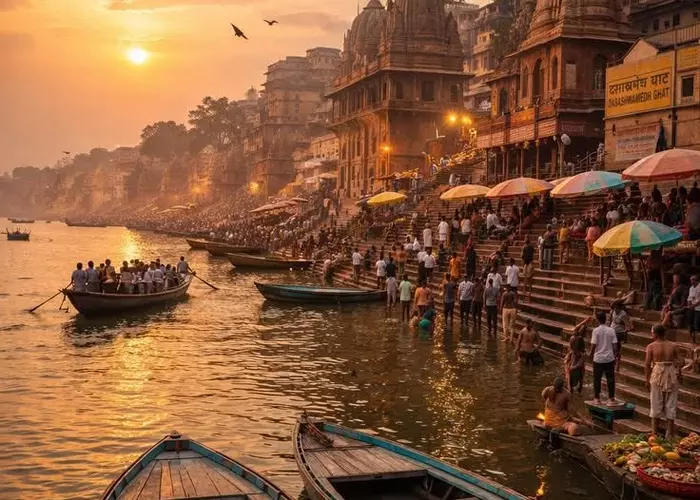
Follow the Ganges to Varanasi, where the sacred river is closely woven into everyday life. Visit ancient temples and learn about India’s diverse religious traditions and cultural customs.

If you prefer nature and relaxation, cruise through the tranquil backwaters of Kerala, unwind on the beaches of Goa, explore wildlife reserves, or venture into the Himalayas to enjoy India’s spectacular mountain scenery.

Great Tibet Tour offers a range of India tours covering classic attractions, cultural experiences, and natural landscapes. Choose a classic Golden Triangle tour, explore the culture of Varanasi, or combine India with Nepal and Tibet for a journey across regions. We can also help plan an itinerary based on your interests, travel dates, and budget.

Explore India, experience its ancient civilization and diverse cultures, and begin a journey to remember.

Popular India Tour Packages

Frequently Asked Questions

Do I Need a Visa to Visit India?

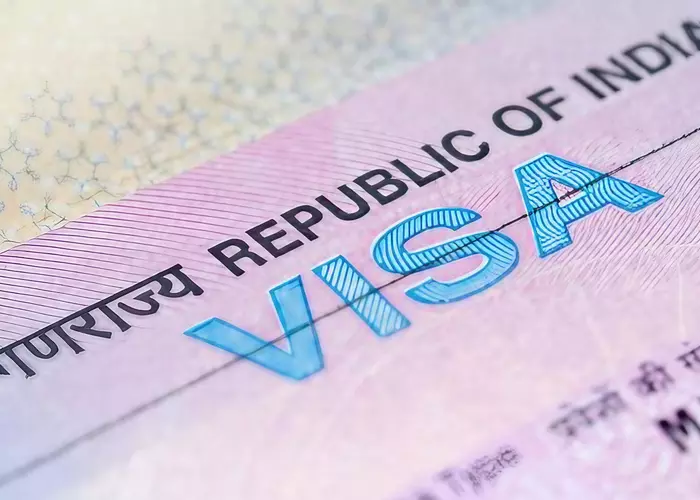
Most foreign travelers need a valid visa to enter India, except citizens of Nepal and Bhutan. Eligible travelers from many countries can apply for an e-Tourist Visa online through the official Indian visa website. Nationals of Japan, South Korea, and certain UAE nationals may also be eligible for a Visa on Arrival at designated airports, subject to specific conditions.

Your passport generally needs to be valid for at least six months from the date of arrival, with sufficient blank pages for immigration formalities. Travelers arriving from certain yellow-fever-risk countries may also need to provide a valid yellow fever vaccination certificate.

Visa requirements can vary by nationality and may change, so we recommend checking the latest requirements with the official Indian visa authorities before your trip.

India is a vast country with diverse climates, so the best time to visit depends on your destination and travel plans.

For first-time visitors exploring India's classic northern destinations, such as Delhi, Agra, and Rajasthan, October to March is generally the most comfortable period. The weather is cooler and drier, making it suitable for sightseeing and exploring historical sites.

April to June can be very hot in much of northern India, but this period can be suitable for wildlife trips, when animals are often easier to spot around water sources. During the summer and monsoon months, India's hill stations, such as Shimla, Darjeeling, Ooty, and Munnar, can offer cooler temperatures and greener landscapes, although rainfall varies by destination.

In southern India, including Kerala and Tamil Nadu, the climate is generally warmer, and the best travel period varies by state and activity. For many travelers, the cooler months from November to April are a popular time to visit.

In short, there is no single best time to visit all of India. Choose your travel season based on the regions and experiences you want to include.

India is a vast country, so the ideal trip length depends on the regions you want to visit and your preferred travel pace.

For first-time visitors who want to experience classic North India, 7–8 days is enough for a Golden Triangle tour covering Delhi, Agra, and Jaipur.

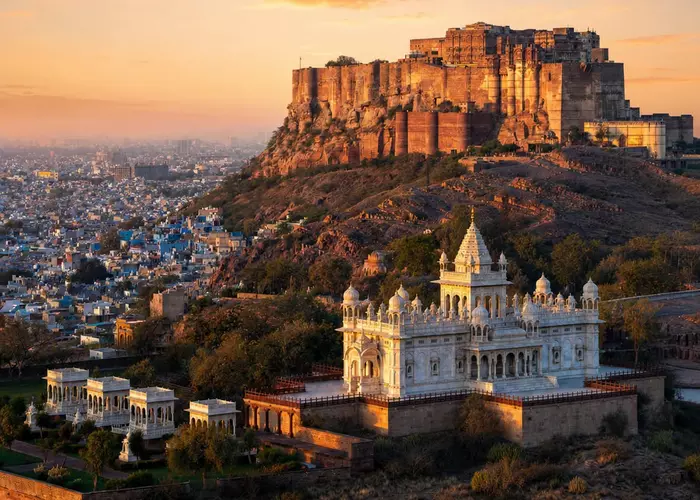
With 10–14 days, you can extend the Golden Triangle with destinations such as Varanasi, Udaipur, Jodhpur, or Mumbai, creating a more varied itinerary.

For a deeper experience of India, 2–3 weeks or longer allows you to explore one or two regions at a more relaxed pace or combine several destinations.

Delhi
India’s capital, where historic landmarks and modern city life come together. Highlights include the Red Fort, India Gate, Humayun’s Tomb, and Jama Masjid.

Agra
Best known for the Taj Mahal, Agra also offers the Agra Fort and Fatehpur Sikri.

Jaipur
Known as the Pink City, Jaipur is famous for Amber Fort, the City Palace, and Hawa Mahal.

Varanasi
One of India’s important religious and cultural cities. Watch the sunrise along the Ganges, take a boat ride past the ghats, and experience local religious traditions.

Rajasthan
For forts, palaces, desert landscapes, and traditional culture, Rajasthan is ideal for a deeper journey.

Kerala
Known for tropical landscapes, backwaters, beaches, tea plantations, and Ayurvedic traditions.

Ladakh
A distinctive destination for travelers interested in mountains, hiking, high-altitude landscapes, and Tibetan Buddhist culture.

India is a vast country, so long-distance travel usually involves flights, trains, or buses, while ferries are available in some areas. For multi-city trips, private vehicles can also be combined with other forms of transport, depending on your itinerary and travel time.

Flights
If you have limited time, domestic flights are one of the most convenient ways to travel between distant cities. Major cities and tourist destinations such as Delhi, Mumbai, Jaipur, Varanasi, Kochi, and Goa have airports with domestic connections.

Trains
India has an extensive railway network, making trains an important way to travel between many cities and experience local life. On popular tourist routes, you can consider taking trains between Delhi, Agra, Jaipur, and Varanasi. Tickets on popular routes usually need to be booked in advance.

Buses
Buses are a common option for long-distance travel where railway coverage is limited or trains are less convenient. They are particularly useful in mountainous areas and places without direct rail connections.

Private Vehicles
For multi-city trips, especially for first-time international visitors to India, a private vehicle with a driver can reduce transfers and make it easier to follow your itinerary.

For this reason, many tailor-made tours combine flights, trains, and private vehicles depending on the route.

Within cities, you can use official taxis or ride-hailing services such as Uber and Ola.

Respect Local Culture
India has diverse religious and cultural traditions. When visiting temples, mosques, and other religious sites, follow local rules. Some places require visitors to remove their shoes or dress modestly.

Food and Drinking Water
First-time visitors should pay attention to food and drinking water hygiene. Bottled or safely treated drinking water is recommended.

Protect Your Belongings
Keep your passport, cash, phone, and other valuables secure, especially at busy railway stations, markets, tourist sites, and on public transport.

Pack Suitable Clothing
India has significant regional and seasonal climate differences. Pack according to your destinations and the time of year. If your itinerary includes religious sites, bring clothing that covers your shoulders and knees when required.

Allow Extra Travel Time
Traffic can be heavy in some Indian cities, so allow enough time for airport transfers, trains, and domestic flights.

Check Requirements for Special Areas
Some border areas, protected areas, and restricted regions may require additional permits. Check the latest requirements before traveling.

Indian cuisine is known for its rich spices, flavorful curries, and wide variety of vegetarian and meat dishes. Common staples include chapati, naan, and basmati rice.

North Indian cuisine often features creamy, rich curries, while South Indian cuisine tends to use more coconut and has a wider range of tangy and spicy flavors. Vegetarian options are widely available, and food varies greatly from region to region.

Travelers with sensitive stomachs may want to choose street food carefully and opt for freshly cooked food from reputable restaurants.

India offers a wide range of accommodation, from international five-star hotels and heritage properties to mid-range hotels, guesthouses, hostels, and resorts. During peak travel seasons, popular hotels can fill up quickly, so booking in advance is recommended.

Guesthouses
A budget-friendly option available in many parts of India, suitable for travelers looking for simple and affordable accommodation.

Mid-range Hotels
A good choice for travelers who want a balance of comfort and price.

Luxury Hotels
India has many international hotel brands and local luxury properties, offering higher standards of accommodation and service.

Heritage Hotels
One of India’s distinctive accommodation experiences. In Rajasthan especially, historic palaces, forts, and traditional buildings have been converted into hotels, allowing guests to stay in properties with a strong connection to the region’s history.

Resorts
In destinations such as Kerala, Goa, Rajasthan, and the Himalayan regions, travelers can also find resorts, nature retreats, and other distinctive accommodation options.

Contact Us

Send us a message and get a response within 0.5 ~ 24 hours. Your personal info will be kept confidential.