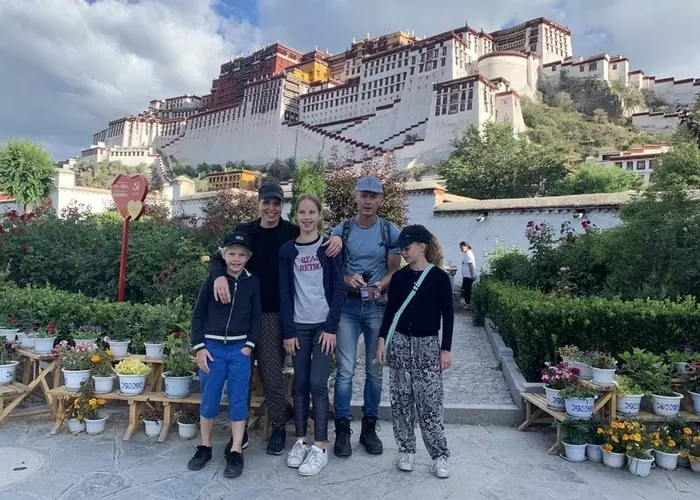
Location : 35 Beijing Middle Rd, Chengguan District, Lhasa; or 2km west of Jokhang Temple.
Altitude : 3,700 m (12,139 ft)
Built By : Songtsen Gampo in 637 AD; 5th Dalai Lama in the 17 century
Type : World Heritage Site, Architectural Buildings, Castles, Religious Sites.
History : More than 1,300 years
Best Season to Visit : Summer / Autumn
Opening Hours : May–October: 09:00–15:40; November–April: 09:30–15:20. Closed on Mondays (except national holidays).
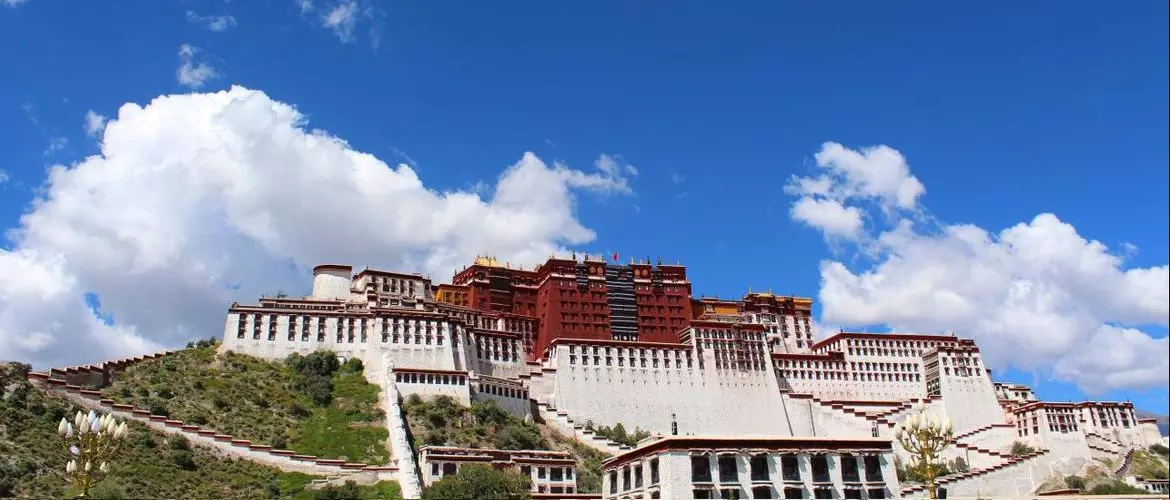
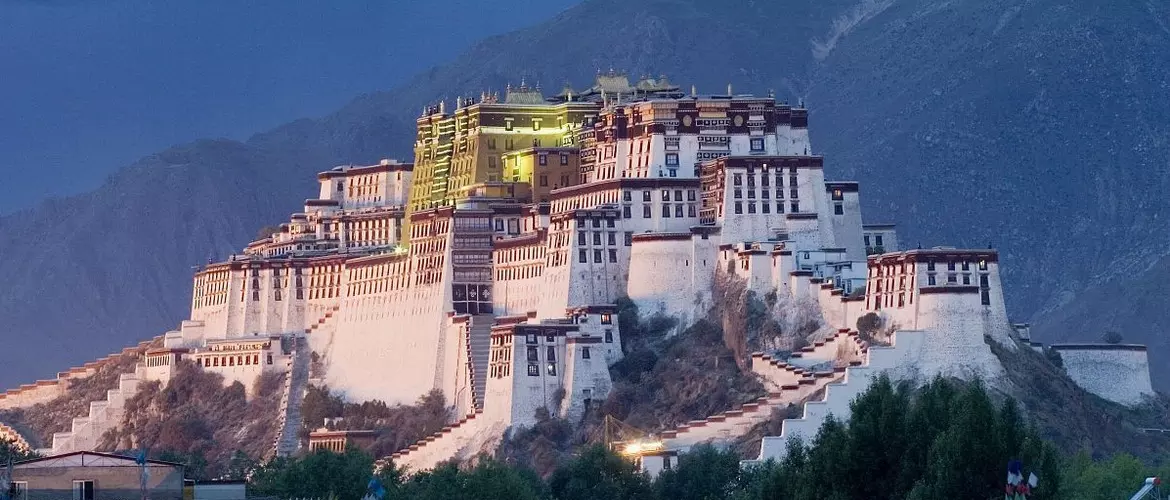
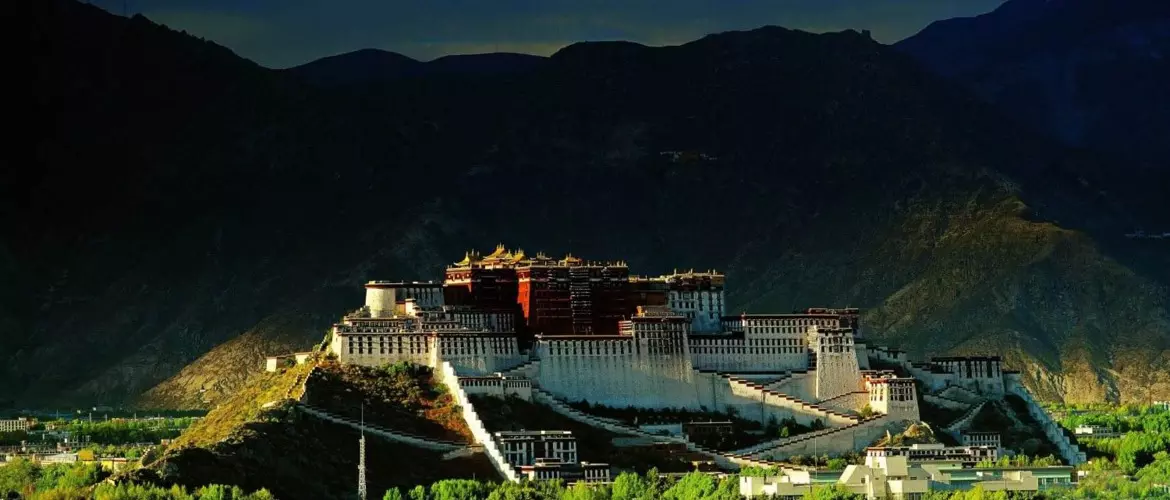
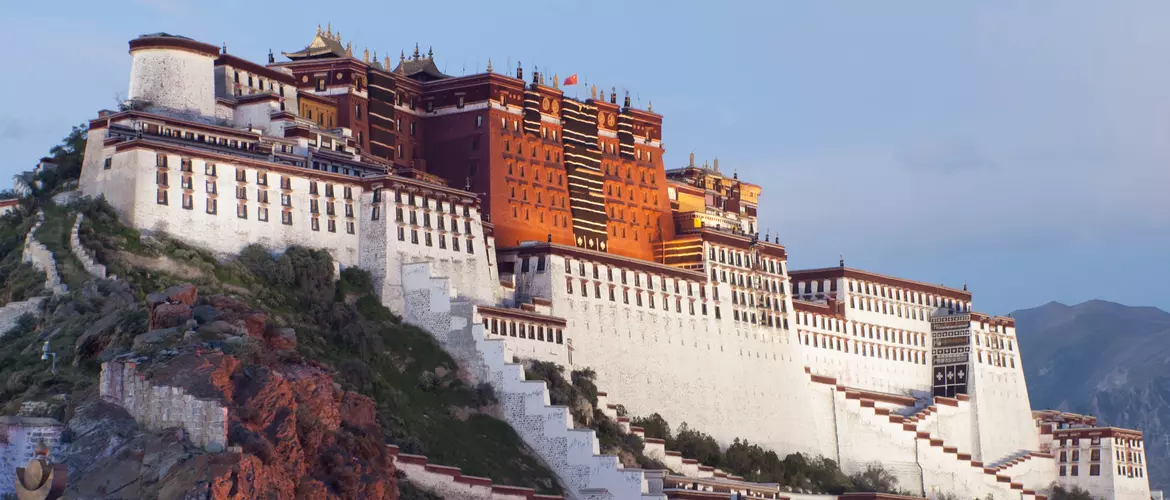
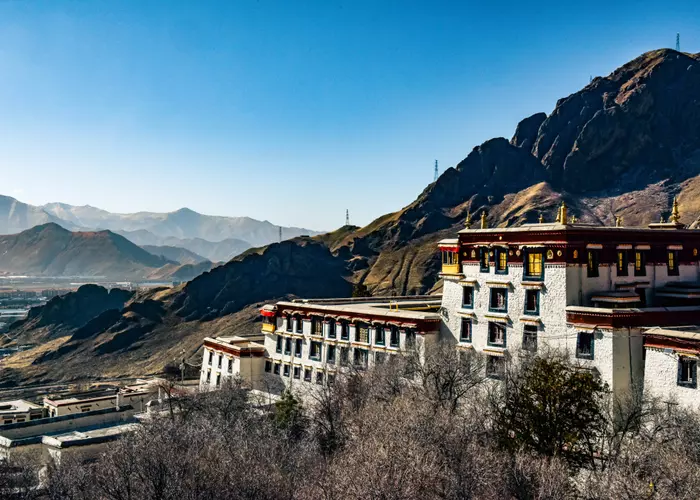
Standing majestically above the city of Lhasa, Potala Palace is Tibet's most iconic landmark. Designated a UNESCO World Heritage Site in 1994, it is renowned for its magnificent Tibetan architecture, priceless Buddhist treasures, and rich cultural heritage. Perched on Red Hill in the heart of Lhasa, the palace rises to an elevation of 3,700 meters (12,139 feet), making it the world's highest ancient palace. Today, it remains one of Tibet's most sacred sites, attracting thousands of pilgrims and visitors each year who come to admire its remarkable history, architecture, and spiritual significance.
Watch the video below to discover the magnificent Potala Palace, from its impressive Tibetan architecture to its sacred halls and breathtaking views over Lhasa.
The History of Potala Palace
The history of Potala Palace dates back to the 7th century, when the Tibetan king Songtsen Gampo built the first palace on Red Hill after marrying Princess Wencheng of the Tang Dynasty. According to historical records, the original palace had nine stories and more than 1,000 rooms, serving as both a royal residence and an important political center.
The name "Potala" is believed to come from Mount Potalaka in southern India, the legendary abode of Avalokiteshvara (the Bodhisattva of Compassion). As Tibetan Buddhists regard Songtsen Gampo as an incarnation of Avalokiteshvara, the palace was given this sacred name.
Most of the original palace was destroyed during the decline of the Tibetan Empire in the 9th century. The magnificent palace visitors see today was largely rebuilt in the 17th century under the Fifth Dalai Lama, becoming the political, religious, and cultural center of Tibet. Over the following centuries, additional halls, chapels, and stupas were added, creating the architectural masterpiece that now dominates the skyline of Lhasa.
Today, Potala Palace stands not only as the symbol of Tibet but also as one of the world's greatest examples of Tibetan architecture and a treasured UNESCO World Heritage Site.
What to See at Potala Palace
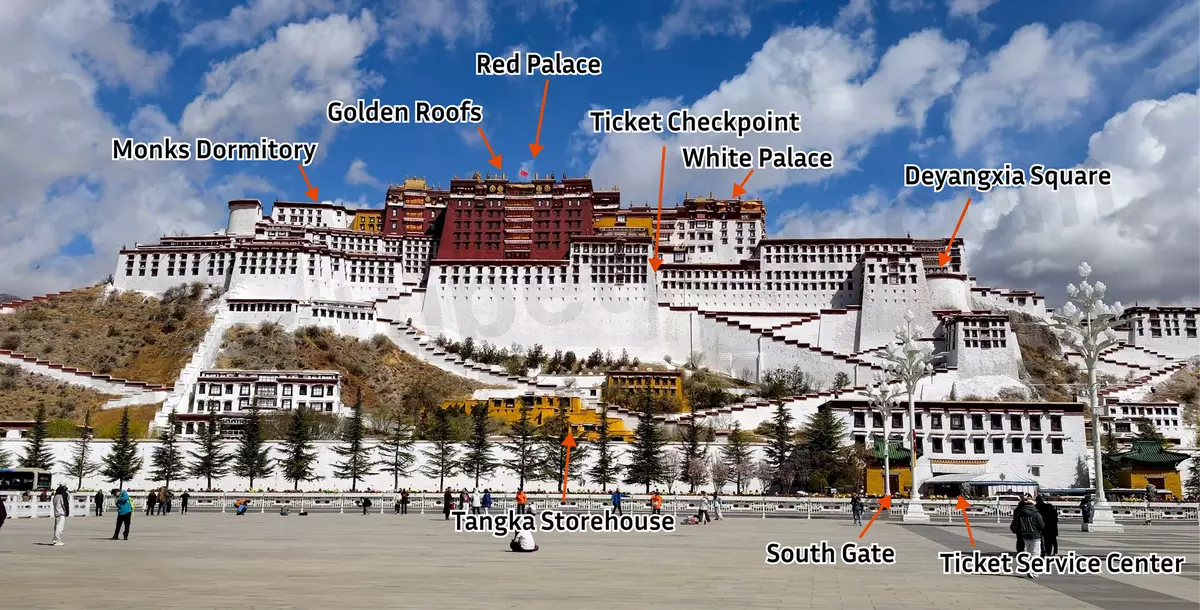
Potala Palace consists of two main sections—the White Palace and the Red Palace—with more than 1,000 rooms, chapels, assembly halls, libraries, and sacred stupas. While only part of the palace is open to visitors, every hall offers a fascinating glimpse into Tibet's history, religion, and architecture.
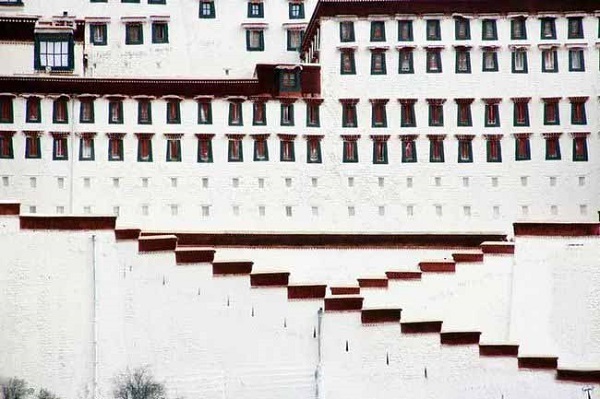
The White Palace, a wing of Potala Palace
The White Palace (Potrang Karpo) served as the administrative center of Tibet's local government and the residence of successive Dalai Lamas. Painted white to symbolize peace, it contains audience halls, government offices, chapels, and the private living quarters of the Dalai Lamas.
One of its highlights is the Great East Hall, the largest ceremonial hall in the White Palace, where major political events and important religious ceremonies were once held. On the upper floors, visitors can also see the East and West Chambers of Sunshine, the former living quarters of the 13th and 14th Dalai Lamas, offering a glimpse into their daily life.
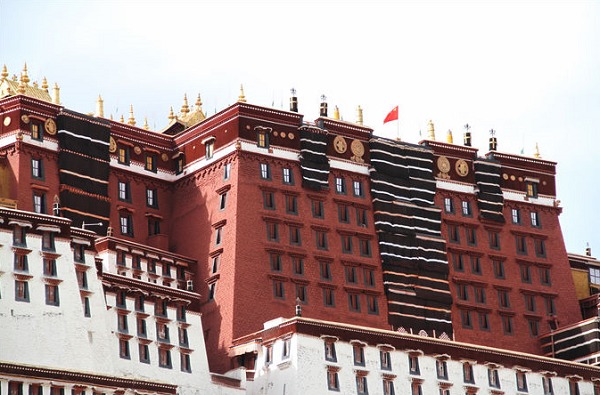
The Red Palace, the Spiritual Heart of Potala Palace
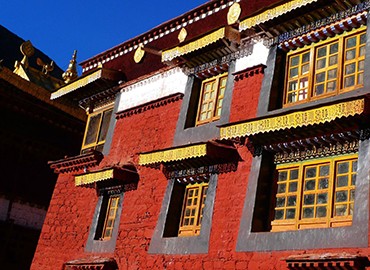
The Red Palace is the spiritual heart of Potala Palace and its most sacred section. Painted red to symbolize dignity and religious authority, it was dedicated to Buddhist study, prayer, and important religious ceremonies.
Inside, visitors will find a series of chapels, assembly halls, libraries, and prayer rooms connected by narrow corridors and winding staircases. The Great West Hall, the largest hall in the palace, is renowned for its grand interior and exquisite decoration, making it one of the highlights of any visit.
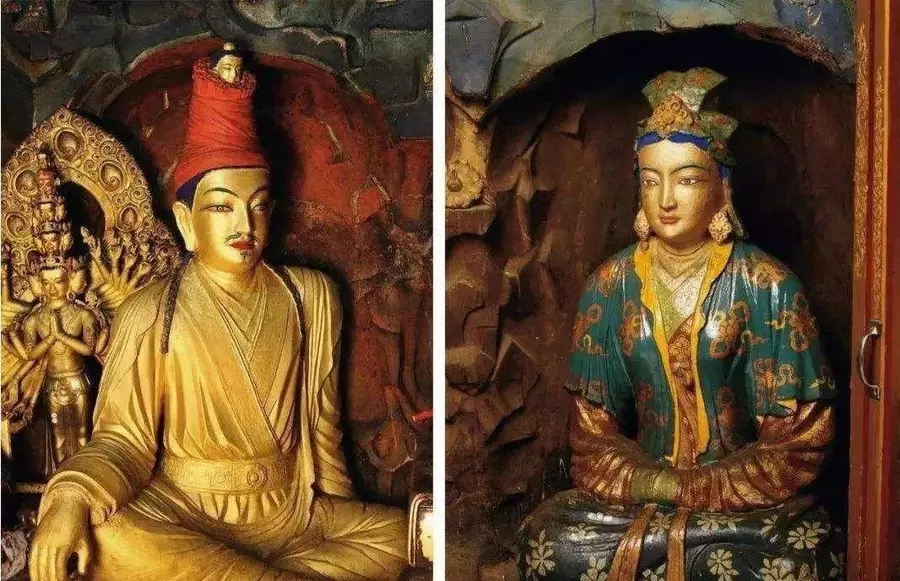
Among the oldest surviving structures are the Dharma Cave and the Saint's Chapel, which date back to the 7th century and contain statues of King Songtsen Gampo, Princess Wencheng, and Princess Bhrikuti.
Buddhist Treasures
Beyond its magnificent architecture, Potala Palace is home to one of the world's finest collections of Tibetan Buddhist art and cultural relics. Visitors can admire nearly 10,000 thangkas (traditional Buddhist scroll paintings), thousands of Buddha statues crafted from gold, silver, jade, wood, and clay, ancient Buddhist scriptures, ceremonial objects, imperial gifts, and valuable historical artifacts.
The palace is also renowned for its richly painted murals and intricate wood carvings, many of which illustrate Buddhist teachings, important historical events, and traditional Tibetan culture. Together, these priceless treasures offer a fascinating insight into Tibet's religious and artistic heritage.
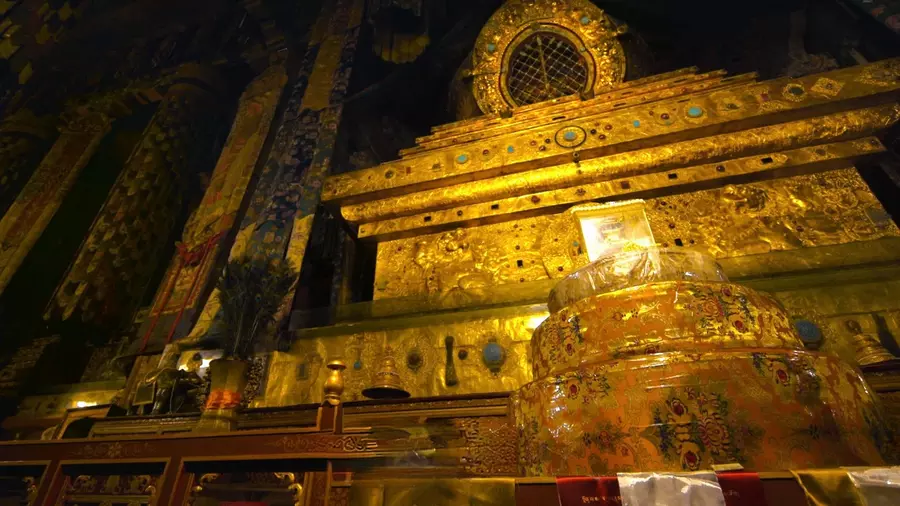
Among the most treasured relics are the magnificent gilded stupas that enshrine the remains of several Dalai Lamas. Decorated with gold and precious stones, they are considered the most sacred objects within Potala Palace.
Best Photography Spots for Potala Palace
Whether you're visiting during the day or after sunset, Potala Palace offers spectacular photo opportunities from several viewpoints around Lhasa. Here are three of the best places to capture this iconic landmark.
Chakpori Hill
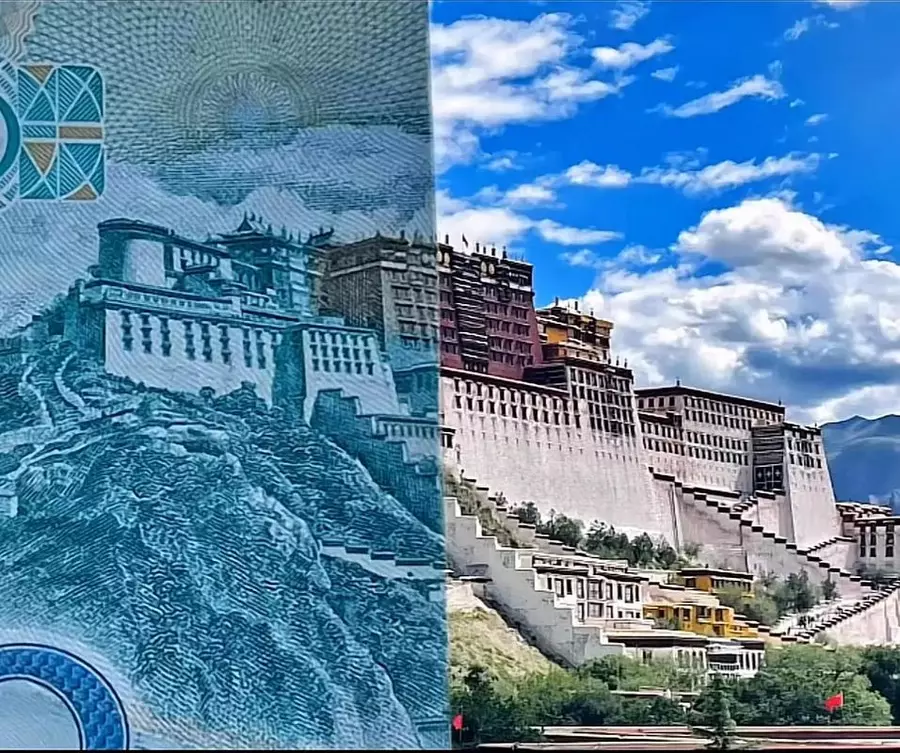
Located opposite Potala Palace, Chakpori Hill is one of the most famous viewpoints in Lhasa. The classic panoramic view of the palace featured on the back of China's 50 RMB banknote was taken from this hillside. Climb to the viewing platform for sweeping views of Potala Palace against the backdrop of the city.
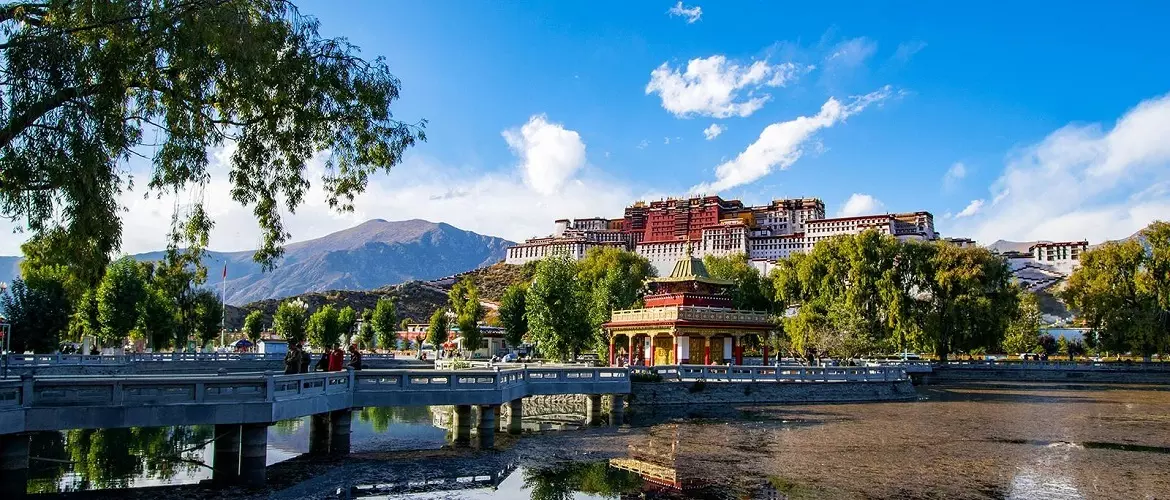
Zongjiao Lukang Park (Dragon King Pool)
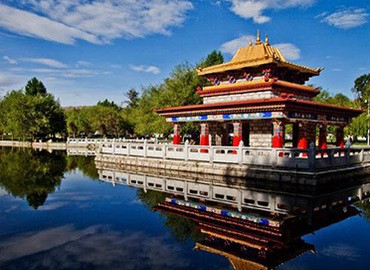
Situated behind Potala Palace, Zongjiao Lukang Park, also known as Dragon King Pool, is a favorite spot for photographers. On calm days, the pond creates a beautiful reflection of the palace, making it an ideal location for both daytime and sunset photography.
Potala Palace Square
Located directly in front of the palace, Potala Palace Square offers the best place to capture the full front view of this magnificent landmark. The square is especially popular in the evening, when the illuminated palace and its reflection in the fountain create one of Lhasa's most iconic night scenes.
Opening Hours & Tickets
Potala Palace is open throughout the year, but visitor numbers are strictly controlled to help preserve this UNESCO World Heritage Site.
Opening Hours
Summer Season (May 1 – October 31): Opens at 9:00 AM; last admission at 3:40 PM.
Winter Season (November 1 – April 30): Opens at 9:30 AM; last admission at 3:20 PM.
Please note: Opening hours and admission times are subject to change due to official regulations or special events.
Ticket Reservation
During the peak travel season (generally May to October), tickets are in high demand and daily visitor numbers are limited. Reservations are required in advance, and each ticket is issued with a designated entry time.
For international travelers, ticket reservations are normally arranged by your Tibet travel agency as part of your tour, so there is no need to book separately.
Please arrive at the entrance at least 30 minutes before your scheduled admission time. Late arrivals may be refused entry.
Good to Know
The sightseeing route through the palace is one-way.
Visits inside the palace are generally limited to about 1 hour during the peak season.
Independent domestic visitors can reserve tickets through the official Potala Palace WeChat account from 7:00 AM one day before the visit.
Travel Tips
To make the most of your visit to Potala Palace, keep the following tips in mind:
Bring your original passport and Tibet Travel Permit for entry.
Arrive at least 30 minutes before your scheduled entry time.
Photography is prohibited inside the palace buildings.
Large bags, liquids, knives, lighters, and other restricted items are not allowed. Lockers are available near the entrance.
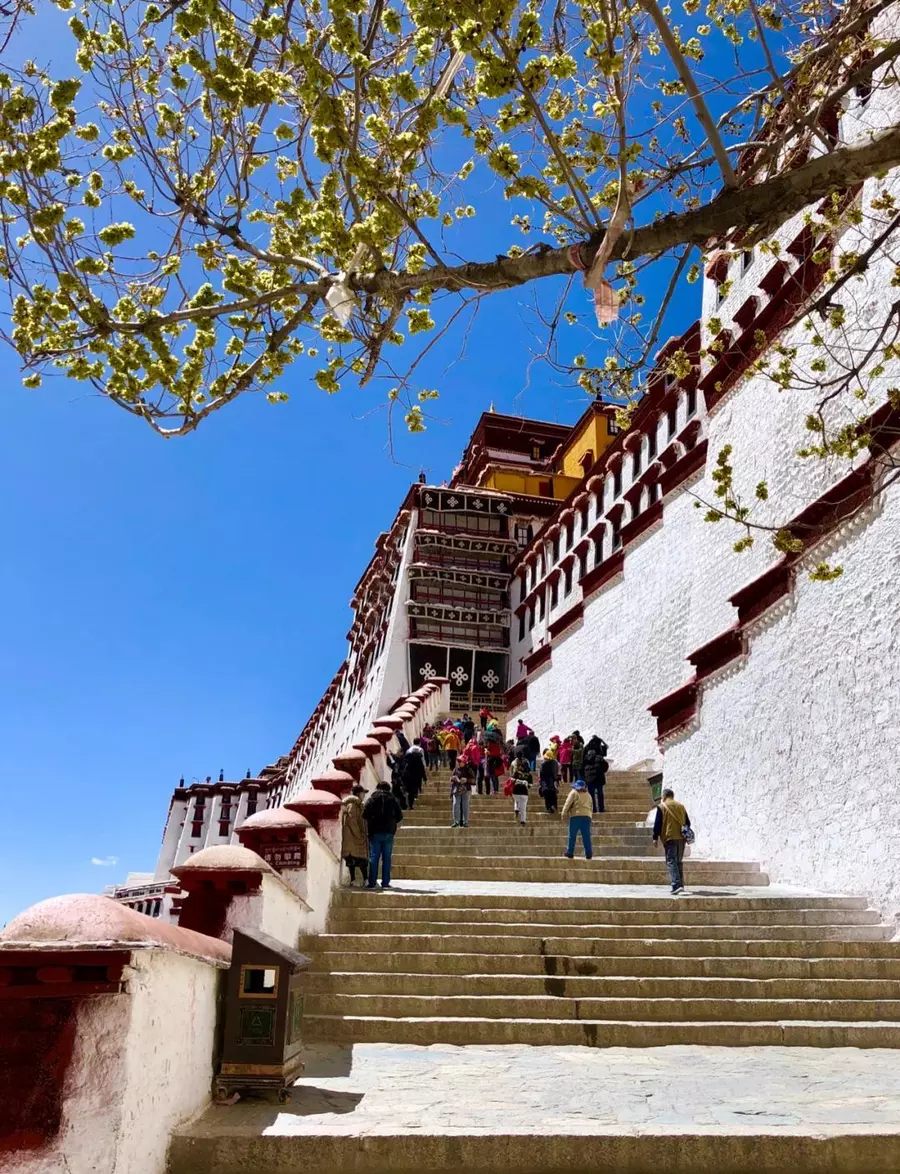
Wear comfortable walking shoes, as visiting the palace involves climbing many stairs.
The palace interior can be cool even in summer, so bringing a light jacket is recommended.
Remove your hat when entering chapels and avoid touching statues or religious relics.
Please respect local customs by speaking quietly and following your guide's instructions while visiting.
FAQs
How long does it take to visit Potala Palace?
Most visitors spend 1 to 2 hours inside the palace. During the peak season, the sightseeing time is usually limited to around 1 hour.
Can I visit Potala Palace independently?
No. International travelers must join an organized Tibet tour, and visits to Potala Palace are arranged by their local travel agency as part of the itinerary.
Is photography allowed inside Potala Palace?
No. Photography and video recording are not permitted inside the palace buildings. However, you are welcome to take photos in the outdoor areas surrounding the palace.
What is the best time to visit Potala Palace?
Potala Palace can be visited year-round. April to October offers the most pleasant weather, while winter provides fewer crowds and excellent opportunities for photography.
Is Potala Palace difficult to visit because of the altitude?
The palace sits at an elevation of about 3,700 meters (12,139 feet). Since visiting involves climbing numerous steps, take your time, stay hydrated, and avoid strenuous activity if you have just arrived in Lhasa. Many travelers choose to visit Potala Palace after spending a day or two acclimatizing to the altitude.
GREAT TIBET TOUR is a local tour company based in Lhasa, Tibet. It was founded in 2005 and recommended by Lonely Planet as one of the best reputed local Tibet travel agencies.
With the great responsibility, professional know-how and passion for innovation, GREAT TIBET TOUR endeavors to provide you with enjoyable, thoughtful service, and authentic culture discovery.