
How to Travel to Tibet from Hong Kong
- Eric
- Last Updated : 05/14/2026
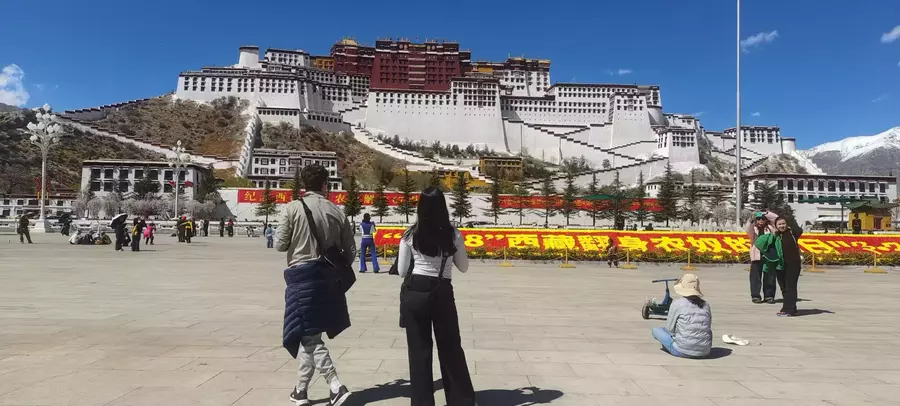
For many travelers from Hong Kong, Tibet is far more than an ordinary destination—it is a journey filled with profound cultural depth and breathtaking natural beauty. From the historic grandeur of the Potala Palace to the awe-inspiring views of Mount Everest and the deeply spiritual atmosphere of Tibetan monasteries, Tibet continues to attract travelers from all walks of life.
Traveling from Hong Kong to Tibet offers a striking contrast in experience, shifting from the fast-paced urban rhythm of Hong Kong to the vast high-altitude landscapes and rich cultural heritage of the Tibetan Plateau. Unlike many other destinations in China, travel to Tibet involves specific entry requirements and arrangements. This guide will cover everything you need to know, including permits, travel routes, and practical tips for planning your trip smoothly.
Required Documents
Travel requirements for Hong Kong residents are generally straightforward, but they depend on the documents you use to enter Tibet.
If You Travel with an HKSAR Passport
Only Hong Kong residents holding an HKSAR Passport can apply for the Mainland Travel Permit for Hong Kong and Macao Residents (Home Return Permit). With this permit, traveling to Tibet is relatively convenient, as you do not need a Tibet Travel Permit. It is also commonly used for hotel check-ins and daily travel procedures.
If your itinerary only includes popular destinations such as Lhasa, Namtso Lake, or Nyingchi, the Home Return Permit alone is usually sufficient. However, if you plan to visit border or restricted regions such as Mount Everest Base Camp, Mount Kailash, or parts of Ngari and Shannan, you will also need a Border Pass (Frontier Pass). This requirement applies to both mainland and Hong Kong travelers. Most Hong Kong travelers choose to have it processed by a local Tibet travel agency. Alternatively, you can apply for the Border Pass in person at the Exit-Entry Administration Office in Futian District, Shenzhen. However, this option takes more time and effort, so using a travel agency remains the easier choice for those seeking a hassle-free process.
If You Travel with a Foreign Passport
If a Hong Kong resident enters Tibet using a foreign passport, such as a British or Canadian passport, they will be treated as an international traveler. In this case, a Chinese visa is required, and a Tibet Travel Permit must be arranged through an authorized travel agency. Independent travel is not allowed, and the trip must include a licensed guide and private vehicle.
For travel to restricted areas such as Mount Everest Base Camp or Ngari, additional permits such as the Border Pass and Military Permit are required.
Quick Comparison for Travel Requirements
| Category | Home Return Permit | Foreign Passport |
|---|---|---|
| Chinese Visa | Not required | Required |
| Tibet Travel Permit | Not required | Required (through travel agency) |
| Border Pass | Required | Required |
| Independent Travel | Allowed | Not allowed |
| Guide & Vehicle | Optional | Mandatory |
Best Routes from Hong Kong to Tibet
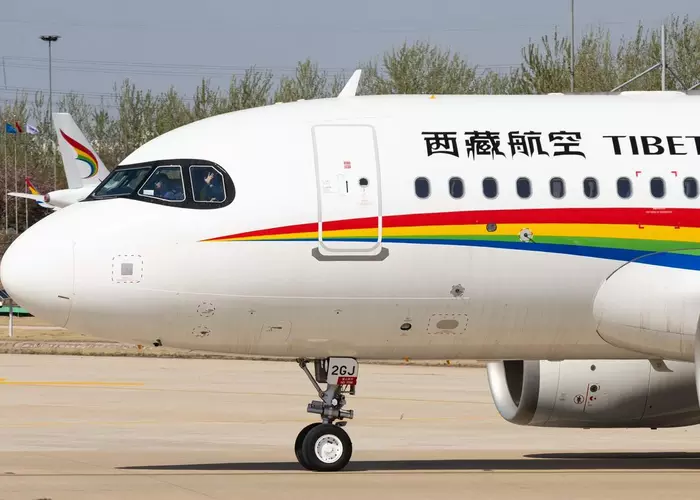
Traveling from Hong Kong to Tibet requires transit through mainland China, as there are currently no regular direct flights. Most travelers first fly to gateway cities such as Chengdu, Chongqing, Kunming, or Xi’an before continuing their journey to Tibet.
Depending on time and travel preference, there are three main ways to reach Tibet:
All Flights: The Fastest and Most Popular Option
If your priority is convenience and saving time, flying is by far the easiest way to reach Tibet. In most cases, you can arrive in Lhasa within the same day or the next day after departing from Hong Kong.
The most common route is to transit through cities like Chengdu, Chongqing, or Kunming before flying into Lhasa or Nyingchi. Among these, Chengdu is the most popular transfer hub. A typical journey takes around 2.5 hours from Hong Kong to Chengdu, followed by another 2.5 hours to Lhasa. With smooth connections, the entire trip can often be completed within a single day.
Chengdu is preferred not only because of its frequent flight options, but also because it offers well-developed air connections to both Lhasa and Nyingchi. For travelers concerned about altitude sickness, flying first to Nyingchi (around 3,000 meters) and spending a night there before continuing to Lhasa (3,650 meters) can make the transition much easier.
Overall, this option is the most straightforward and is the preferred choice for first-time visitors to Tibet.
Flight + Train: A Balanced Option Between Time and Experience
For travelers who want to experience the famous Qinghai–Tibet Railway without spending too many days on the train, combining flights with a train journey is a very practical and popular option.
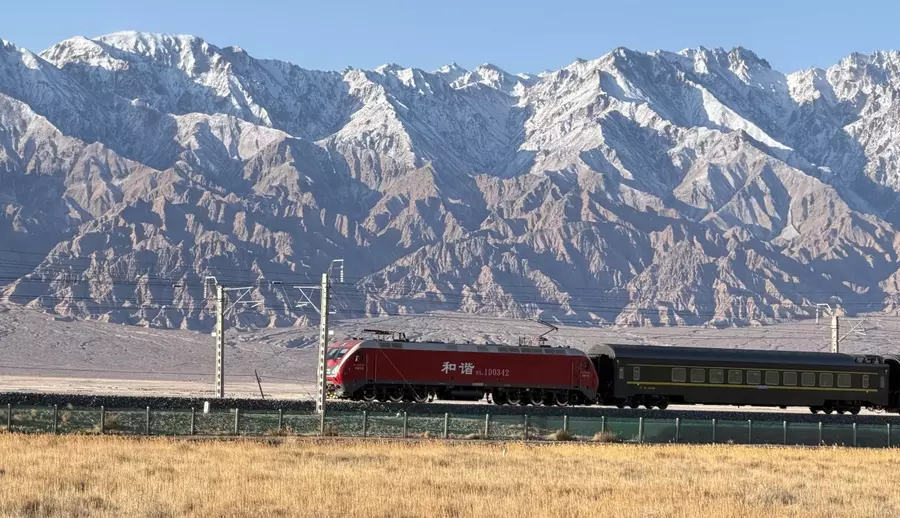
A common route is to fly from Hong Kong to Chengdu or Chongqing first, and then continue toward Xining before boarding the train to Lhasa:
Hong Kong → Fly to Xining → Take a train to Lhasa
Xining is the starting point of the Qinghai–Tibet Railway, and the train journey from here to Lhasa takes around 20–22 hours. This section is considered the most scenic part of the entire railway, passing through areas such as the Hoh Xil Nature Reserve, Tanggula Pass, and vast high-altitude grasslands. Many travelers choose late trains so that the most beautiful scenery appears during daylight hours. This route is also suitable for travelers who want a gradual ascent and a more immersive journey.
Hong Kong → Fly to Chengdu / Chongqing → Take a train to Lhasa
Another option is to take a longer train journey directly from Chengdu or Chongqing to Lhasa. While this takes around 35 hours, it reduces the number of transfers and makes the overall journey simpler.
Flight + Overland Journey: Turning the Journey into the Experience
For travelers with more time and a strong interest in landscapes and photography, combining a flight with an overland journey into Tibet offers the most rewarding experience. In this case, the journey itself becomes a major part of the trip.
The most popular route is the Sichuan–Tibet Highway (G318), starting from Chengdu and passing through places such as Danba, Litang, and Nyingchi before reaching Lhasa.
Another alternative is the Qinghai–Tibet Highway via Xining, passing Qinghai Lake and Chaka Salt Lake before entering Tibet.
However, overland travel requires more time and careful planning. Independent travel may be restricted depending on nationality and travel documents, and many travelers prefer to arrange vehicles and drivers through a licensed local travel agency for safety and convenience.
Recommended Travel Routes for Hong Kong Travelers
For Hong Kong travelers holding a Home Return Permit, independent travel in Tibet is generally allowed. That means you can choose to explore Tibet freely with your own arrangements. However, for remote regions such as Everest Base Camp or Mount Kailash, many travelers still choose organized arrangements or local support due to logistics, road conditions, and permit requirements.
In contrast, travelers entering Tibet with a foreign passport are required to travel under a registered travel arrangement. This usually means joining an organized tour with a licensed guide and arranged transportation throughout the itinerary.
There are three main travel options depending on time, budget, and experience.
Lhasa Classic Route (Cultural Highlights)
A short and relaxed itinerary focused entirely on Lhasa, the cultural and spiritual heart of Tibet. It is ideal for travelers who want to experience Tibetan history and religion at an easy pace without long-distance travel.
You will visit major landmarks such as the Potala Palace, Jokhang Temple, Sera Monastery, and Norbulingka, along with time to explore Lhasa’s old streets and local atmosphere.
Best for: First-time visitors, short stays, cultural sightseeing
→ 4 Days Lhasa City Essential Group Tour
Lhasa to Everest Base Camp Journey (Most Popular Route)
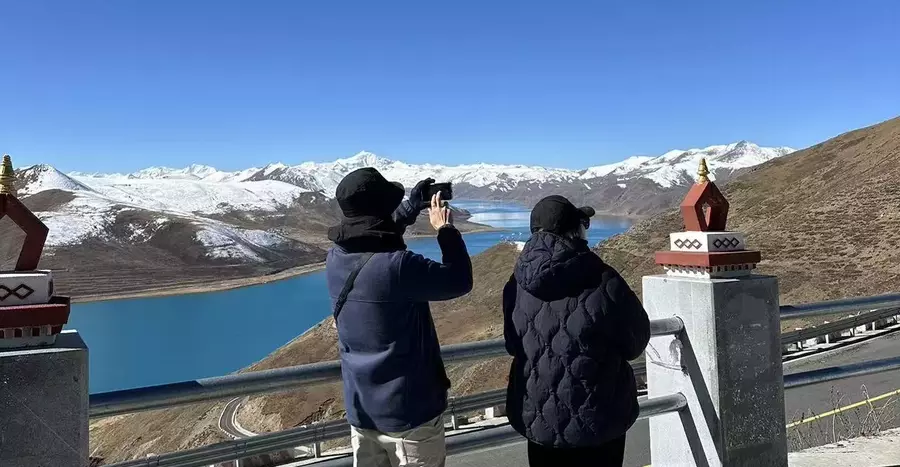
A classic route combining Tibetan culture with dramatic Himalayan landscapes. From Lhasa, the journey passes Yamdrok Lake, Karola Glacier, Gyantse, and Shigatse before reaching Everest Base Camp (5,200m).
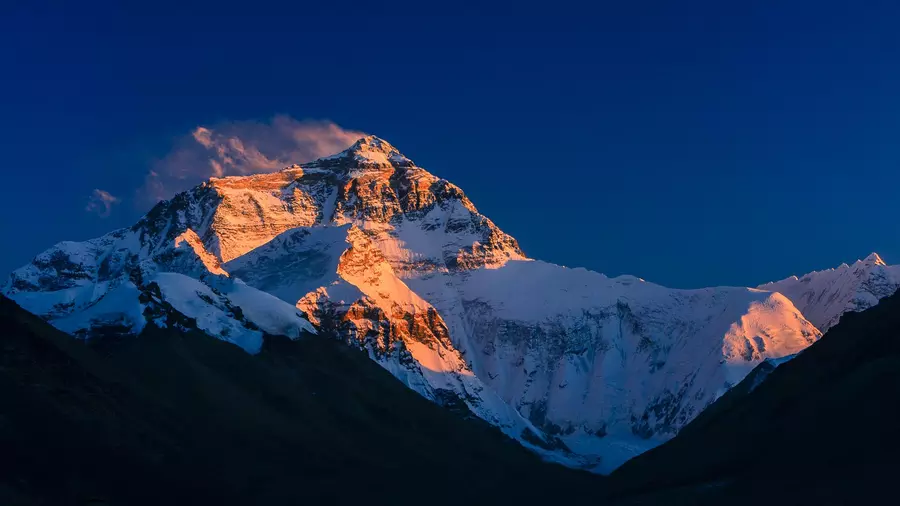
On clear days, sunrise or sunset over Mount Everest is often the highlight.
Best for: First-time Tibet travelers, nature + culture balance, Mount Everest interest
→ 8 Days Lhasa to Everest Base Camp Group Tour
Everest & Mount Kailash Pilgrimage Journey (Deep Experience)
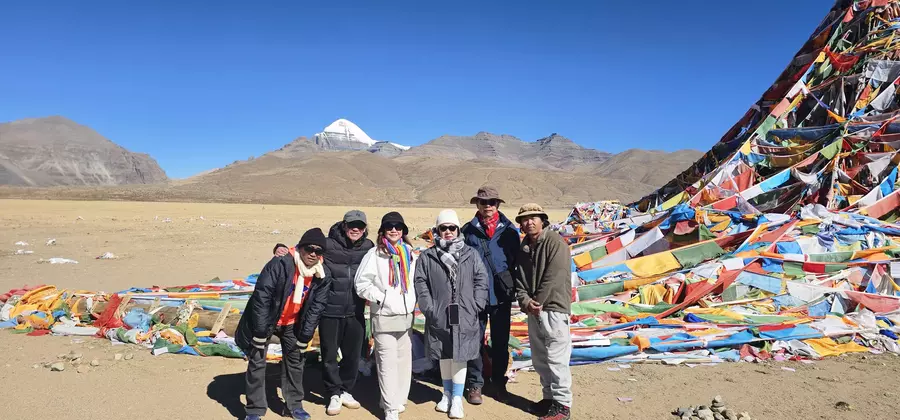
A deeper journey into the remote Ngari region, combining Everest Base Camp with Mount Kailash and Lake Manasarovar.
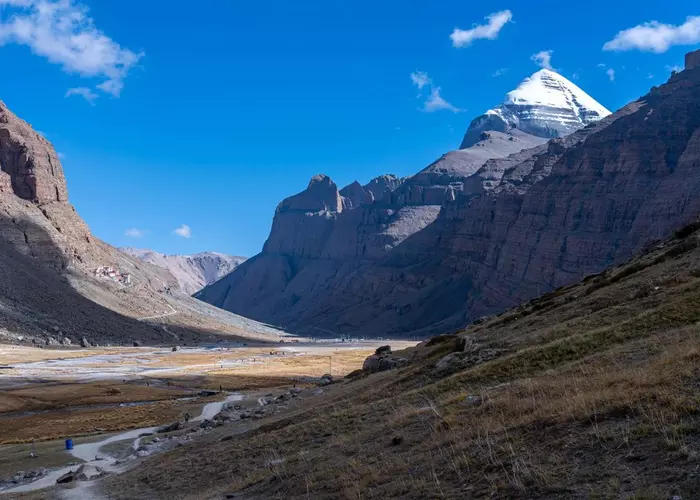
The 52 km Kailash kora is one of the most meaningful pilgrimage experiences in Tibet, usually completed over three days at high altitude.
Best for: Long trips, experienced travelers, pilgrimage or spiritual journeys
→ 15 Days Mt.Everest & Mt.Kailash Kora Pilgrimage Group Tour
FAQ
What is altitude sickness and how should you deal with it?
Altitude sickness is a common concern when traveling to Tibet, especially in higher elevation regions such as Everest or Ngari. Symptoms may include headache, dizziness, or shortness of breath.
To reduce discomfort:
- Spend a few days in Lhasa at the start of your trip to acclimatize gradually.
- Rest and use oxygen support if mild symptoms occur.
- If symptoms persist or worsen, descend to a lower altitude as soon as possible.
Simple preventive measures include staying hydrated, eating light meals, and avoiding strenuous activity or alcohol.
Which is better for acclimatization: plane or train?
There is no scientific evidence that flying or taking the train directly determines whether altitude sickness will occur. It mainly depends on individual physical condition and acclimatization ability.
In general, trains provide a gradual ascent, allowing the body to adjust step by step. Flights reach high altitude areas much faster. Based on traveler feedback, some people find trains easier for acclimatization, but this varies individually.
Ultimately, proper rest after arrival is more important than the transportation method.
From Hong Kong, when is the best time to travel to Tibet?
Tibet is a year-round destination, but the best travel period is generally from April to October, when the weather is more stable and the scenery is at its best.
In particular, May–June and September–October are highly recommended for trips to Everest or Mount Kailash, as the weather conditions are relatively more stable and visibility is clearer.
Although winter (November to March) is colder and less commonly chosen, it offers fewer crowds and a quieter travel experience in many areas of Tibet.
How should Hong Kong travelers choose hotels in Tibet?
Hong Kong residents traveling to Tibet are generally required to stay in hotels with foreign guest accommodation qualifications. However, options still include hotels, guesthouses, hostels, and some camps.
If you hold a Mainland Travel Permit for Hong Kong and Macao Residents, booking is usually more flexible and convenient.
When booking, look for properties marked “suitable for Hong Kong and Macao travelers,” or confirm directly with the hotel whether they can accept guests from Hong Kong and Macao.
In Lhasa, accommodation ranges from budget to luxury. For the first 1–2 nights, it is recommended to choose hotels with oxygen supply to support acclimatization.
In higher-altitude areas such as Everest or Ngari, accommodation is more limited, so early booking is strongly recommended.
Email response within 0.5~24 hours.