


Can Foreigners Go to Tibet?
- Beatrice
- Last Updated : 07/31/2026
For many travelers around the world, Tibet is a dream destination — a land of snow-capped mountains, sacred monasteries, colorful prayer flags, and deep spiritual traditions. From the Potala Palace in Lhasa to the remote landscapes around Mount Kailash, Tibet attracts visitors seeking both natural beauty and cultural experiences.
Yet one question often stops people from planning the journey:
Content Preview
- 1. Can Foreigners Visit Tibet?
- 2. How to Get a Tibet Permit?
- 3. Can Foreigners Travel to Any Place in Tibet with a Tibet Permit?
- 4. Can Foreigners Travel Independently in Tibet?
- 5. How Can Foreigners Enter Tibet?
- 6. Is Tibet Open All Year Round?
- 7. How Much Does a Trip to Tibet Cost?
- 8. Is Tibet Safe for Foreign Travelers?
- 9. Are There Any Cultural Taboos?
1. Can Foreigners Visit Tibet?
The answer is yes. Tibet is open to foreign travelers. However, unlike other parts of China, traveling to Tibet requires special permits and organized arrangements through a registered local travel agency.
This means foreign travelers cannot simply book a flight or train ticket and travel independently in Tibet. Instead, travelers need to plan their itinerary in advance and book through a local Tibet travel agency, which will assist with the permit application process.
The good news is that visiting Tibet is not as complicated as many people imagine. As long as you prepare the required documents and allow enough time for the permit process, most foreign travelers can visit Tibet smoothly.
2. How to Get a Tibet Permit?
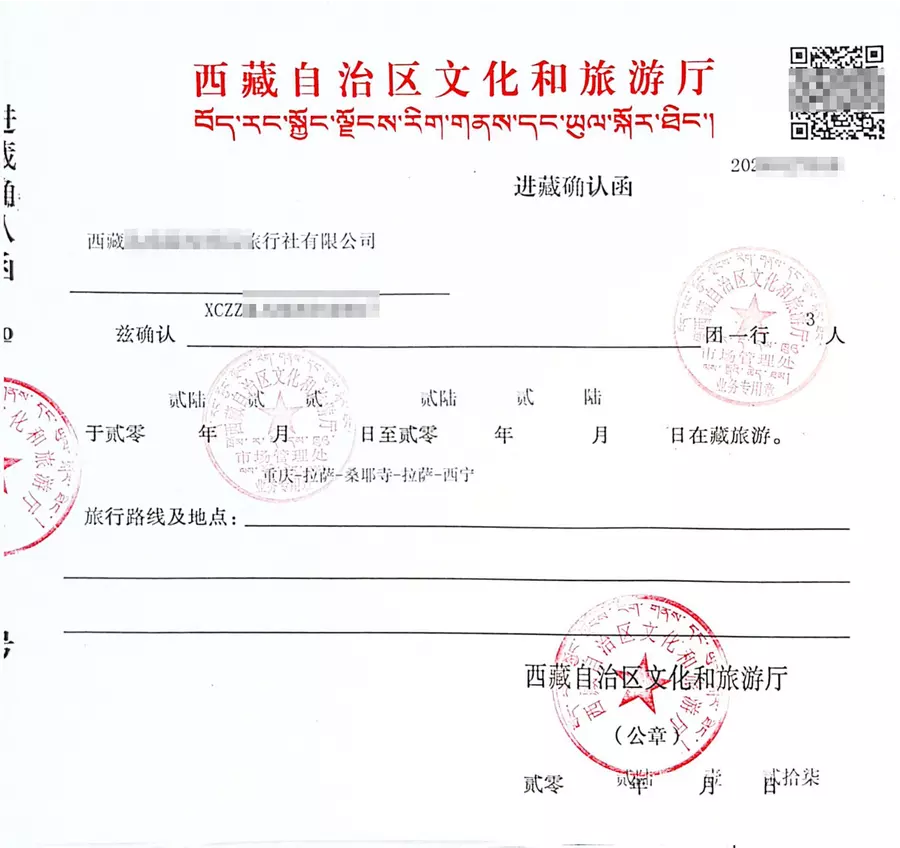
Foreign travelers (including expats in China) need a Tibet Travel Permit before entering Tibet. The permit is issued by the Tibet Tourism Bureau and is required for boarding flights or trains to Tibet and visiting major destinations within the region.
The application process is usually straightforward. After confirming your itinerary, you only need to send copies of your passport and Chinese visa (if required) to your travel agency. The agency will then handle the permit application on your behalf.
Citizens of countries covered by China’s 30-day visa-free policy can also apply for the Tibet Travel Permit without obtaining a Chinese visa. In this case, the travel agency will use your visa-free entry information to process the permit application. However, travelers entering China under the 72-hour or 144-hour transit visa-free policies are not valid for Tibet travel.
Since permit processing normally takes ten working days, it is recommended to book your Tibet tour in advance and leave enough time for the application process.
Special reminder: Diplomats and foreign journalists cannot apply for Tibet Travel Permits for tourism purposes.
3. Can Foreigners Travel to Any Place in Tibet with a Tibet Permit?
Not entirely. The Tibet Travel Permit allows foreign travelers to enter Tibet and visit places such as Lhasa and some nearby areas. However, access to certain remote or border regions requires additional permits.
For example, travelers visiting Everest Base Camp in Shigatse usually need an Alien’s Travel Permit. This permit is also required for travel to places outside Lhasa, such as Nyingchi, Shannan, and other restricted areas of Tibet. Meanwhile, trips to Mount Kailash and other areas in western Tibet require Military Permits additionally.
The processing time for these permits varies depending on the destination. For most standard itineraries in Lhasa, it usually takes around 10 days. Trips to Everest Base Camp generally require about 14 days for permit arrangement, while journeys to Mount Kailash and the Ngari region may need around 30 days of advance preparation.
In most cases, travelers do not need to apply for these permits themselves. Once your itinerary is confirmed, your Tibet travel agency will handle all necessary applications together based on your planned route.
4. Can Foreigners Travel Independently in Tibet?
Foreign travelers are not allowed to travel independently in Tibet. A licensed guide and a tourist vehicle with a driver are required for all foreign visitors.
This means you cannot travel freely on your own or use public transportation between destinations. All travel arrangements must be organized through a registered local Tibet travel agency.
However, this does not mean the trip is strictly fixed or rigid. Most travelers join private or tailor-made tours, which still offer a high level of flexibility. You can usually customize your itinerary, choose your travel pace, and decide how long to stay in each place within the approved route.
In practice, while “independent travel” is not allowed, a private tour often feels like independent travel with support—combining freedom of planning with the safety and permit arrangements handled by the agency.
5. How Can Foreigners Enter Tibet?
Foreign travelers can enter Tibet through two main routes: from mainland China or from Nepal.
1. Entering Tibet from Mainland China
The most common way is to travel first to major cities in China, such as Beijing, Shanghai, Chengdu, or Xi’an, and then continue to Tibet by flight or train to Lhasa.
To take a flight or train to Tibet, foreign travelers must already hold a valid Chinese visa (or qualify under China’s visa-free policy) and have a Tibet Travel Permit issued before departure.
This route offers more flexibility in terms of travel planning and is suitable for most international visitors.
2. Entering Tibet from Nepal
Another popular route is from Kathmandu to Lhasa. This is the only international overland and air entry route into Tibet.
Travelers entering from Nepal must join an organized tour and obtain a Chinese Group Visa issued by the Chinese consulate in Kathmandu. Individual Chinese visas are not used for this route.
This route is especially popular among travelers combining Nepal and Tibet in one journey.
6. Is Tibet Open All Year Round?
Tibet is generally open to foreign travelers throughout the year, but travel during March is usually not recommended, as access may be restricted or partially suspended depending on local regulations.
In most cases, foreign tourists can visit Tibet from April to October, which is the main travel season. During this period, weather conditions are more stable, and most routes and attractions are fully accessible.
If you are planning to travel in March, it is often better to consider alternative destinations in western China, such as Yunnan (Kunming, Dali, or Shangri-La), or Sichuan (Western Sichuan, or Daocheng Yading). These regions offer similar high-altitude landscapes and Tibetan-influenced culture, but without seasonal permit limitations.
7. How Much Does a Trip to Tibet Cost?
The cost of a trip to Tibet varies depending on travel style, itinerary, season, and level of comfort. In general, foreign travelers visit Tibet through an organized tour package, which includes permits, transportation, guide service, accommodation, and entrance tickets.
For most standard routes, the group tour price starts from around USD 130 per person per day. For private tours, the cost starts from around USD 200 per person per day (based on 2 travelers). Several factors influence the total cost, like travel season, hotel standard, trip duration, group or private arrangement, and whether remote regions are included in the itinerary.
Short trips around Lhasa are usually more affordable, while longer journeys to Everest Base Camp or Mount Kailash are significantly more expensive due to longer distances, complex logistics, and additional permit requirements.
Although Tibet is not a low-cost destination, most travelers consider it a highly worthwhile journey due to its unique landscapes, rich cultural heritage, and once-in-a-lifetime travel experience.
8. Is Tibet Safe for Foreign Travelers?
Tibet is generally considered a safe destination for travelers, including solo female travelers. The region has a relatively low crime rate, and most local Tibetan people are known for being friendly, honest, and hospitable toward visitors.
Tourist infrastructure in major travel areas is well established. Foreign travelers visit Tibet through organized tours with prearranged transportation, accommodation,
The main challenge for travelers is not safety, but altitude. Many areas in Tibet are located at high elevations, so some visitors may experience mild altitude sickness in the first few days. Most symptoms are temporary and can be managed by taking it slow, staying hydrated, and allowing time to acclimatize. Local guides are trained to assist travelers throughout the journey, and emergency support is available in major tourist regions if needed.
9. Are There Any Cultural Taboos?
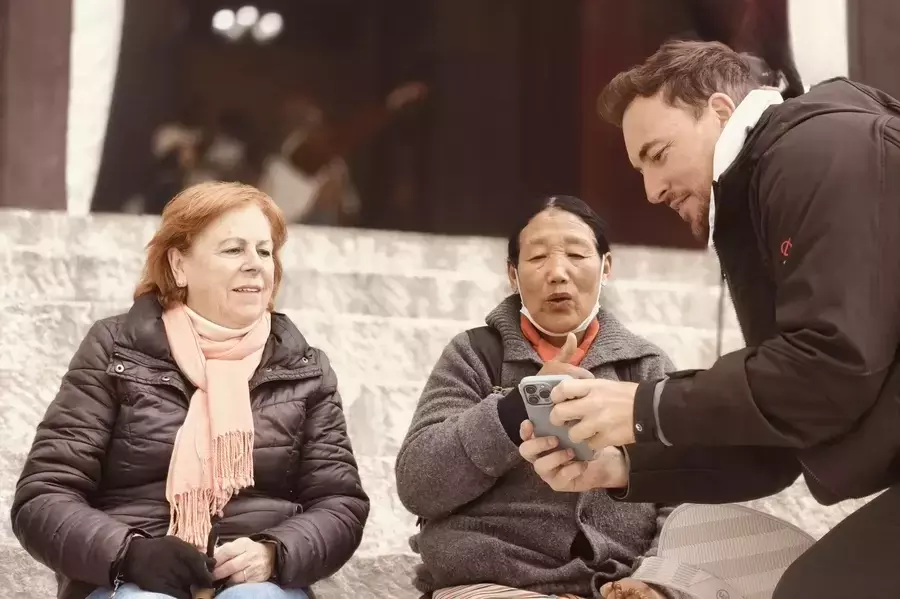
Tibetan culture is deeply influenced by Tibetan Buddhism, so showing respect for local customs and religious traditions is important when traveling in Tibet.
When visiting monasteries and religious sites, travelers should dress modestly and follow local rules. Photography may not be allowed inside certain temple halls, so it is always best to ask before taking photos.
If you see prayer wheels, stupas, or pilgrims performing religious rituals, it is customary to walk clockwise, following local tradition. Avoid touching religious objects casually or disturbing people during prayer.
Travelers should also avoid speaking loudly inside monasteries or treating religious ceremonies as tourist performances. A respectful attitude is always appreciated by local people.
As long as travelers show basic cultural respect and follow their guide’s advice, traveling in Tibet is usually a rewarding and meaningful experience.
Email response within 0.5~24 hours.
Typically Asked Questions from Our Clients
Jenn***
I'm a UK Passport holder but I have 港澳居民來往內地通行證(非中國籍)
and my husband holds a HKSAR passport. Would you be able help with Tibet Permit?
Dear Jenn***,
We can help you apply for the Tibet Travel Permit with a passport.