

Tibetan Highland Barley Wine Chang
- Eric
- Last Updated : 03/05/2026
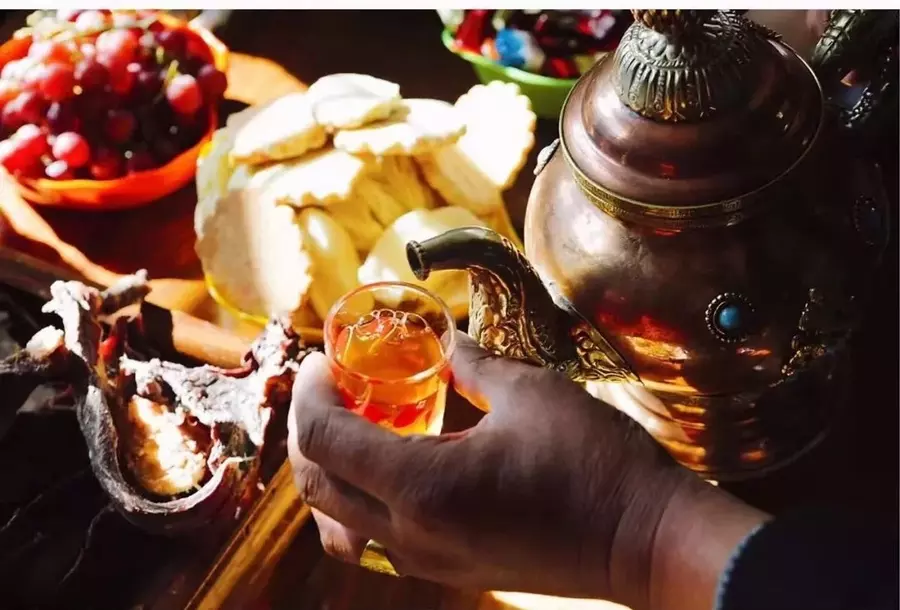
Tibetan highland barley wine, locally known as Chang, is a traditional fermented drink made from highland barley grown on the Tibetan Plateau and brewed with natural fermentation starter. The alcohol content is usually around 7–8%, giving it a mild strength. It has a gentle sweetness with a slight tang and a distinctive grain aroma.
For Tibetans, highland barley wine is more than just a beverage. It is deeply integrated into daily life and cultural traditions. Whether during family gatherings, festivals, or celebrations, chang is commonly shared among relatives and friends and remains one of the most familiar drinks across the plateau.
Historical and Geographic Background
There are two commonly mentioned accounts regarding the origin of highland barley wine. According to legend, in 641 AD, Princess Wencheng traveled to Tibet from the Tang Dynasty court, bringing advanced brewing techniques from the Central Plains. These techniques helped refine the brewing process of traditional barley-based drinks already produced in the region.
Some scholars believe the history of Chang extends even further back. As highland barley has long been the main crop on the Tibetan Plateau, ancient Tibetans likely developed fermentation techniques thousands of years ago. Archaeological research suggests that the brewing tradition may date back to early plateau civilizations.
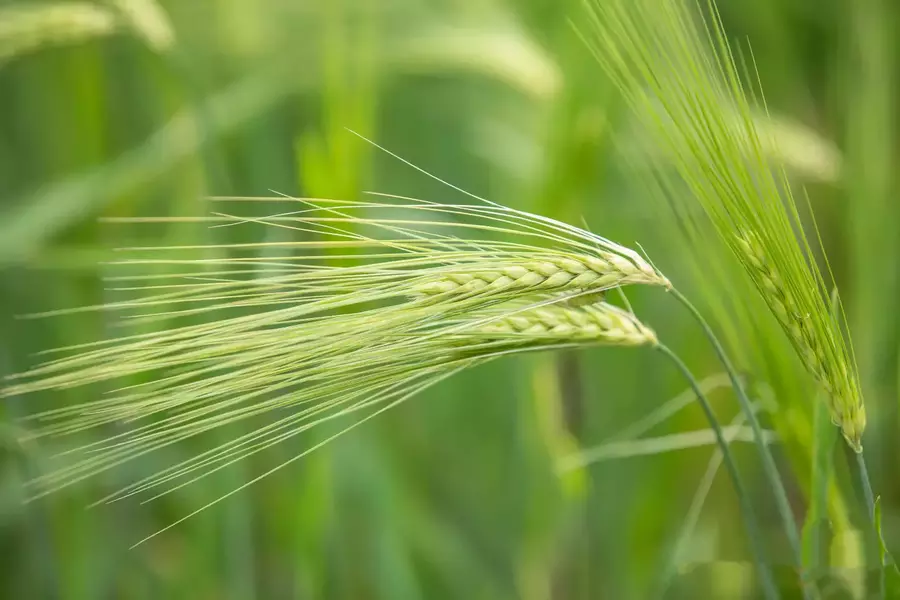
Highland barley mainly grows in the high-altitude regions of Tibet, Qinghai, and parts of Gansu, where the harsh climate limits other crops. Remarkably hardy, it can mature even at elevations above 4,500 meters, making it one of the few grains capable of thriving in the cold and thin air of the plateau. This unique environment laid the natural foundation for the development of Tibetan highland barley wine.
Traditional Brewing of Tibetan Highland Barley Wine
In Tibetan areas, highland barley wine has traditionally been brewed at home, and many families still make their own today. Although the process is relatively simple, it requires experience and careful timing.
First, good-quality barley with full and shiny grains is selected, washed thoroughly, and soaked in water overnight. The soaked barley is then boiled in a large pot for about two hours until it becomes soft and fully cooked. Afterward, it is drained and spread out to cool slightly so that excess moisture can evaporate.
Next, powdered fermentation starter is evenly sprinkled over the warm barley and gently mixed. This step requires careful judgment: if the barley is still too hot, the wine may become bitter; if it is too cool, fermentation may not occur properly. The mixture is then placed in jars or containers, sealed, and kept warm to ferment. In warm weather, the fermentation may be completed in just one or two days.
When ready, the wine is usually enjoyed by adding water according to taste. The first infusion produces the strongest and most aromatic drink. The second infusion is slightly sweet and mildly sour. After the third or fourth infusion, the alcohol content becomes much lighter, and the drink turns into a refreshing beverage that locals sometimes enjoy to quench thirst during warmer days.
Flavor and Tasting Experience
Tibetan highland barley wine is usually light yellow to golden in color, with a natural grain aroma from the fermentation process. The taste is smooth and mild, slightly sweet with a hint of acidity, and the alcohol content is relatively low—sometimes compared to beer in strength.
When served warm, the fragrance becomes richer and the texture even softer, making it particularly comforting in the cool climate of the plateau.
Tibetans traditionally believe that drinking highland barley wine in moderation helps warm the body and restore energy. During colder seasons, people may heat the drink with ingredients such as brown sugar, butter, milk curds, or roasted barley flour, creating a richer and more nourishing beverage.
Visitors traveling in Tibet can certainly try highland barley wine, but it is best to drink with caution. Alcohol is generally not recommended during the first one or two days after arriving on the plateau, as it may worsen altitude sickness. After about three days, once the body has adapted, a small amount can be enjoyed. At higher elevations, moderation is always advisable. Pregnant women and people with liver disease or cardiovascular conditions should avoid drinking alcohol on the plateau.
Culture and Toasting Traditions
Highland barley wine is one of the most representative drinks of the Tibetan Plateau and an important symbol of Tibetan culture. It represents hospitality, respect, and good wishes. During festivals, weddings, the birth of a child, and when welcoming or seeing off guests, Chang is an essential drink.
According to Tibetan custom, hosts often present a white khata scarf and offer cups of chang to welcome visitors. In some religious ceremonies and festivals, the drink also appears as part of ritual offerings symbolizing blessings and good fortune.
When tasting highland barley wine in Tibet, understanding a few basic toasting customs can make the experience more meaningful.
The Wine-Flicking Ritual
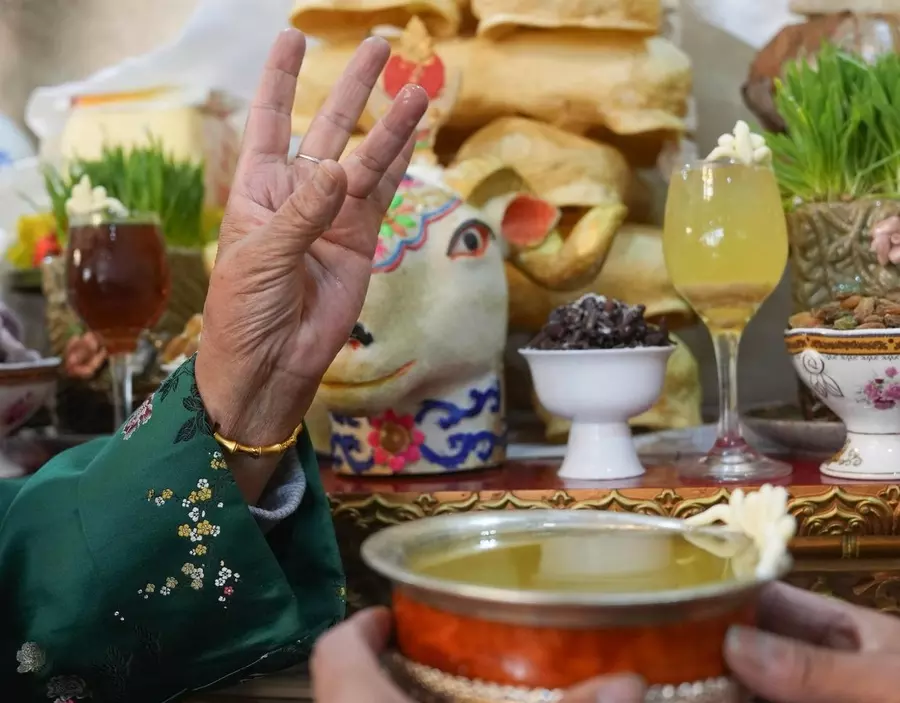
Before drinking, guests may dip the ring finger of their right hand into the wine and flick a few drops into the air three times. This gesture is a symbolic offering to heaven and nature, expressing respect and wishes for good fortune.
Three Sips and One Cup
In more formal toasting situations, the host refills the guest’s cup three times. The guest takes a sip each time the cup is filled. After the third refill, the guest finishes the cup as a sign of appreciation and respect.
If you are unfamiliar with the rituals, simply follow the example of local people. Tibetans are usually warm and happy to guide visitors through these traditions.
A Taste of the Tibetan Plateau
More than a traditional drink, Chang reflects the lifestyle and hospitality of the people of the Tibetan Plateau. From home brewing traditions to festive gatherings shared with family and friends, highland barley wine has been part of Tibetan life for centuries.
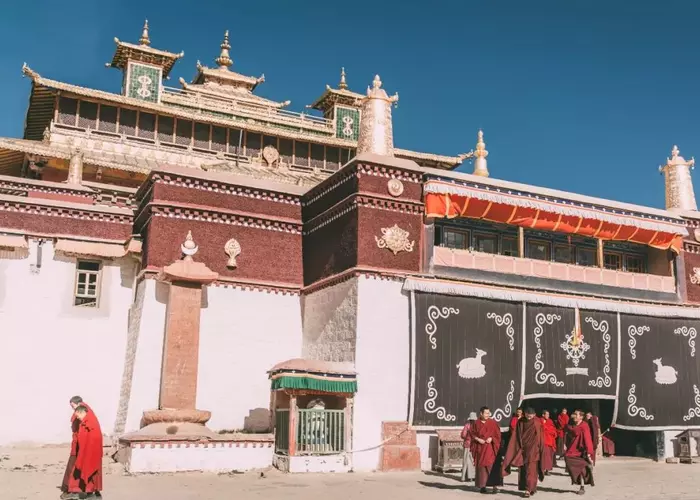
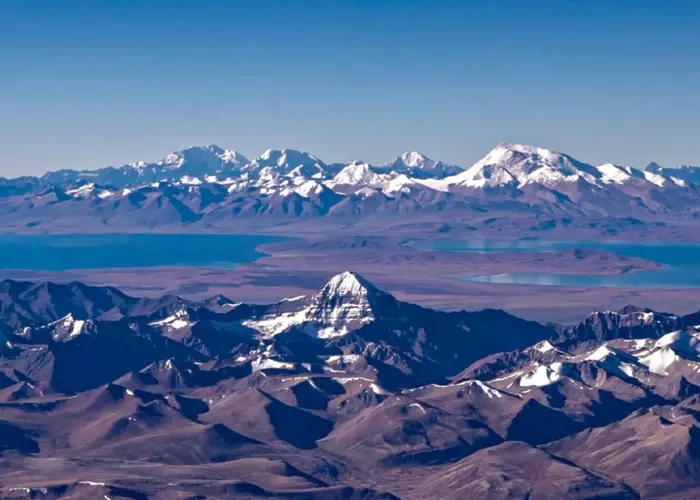
While traveling through Tibet’s mountains, monasteries, and valleys, tasting a cup of warm highland barley wine offers not only a unique flavor of the plateau, but also a glimpse into the living culture of the region.
Email response within 0.5~24 hours.