
Free Tibet Attraction for Winter Tibet Tour
- Beatrice
- Last Updated : 03/08/2026
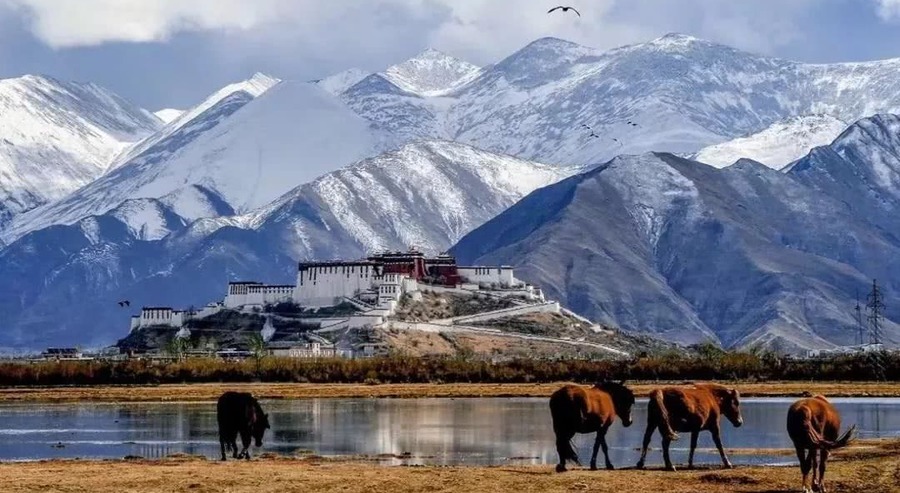
Good news! If you plan to have a Tibet trip in the winter of 2025, you're lucky! To promote winter tourism in Tibet, the Tibet Autonomous Region announced that travelers in Tibet could enjoy preferential policies from November 1, 2025 to March 15th, 2026. During this period, all A-level tourist attractions in Tibet — except temple and monastery sites — will be open to visitors free of charge.
Famous landmarks such as the Potala Palace, Everest Base Camp, and Namtso Lake are all free to visit. For instance, the Potala Palace is not only renowned for its magnificence but also for how hard it is to get a ticket. However, during these five months, every traveler can have a close encounter with its beauty free of charge. Therefore, traveling in Tibet this winter can save you hundreds of dollars.
If you're interested in realizing your Tibet dream at the lowest cost, a winter Tibet tour is your best choice. Not only the entrance fees but also related costs — such as flights, train tickets, accommodation, tour guide fees, and transportation — are much cheaper than usual. As a local Tibet travel agency, we offer numerous tour packages to suit your needs and budget. What’s more, you can also customize your private tour for a unique experience in this holy land.
Free A-level Scenic Sites
Here is the list of popular scenic spots in Tibet from November 1, 2025, to March 15, 2026:
5A Scenic Sites
- Potala Palace
- Basum Tso Scenic Area
- Norbulingka
- Yarlung Tsangpo Grand Canyon Scenic Area
4A Scenic Sites
- Mount Everest Scenic Area
- Gyantse Heroic Ancient City
- Gyirong Valley Tourist Area
- Mount Kailash and Lake Manasarovar Scenic Area
- Pangong Lake Scenic Area
- Guge Kingdom Ruins Park
- Yamdrok Lake (Yamdrok Yumtso)
- Yumbu Lhakhang Scenic Area
- Midui Glacier Scenic Area
- Lulang Forest Scenic Area
Top Scenic Spots
Visiting Tibet in the winter offers a serene experience, with fewer crowds and breathtaking landscapes blanketed in snow.
Potala Palace
The magnificent Potala Palace, with nine stories and a thousand rooms, was built by King Songtsen Gampo for his bride from the Tang Dynasty. In winter, the crowds thin out, giving you an intimate experience with these spiritual landmarks. The thin air and snow-capped mountains surrounding the city enhance its mystique. You can explore numerous invaluable treasures and artworks free of charge in this magnificent red and white structure.

Jokhang Temple
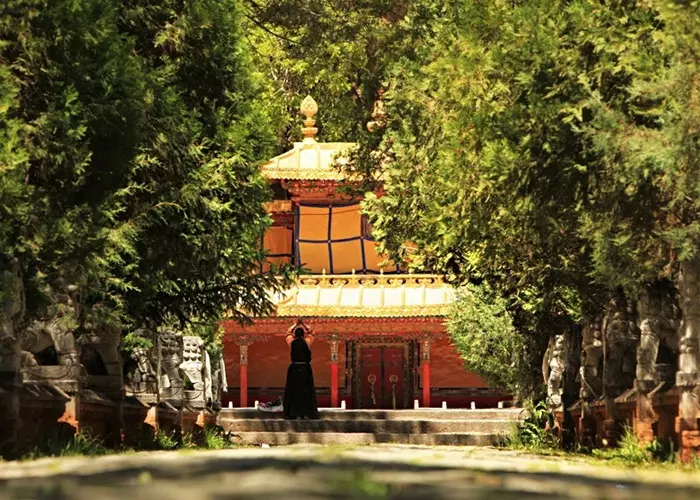
Jokhang Temple is recognized as the most important temple in Tibetan Buddhism. This elegant architecture was built in 652 by King Songtsen Gampo. Being founded for his two brides, the Princess of the Tang Dynasty and the Princess of Nepal, the temple has a mixed style of Chinese, Tibetan, and Nepalese design. Pilgrims all over Tibet come to Jokhang Temple to do kora around it and worship in front of it. In winter, you will see fewer tourists and more devout Tibetan pilgrims.

Sera Monastery
Sera Monastery, meaning“Wild Roses Monastery" in Tibetan, lies about 6 kilometers north of Jokhang Temple. Every afternoon, from Monday to Saturday, monks in traditional red robes gather in the courtyard to engage in lively Buddhist debates — a must-see event. Besides the debate, Sera Monastery is famed for its exquisite mandalas and Buddha murals, making it one of the most beautiful monasteries in Tibet.

Namtso Lake
Known as the“Heavenly Lake”, Namtso is one of the highest saltwater lakes in the world. In winter, its partially frozen surface glows blue against the snow-covered peaks — a breathtaking contrast. It’s a magical and tranquil place to witness Tibet’s natural beauty. However, heavy snow may occasionally block the road, so it’s best to check the weather forecast before traveling there in winter.

Yamdrok Lake
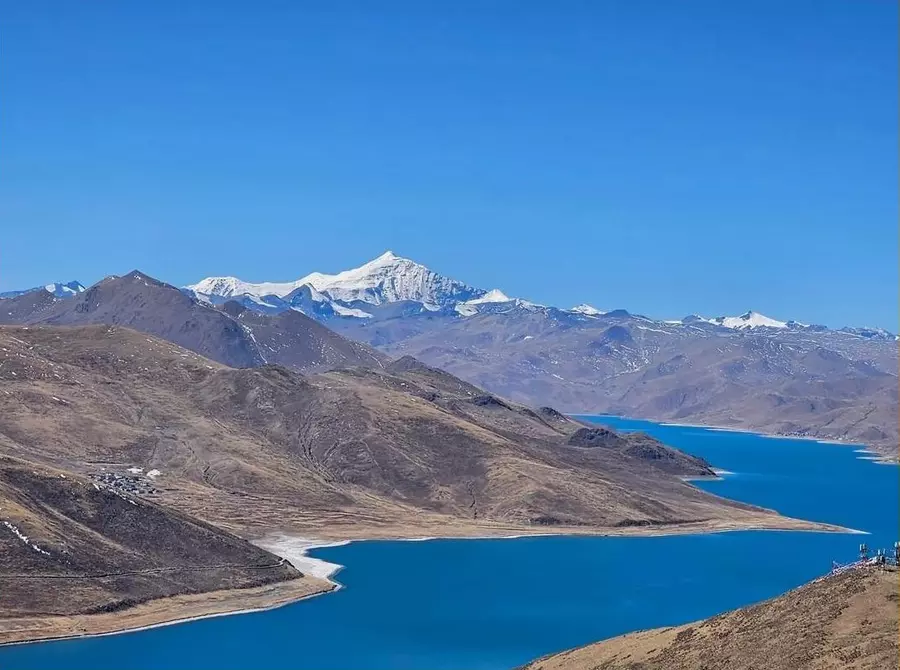
One of Tibet's three sacred lakes, Yamdrok Lake's turquoise waters remain vivid against the winter snow. The drive to the lake offers panoramic views of snow-capped mountains and pastoral scenes of yaks grazing in the valleys. In front of this turquoise lake, you can free your body and your spirit from noise. In particular, you can drive along the lake shore to feel its pure and turquoise water, which is amazing. And of course, it's free of charge this winter.
Everest Base Camp
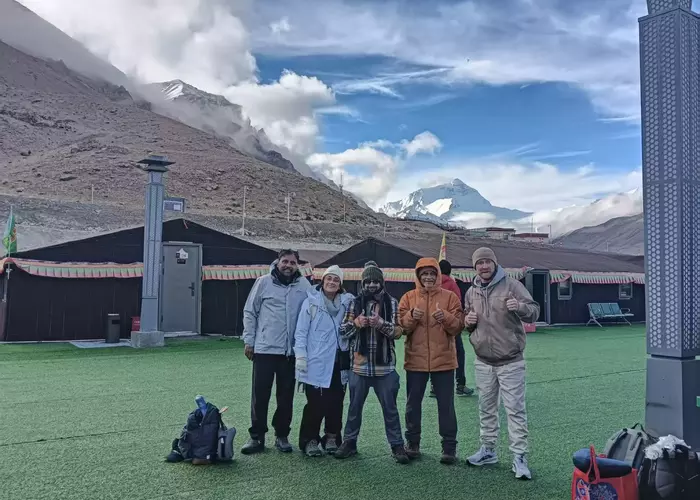
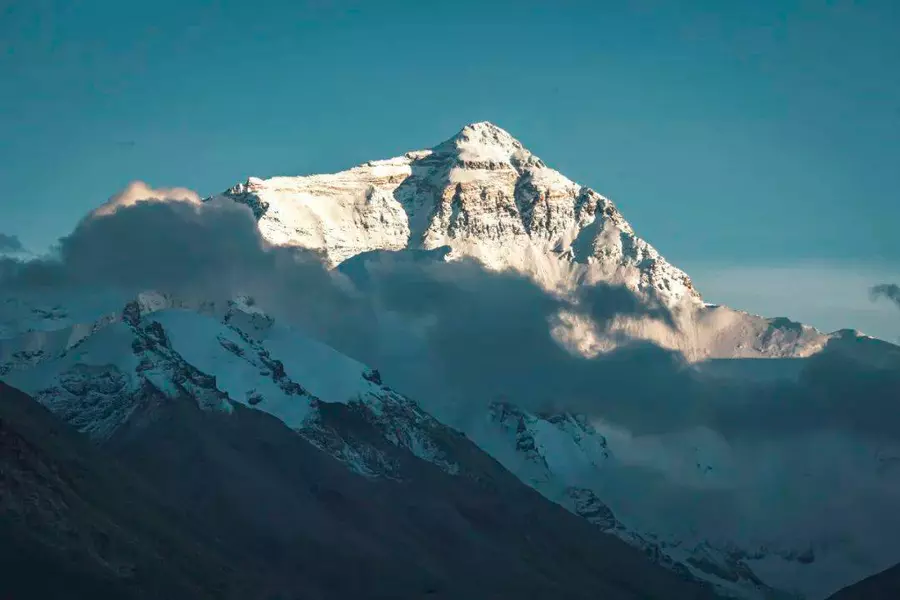
Everest Base Camp is accessible year-round, but winter brings crystal-clear skies, offering some of the best views of Mount Everest. The landscape is pristine, and the air is crisp — perfect for photography or simply soaking in the majesty of the world's highest peak. During this period, the Mt. Everest National Nature Reserve is also free for all visitors. You can enjoy the scenic drive and, if the weather permits, experience a starry night at the Base Camp or witness the golden sunset glow on Everest's summit.
Mount Kailash and Lake Manaarovar
For a spiritual journey in Tibet, Mount Kailash and Lake Manasarovar are sacred destinations. However, both attractions are closed after October due to harsh weather conditions.
Mount Kailash is revered as the abode of Lord Shiva in Hinduism and regarded as the center of the universe in Buddhism. Pilgrims from all over the world come here to perform parikrama (circumambulation) around the mountain, making it one of Asia’s most significant pilgrimage sites.
Fed by glaciers from Kailash, Lake Manasarovar is the highest freshwater lake in the world and considered the holiest lake in Hinduism, said to have been created in the mind of Lord Brahma. Pilgrims circle the lake, admire its divine beauty, and find spiritual renewal.

Conclusion
According to the policy of the winter Tibet Trip, you can not only have the opportunity to explore Tibet's most iconic attractions at a fraction of the usual cost, but also enjoy the breathtaking landscapes and fewer crowds. Besides, you can have additional discounts on flights, accommodations, and tours. Winter 2025-2026 is the perfect time to embark on your dream journey to Tibet.
Email response within 0.5~24 hours.