
How to Visit Shigatse?
- Eric
- Last Updated : 12/15/2025
Shigatse, the second-largest city in Tibet, offers a blend of natural beauty, deep spirituality, and rich culture. But there's more to Shigatse than just the city itself. The region is also known as Shigatse Prefecture, which spans an area of 182,000 square kilometers and boasts an average elevation of 4,000 meters (13,124 feet). Shigatse City serves as the heart of this vast region and has been an important center of Tibetan Buddhism for centuries. With its historic monasteries, stunning mountain vistas, and proximity to Mount Everest, Shigatse has become a must-visit destination for tourists in Tibet.
A Land of Majestic Peaks and Spiritual Heritage
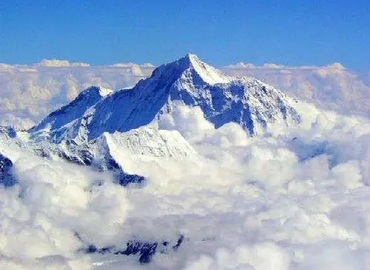
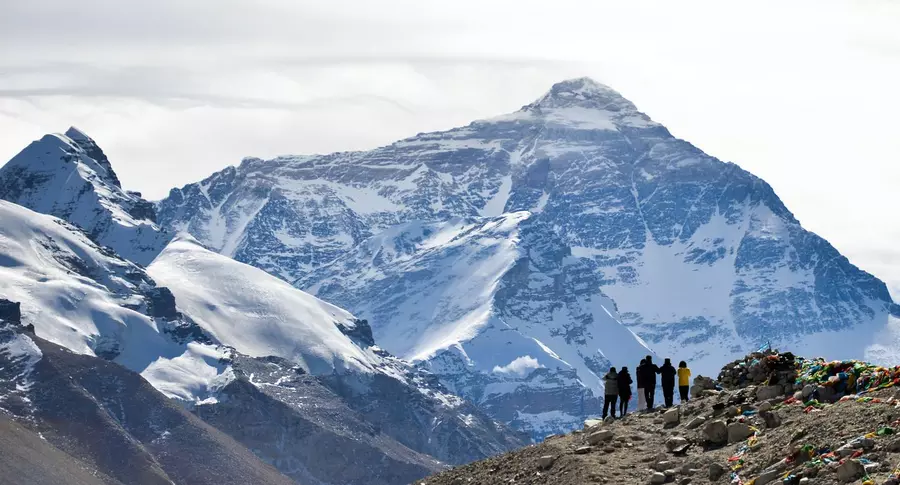
Shigatse is surrounded by dramatic Himalayan landscapes and is home to five peaks over 8,000 meters, including Mount Everest, the highest peak on earth, which sits on the border between China and Nepal. For decades, it has been a popular stopover for travelers entering Tibet from Nepal via the Friendship Highway, making it a key point of entry for many Tibet-bound tourists. The city itself is a vibrant mix of ancient Tibetan culture and the stunning natural beauty of the Tibetan Plateau.
Weather and Climate of Shigatse
Shigatse enjoys a relatively mild climate for a Tibetan region. Thanks to its location, where the Yarlung Tsangpo and Nyang Chu Rivers converge, the area is known for fertile land and mild temperatures compared to other parts of Tibet. This unique geographical setting has earned Shigatse the nickname "The Rich Manor."
The climate is cool and cold, with a typical plateau mountain climate. Summer temperatures hover around 21°C (70°F) during the day and drop to 10°C (50°F) at night. Even in winter, the temperature can rise to a comfortable 7°C (50°F) when the sun is shining. Overall, Shigatse is a great destination year-round, with pleasant weather conditions for sightseeing and outdoor activities. >> See more about Shigatse Weather
How to Get to Shiagatse?
Shigatse lies in the southwest of Tibet and is conveniently connected to Lhasa, making it easy for travelers to reach. The distance between the two cities is about 265 km, and most visitors travel from Lhasa because the transportation options are frequent, comfortable, and reliable.
By Road from Lhasa
Traveling by road is also popular. The expressway and the Friendship Highway are flat, well-paved, and safe, taking around 5–6 hours. This route passes famous viewpoints such as Yamdrok Lake and Karola Glacier, making it ideal for sightseeing.
By Train from Lhasa
The Lhasa–Shigatse Railway offers the most convenient way to travel. The journey takes 2.5–3 hours, following a scenic route along the Yarlung Tsangpo River. Trains run daily and are very comfortable for all types of travelers.
By Air
Shigatse Peace Airport operates limited flights, mostly seasonal or connected through Lhasa or Chengdu. There is also an airport in Tingri, but it primarily serves Everest-area routes. Because flight schedules are not frequent, most tourists still prefer traveling from Lhasa by train or car.
From Nepal
For travelers entering Tibet overland, the classic route is Gyirong Port → Tingri → Shigatse. This has been a popular path for visitors heading toward Everest and then continuing deeper into Tibet.
Things to Do in Shigatse
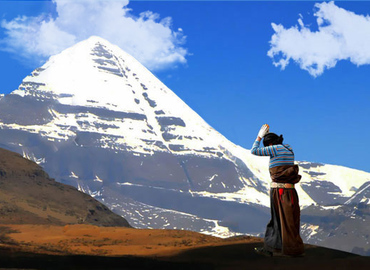
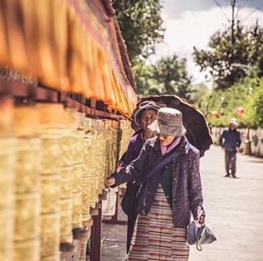
Shigatse is known for its deep Buddhist heritage and strong religious atmosphere. Whether you stroll through the streets or walk inside the monasteries, you’ll often see local Tibetans turning prayer wheels with quiet dedication. Beyond exploring its historic monasteries, many travelers also come here for the unforgettable journey toward Mount Everest.
Visit Tashilhunpo Monastery
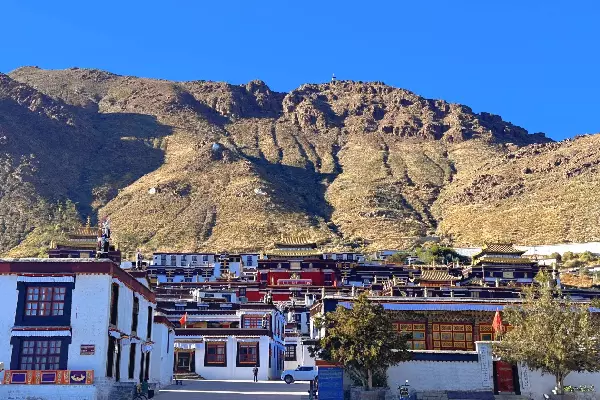
Tashilhunpo Monastery is the largest monastery in Shigatse Prefecture and one of the four great Gelugpa monasteries in Tibet. Founded in 1447, it has long been the traditional seat of the Panchen Lama. Around 600 monks live here today. The monastery houses the funerary stupa of the First Dalai Lama and a magnificent 26.2-meter Maitreya Buddha—the tallest bronze sitting Buddha in the world. >>See more about Tashilhunpo Monastery
Explore Shalu Monastery
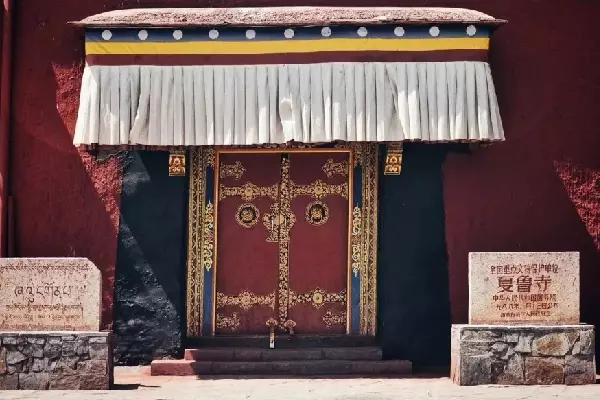
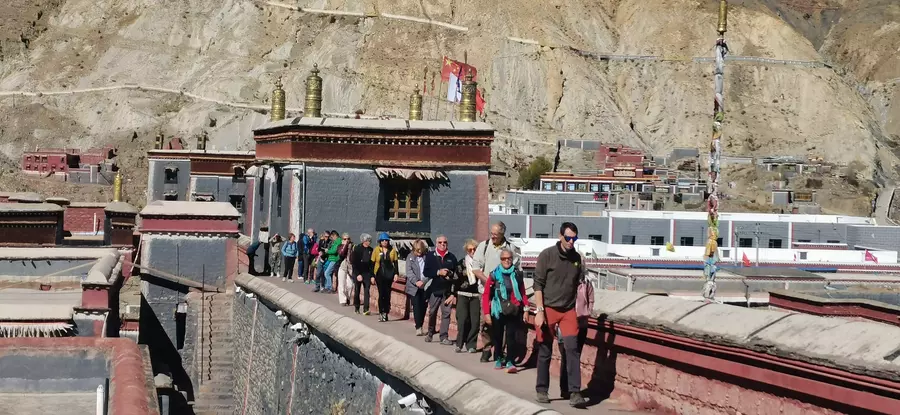
Located 26 km southeast of Shigatse, Shalu Monastery is one of Tibet's best-preserved early monasteries, with most of its complex dating back to the Yuan Dynasty. Its unique blend of Tibetan-style architecture and Han-style roofs makes it stand out among Tibetan monasteries. The monastery is also home to four precious relics passed down for centuries, including sandalwood sutras and a stone basin once used by Chetsun Sherab Jungnay. >>See more about Shalu Monastery
Discover Sakya Monastery
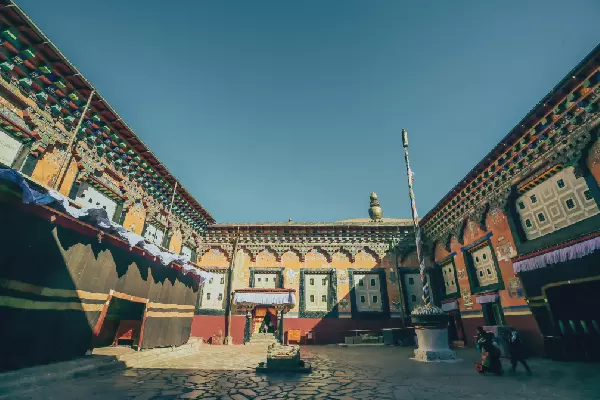
Situated in Sakya County between the Kailas Range and the Himalayas, Sakya Monastery has a history of over 900 years. With its vast collection of murals, statues, and ancient scriptures, it is known as the“Second Dunhuang.” Historically, it was as prominent as the Potala Palace and Samye Monastery, and it remains the spiritual center of the Sakya Sect of Tibetan Buddhism. >>See more about Sakya Monastery
Admire Mount Everest
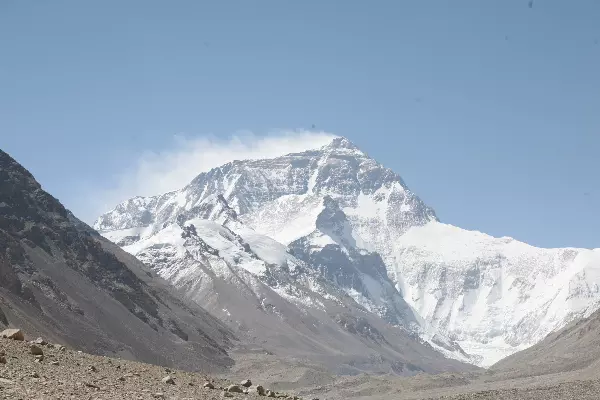
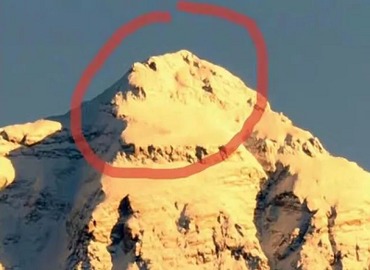
No trip to Shigatse is complete without visiting Everest Base Camp (EBC). Even though most travelers do not climb the peak, standing at the foot of the world's highest mountain is an unforgettable experience. Whether it's the golden glow of sunrise, the star-filled sky at night, or the majestic view from Jiawula Pass, Everest always inspires awe. >>See more about Mt.Everest
Climb up to Sangzhutse Dzong
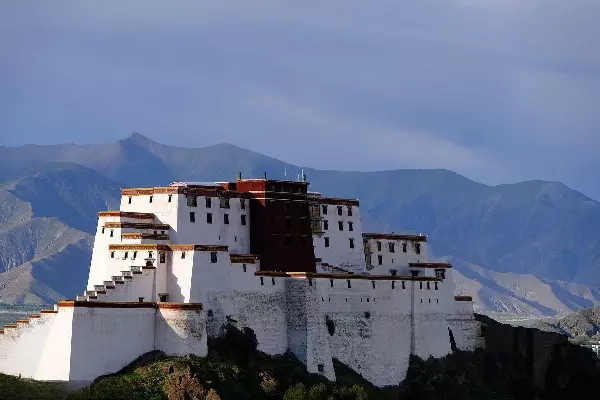
Built in 1360 and perched on a mountain north of Shigatse, Sangzhutse Dzong is nicknamed the “Little Potala Palace" due to its resemblance to the iconic structure in Lhasa—though historical records note that the Potala Palace actually drew inspiration from it. With striking red and white walls, the dzong has long been one of Shigatse's landmarks. From its high vantage point, you can enjoy sweeping views of the entire city. >> See more about Sangzhutse Dzong
Final Thoughts for Travelers
Shigatse is a place where breathtaking nature and timeless tradition come together. Whether you come for its ancient monasteries, peaceful Buddhist atmosphere, or the unforgettable journey toward Mount Everest, the region offers experiences found nowhere else in Tibet. No matter how long you stay, Shigatse leaves a quiet and lasting impression, making it a highlight of any Tibet itinerary.
Email response within 0.5~24 hours.