
Holi: A Festival of Colors in the Southern Himalayas
- Eric
- Last Updated : 03/17/2026
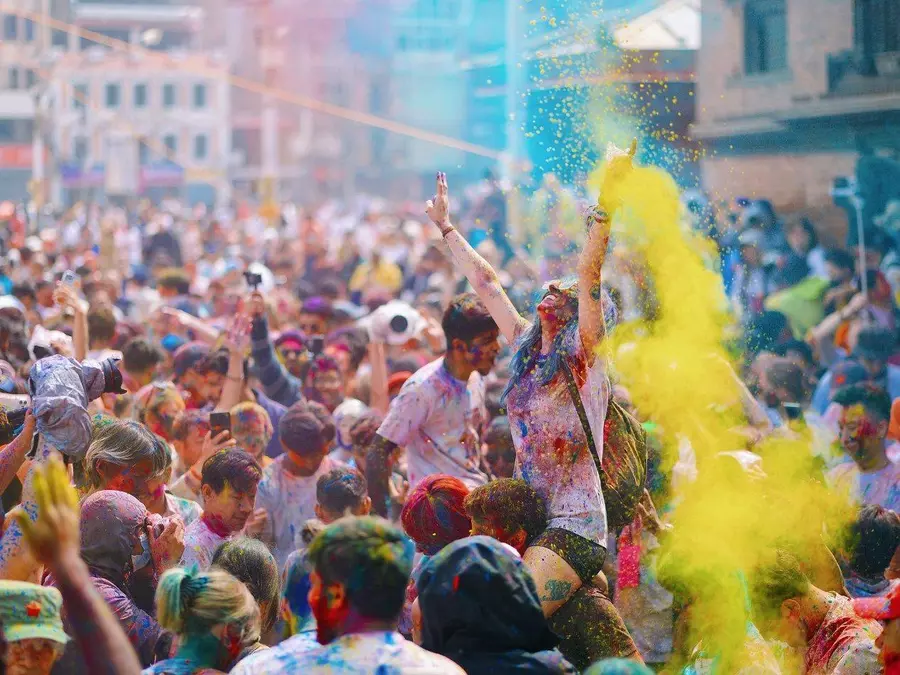
Holi, also known as the Festival of Colors, is one of the most famous and ancient festivals in Hinduism and the second-largest festival in India. It celebrates the arrival of spring and the beginning of a new year. During the holiday, people gather in the streets to throw colored powder at each other, dance, sing, and share laughter, creating vibrant scenes filled with bright colors and festive energy. The celebration has become a symbol of joy, unity, and the arrival of spring.
Holi is celebrated on the full moon day of the Hindu month of Phalgun. Because the Hindu calendar does not correspond exactly with the Gregorian calendar, the date of Holi changes each year. It usually falls between late February and March. In 2026, Holi will be celebrated on March 3 in India, while celebrations in Nepal (Kathmandu Valley and hill regions) begin on March 2.
The festival is most widely celebrated in India and Nepal, but it is also observed in many other parts of the world with large Indian communities, including Suriname, Guyana, Trinidad and Tobago, the United Kingdom, Mauritius, Fiji and Thailand.

Origin of Holi
The origins of Holi can be traced back to ancient India. References to the festival appear in early Hindu texts, including the epic Mahabharata. Some historians believe that the festival first became popular in eastern India before spreading to other regions. Over time, several Hindu legends became closely associated with its celebration, the most famous being the story of Prahlada and Holika.
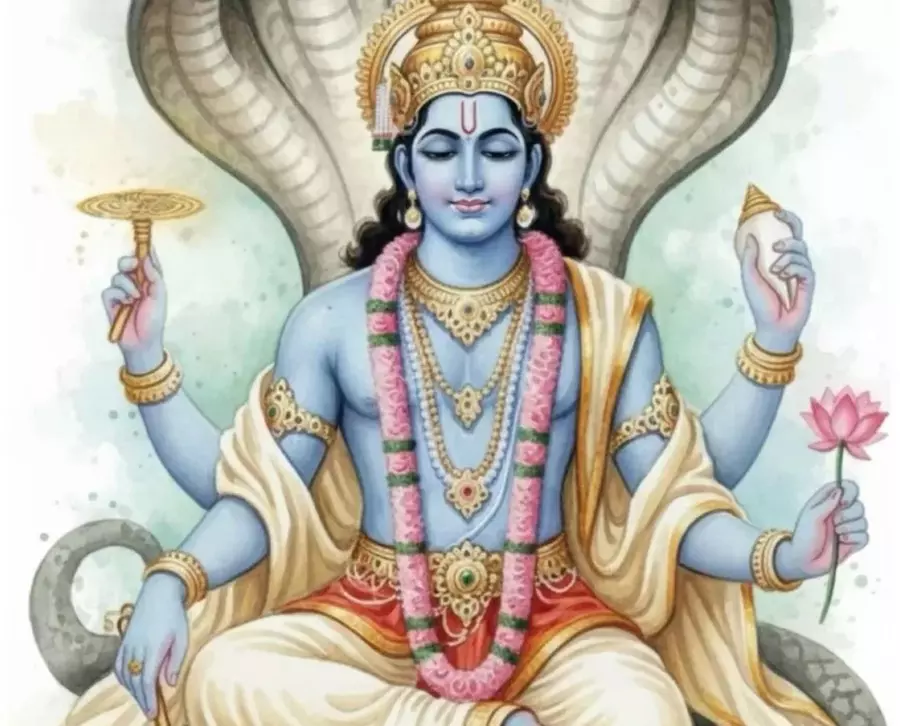
According to tradition, the demon king Hiranyakashipu demanded that everyone worship him as a god. However, his son Prahlada remained a devoted follower of the Hindu god Vishnu. Enraged by his son’s devotion, the king attempted to punish him in various ways, but Prahlada miraculously survived each attempt. Finally, Hiranyakashipu asked his sister Holika, who was believed to be immune to fire, to sit with Prahlada on a burning pyre in order to kill him. Unexpectedly, Holika was burned to ashes while Prahlada emerged unharmed, protected by Vishnu. To commemorate this legend, people perform the ritual of Holika Dahan on the eve of Holi. Bonfires are lit and effigies of Holika are burned, symbolizing the destruction of evil and the triumph of righteousness.
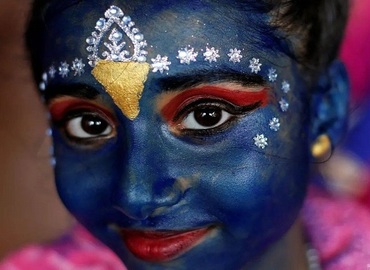
Another popular legend comes from the Braj region of India and is associated with the love story of Krishna and Radha. Krishna, considered an incarnation of the Hindu god Vishnu, fell in love with Radha, a milkmaid. Feeling a little self-conscious about his dark blue skin, he playfully applied color to Radha’s face and to those of her companions while playing with them. This playful act is believed to be the origin of the Holi tradition of throwing colored powder and spraying colored water on one another.
In some traditions in southern India, Holi is also connected with the story of Kamadeva, the Hindu god of love. According to legend, Kamadeva was burned by the fiery gaze of the god Shiva, but later revived, symbolizing the renewal of love and life.
Cultural Significance of Holi
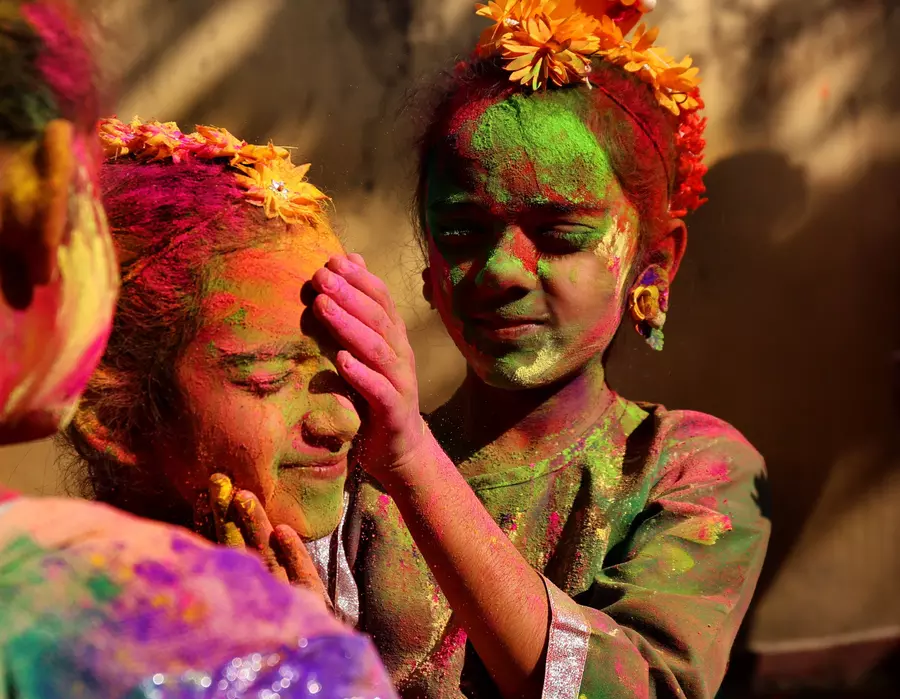 Holi is often seen as a symbol of unity and equality.
One important cultural meaning of Holi is its connection with the changing seasons and ancient agricultural traditions. As winter ends and spring arrives, the festival celebrates the full moon and the renewal of nature. For many communities, it represents hopes for a good harvest, family happiness, and a fresh beginning. This seasonal symbolism reflects the long-standing agricultural heritage that has shaped Indian society for centuries.
On a social level, Holi is often seen as a symbol of unity and equality. During the holiday, people temporarily set aside differences of status, caste, and social background. In the streets, they throw colored powder, share food, sing, and dance together. In this joyful and relaxed atmosphere, people exchange greetings and strengthen friendships, helping to bring communities closer together.
Holi is also deeply reflected in India’s artistic and cultural traditions. Many paintings, songs, and literary works portray lively scenes of people celebrating with colors, as well as the stories of Krishna and Radha. Through vibrant colors, music, and dance, these works often express themes of love, harmony, and the vitality of life.
For this reason, Holi is not only a joyful festival celebration but has also come to represent friendship, inclusiveness, and the spirit of celebrating together.
Holi Rituals and Traditions
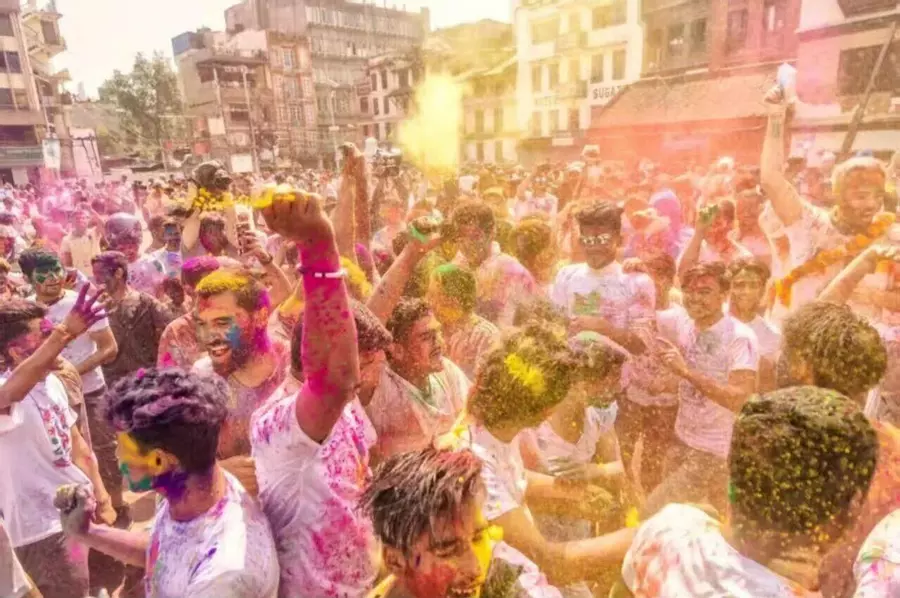
In India and Nepal, the ways of celebrating Holi vary from place to place, but the atmosphere everywhere is filled with joy, color, and a spirit of togetherness. The festival usually begins on the evening before Holi with the Holika Dahan bonfire ritual. This ceremony symbolizes the destruction of evil and the triumph of righteousness, while also marking the end of winter and the arrival of spring. People in the community gather around the bonfire to sing, dance, and pray for peace and prosperity in the coming year.
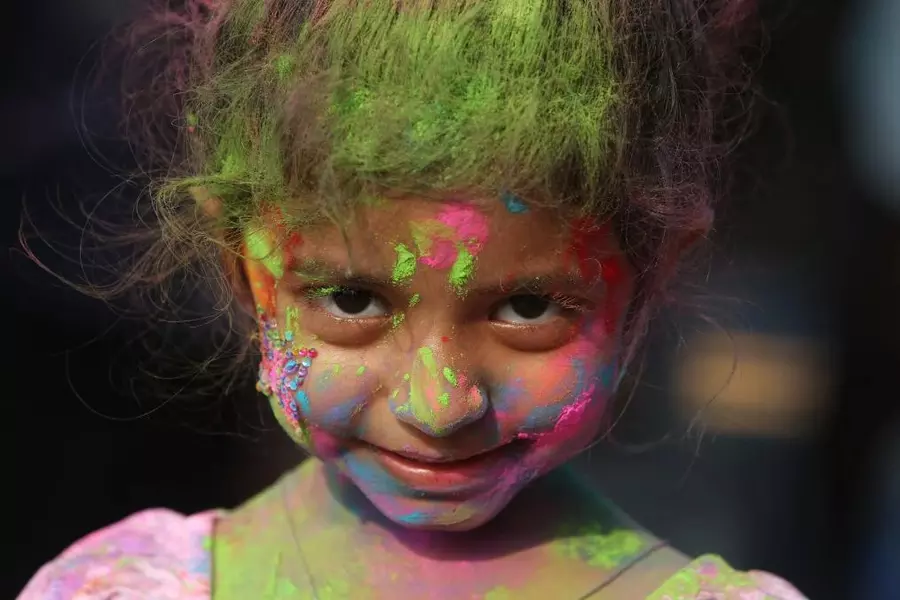
The following day is the most lively part of the celebration. People often wear white clothes and take to the streets, throwing colored powder (gulal) and colored water balloons (lola in Nepali) at one another. Some also use water guns to join in the fun. Regardless of age, gender, or social background, everyone participates by smearing colors on each other and celebrating together. People hug, dance, and apply color to one another’s foreheads as a gesture of goodwill, filling the air with laughter and bright colors.

Traditionally, these colors were made from natural sources such as flowers, turmeric, and other plants. Each color is associated with joy, vitality, and the arrival of spring. In both India and Nepal, Holi is widely celebrated across communities, and many people believe that the vibrant colors of the festival help wash away sadness, bringing happiness and strengthening the bonds between friends and family.
On this day, special foods and drinks are also prepared and shared with family and friends. Popular treats include the sweet fried pastry Gujiya, the yogurt-based snack Dahi Bhalla, and the traditional drink Thandai, made with milk, nuts, and rose petals. These festive dishes add flavor to the celebrations and highlight the joy of sharing and togetherness.
Best Places to Celebrate Holi
Holi originated in India and is most widely celebrated in India and Nepal. Different regions have developed their own traditions, from ancient religious rituals to lively street festivals and modern celebrations.
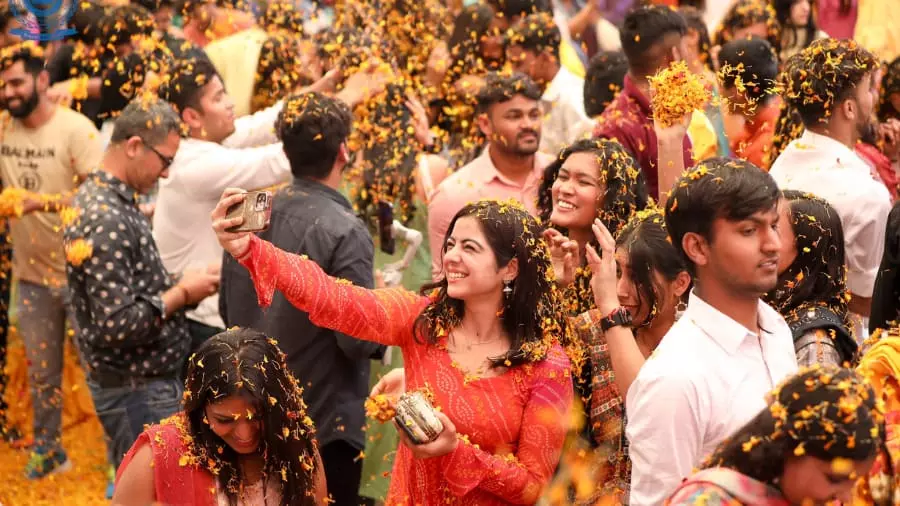
Mathura & Vrindavan, India
Located in Uttar Pradesh, Mathura and Vrindavan are considered the most traditional places to celebrate Holi. Both cities are closely associated with the legends of Krishna, and the celebrations often last several days. One of the most famous events is Lathmar Holi, known for its unique local customs and vibrant atmosphere.
Udaipur & Jaipur, India
In Rajasthan, Holi celebrations often feature a royal touch. In Udaipur, a grand Holika Dahan bonfire ceremony is traditionally held near the City Palace, accompanied by music, dance, and cultural performances. Jaipur also hosts colorful public celebrations throughout the city.
West Bengal & Goa, India
In West Bengal, the town of Santiniketan celebrates Holi as Basanta Utsav, or the Festival of Spring, known for its strong artistic and cultural atmosphere with poetry, music, and dance. In contrast, Goa offers a more modern and lively celebration, featuring beach parties, street festivals, and music events that attract young travelers and international visitors.
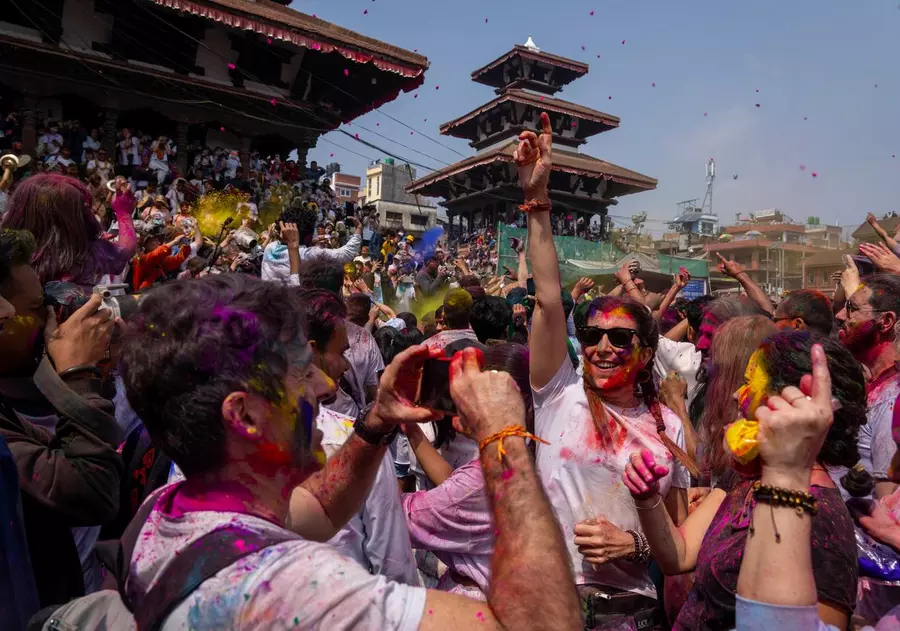
Kathmandu & Pokhara, Nepal
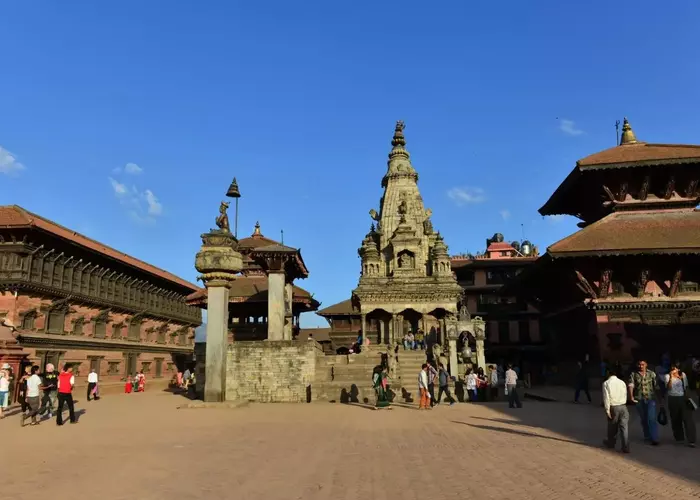
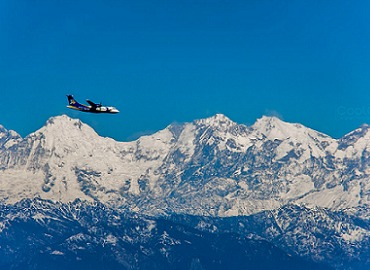
In Nepal, Holi is widely celebrated in Kathmandu, especially around Durbar Square and the Thamel district, where crowds gather to throw colors and enjoy music and dancing. In Pokhara, the lakeside celebrations take place against the stunning backdrop of the Annapurna mountains, creating a relaxed and scenic holiday atmosphere.
Pattaya, Thailand
As Holi has gained popularity worldwide, many international destinations now host large color festivals. Pattaya in Thailand is known for its lively Holi-style celebrations, featuring music events, dance parties, and colorful gatherings that attract travelers from around the world.
Travel Tips
- Clothing: During Holi, you’ll get covered in colorful powder. Wear old, comfortable clothes and avoid bringing valuables.
- Protect Skin and Eyes: Use sunscreen and moisturizer, and consider wearing a hat or sunglasses to protect your eyes from colored powders.
- Cameras and Electronics: Keep cameras and phones in waterproof or dustproof covers or plastic bags to prevent damage from the powders.
- Participate with an Open Mind: Holi is a festival of joy and interaction. Being splashed by strangers is considered a blessing, so embrace the fun with a positive attitude.
- Food and Water: Try traditional festive snacks and drinks, but pay attention to hygiene, especially with street food and water.
Email response within 0.5~24 hours.