


Kailash Mansarovar Yatra for NRI & OCI Travelers
- Beatrice
- Last Updated : 03/24/2026
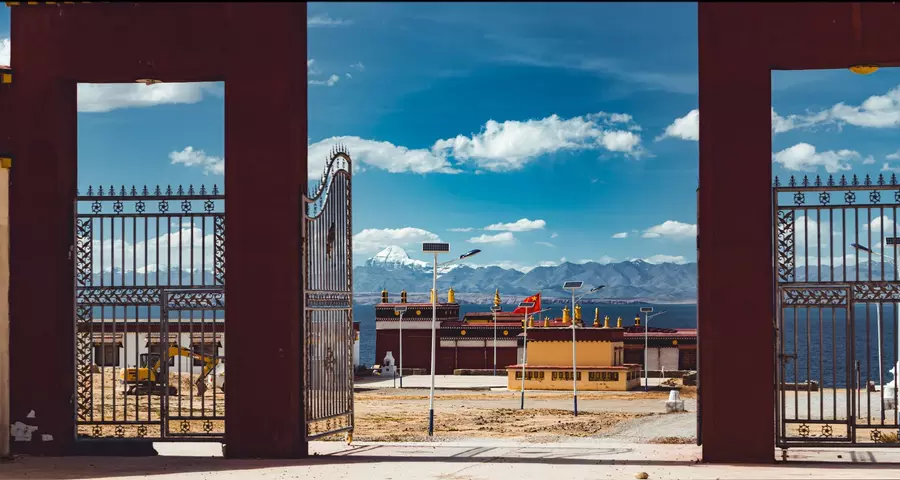
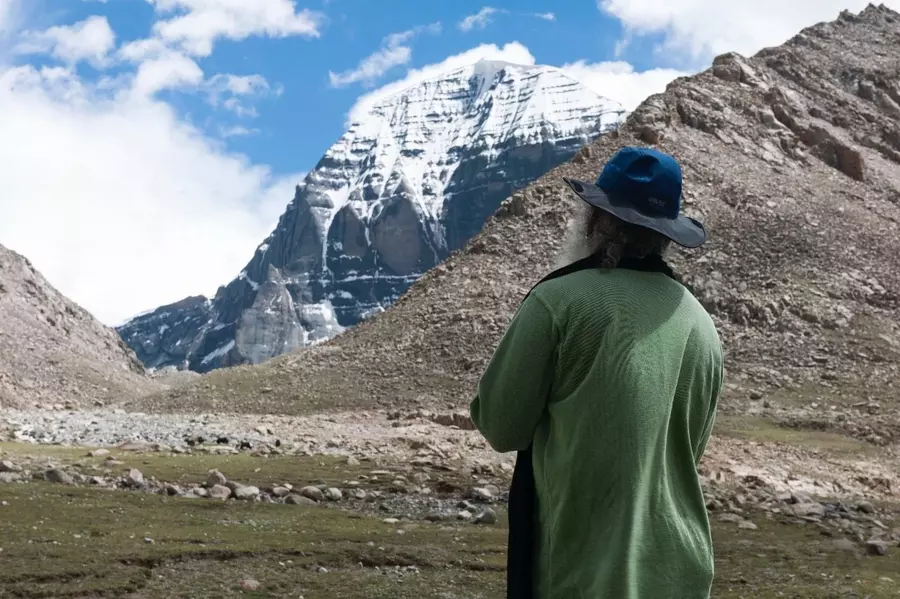
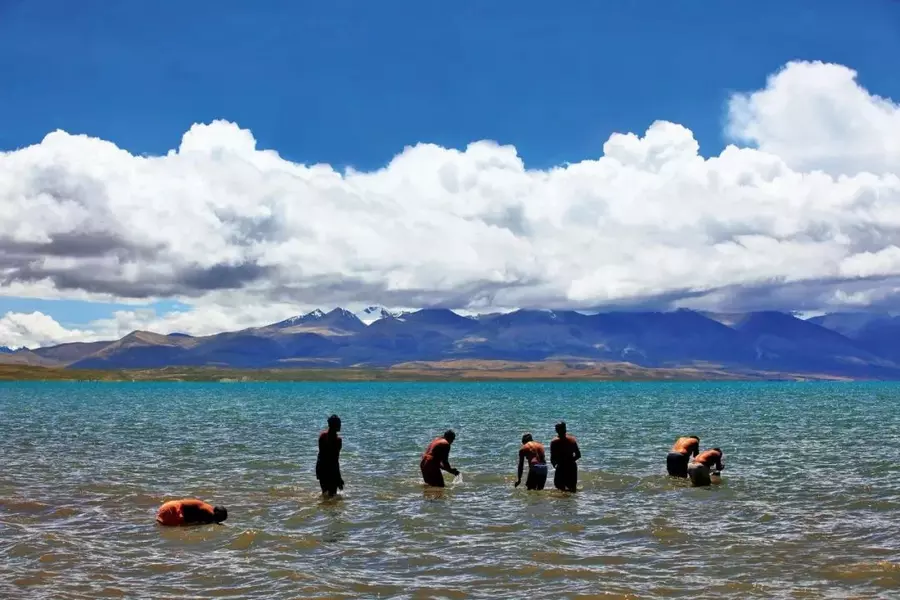
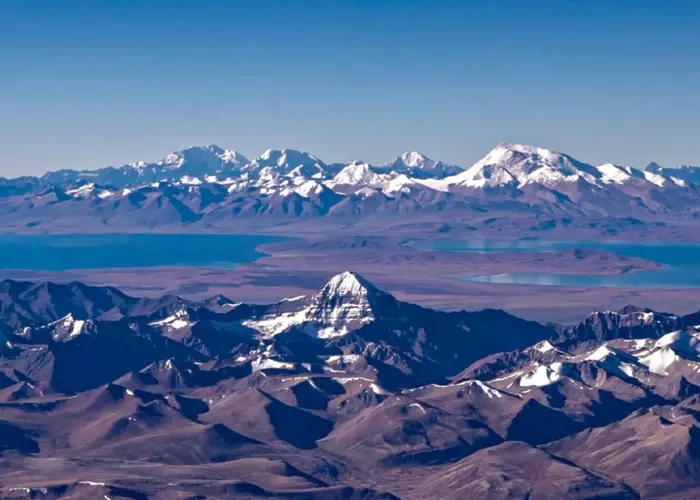
For Hindus around the world, Mount Kailash and Lake Manasarovar hold profound spiritual significance. Mount Kailash is revered as the sacred abode of Lord Shiva, while Lake Manasarovar is believed to have been created by Lord Brahma and is associated with spiritual purification. For many devotees, undertaking the Kailash Mansarovar Yatra — including the Parikrama around the sacred mountain — represents a lifelong spiritual aspiration rather than an ordinary journey. Today, with improved access through Tibet, this revered journey has become possible for NRI and OCI cardholders, provided it is arranged in accordance with current travel and permit regulations.
Key Differences at a Glance
NRI travelers are Indian passport holders residing outside India, while OCI cardholders are foreign passport holders of Indian origin who hold an Overseas Citizen of India card. Although both groups share cultural and familial ties to India, they are treated under different travel and permit regulations when visiting Mount Kailash. As a result, the permit requirements and available routes for NRI and OCI travelers are not exactly the same.
| Aspect | NRI (Indian Passport Holder) | OCI Card Holder |
|---|---|---|
| Passport Status | Indian passport | Foreign passport + OCI card |
| Permit Category | China Group Visa + Indian pilgrim permits | China Visa + Tibet travel permits |
| Route Options | Fixed, designated routes only | Fixed NRI routes or international routes |
| Group Type | Indian pilgrim groups | Indian or international groups |
| Flexibility | Limited | Relatively more flexible |
| Permit Restrictions | Route-specific | Route-dependent |
Permits Requirements
For NRI and OCI travelers, the permits are issued by two different government agencies, namely, the Foreign Affairs Office and the Tibet Tourism Bureau.
For NRI Travelers (Indian Passport Holders)
NRI travelers visiting Mount Kailash are required to follow the organized Kailash Yatra groups, which involve a longer processing time and fixed travel arrangements. Advance planning is essential.
- Processing time: Permit and group visa processing usually takes 45 days or more. Early preparation is strongly recommended.
- Passport: Must be valid for at least six months.
- Document submission: A scanned copy of the passport must be submitted at least 45 days in advance. All entry permits are applied for by the pilgrimage center, which operates under the supervision of the relevant Foreign Affairs authorities.
- Chinese Group Visa: NRI travelers must travel to New Delhi and submit their original passports to apply for a Chinese group visa. The processing time is usually 7–10 working days.
- Medical requirement: A medical check-up certificate may be required for high-altitude travel, and it is advised to facilitate permit approval.
For OCI Card Holders (Foreign Passport Holders)
OCI card holders are treated as foreign travelers for Mount Kailash tours and follow the standard foreigner permit process, which offers more flexibility in routes and group arrangements.
- Processing time: Permit processing generally requires at least 22 days after obtaining a Chinese visa. Applying 30 days in advance is recommended.
- Passport: Must be valid for at least six months.
- Tibet permits required:
- Tibet Travel Permit
- Alien’s Travel Permit
- Military Permit (for the Ngari / Mount Kailash region)
These permits are applied for by a licensed Tibet travel agency using passport copies and are processed through the Tibet Tourism Bureau, National Security Bureau, Public Security Bureau and Military Office.
- Chinese Visa:
- Travelers holding passports from China visa-free countries do not need to apply for a visa.
- Travelers from non–visa-free countries must apply for a Chinese tourist visa with a travel invitation letter provided by the travel agency.
- Visa applications are submitted at the local Chinese embassy or consulate, and the processing time is usually 2–4 weeks.
Route Options
Due to permit regulations, NRI travelers are required to follow fixed, designated routes for the Mount Kailash tour. OCI card holders may either follow the same fixed routes as NRIs or join international routes, depending on their travel preference and permit category. Below is a general overview of the main route options.
Pilgrimage Route for NRI Travelers
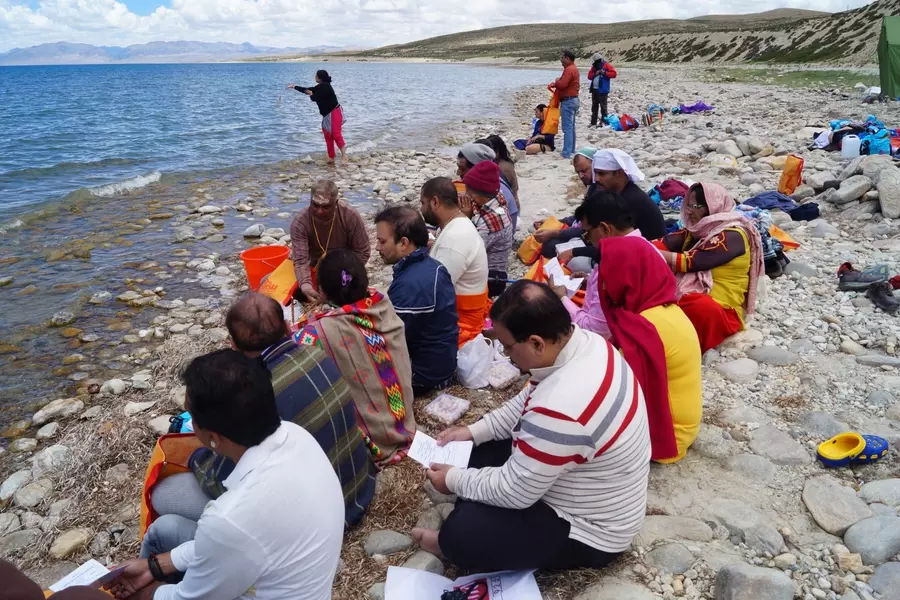
There are five main pilgrimage routes, briefly outlined below. It is worth noting that some pilgrimage programs in the market are described as starting from Kathmandu or Lucknow. In practice, these differences mainly relate to pre-arranged services outside China, such as sightseeing or transfers in Nepal or India. Once pilgrims enter the Tibet Autonomous Region through designated ports—such as Gyirong or Purang—the pilgrimage within Tibet follows the same approved routes and arrangements.
1. Gyirong Entry & Exit Route
This is the most commonly used overland route for NRI pilgrims entering Tibet from Nepal. The journey follows a gradual ascent, allowing better altitude adaptation before reaching Mount Kailash and Lake Manasarovar.
Route: Gyirong → Saga / Zhongba → Manasarovar → Darchen → Mount Kailash Parikrama → Return via Gyirong
√ 14D Kailash Mansarovar Yatra by Road from Kathmandu
2. Purang Entry & Exit Route
This route enters Tibet directly via Purang Port, offering a shorter overall pilgrimage duration. It is often chosen by pilgrims who prefer a more direct approach to Manasarovar and Mount Kailash.
Route: Purang → Manasarovar → Darchen → Mount Kailash Parikrama → Return via Purang
√ 12D Kailash Mansarovar Yatra by Helicopter from Kathmandu √ 10D Kailash Mansarovar Yatra by Helicopter from Lucknow
3. Lhasa Entry & Exit (Overland Route)
Pilgrims enter via Lhasa and travel overland to western Tibet. The longer itinerary allows gradual acclimatization while passing through central Tibet before reaching Ngari.
Route: Lhasa → Shigatse → Saga → Manasarovar → Darchen → Mount Kailash Parikrama → Return to Lhasa
4. Lhasa Entry & Exit (Lhasa–Ngari Flight Route)
This route combines domestic flights and overland travel, reducing driving time to western Tibet. It is suitable for pilgrims seeking a shorter journey while still following the approved route structure.
Route: Lhasa → Ngari (Flight) → Manasarovar → Darchen → Mount Kailash Parikrama → Return to Lhasa
5. Lhasa Entry & Exit (International Flight Combination Route)
This route involves international and domestic flights, with entry and exit via Lhasa.
It is mainly arranged under special group arrangements and follows the same core pilgrimage circuit.
Route: Pokhara / Kathmandu → Lhasa → Purang / Ngari → Manasarovar → Mount Kailash Parikrama → Return
Pilgrimage Routes for OCI Travelers
Compared with NRI pilgrims, OCI cardholders enjoy greater flexibility in choosing pilgrimage routes. Depending on permit arrangements, OCI travelers may either follow the fixed pilgrimage routes used by NRI groups or join standard Tibet itineraries together with other international travelers. Below are the most commonly adopted route patterns for OCI pilgrims.
1. Gyirong Entry & Exit Route
This is the most commonly used overland route for NRI pilgrims entering Tibet from Nepal. The journey follows a gradual ascent, allowing better altitude adaptation before reaching Mount Kailash and Lake Manasarovar.
Route: Gyirong → Saga / Zhongba → Manasarovar → Darchen → Mount Kailash Parikrama → Return via Gyirong
√ 9D Kathmandu to Kailash Kathmandu Overland Tour
2. Lhasa Entry & Gyirong/Lhasa Exit (Overland Route)
Pilgrims enter via Lhasa and travel overland to western Tibet. The longer itinerary allows gradual acclimatization while passing through central Tibet before reaching Ngari. You can exit either at Gyirong Port or get back to Lhasa.
Route: Lhasa → Shigatse → Saga → Manasarovar → Darchen → Mount Kailash Parikrama → Exit at Gyirong/Return to Lhasa
√ 12D Lhasa Mt Kailash Kathmandu Group Tour
3. Lhasa Entry & Exit (Ngari – Lhasa Flight Route)
This route combines overland travel and domestic flights, reducing driving time to western Tibet. It is suitable for pilgrims seeking a shorter journey while still following the approved route structure.
Route: Lhasa → Ngari (Land) → Manasarovar → Darchen → Mount Kailash Parikrama → Return to Lhasa (Flight)
4. Purang Entry & Exit Route
This route enters Tibet directly via Purang Port, offering a shorter overall pilgrimage duration. It is often chosen by pilgrims who prefer a more direct approach to Manasarovar and Mount Kailash. This route will usually go with Indian pilgrimage groups.
Route: Purang → Manasarovar → Darchen → Mount Kailash Parikrama → Return via Purang
Pilgrimage Essentials for NRI & OCI Travelers
Regardless of whether travelers are NRI or OCI cardholders, the core pilgrimage experience at Mount Kailash remains the same once they arrive in the Kailash region. The Kailash Parikrama follows identical religious customs, seasonal patterns, and high-altitude conditions for all pilgrims. For this reason, essential information such as Parikrama guidelines, the best time to visit, and health and altitude considerations applies equally to both NRI and OCI travelers and is outlined below.
Best Time to Visit Mount Kailash
The Mount Kailash pilgrimage season generally runs from May to September, when weather conditions are relatively stable and roads to the Kailash region are open. June to August is the peak period, especially among Hindu pilgrims, as it aligns with traditional pilgrimage timings, though occasional monsoon rain may occur. May and September are often favored by travelers seeking fewer crowds and clearer skies, but temperatures can be colder, particularly at night. In addition to the main season, OCI passport holders may also be permitted to visit Mount Kailash in late April or October, subject to travel arrangements and local regulations.
Health and Altitude Considerations
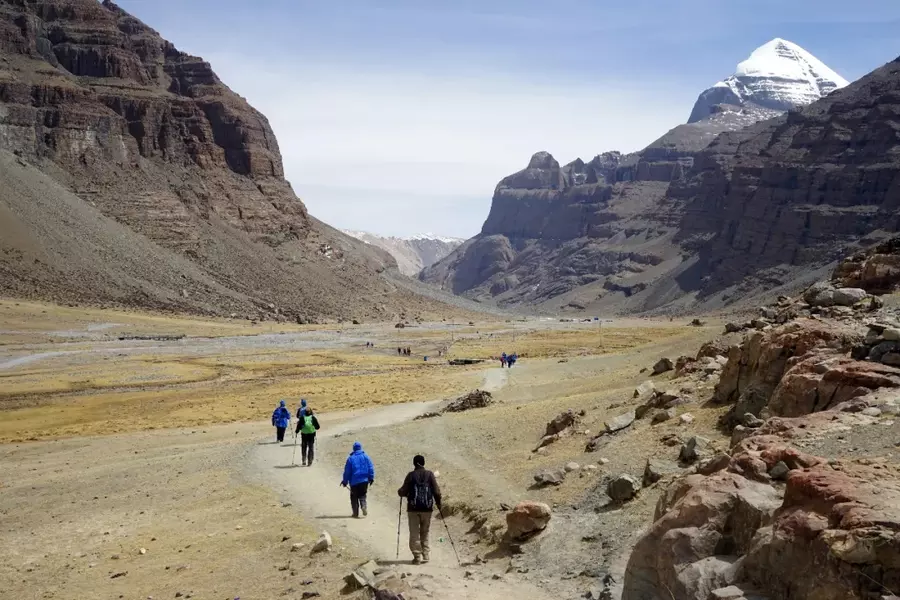
Mount Kailash and Lake Manasarovar are located at very high altitudes, ranging from 4,500 meters to over 5,600 meters at Domala Pass during the Parikrama. Acute Mountain Sickness (AMS) is a common concern. Proper acclimatization, a gradual ascent, adequate rest, and hydration are essential. Pilgrims are advised to undergo a basic medical check-up before departure. Portable oxygen canisters are highly recommended, especially during the Parikrama days. If clear symptoms of altitude sickness occur—such as persistent headache, nausea, dizziness, or breathlessness—pilgrims should inform their guide immediately so that timely rest or descent arrangements can be made, ensuring safety remains the top priority.
Accommodation Types
Accommodation along the Kailash route is simple and limited, reflecting the remoteness of the region. In larger towns such as Lhasa, Shigatse, and Saga, hotels are relatively comfortable, while in places like Darchen, Dirapuk, and Zutulpuk, accommodation is usually in basic guesthouses or pilgrim lodges with shared facilities. Hot water, heating, and electricity may be limited or unavailable in high-altitude areas. Pilgrims are encouraged to lower expectations and view these conditions as part of the traditional pilgrimage experience.
Food Selection and Dietary Arrangements
During the Mount Kailash pilgrimage, OCI travelers who follow standard tour arrangements can dine at local restaurants along the route and in Tibetan towns, where simple Tibetan and Chinese meals are available. In more remote sections of the pilgrimage route, small guesthouses and basic eateries provide simple, nourishing food such as rice, vegetables, and soups, with menus largely leaning toward pure vegetarian dishes in keeping with the spiritual nature of the journey. If OCI travelers wish to have Indian meals along the way, Great Tibet Tour can help arrange them. For NRI pilgrims traveling in Kailash yatra groups, Indian vegetarian meals prepared by Nepali cooks are usually arranged throughout the tour, ensuring familiarity in taste while supporting energy needs at high altitude.
FAQ
Can NRI and OCI family members travel together on the same Mount Kailash tour?
Yes. NRI and OCI travelers with family or close kinship relationships can travel together. The entire group must follow the pilgrimage permit rules and fixed routes, as NRI regulations are more restrictive. In such cases, OCI travelers join the NRI-approved itinerary, permits are processed collectively, and route flexibility follows the NRI framework. This arrangement is commonly used by families wishing to complete the pilgrimage together.
Do OCI cardholders need a Chinese visa?
Yes. OCI card holders must obtain a valid Chinese visa before traveling to Tibet, unless they hold a passport from a country that currently qualifies for China’s visa-free entry policy. For travelers who require a visa, a tourist invitation letter issued by a licensed Chinese travel agency is usually needed when applying at a Chinese embassy or consulate. Visa processing times vary from 2 to 4 weeks, so advance planning is essential.
Are there age limits for NRI and OCI travelers joining the Mount Kailash pilgrimage?
Yes. Age limits apply and differ for NRI and OCI travelers.
For NRI pilgrims, the maximum age to join an organized pilgrimage group is 70 years. Travelers above this age are generally not permitted to participate in pilgrimage departures due to permit and safety regulations.
For OCI travelers, the age limit is more flexible. OCI travelers are usually accepted up to 80 years old, provided they are in good health and can meet basic medical requirements.
Can I skip the Parikrama and still receive Kailash Darshan?
Yes. Pilgrims who are unable or prefer not to undertake the full Mount Kailash Parikrama may still receive Kailash Darshan. In such cases, you can stay in Darchen, the base town of Mount Kailash, and take vehicle-based excursions to Lake Manasarovar and designated viewpoints near the mountain base. This option is commonly chosen by elderly pilgrims or those with health concerns and is considered spiritually meaningful by many devotees.
Email response within 0.5~24 hours.

Typically Asked Questions from Our Clients
Suni***
My brother is OCI holding american passport. He stays in las vegas. How can he travel to kailash mansarovar. What is the exact procedure
Dear Suni***,
For American passport holders, we recommend 12/15 days group tour. Your brother can book a tour with us, and we'll apply for his Tibet permit. We need a copy of his passport and Chinese visa for the application, which usually takes 17-25 working days.
This year, the quota for Indian passport holders to visit Mount Kailash has already been filled.