
Patan Durbar Square
- Beatrice
- Last Updated : 02/05/2026
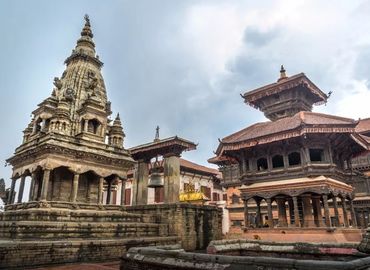
Patan Durbar Square is located in the ancient city of Patan (also known as Lalitpur) in Nepal. It is the historical and cultural heart of this “City of Arts” and an important component of the "Kathmandu Valley World Heritage Site". The square vividly showcases centuries of Patan’s religious beliefs, royal history, and exquisite craftsmanship, and is widely regarded as a pinnacle of Nepal’s ancient architectural and sculptural arts.
Compared with the Durbar Squares of Kathmandu and Bhaktapur, Patan Durbar Square is smaller in scale, but has more concentrated monuments and higher artistic standards. It is often called an "open-air museum." If you have limited time in Nepal, this is one of the most worth visiting historical and cultural sites.
Historical Background
Patan, also known as Lalitpur, has long been renowned as a “city of artisans” and has historically been a major center for traditional sculpture and metal craftsmanship in the Kathmandu Valley. Within this rich artistic and religious environment, Patan Durbar Square gradually developed into the city’s political and religious core. Its history can be traced back to the Licchavi period, while the overall layout of the main palaces and temples was finalized under the rule of the Malla dynasty between the 14th and 18th centuries, representing the height of Nepalese architectural and sculptural achievement.
In 1979, Patan Durbar Square was included in the UNESCO list as an important part of the Kathmandu Valley World Cultural Heritage. In 2015, a strong earthquake in Nepal caused damage to some buildings. The repair work is still ongoing, continuing the traditional craftsmanship and the spirit of the ancient city.
Highlights of Patan Durbar Square
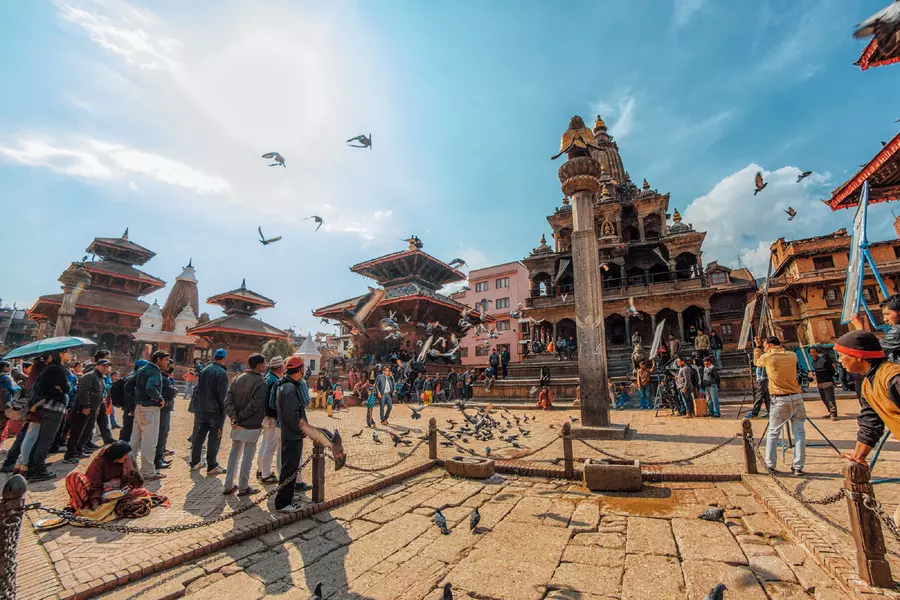
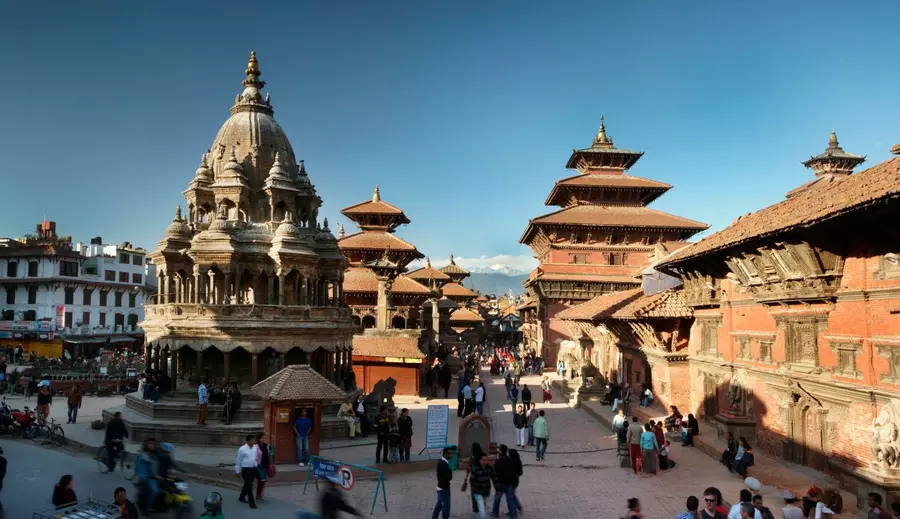
The square follows a rectangular layout. The eastern side is occupied by the former royal palace complex, while the western side is densely lined with dozens of Newar-style temples, among which the stone-built Krishna Mandir is the most renowned. Visitors can enter from the eastern palace gate and conclude their visit with the Golden Temple and Manga Hiti located around the square.
Patan Museum
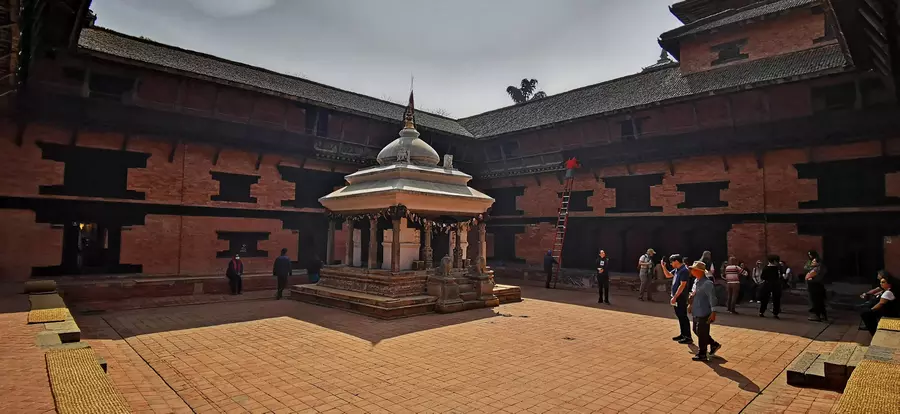
Located in the palace complex on the east side of the square, it was renovated from the former palace and is known as "one of the most beautiful museums in South Asia". The museum systematically displays the development of Hindu and Buddhist art, collects a large number of bronze statues, stone sculptures and religious relics, and systematically presents the development of religious art in the Kathmandu Valley. It is an ideal starting point for in-depth understanding of the cultural background of Patan.
Krishna Mandir
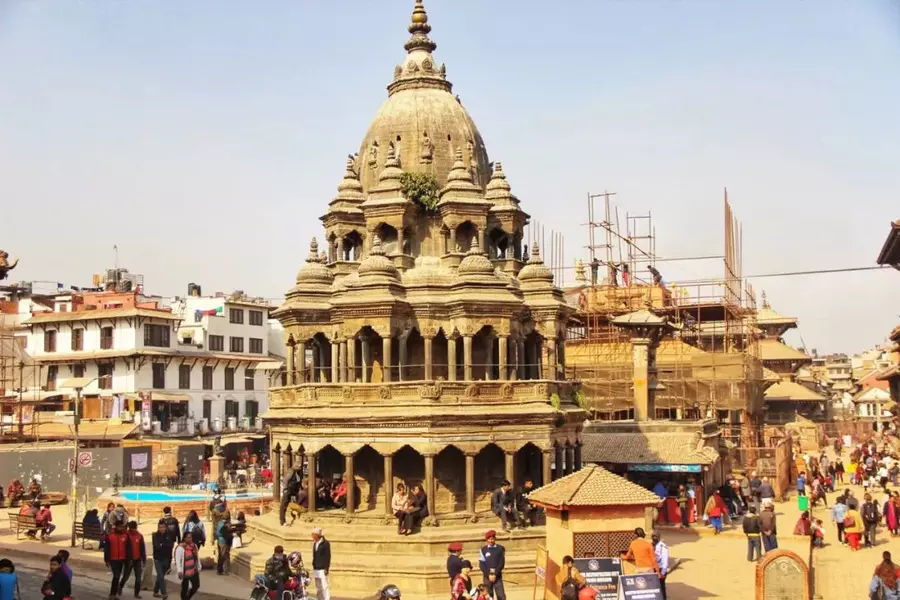
The Krishna Temple built in the 17th century is one of the most iconic buildings in Patan Durbar Square. Built entirely of precision-cut stone without the use of timber or adhesive materials, this five-story shikhara-style temple represents the pinnacle of Nepalese stone temple architecture. The eaves and railings are carved with epic scenes from the Mahabharata and Ramayana, with delicate lines and distinct layers. It is an excellent place to appreciate Nepal's traditional carving art up close.
Kumari Ghar (Living Goddess Residence)
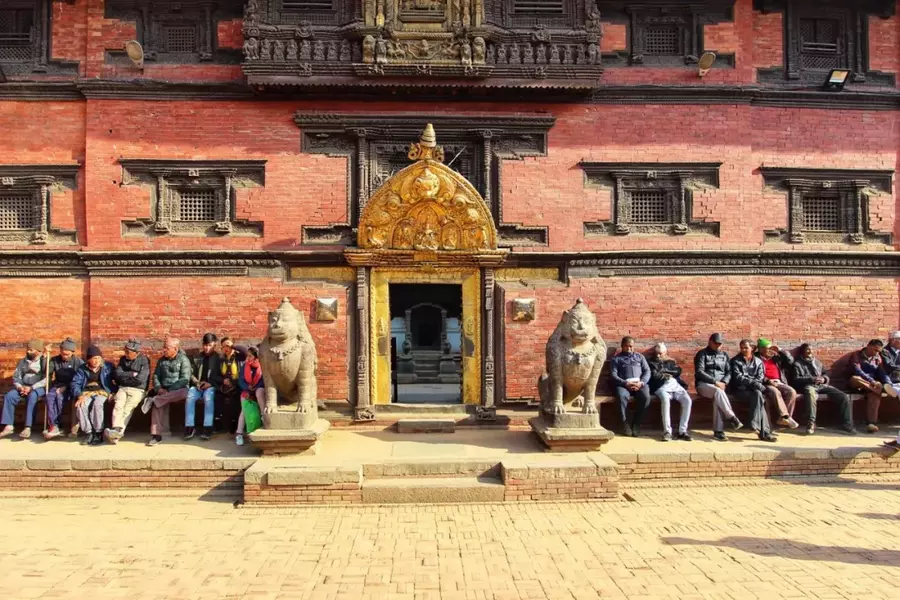
Located on the southern side of Patan Durbar Square, the Kumari Ghar is the residence of Patan’s Living Goddess, revered in Newar tradition as a manifestation of divine protection. The building itself is a fine example of traditional Newar courtyard architecture with exquisitely carved wooden windows. Sightings of the Kumari are rare and depend on religious occasions, but the site offers insight into a unique living tradition still practiced today.
Taleju Temple
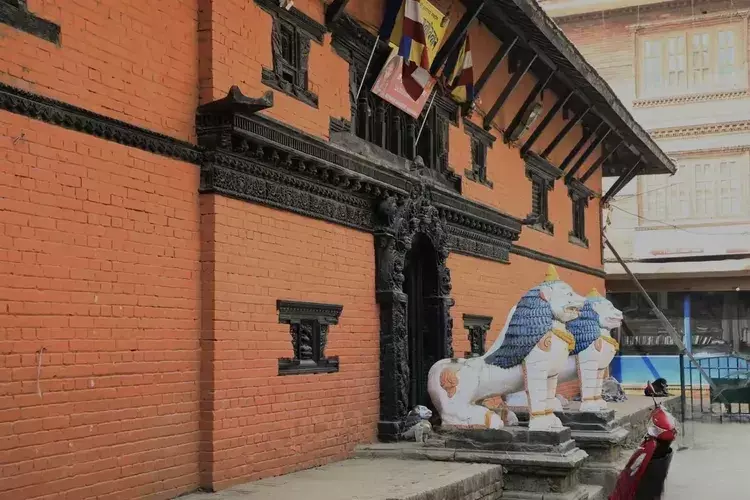
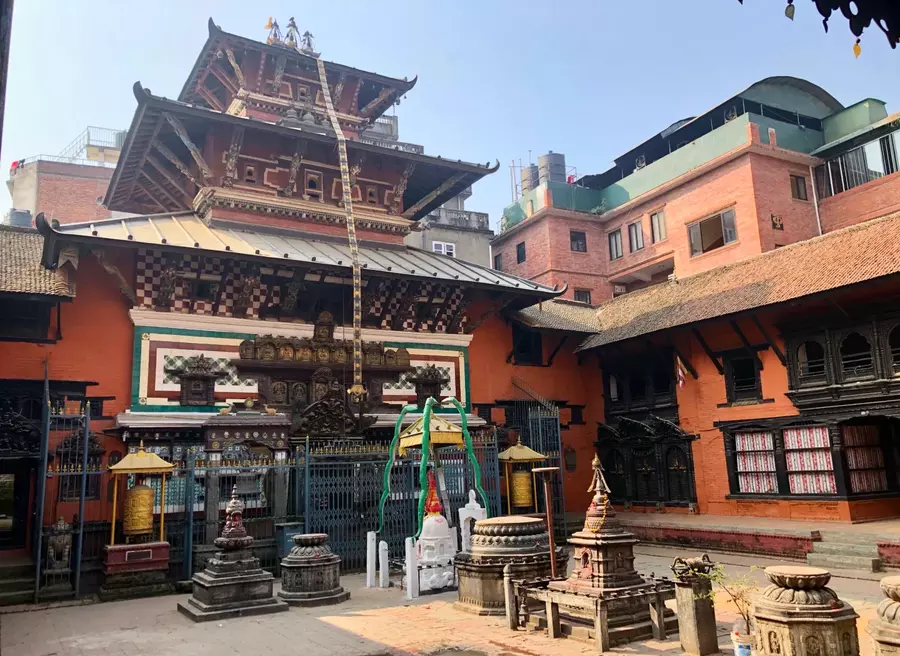
The Taleju Temple is located in the palace complex and is the most symbolic religious building of royal power in Patan Square. The temple adopts a brick and wood structure with a high base and is dedicated to the protective goddess of the Malla dynasty. Many Hindu gods are carved on its exterior eaves and lintels, reflecting the combination of royal power and divine power. Although only Hindus can enter, the appearance itself is of great appreciation and research value.
Yoga Narendra Malla Statue
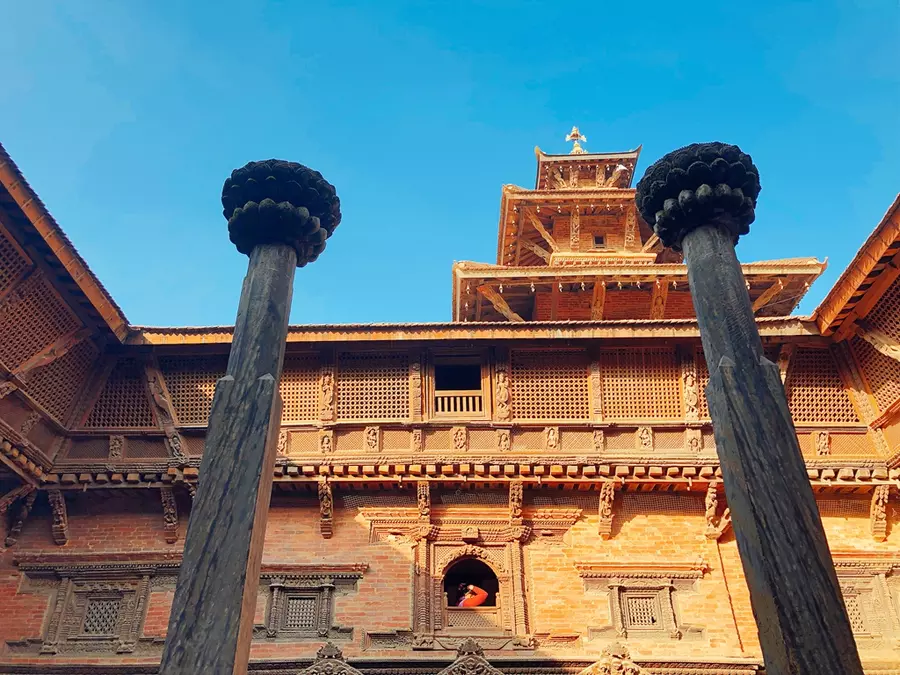
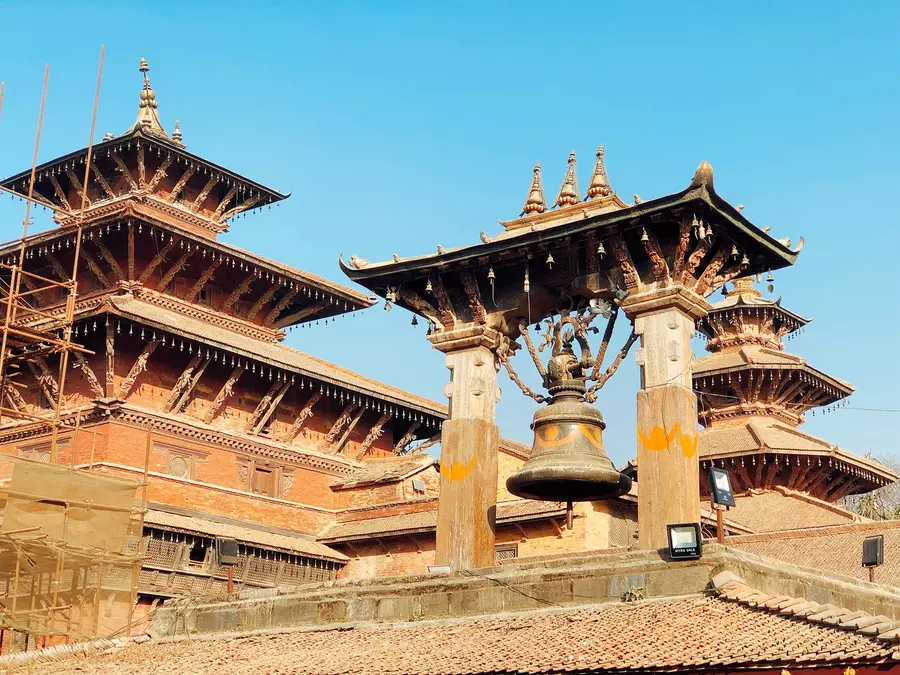
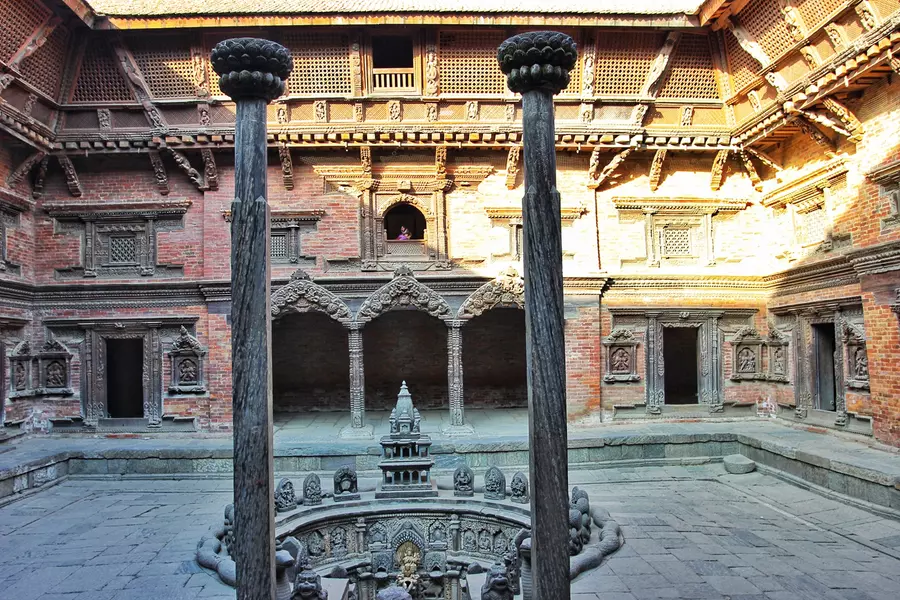
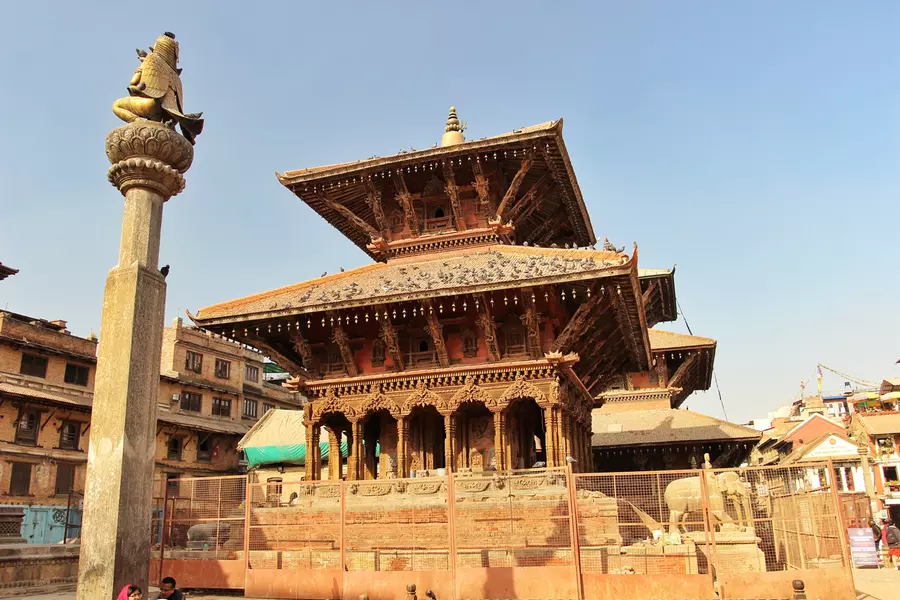
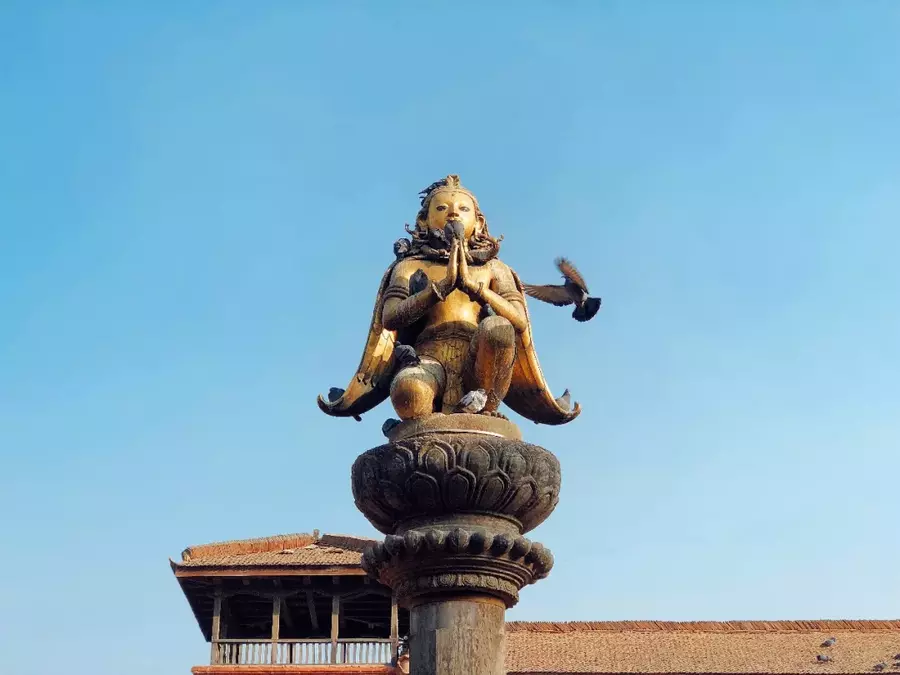
The King's Pillar in the center of the square was built during the Malla Dynasty in the 18th century and was once an important landmark of Patan Durbar Square. It originally showed the king kneeling down to worship Vishnu, symbolizing the king's respect for the gods. The top of the statue was damaged in the 2015 earthquake, but its base remained in place, becoming an important witness to the historical changes of Patan Durbar Square.
Main Attractions Around the Square
A 2–5 minute walk along the street on the north side of the square will take you to the Golden Temple, followed by the nearby Mangya Fountain. Along the way, you can also experience the street style of the ancient city, visit handicraft workshops, watch Newari craftsmen making copperware, wood carvings and thangkas, or admire traditional Newari houses, window grille carvings and small alleyway shrines. You can stop to take photos or buy small handmade souvenirs along the way.
Golden Temple (Hiranya Varna Mahavihar)
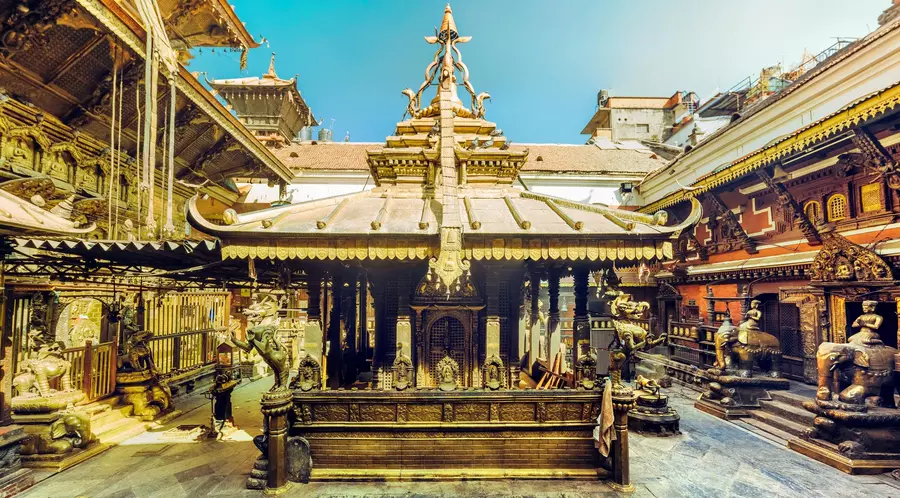
The Golden Temple is located in the streets and lanes of the old city on the north side of Durbar Square. It is one of the most representative Buddhist temples in Patan. Built in the 12th century, it is small in scale but extremely exquisitely decorated. In the later renovation of the temple, a large number of gold-plated copper ornaments were used, and the outer walls and courtyards were decorated with exquisite reliefs and statues of gods, reflecting the blend of Buddhist and Hindu elements. Its exquisite and solemn atmosphere makes it an important place to understand Patan's religious traditions and craft aesthetics.
Manga Hiti
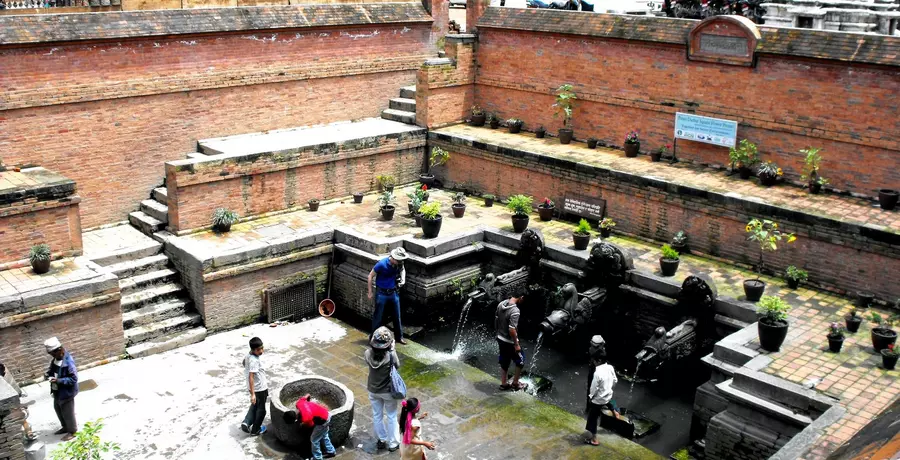
Manga Hiti is located near the square and is an important surviving element of Patan’s traditional water supply system, which remains in use today. The spouts are carved with serpent deities and various Hindu gods, reflecting the long-standing integration of religious belief, urban engineering, and daily life in the ancient city of Patan.
How to Get to Patan Durbar Square
Patan Durbar Square is located in Lalitpur, in the southern part of the Kathmandu Valley, approximately 5 kilometers from central Kathmandu. From Thamel or the Kathmandu Durbar Square area, a taxi ride takes about 20–30 minutes, depending on traffic conditions. Visitors may also use local buses or walk across the Bagmati River to reach Patan Old Town, but for first-time visitors, taking a taxi is the most convenient option.
Travel Tips
- Patan Durbar Square is best explored at a leisurely pace; allow 1.5–2 hours for your visit
- International visitor entry ticket: approximately NPR 1,000 per person (about USD 8–9), including admission to the Patan Museum
- Early morning and late afternoon offer softer light, ideal for photographing architectural details
- Dress modestly when entering temples or museums; avoid shorts and sleeveless tops
- Traditional craft workshops and small cafés are located around the square and can be enjoyed alongside sightseeing
- If time permits, consider visiting the nearby Mahabouddha (Temple of a Thousand Buddhas) or exploring the surrounding Patan Old Town neighborhoods to further experience Lalitpur’s everyday life as a “city of artisans.”
Email response within 0.5~24 hours.