Great Tibet Tour Logo GREAT TIBET TOUR ®
  • +86 18583346229
  • Contact Us
  • About Us
 Video

Lhasa Tours

Lhasa, the capital of the Tibet Autonomous Region, is the starting point for many Tibet trips and an important center of Tibetan culture and Buddhism. With its historic landmarks, religious traditions, and high-altitude surroundings, Lhasa offers an ideal introduction to Tibet.

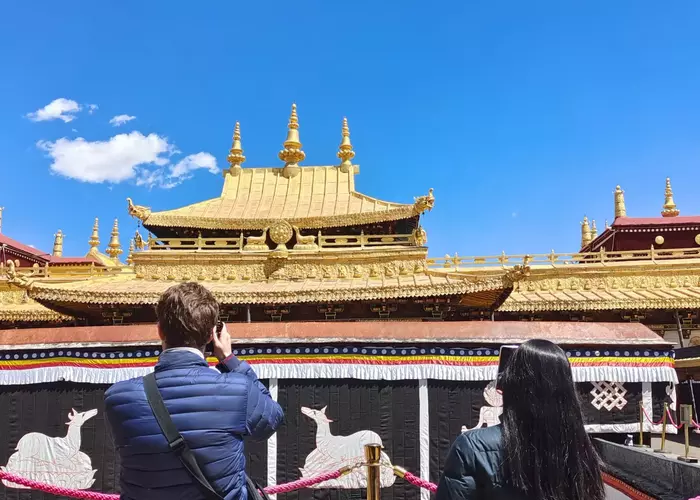
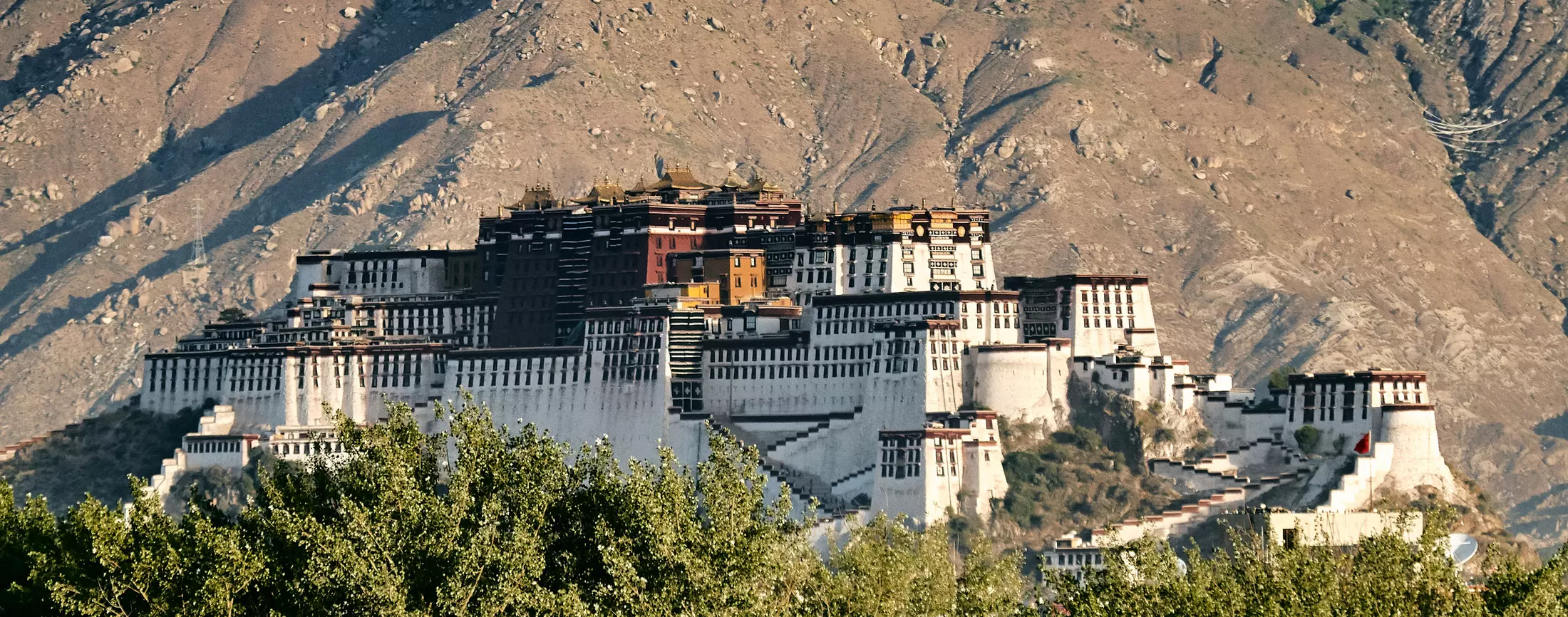
On our Lhasa tours, you can visit iconic sites such as the Potala Palace, Jokhang Temple, and Barkhor Street, while exploring the historic streets and experiencing the local way of life. You can also discover important cultural sites, including Drepung Monastery, Sera Monastery, and Norbulingka.

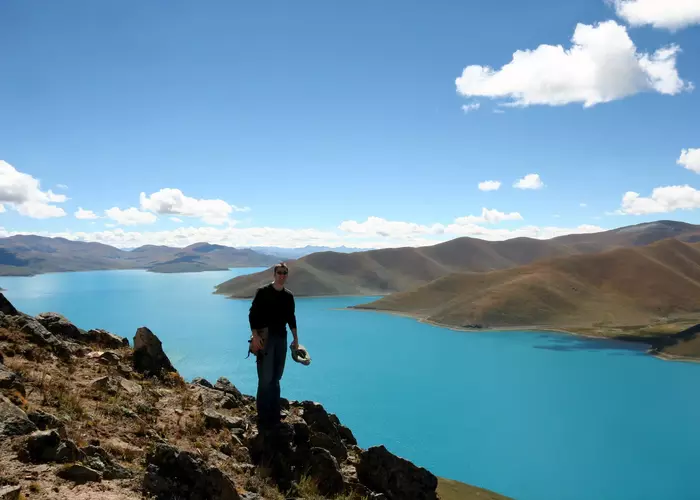
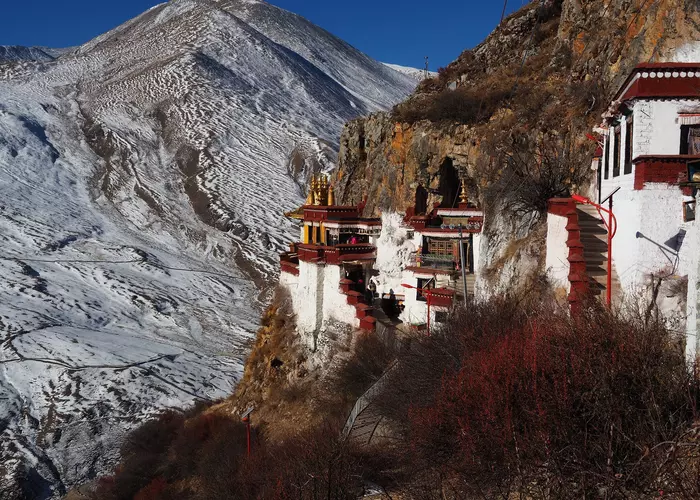
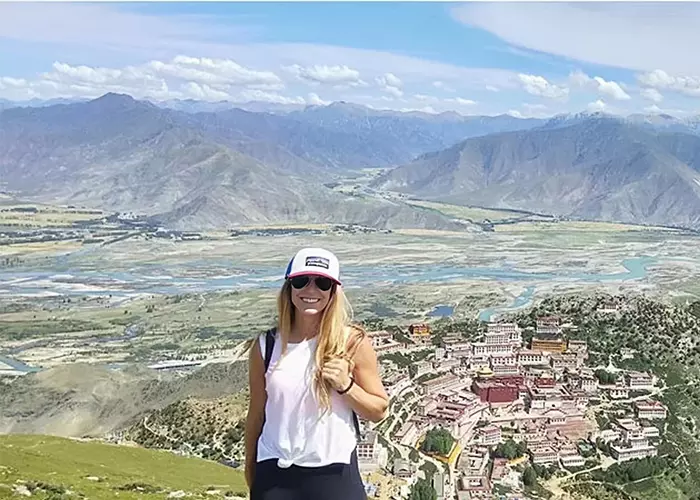
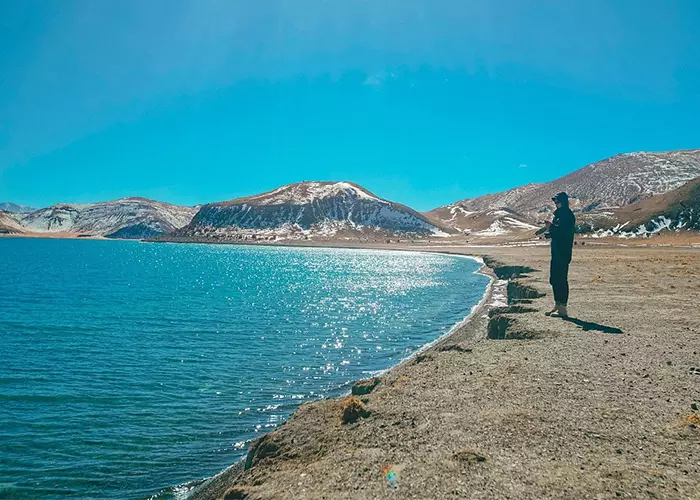
Beyond the city, our Lhasa tours can include day trips and excursions to nearby attractions such as Ganden Monastery, Drak Yerpa Monastery, Namtso Lake, and Yamdrok Lake. These journeys combine Tibetan cultural experiences with the scenery of the Tibetan Plateau.

As a local Tibet tour operator, we offer customized private tours and small group packages to suit different travel interests and schedules. Whether you want to explore Lhasa's cultural heritage or discover the surrounding landscapes, our Lhasa tours provide a convenient way to begin your Tibet journey.
Frequently Asked Questions

How to get to Lhasa?

There are three main ways to reach Lhasa: by flight, by train, or by overland travel, depending on your starting point, travel time, and personal preference.

By flight, Lhasa can be reached from mainland China or from Nepal. The only international flight to Lhasa operates between Kathmandu and Lhasa, with limited service on Mondays, Wednesdays, Thursdays, and Fridays. Travelers entering Tibet via Nepal must stay in Kathmandu for at least three working days to obtain a China Group Visa. All other flights to Lhasa are domestic flights within China, departing from major cities such as Chengdu, Beijing, Shanghai, Guangzhou, Xi'an, and Chongqing, and require a regular China visa arranged in advance.

By train, travelers can take the Qinghai–Tibet Railway from cities including Beijing, Shanghai, Chengdu, Xi’an, Lanzhou, and Xining. The most classic section starts in Xining and ends in Lhasa, offering a gradual ascent onto the Tibetan Plateau. Along the journey, passengers can enjoy views of Qinghai Lake, vast grasslands, snow-capped mountains, and occasional wildlife, making the train ride a scenic and immersive way to reach Tibet.

By overland travel, travelers may enter Tibet from Nepal via the Gyirong border or travel overland from mainland China along routes such as the Sichuan–Tibet or Yunnan–Tibet highways. Overland routes involve longer travel times but allow for a more gradual altitude gain and varied landscapes, which some travelers prefer.

All year round is the best time to visit Lhasa. Lhasa is called "The City of Sunlight", so even if you travel to Lhasa in Winter, you will feel warm during the daytime under the shining sun. Please kindly note: From Feb to March, Tibet usually keeps closed to foreign tourists because of Tibetan New Year Losar.

Lhasa's old city is built around Jokhang Temple as the core, and Barkhor Street is the circle line. Lhasa is famous for its Buddhist culture and its long history. Unlike the busy lives in the metropolis, the pace of life in Lhasa is very slow, and you will enjoy inner peace and leisure. You can enjoy the sunshine with a cup of sweet tea, witness how pilgrims pray in front of Jokhang Temple, follow people to turn prayer wheel for praying, try Tibetan food, or buy some local souvenirs, etc. Here're recommended highlights for your Lhasa trip,

Potala Palace -- the highest palace in the world and the winter palace of the Dalai Lama.
Jokhang Temple -- the spiritual center of Tibetan Buddhism.
Barkhor Street -- an old block filled with Tibetan atmosphere and the most popular street among travelers.
Norbulingka -- the Summer Palace of Dalai Lama and the only royal park.
Drepung Monastery -- one of the top 3 monasteries of Gelug and the largest monastery in Tibet.
Sera Monastery -- the most beautiful Tibetan monastery and you can see "Monks Debate" in the afternoon.

Tibetan food includes Tibetan noodles, Tsampa (Zanba), momo, dumplings, sweet tea, yak meat, sweet peanuts, etc. Besides Tibetan food, you still have multiple choices among Sichuan cuisine, Nepalese food, Indian food, and Western food in Lhasa. Here are the recommended restaurants and cafes in Lhasa.

Lhasa Kitchen -- located near Jokhang Temple and the dish is mainly about Tibetan food and Nepali cuisine. The staff are hospitable and most of them can speak fluent English. Nepalese and Indian cuisine are recommended here.

Tibetan Family Kitchen -- the restaurant is warm and cozy. Staff speak English. The food here is tasty and vegetarian-friendly. The most popular dish is the Yak Momo. You can find it on the right side of Jokhang Square.

Makye Ame restaurant -- located on Barkhor Street and has a great reputation in Lhasa. It’s also a date place with taste and style. You can see the Potala Palace in the distance when you sit on the terrace of the third floor.  

Snowland Restaurant----it serves traditional Tibetan meals, Nepali and Indian food, with typical Tibetan-style decoration. Many foreign tourists would choose to have a meal here because of its various kinds of food. You can easily find it on Barkhor Street.

Guangming Kamqung Sweet Tea House -- sweet tea plays an important role in Tibetan daily life and they would like to start a new day with a cup of sweet tea. You could not miss these sweet tea houses if you like to try the local flavor, as well as delicious Tibetan noodles. 

We recommend spending 3–4 days in Lhasa, including your arrival day. This gives you enough time to adjust to the high altitude and explore the city's main attractions without rushing.

A possible itinerary is:

  • Day 1: Arrive in Lhasa, check in to your hotel, and rest for acclimatization.
  • Day 2: Visit Drepung Monastery, Norbulingka and Sera Monastery.
  • Day 3: Explore Potala Palace, Jokhang Temple, and Barkhor Street.
  • Day 4: Visit Ganden Monastery and Drak Yerpa.

If you have more time, you can extend your trip from Lhasa to destinations such as Namtso Lake, Samye Monastery, Yamdrok Lake, Nyingchi, or Everest Base Camp. For a longer Tibet journey that includes some of these destinations, we recommend planning a trip of around 10 days.

Contact Us

Send us a message and get a response within 0.5 ~ 24 hours. Your personal info will be kept confidential.