Great Tibet Tour Logo GREAT TIBET TOUR ®
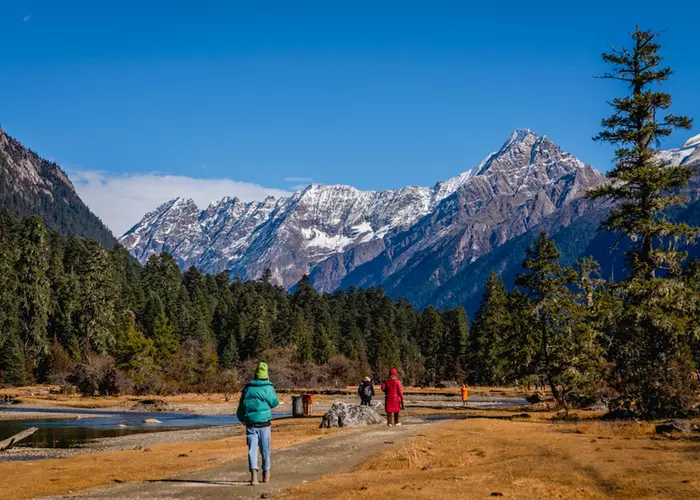
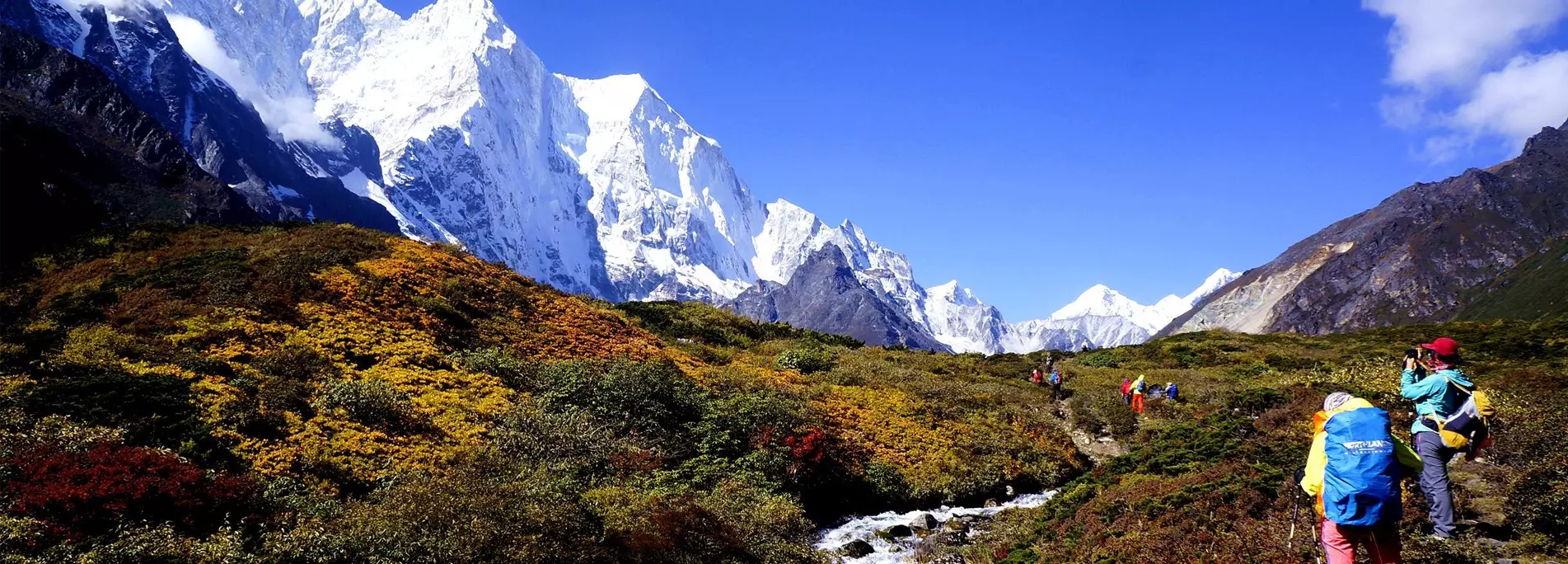
Gama Valley

Tibet Trekking Tour

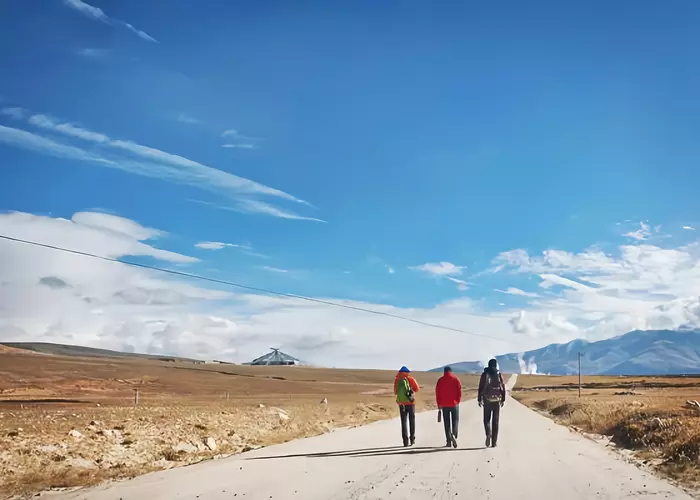
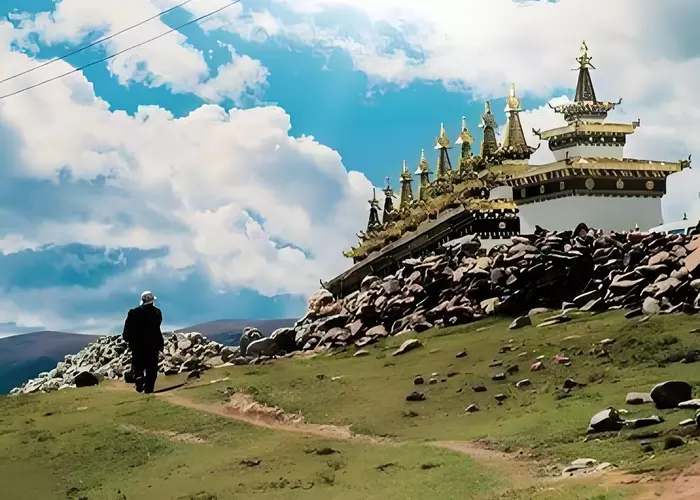
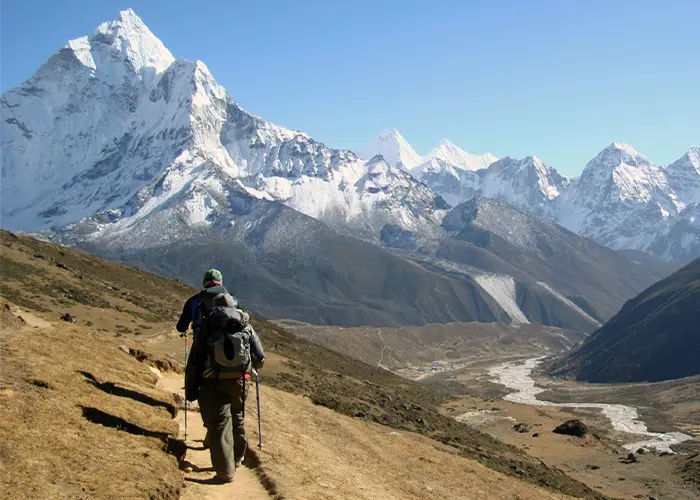
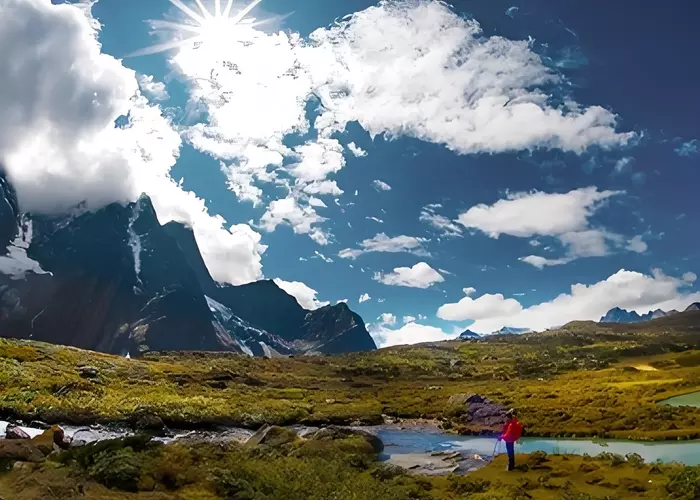
Tibet is a vast and diverse region, where snow-capped mountains, deep valleys, ancient monasteries, strong spiritual traditions, and endless highland grasslands come together to create an extraordinary trekking destination. While its remote location, unique high-altitude climate, and rugged terrain can be challenging for adventurous travelers, they also make every journey deeply rewarding and memorable. Along the way, you will encounter local Tibetan communities who continue to live in harmony with their ancient traditions, adding rich cultural depth to the natural landscapes. Fortunately, it is still possible to explore remote trekking routes in Tibet, far away from modern development and crowds.

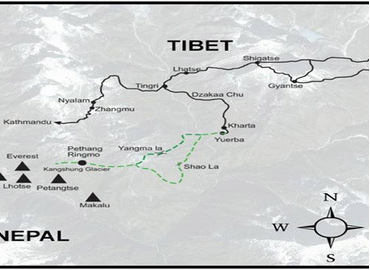
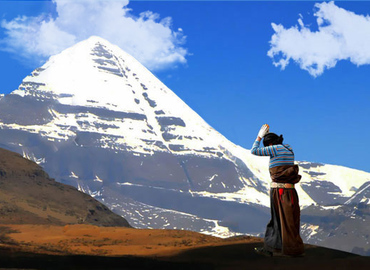
Here, we have carefully selected the Top 5 classic trekking routes in Tibet to help you explore the unique landscapes and cultural heritage of the Tibetan Plateau. The Mount Kailash pilgrimage trek is a sacred kora route around one of Asia’s most revered mountains. The Ganden to Samye trek is a classic spiritual journey connecting two of Tibet’s most important monasteries, offering both cultural insight and stunning scenery. The Tingri to Everest trek is a popular route for enjoying spectacular views of the Himalayas. The Tsurphu to Yangpachen trek offers a perfect combination of cultural exploration and natural landscapes. The Shalu to Nartang trek is a relatively easier route, passing through villages and quiet valleys that feel like stepping back in time.

In addition to these classic routes, we also offer many other trekking options. You can further enhance your experience by choosing a customized itinerary tailored to your interests. Explore our Tibet trekking tours, begin your high-altitude adventure, and discover a completely different side of Tibet.
Frequently Asked Questions

What’s the best Tibet trekking time?

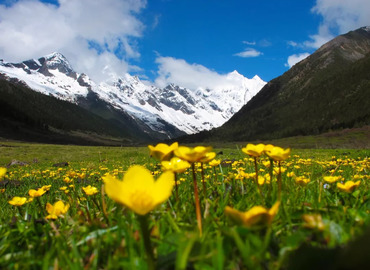
Generally speaking, travelers can have a Tibet trekking tour from April to October, which is also the best time to visit Tibet. Some hikers and trekkers believe they should avoid the rainy season from July to August. But in fact, rain in Tibet does not affect it a lot. Due to the block of high grand Himalayan mountains, heavy rain rarely falls. Besides that, even if it rains, it always rains at night. You can see the stunning sunrise the following day. From April to October, the weather is warm and comfortable. With the mild breeze, blooming flowers, lush forests, blue sky, and warm sunlight, your trekking in Tibet must be unforgettable and wonderful. Winter is not the right time for trekkers because of the heavy snow and low temperatures. Partial attractions in remote Tibetan areas will be closed and the roads will be blocked by the heavy snow.

According to the regulations of the National Tourism Administration, foreigners are not allowed to travel to Tibet on their own, let alone trek in Tibet. You can only trek in Tibet with the help of a local Tibet Travel Agency by applying for a Tibet Travel Permit, including the pre-arranged trekking route, tour guide, vehicles, accommodation, etc., according to your preference.

Tibet has become an increasingly popular destination for trekking due to its vast landscapes, high-altitude environment, and deeply rooted spiritual culture. Trekking allows travelers to experience the Tibetan Plateau in a more immersive way, far beyond what can be seen from the road.

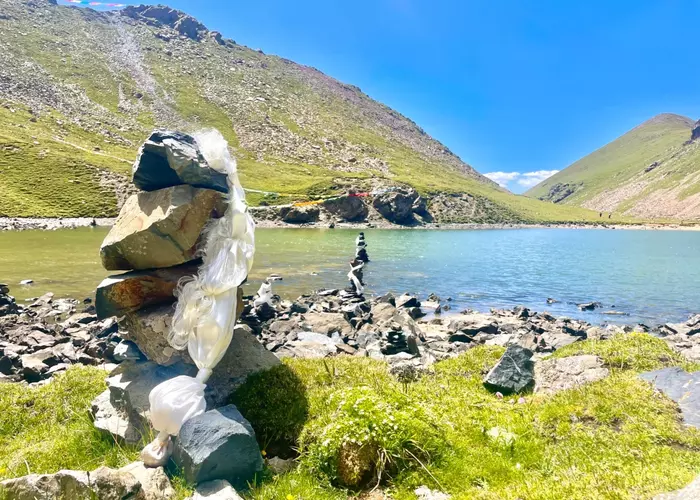
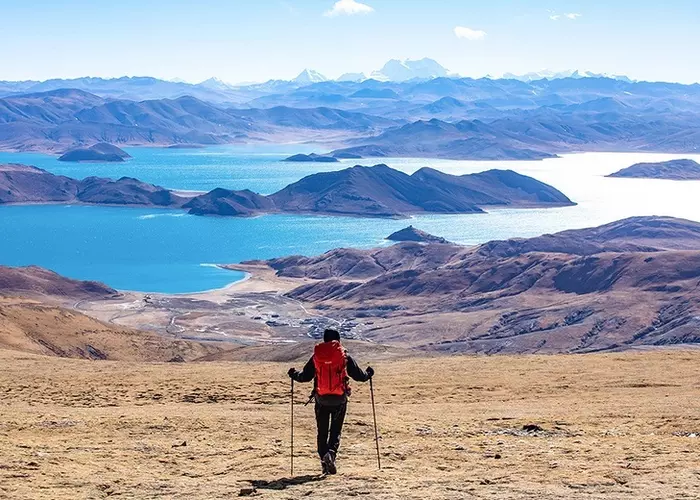
Along the routes, you can witness crystal-clear alpine lakes, snow-capped peaks, traditional monasteries, and endless grasslands dotted with yaks and sheep. At the same time, the journey offers a unique opportunity to connect with Tibetan Buddhism and local culture, making the experience both physically rewarding and spiritually meaningful.

High altitude sickness is a common concern for travelers, especially on trekking routes that exceed 3,000 meters. To reduce the risk, it is advisable to acclimatize properly and consider preventive measures such as taking Rhodiola (Hongjingtian) a few days before departure.

During the trek, if you feel unwell, inform your guide immediately. In most cases, supplemental oxygen can help relieve mild symptoms. You should rest and avoid further exertion while monitoring your condition.

If the symptoms persist or worsen, descending to a lower altitude is necessary. In severe cases, such as persistent headache, vomiting, or difficulty breathing, you should seek medical assistance as soon as possible.

To trek in Tibet, you will need both a valid visa and several travel permits.

First, all foreign travelers must obtain a Chinese visa if entering Tibet from mainland China. If you enter Tibet from Nepal, you will need to apply for a special group tourist visa in Kathmandu.

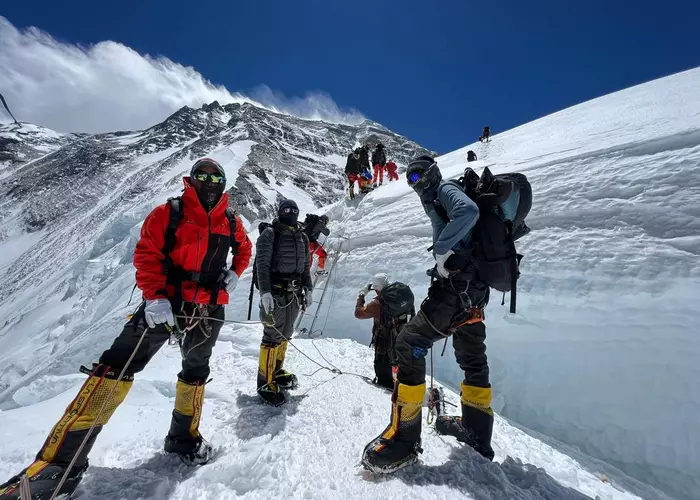
In addition, a Tibet Travel Permit is required for all visitors and must be arranged in advance through a registered Tibet travel agency. For trekking in remote areas such as the Everest region or Mount Kailash, additional permits—such as the Alien’s Travel Permit and sometimes a Military Permit—are also required.

From April to October, the weather is relatively mild, but layering remains important. It is advisable to bring thermal wear, sweaters, and a windproof jacket. If you plan to visit higher-altitude areas such as Everest Base Camp or Mount Kailash, a down jacket and insulated pants are highly recommended.

In addition, prepare basic trekking essentials, including comfortable hiking shoes, a first-aid kit, snacks, and enough water. Sun protection is also crucial on the plateau, so be sure to pack a sunhat, sunglasses, sunscreen, and lip balm. Other useful items include a sleeping bag, rain gear, tissues, and personal care products.

Send Us Your Request