


Namtso Lake
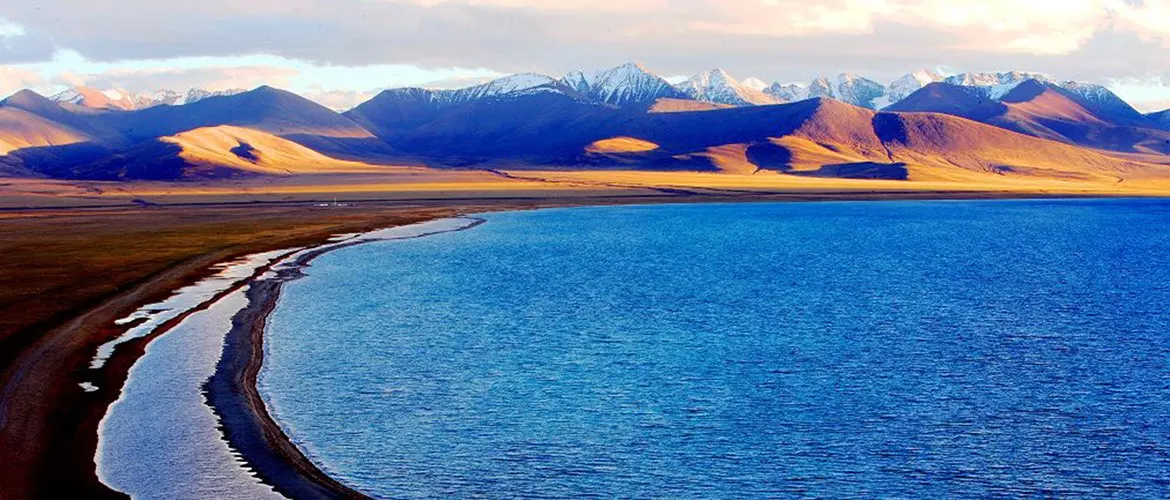
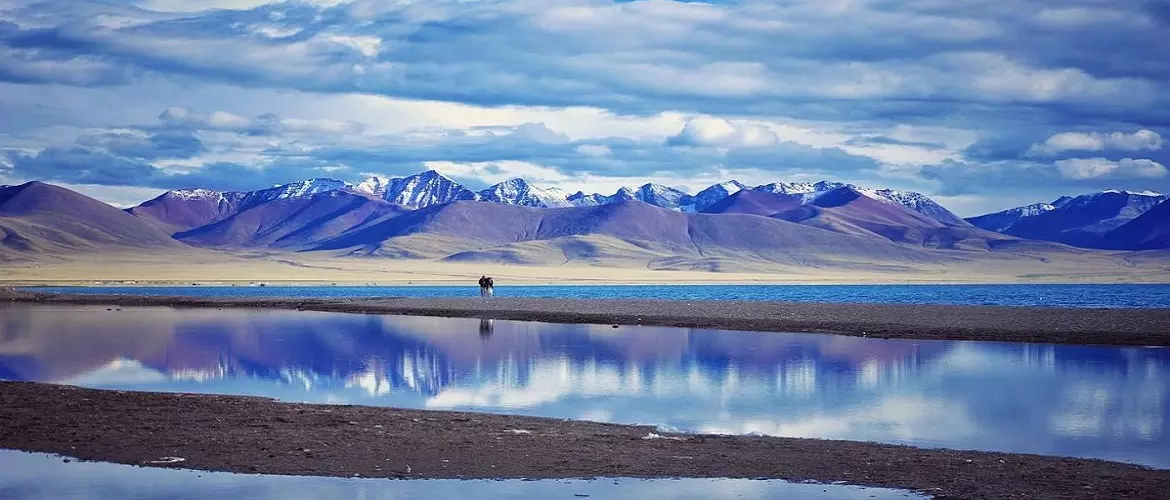
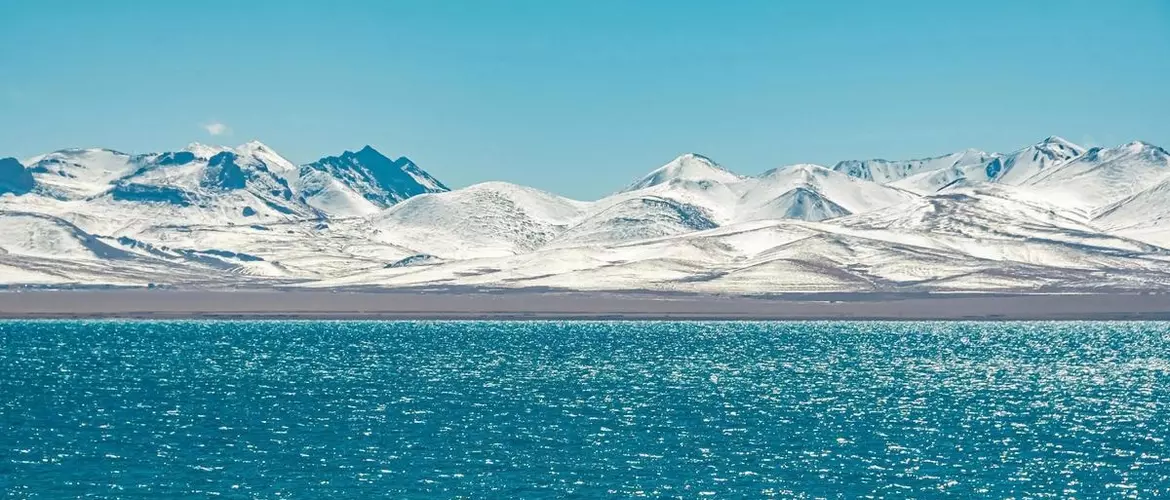
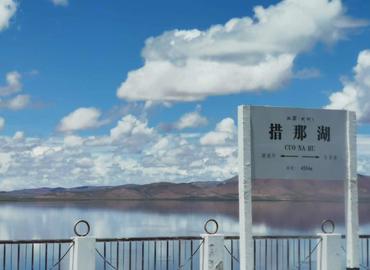
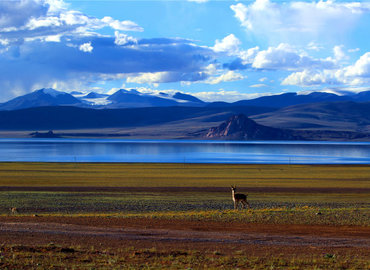
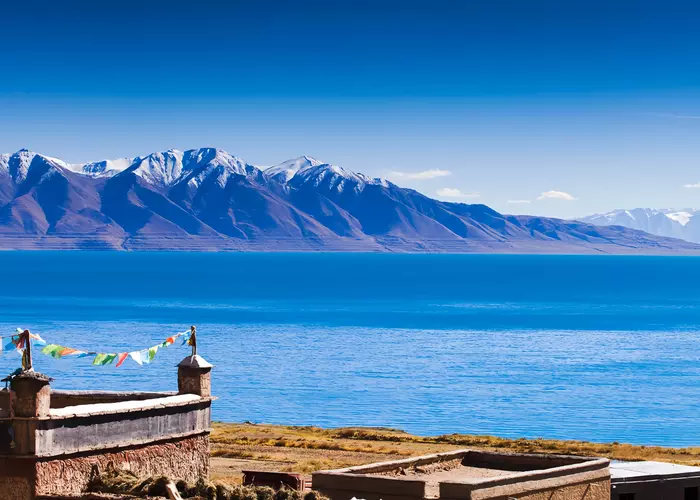
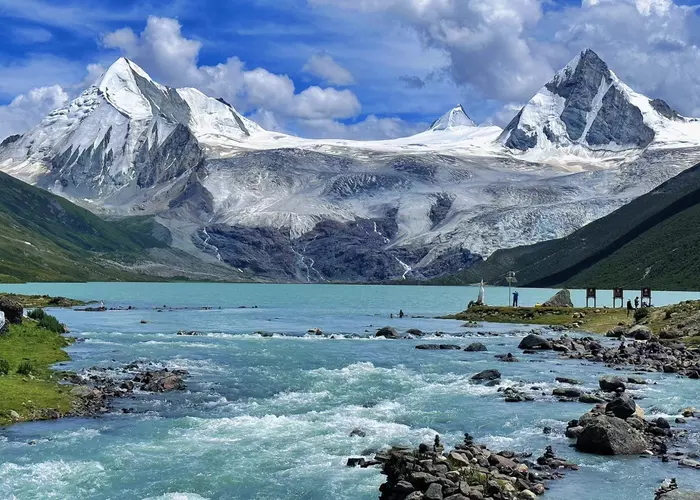
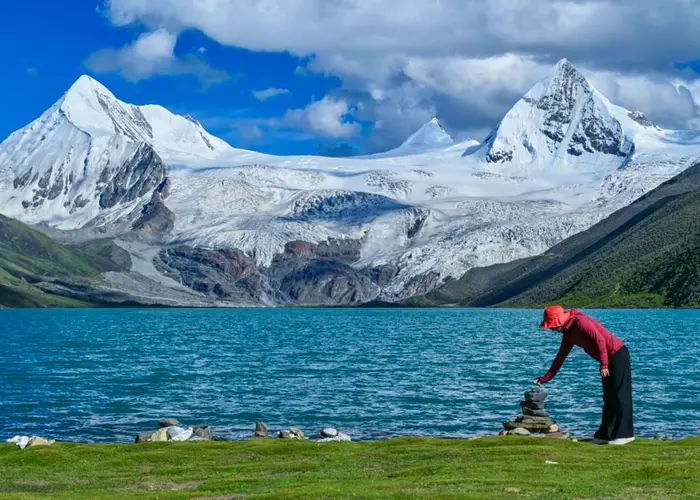
Namtso Lake, one of Tibet’s most sacred lakes, is famous for its turquoise waters, vast highland scenery, and the dramatic backdrop of the Nyenchen Tanglha Mountains. Surrounded by snow-capped mountains and grasslands, Namtso is a sacred destination for Tibetan pilgrims as well as one of the most spectacular natural attractions in Tibet.
Located at an altitude of about 4,718 meters, Namtso requires proper acclimatization before visiting. Travelers are recommended to spend several days in and around Lhasa before heading to the lake, as the high elevation may cause altitude sickness for some visitors.
This short video offers a glimpse of the breathtaking scenery of Namtso Lake, from its crystal-clear turquoise waters to the snow-covered peaks along the way.
Why Is Namtso Lake Sacred?
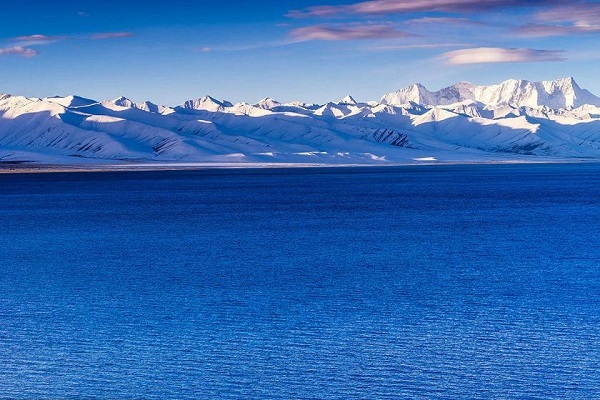
Namtso means “Heavenly Lake” in Tibetan, reflecting its deep spiritual significance in Tibetan Buddhism. Among the three holy lakes, Namtso is a popular place for pilgrims. Surrounded by many sacred mountains, Namtso Lake is considered one of the most important pilgrimage destinations in Tibet.
There are five uninhabited islands in the lake, as well as a few rocky outcrops which have long been used as spiritual retreats for pilgrims. Every year, many devout Buddhists travel to this sacred lake to walk around the lake’s perimeter, which is known as a holy kora.
In summer, some pilgrims stay near the lake for several days with enough supplies to complete their spiritual practice. In winter, when the lake freezes, some pilgrims traditionally walk across the frozen surface.
Highlights of Namtso Lake
Namtso Lake is one of the largest saltwater lakes in China and one of the most breathtaking natural wonders in Tibet. Located at an altitude of about 4,718 meters, it is famous for its crystal-clear turquoise waters, vast grasslands, and the dramatic backdrop of the Nyenchen Tanglha Mountains.
Namtso Lake stretches for over 70km in length and reaches about 30km at its widest point. When the ice melts in late April, the lake transforms into a brilliant shade of turquoise, creating spectacular views together with the surrounding snow-capped peaks.
The open landscape around Namtso is home to Tibetan nomads and their grazing animals, offering visitors a glimpse of traditional highland life.
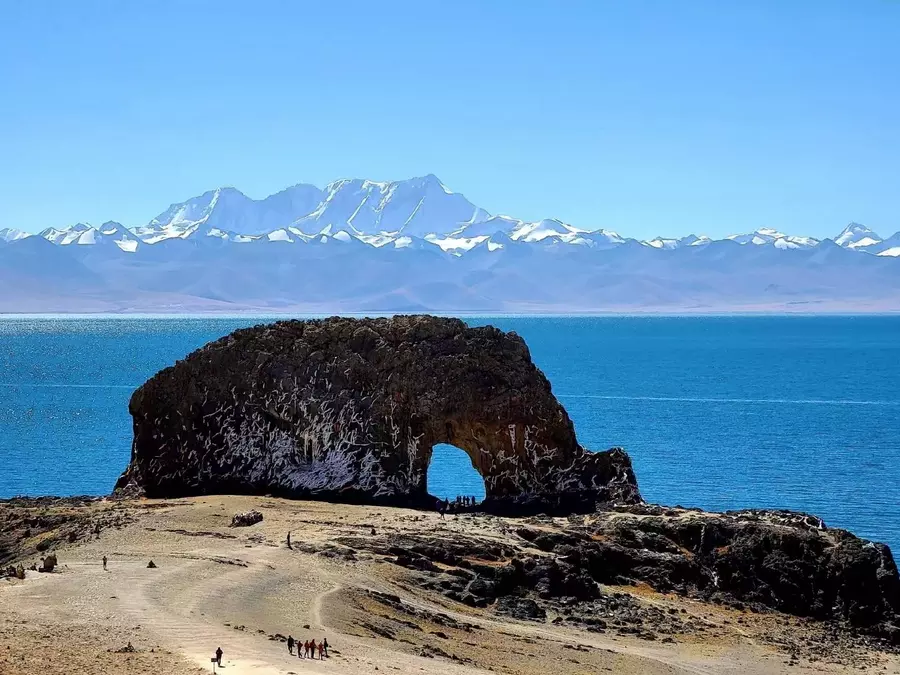
Sacred Elephant Gate: A Hidden Viewpoint of Namtso
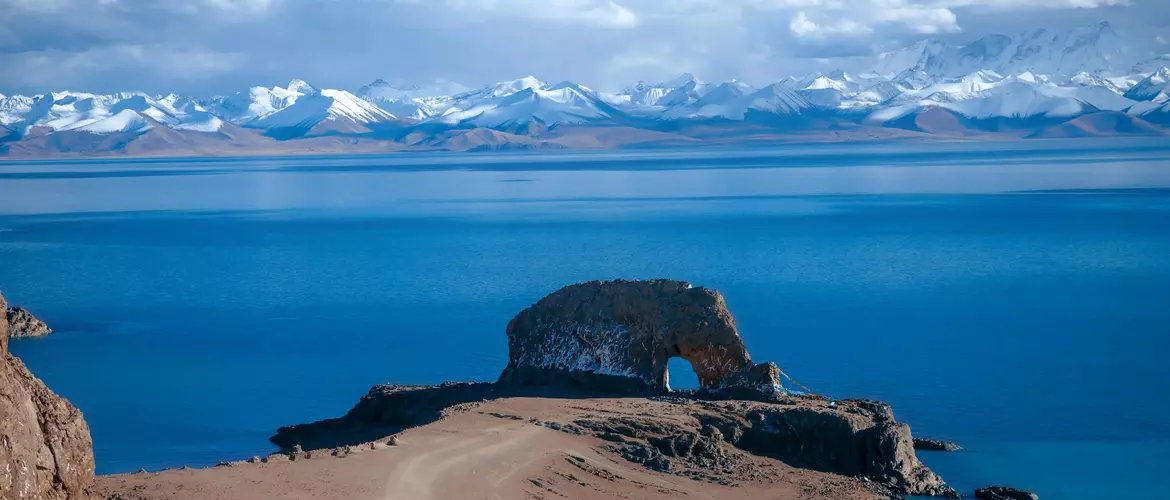
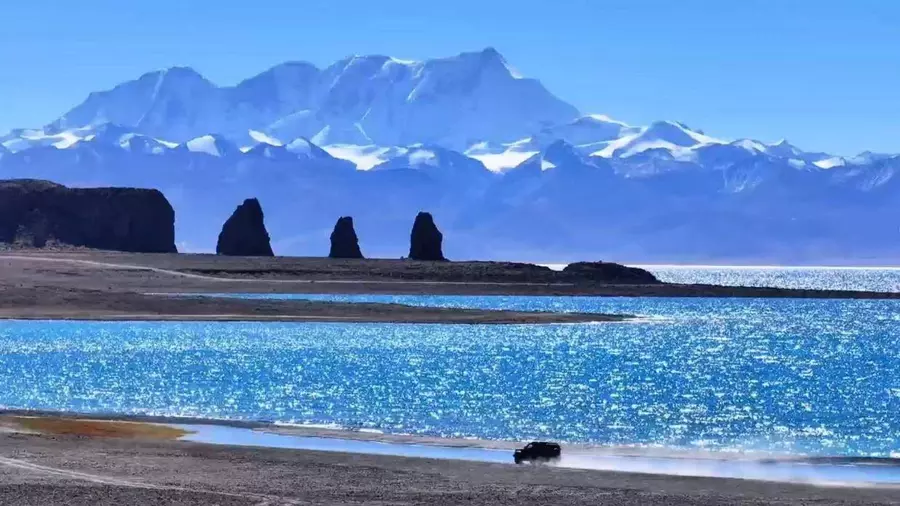
Located on the northern shore of Namtso Lake, the Sacred Elephant Gate (Shengxiang Tianmen) is one of the most spectacular viewpoints of the lake. The natural rock formation resembles an elephant’s trunk facing the sacred lake, creating a unique landscape surrounded by snow mountains and open grasslands.
Known as one of the best photography locations at Namtso, the Sacred Elephant Gate offers a more remote and dramatic experience compared with the more accessible Tashi Dor Peninsula. However, road conditions and access may vary depending on weather and local management, so travelers should check the latest situation before planning a visit.
Bird Watching at Namtso Lake
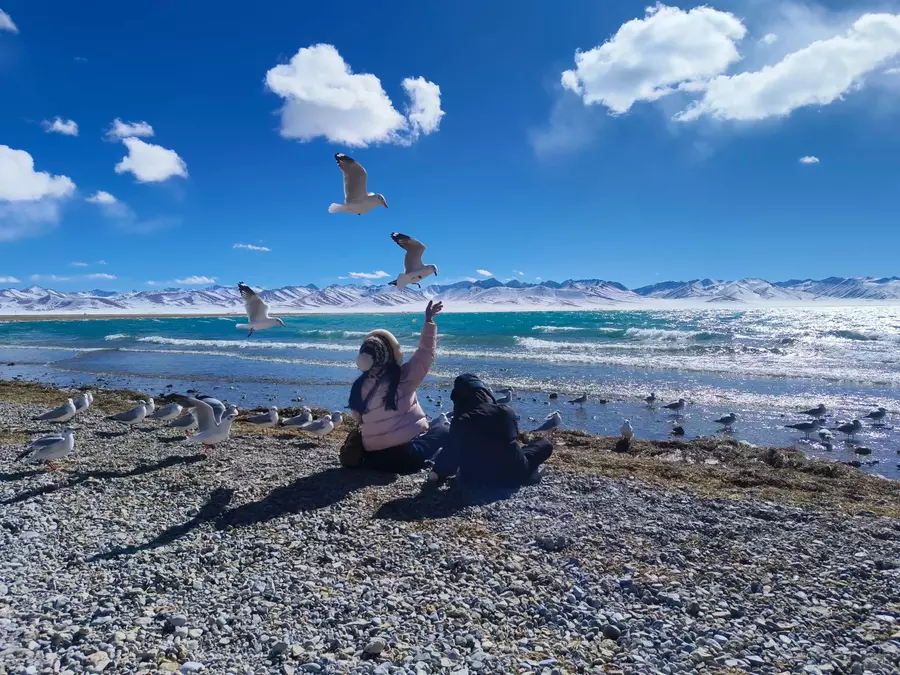
The unique high-altitude environment of Namtso Lake provides an important habitat for migratory birds and other wildlife. The lake area is home to various bird species, including Bar-headed Geese, Ruddy Shelducks, Brown-headed Gulls, Pallas’s Gulls, and Great Cormorants. The rare Black-necked Crane can also occasionally be spotted in the surrounding wetlands.
As a protected natural area, Namtso attracts birdwatchers and nature lovers every year. The best time for bird watching is from May to October, when migratory birds are most active and the lakeside wetlands become full of life.
The islands and rocky areas around Namtso provide important breeding and resting grounds for many waterbirds. Among them, the largest island in the northwest corner of the lake is particularly known for its bird population and is a good place to observe the diverse wildlife of the Tibetan Plateau.
Visiting the Tashi Dor Peninsula
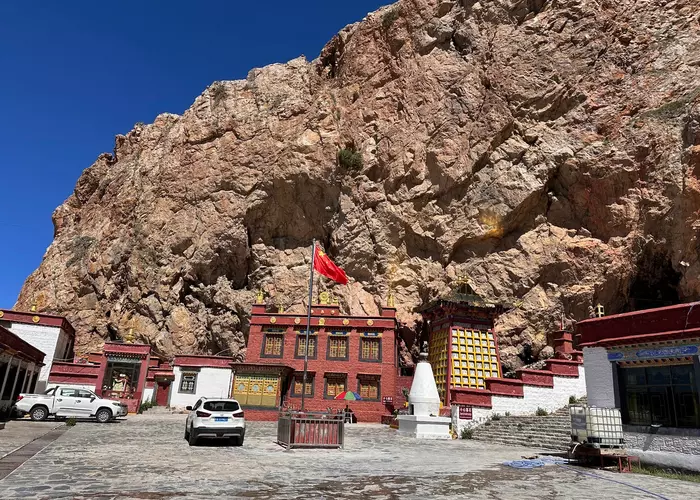
There are also several peninsulas that jut out into the lake from the shore. With Tashi Monastery and several karst caves on the land, the Tashi Dor Peninsula seems to be the largest peninsula in the lake.
The peninsula is known for its unusual rock formations, caves, natural stone bridges, and walking trails. These unique landscapes create some of the best viewpoints for enjoying the beauty of Namtso Lake.
Best Time to Travel to Namtso Lake
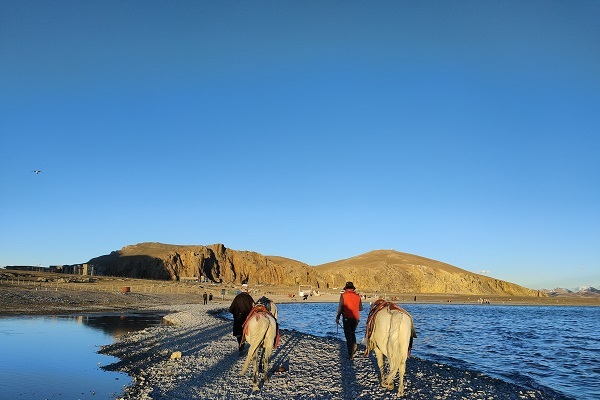
The best time to visit Namtso Lake is generally from May to October, when the weather is relatively stable and the roads are accessible. Summer is the best season to visit Namtso when the grasslands are at their greenest and most lush. Alongside the lake, wild animals such as yaks, wild donkeys, and marmots can often be found leisurely grazing.
For photographers, the best times to capture the beauty of Namtso are around sunrise and sunset. At dawn, the first sunlight may illuminate the snow-covered peaks of Nyenchen Tanglha, while sunset offers beautiful views across the lake and the Tashi Dor Peninsula.
How to Get to Namtso Lake?
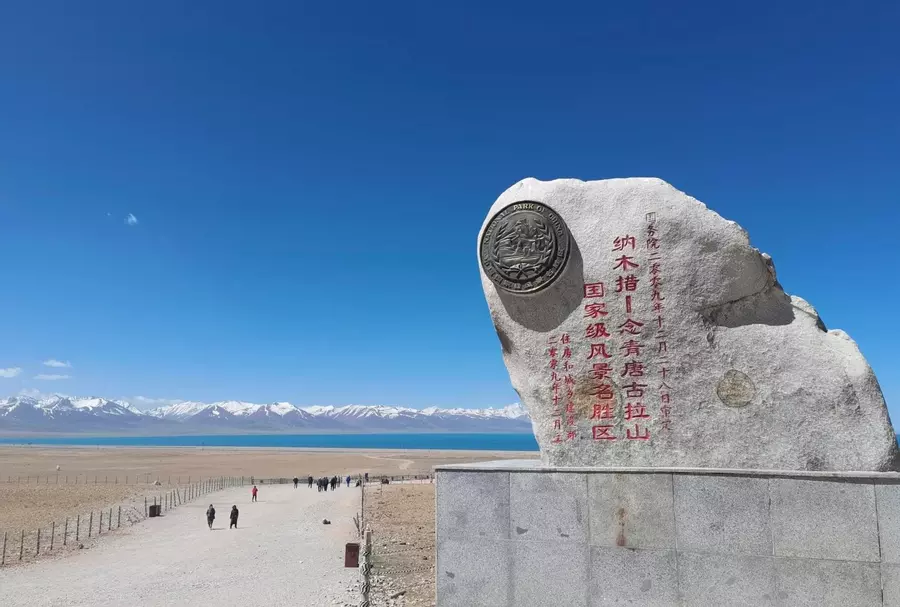
Over 230 km from Lhasa, there is no direct bus to get to Namtso Lake. The most convenient way to visit Namtso is by private vehicle with a local driver and guide.
The journey involves long-distance driving, high altitude, and changing weather conditions. Traveling with an experienced local team allows you to enjoy the scenery along the way while avoiding unnecessary travel difficulties.
Most travelers visit Namtso as part of a Tibet itinerary starting from Lhasa, often combining it with other classic destinations such as Shigatse, Everest Base Camp, or northern Tibet.
How to Avoid Altitude Sickness?
The altitude of Namtso is about 4,718 meters above sea level, which is more than 1,000 meters higher than Lhasa. With lower oxygen content, the response to altitude in Namtso is much more serious than in Lhasa.
Therefore, it’s better to stay in Lhasa for at least 2–3 days before going to Namtso. Avoid strenuous exercise after arriving at the lake and take time to adjust to the high altitude.
It is also recommended to carry a small oxygen canister as a precaution, especially for travelers who are sensitive to high altitude. However, oxygen should only be used as a temporary aid, and proper acclimatization remains the most important way to reduce the risk of altitude sickness.
The weather around Namtso can change quickly. Even in summer, temperatures may drop suddenly with strong winds, rain, or hail. Warm clothing is essential, especially if you plan to stay until sunset.
How to Plan Your Namtso Lake Tour?
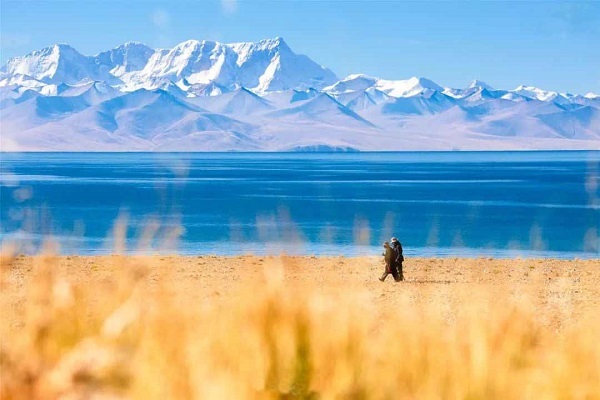
A 2-day Namtso Lake tour is highly recommended, as it allows enough time to enjoy the scenery, experience the highland atmosphere, and capture the best views of the lake.
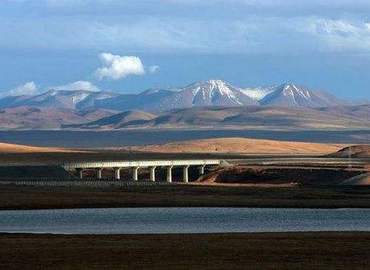
There’s a roughly 3-hour drive from Lhasa to Namtso. Along the way, you will enjoy views of the Nyenchen Tanglha Snow Mountains, the Qinghai–Tibet Railway, Tibetan villages, and Nagela Pass (5,190m).
After entering the scenic area, you can take a leisurely walk around Tashi Dor Peninsula and enjoy the sunset view over the lake.
Please note that overnight accommodation directly beside Namtso Lake is currently unavailable. Travelers need to drive approximately 60 kilometers to Damxung County for accommodation.
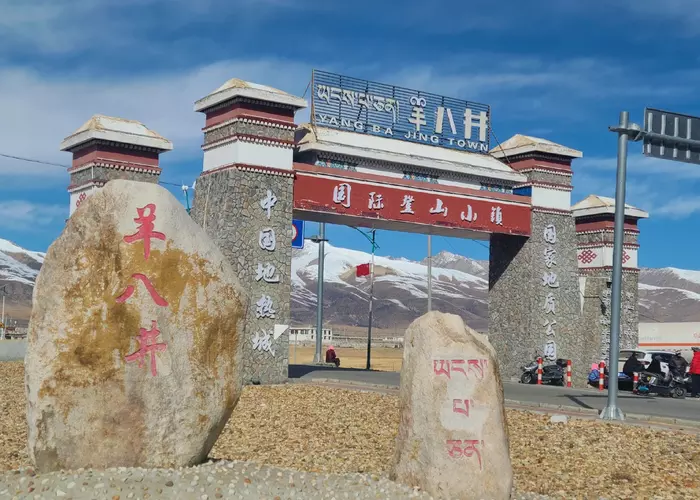
On the way back to Lhasa, travelers can visit Tsurphu Monastery, one of the most important monasteries of the Kagyu school of Tibetan Buddhism, or stop at Yangbajain Hot Springs, one of the highest-altitude geothermal areas in China.
A one-day Namtso Lake tour is also possible for travelers with limited time. Although the visit is shorter, you can still enjoy the spectacular views of the lake, snow mountains, and Tibetan plateau scenery.
Frequently Asked Questions About Namtso Lake
How high is Namtso Lake?
Namtso Lake is located at an altitude of about 4,718 meters above sea level, making it one of the highest large saltwater lakes in the world.
Can I visit Namtso Lake from Lhasa in one day?
Yes. A one-day trip is possible, but a 2-day tour is recommended because it allows more time to enjoy the scenery and avoid spending most of the day driving.
Do I need to stay overnight at Namtso Lake?
Overnight stays directly beside Namtso Lake are currently unavailable. Most travelers stay in Damxung County and return to Lhasa the following day.
What should I wear when visiting Namtso Lake?
Even during summer, Namtso can be cold and windy. Warm layers, a windproof jacket, sunglasses, and sunscreen are highly recommended.
Guangzhou - Lhasa - Shigatse - Namtso - Lhasa
Have a Guangzhou to Lhasa train trip then follow the classic Lhasa to Shigatse route to experience the best of Tibet.

Lhasa - Namtso - Nagqu - Biru - Nagqu - Lhasa
Explore Lhasa, Namtso, Changtang Grassland and Sepu Kangri on an unforgettable journey through northern Tibet.

Beijing - Xi'an - Lhasa
A memorable Beijing to Lhasa train trip, blending history, culture, and breathtaking landscapes.
Email response within 0.5~24 hours.