
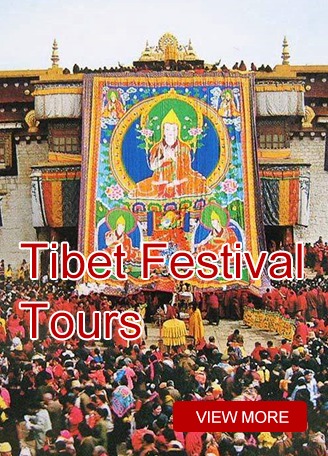
Tibetan Butter Lantern Festival
- Eric
- Last Updated : 06/09/2026
Tibetan Butter Lantern Festival, also called the Chotrul Duchen or Butter Lamp Festival, is one of the most important traditional festivals in Tibetan Buddhism. It is celebrated on the 15th day of the first month of the Tibetan calendar, following the Tibetan New Year (Losar). In 2026, it falls on March 4.
Chotrul Duchen is closely associated with the Great Prayer Festival (Monlam Chenmo), which was established in 1409 by Je Tsongkhapa in Lhasa. Over time, this day became a major occasion for offering butter lamps and butter sculptures, as well as for collective prayers and celebrations across Tibet.
Today, monasteries across the Tibetan Plateau mark the occasion with elaborate displays of butter sculptures and thousands of butter lamps. Some of the most impressive celebrations can be experienced at Jokhang Temple in Lhasa, as well as Sera Monastery, Drepung Monastery, and Barkhor Street.
The Origins of the Butter Lantern Festival
According to Buddhist tradition, Chotrul Duchen commemorates the fifteen days during which Shakyamuni Buddha is said to have performed great miracles in ancient India, demonstrating spiritual power and overcoming opposing teachings. This period is regarded as one of the most significant moments in the Buddhist calendar.
The tradition of butter sculptures dates back to the 7th century. When the Jokhang Temple in Lhasa became home to the sacred statue of Shakyamuni Buddha brought by Princess Wencheng, offerings of flowers and lamps became an essential part of worship. However, due to the harsh winter climate on the Tibetan Plateau, fresh flowers were scarce. As a result, devotees began shaping flowers from yak butter as symbolic offerings to the Buddha. Over time, this simple practice evolved into the highly refined art of butter sculpture.
By 1409, Je Tsongkhapa established the Great Prayer Festival in Lhasa. During the festival, monks and artisans created elaborate butter sculptures for religious offerings, while countless butter lamps were lit at night. This tradition gradually developed into the annual Tibetan Butter Lantern Festival celebrations known today.
Butter Sculptures and Butter Lamps
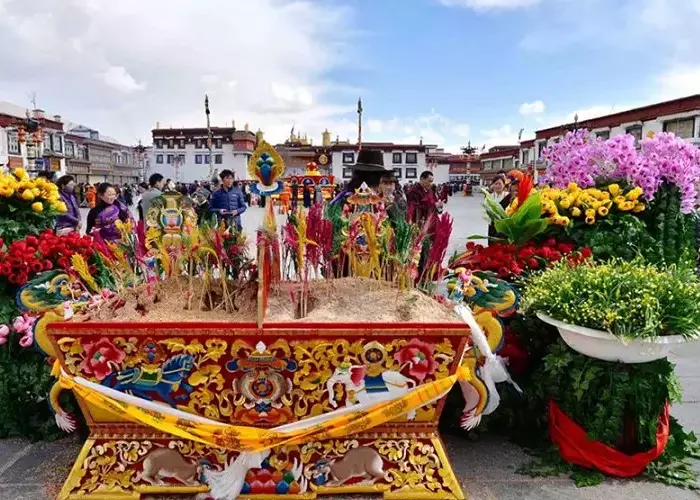
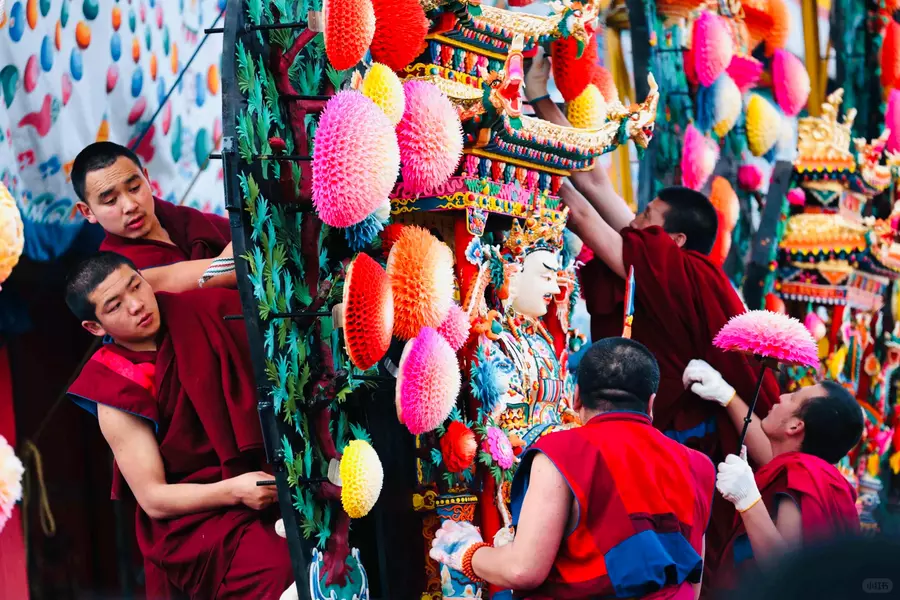
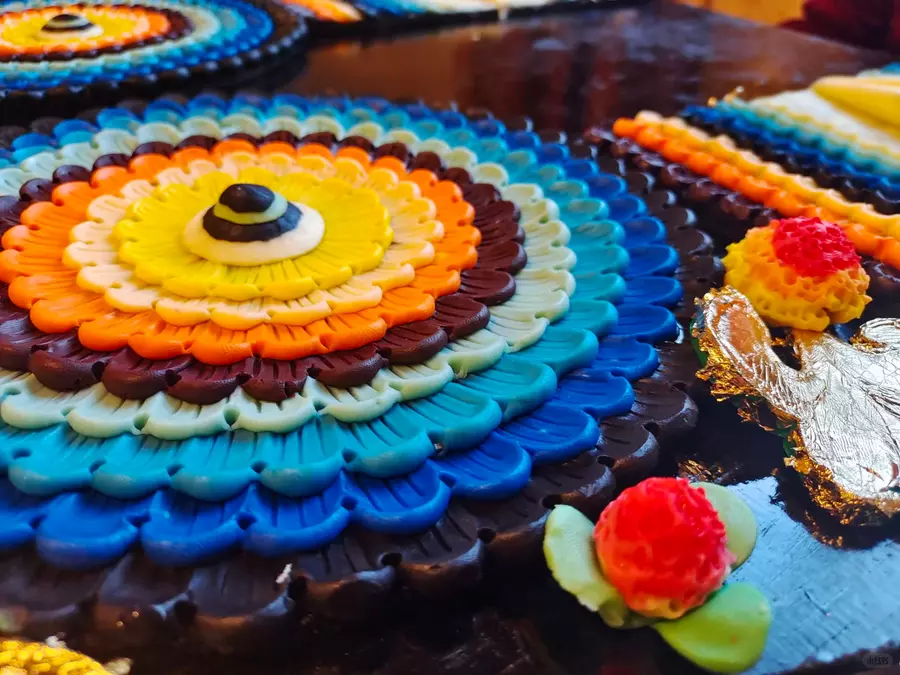
Butter sculptures are one of the most distinctive artistic traditions in Tibetan Buddhism and a central feature of Chotrul Duchen. They serve both as religious offerings and as one of the most visually striking elements of the festival.
During the festival, monks and local artisans craft intricate sculptures using colored yak butter. These works depict Buddhas, Bodhisattvas, deities, animals, flowers, and scenes from Buddhist teachings and Tibetan folklore. Some large installations are composed of multiple panels, resembling visual storytelling that unfolds across a sequence of scenes.
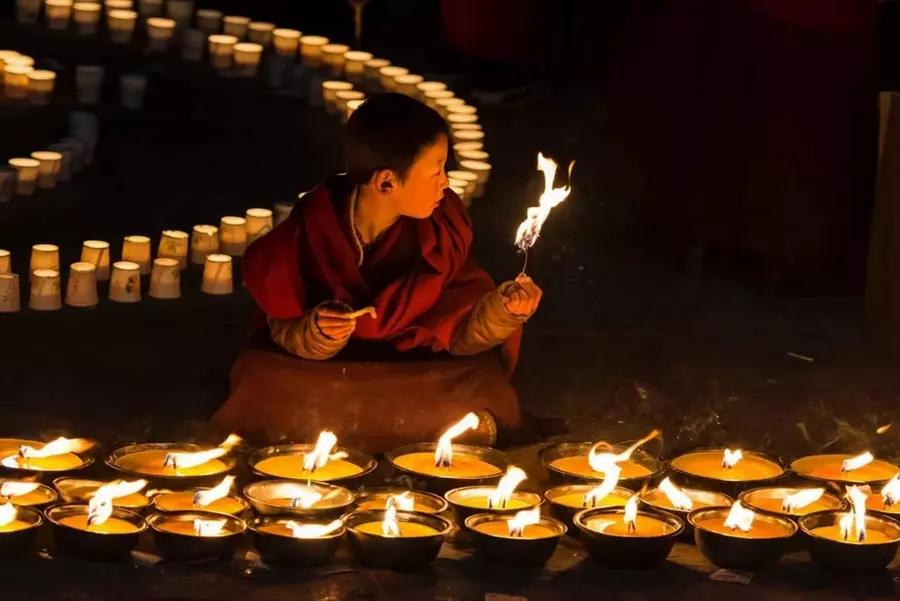
As night falls, special wooden frames and display structures are set up along streets and monastery courtyards. Once illuminated, the butter sculptures glow in warm, vivid colors, creating a breathtaking contrast against the night sky. Alongside these sculptures, thousands of butter lamps—traditionally burned with oil refined from yak or cow butter—are lit. It is generally seen in Tibetan Buddhist temples and monasteries in the Himalayas. In Tibetan Buddhism, offering a butter lamp is considered an act of charity, symbolizing the light of inner wisdom. The soft, smoky glow of countless lamps, combined with the colorful sculptures, transforms the surroundings into a luminous and almost dreamlike landscape.
Butter sculptures and butter lamps are more than artistic or decorative elements. They represent devotion, offering, and the Buddhist ideals of light, wisdom, and auspiciousness—making them among the most iconic symbols of Chotrul Duchen.
Festival Activities
Chotrul Duchen is celebrated with a combination of religious rituals, artistic displays, and community gatherings, expressing devotion to Shakyamuni Buddha while welcoming the arrival of spring.
Daytime Activities
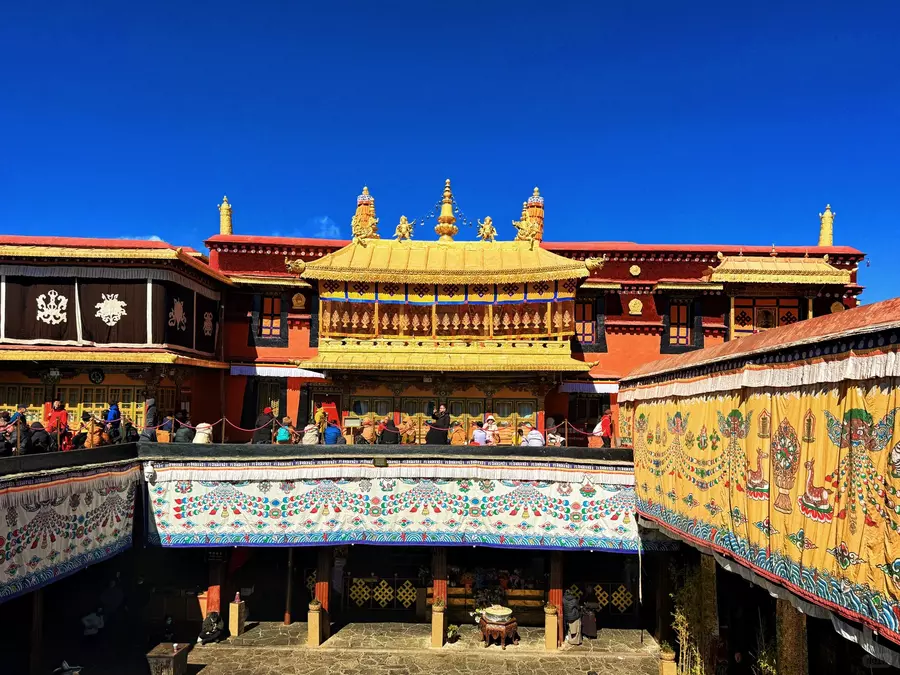
During the day, pilgrims visit major monasteries such as Jokhang Temple, Sera Monastery, and Drepung Monastery to offer prayers and burn incense. Inside and around the monasteries, cham dances (masked ritual dances) are performed by monks dressed in elaborate costumes. Accompanied by horns, drums, and traditional instruments, these performances express devotion and blessings for peace and prosperity.
At the same time, monks and artisans continue preparing butter sculptures, depicting religious figures and traditional stories that reflect centuries of Tibetan Buddhist culture.
Nighttime Celebrations
As night falls, Lhasa’s Barkhor Street and surrounding monastery areas come alive with butter sculpture exhibitions and butter lamp displays. Rows of wooden stands and decorative frames are filled with colorful butter art, while thousands of butter lamps are lit simultaneously.
The soft glow of butter lamps illuminates the sculptures and streets forming a wonderful scene. The atmosphere becomes vibrant yet deeply spiritual, filled with chanting, music, and the movement of pilgrims.
Locals and visitors gather in large numbers, walking slowly through the streets, watching performances, and joining in the festive mood. In nearby rural areas, traditional singing competitions may continue for days. Around Jokhang Temple, pilgrims complete their kora (circumambulation), filling the area with prayer, movement, and devotion deep into the night.
Travel Tips
Best places to experience Chotrul Duchen:
- Jokhang Temple, Lhasa
- Barkhor Street, Lhasa
- Sera Monastery
- Drepung Monastery
- Tashilhunpo Monastery, Shigatse
- Kumbum Monastery, Qinghai
- Labrang Monastery, Gansu
Best time to visit:
Arrive before sunset to see the butter sculptures before illumination, and stay into the evening for the full butter lamp lighting ceremony.
Useful tips:
- Expect large crowds around central Lhasa
- Book accommodation in advance
- Dress warmly, as nights in early spring remain cold
- Be respectful when observing religious ceremonies
Recommended Tour Packages
Email response within 0.5~24 hours.