
Tea Horse Road
- Eric
- Last Updated : 09/10/2026
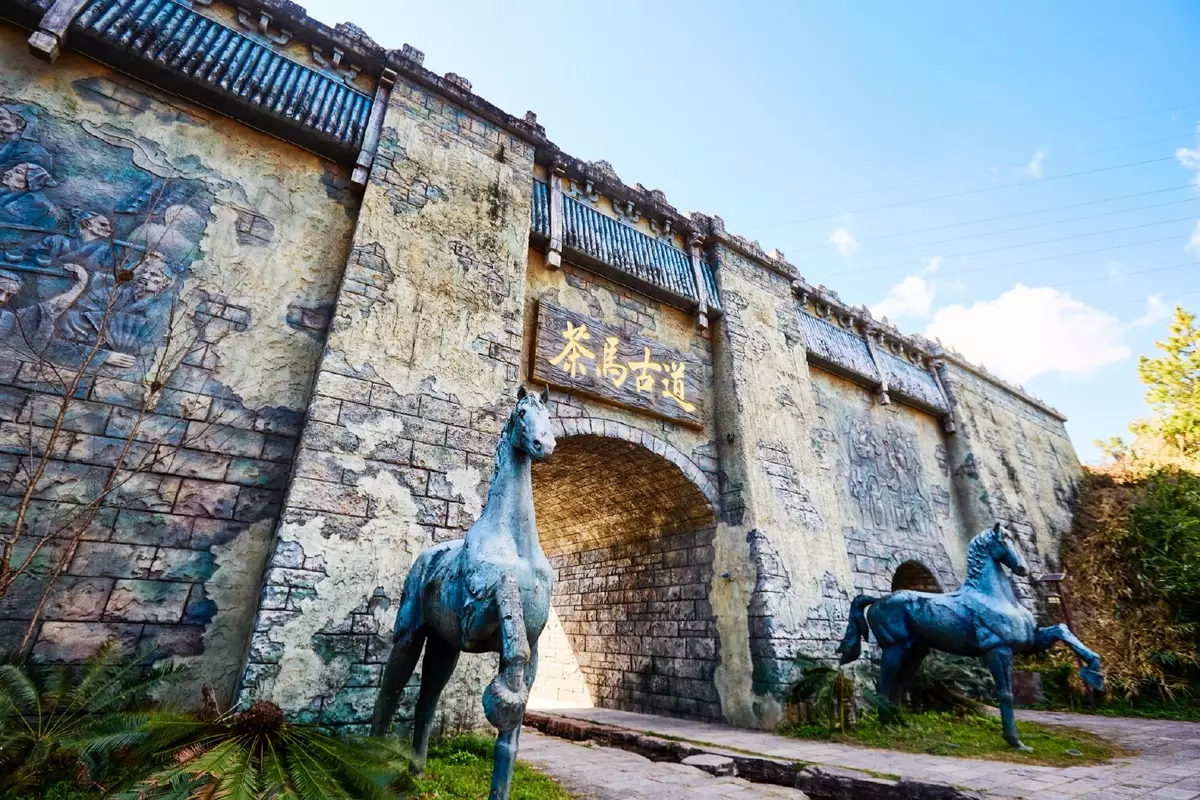
The Tea Horse Road was a network of ancient trade routes connecting southwestern China with the Qinghai - Tibet Plateau, rather than a single, fixed road. Like the Silk Road, it was more than a trade route; it became a corridor connecting civilizations. The Tea Horse Road crossed the mountains, valleys, and high-altitude passes of Yunnan and Sichuan before extending westward into Tibet and connecting with wider trade networks across the Himalayas. The name “Tea Horse Road” comes from the important role that tea and horses played in this trading network.
As trade developed, the Tea Horse Road also became an important route for the exchange of people, cultures, religions, and ways of life. Although the traditional methods of caravan transport have long been replaced by modern roads and vehicles, ancient towns, mountain paths, tea traditions, and historic sites in parts of Yunnan, Sichuan, and Tibet still preserve traces of the Tea Horse Road today.
Why Was Tea So Important to Tibet?
For Tibetans, tea has long been more than just a drink. It became an essential part of daily life and food culture on the high-altitude Tibetan Plateau, where the cold and dry climate was unsuitable for growing tea. As a result, tea had to be brought from tea-producing regions in southwestern China, particularly Yunnan and Sichuan.
Tea also became deeply connected with Tibetan food culture through butter tea, traditionally made with tea, yak butter, and salt. Rich and warming, butter tea is well suited to the harsh high-altitude environment. It has traditionally been enjoyed as a daily drink as well as a way of welcoming guests.
The sustained demand for tea helped drive long-distance trade between Tibet and southwestern China. Tea was carried across rugged mountain routes into Tibet, while traders moved horses, salt, wool, and other goods in the opposite direction. This exchange of tea and horses, together with many other goods, became an important part of the trade network now known as the Tea Horse Road.
History of the Tea Horse Road
Tang Dynasty: Tea and Trade Reach the Tibetan Plateau
During the Tang Dynasty, contact between the Tang and Tibetan empires increased. The marriage of Princess Wencheng to Songtsen Gampo in the 7th century is traditionally seen as an important milestone in these exchanges. Tea and other goods gradually reached the Tibetan Plateau, helping lay the foundations for later tea and horse trade.
Song Dynasty: The Tea-Horse Trade Becomes Institutionalized
As demand for both tea and horses increased, the Song Dynasty established institutions such as the Tea and Horse Office to manage the trade. The exchange of tea for horses gradually became an important form of official trade.
Ming and Qing Dynasties: The Trade Network Expands
The tea-horse trade continued to develop, strengthening commercial links between Yunnan, Sichuan, and Tibet. Tea, horses, salt, cloth, medicinal products, wool, and other goods circulated along a complex network of mountain routes, while the wider Tea Horse Road trade network continued to expand.
Modern Era: The Ancient Routes Gradually Lose Their Commercial Role
With the development of modern roads and transportation, traditional caravan trade gradually declined. The Tea Horse Road eventually lost its original commercial function, but its historical and cultural significance has continued to this day.
The Main Routes of the Tea Horse Road
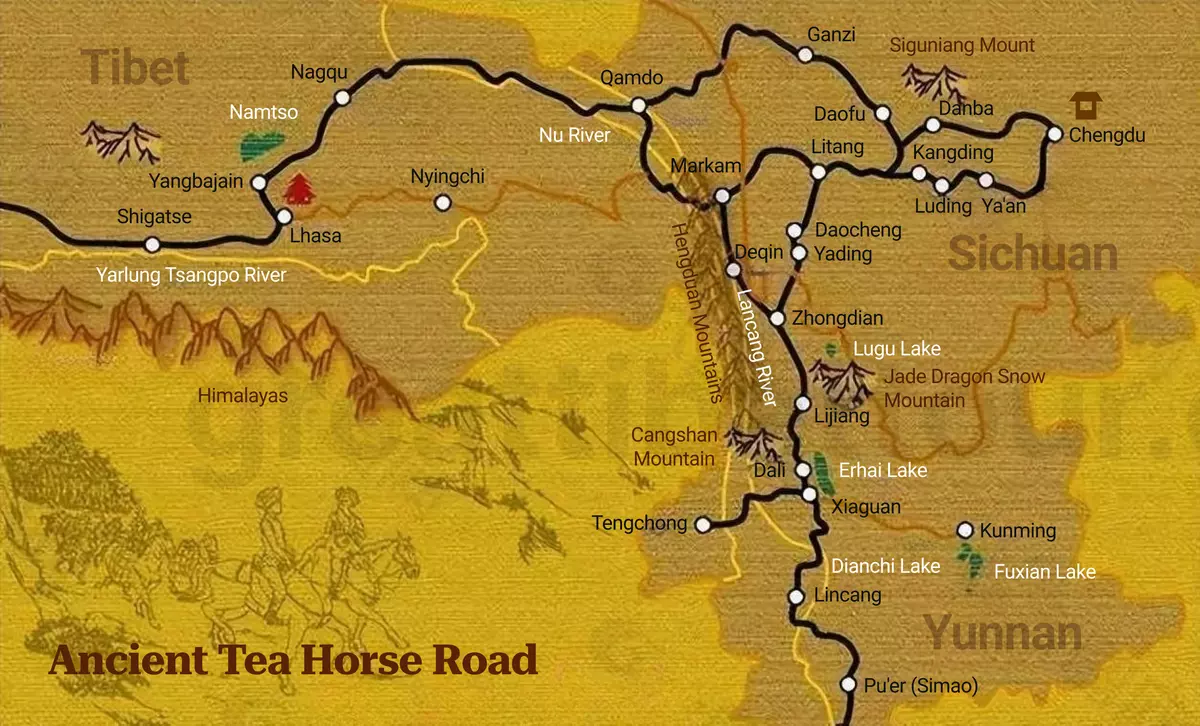
These routes formed a complex network whose paths varied according to the region and historical period. Among the routes most closely associated with Tibet were the Yunnan–Tibet Route, the Sichuan–Tibet Route, and the Qinghai–Tibet Route, historically connected with the Tang-Tibet Ancient Road.
1. The Yunnan–Tibet Route: From the Tea-Producing Regions of Yunnan to Tibet
The Yunnan–Tibet Route generally began around Pu'er and Dali in Yunnan and continued through Lijiang, Shangri-La, and Deqin before crossing the Hengduan Mountains into Mangkang in Tibet. From there, routes continued toward Qamdo and further into central Tibet. Today, travelers entering Tibet from Yunnan can follow a route that broadly corresponds to this historical trade corridor, with Mangkang serving as an important connection between the Yunnan–Tibet and Sichuan–Tibet routes.
The route connected important tea-producing areas of Yunnan with the Tibetan Plateau and served as one of the important channels through which tea reached Tibet. Caravan trade became a distinctive feature of the route, with tea, salt, and other goods transported between Yunnan and Tibetan areas.
2. The Sichuan–Tibet Route: A Mountain Trade Route Across the Hengduan Mountains
The Sichuan–Tibet Route generally began in traditional tea-producing areas such as Ya'an in Sichuan before reaching Kangding and continuing into Tibetan areas. From there, different routes crossed the Hengduan Mountains through areas such as Ganzi, Dege, or along the route through Yajiang, Litang, and Batang before reaching Qamdo in Tibet. Today, travelers entering Tibet from Sichuan can follow routes that broadly correspond to these historical trade corridors, continuing westward through Tibet toward Lhasa.
The Sichuan–Tibet Route was not a single fixed road but a network of different mountain routes. Its many mountain passes and changing routes made it an important but demanding connection between Sichuan and the Tibetan Plateau. Ancient merchants and caravans traveled these routes to exchange tea, horses, salt, and other goods. Through Tibet, these trade networks were also connected with routes extending toward South Asia.
3. The Qinghai–Tibet Route: An Ancient Link Between China and Tibet
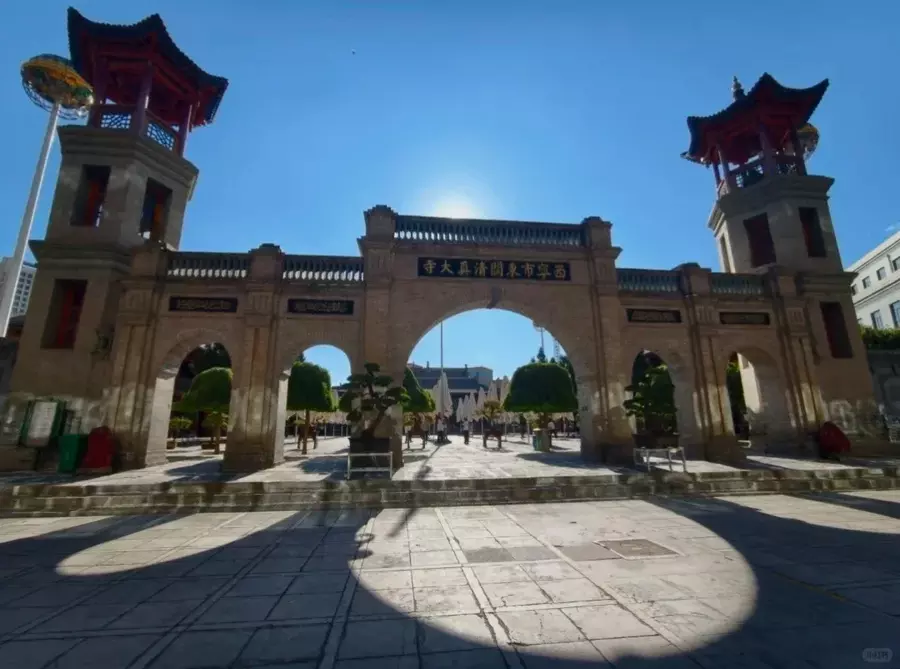
The Qinghai–Tibet routes extended westward from the Xining area through the Qinghai Plateau toward Tibet and were historically connected with the Tang-Tibet Ancient Road.
The Qinghai–Tibet routes had a different role from the Yunnan–Tibet and Sichuan–Tibet routes. Instead, they played an important role in the movement of people, goods, and cultural exchange between the regions of China and Tibet and were an important part of the long history of interaction between Han Chinese and Tibetan communities.
Life Along the Tea Horse Road
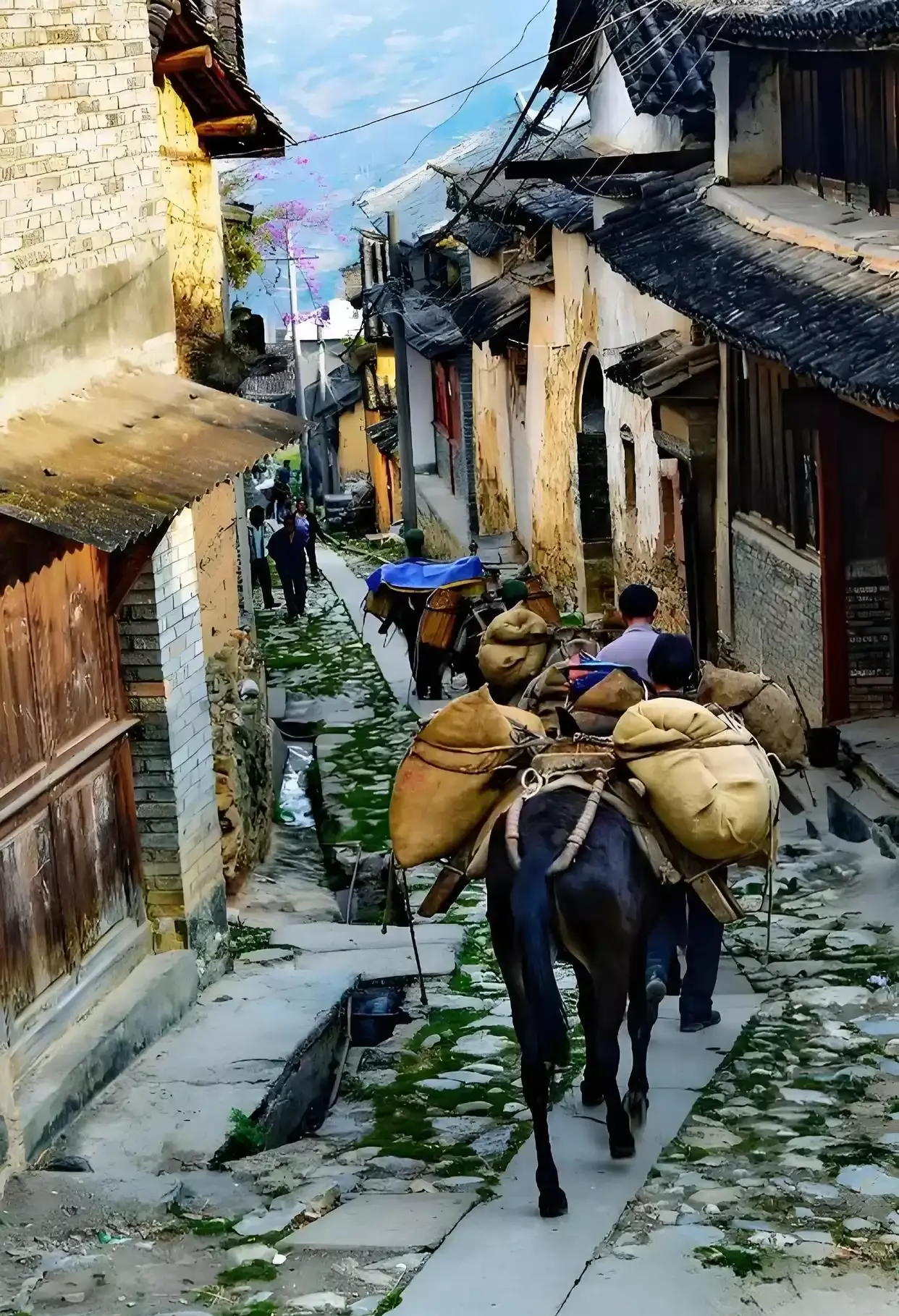
For centuries, caravans were the main means of transport along the Tea Horse Road. Merchants and caravan drivers traveled with mules, horses, and other pack animals through the valleys of Yunnan, Sichuan, and Tibet. The harsh natural environment made long journeys slow and difficult. In many mountainous areas, steep slopes, narrow paths, and fast-flowing rivers made wheeled transport difficult, making pack animals essential for moving goods.
For centuries, merchants, caravan traders, monks, and other travelers moved along these routes. As people and goods continued to move through the region, caravan inns, post stations, market towns, and traditional villages gradually developed along the way. These places provided travelers with places to rest, resupply, and trade, while also becoming meeting points for people from different regions. Long-term contact between Yunnan, Sichuan, Tibet, and the wider Himalayan region also brought exchanges in language, food traditions, religious practices, architectural styles, and folk customs.
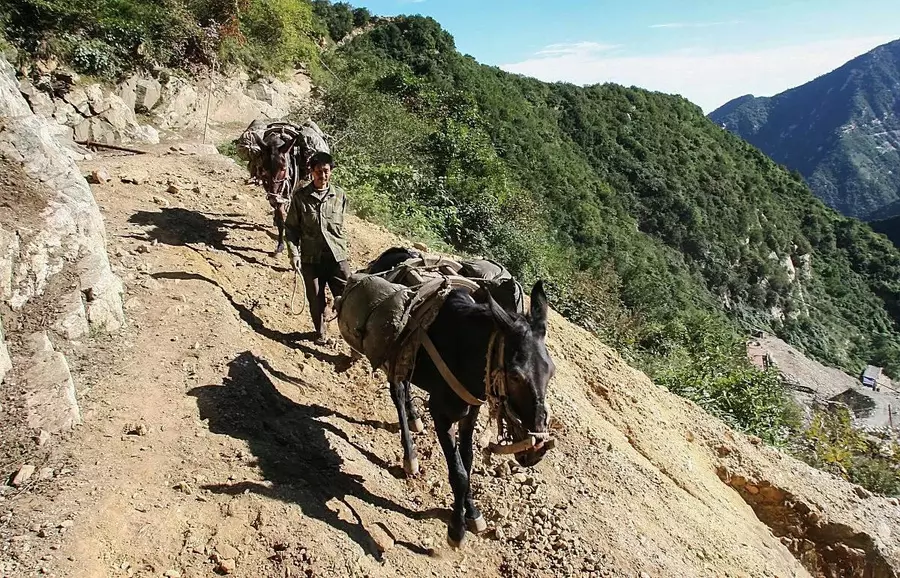
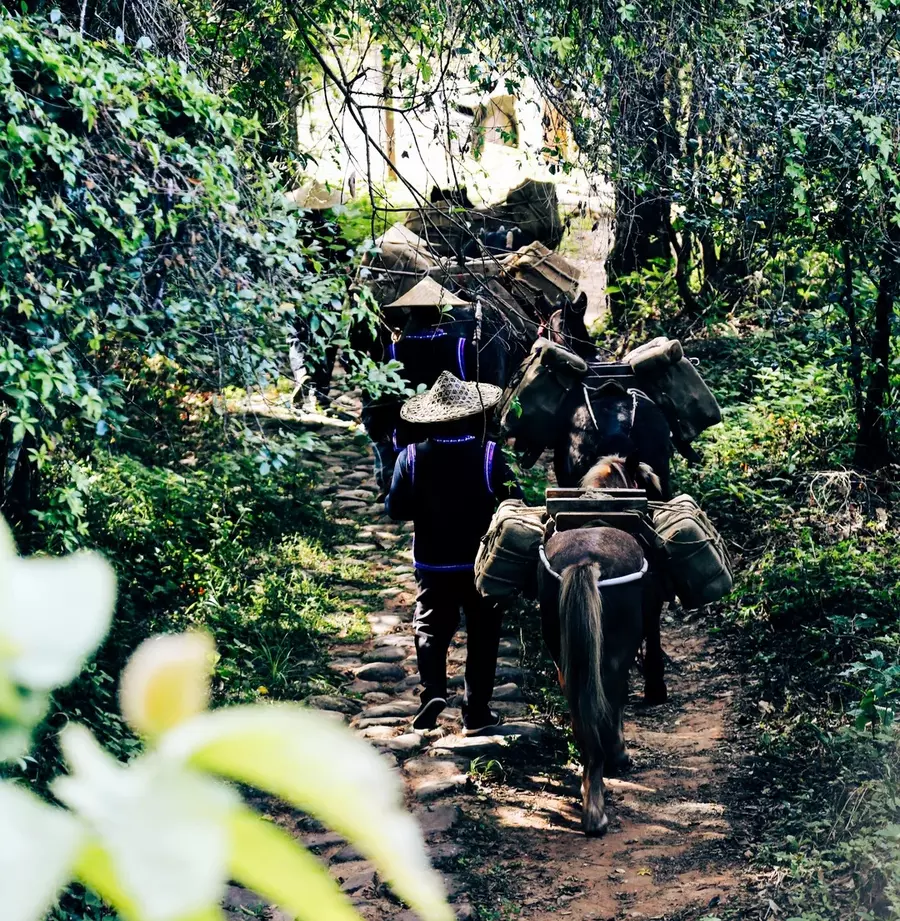
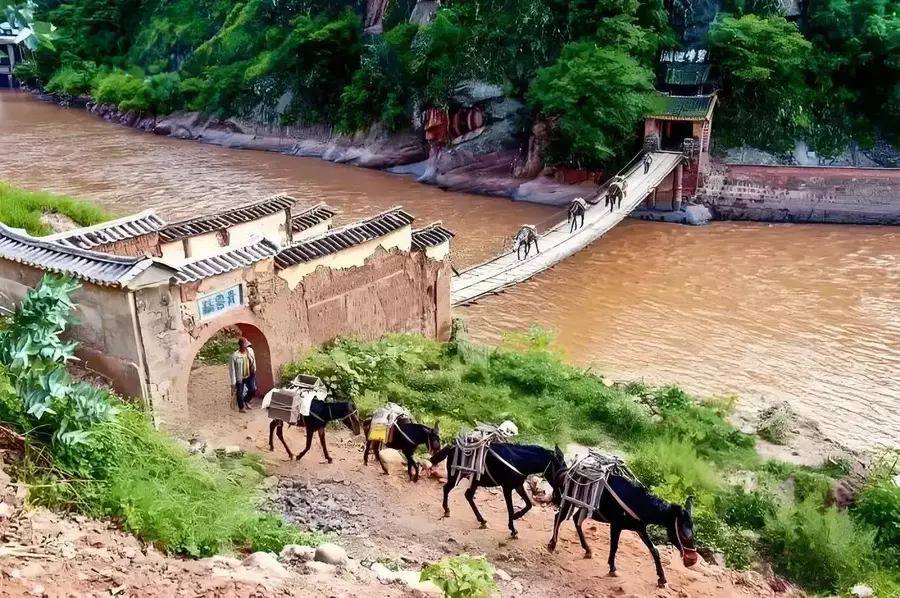
Today, travelers can still see old stone-paved roads, former caravan inns, watering facilities, and traditional buildings in parts of Yunnan, Sichuan, and Tibet. In some ancient towns and historic sites, these surviving traces of the Tea Horse Road still show the routes once traveled by merchants and caravans across the mountains.
Historic Towns and Sites Along the Tea Horse Road
Several historic towns and sites still preserve visible traces of the Tea Horse Road. Among them are Shaxi, Nake Li, Shuhe, Lushi, Yanjing, and Ya'an.
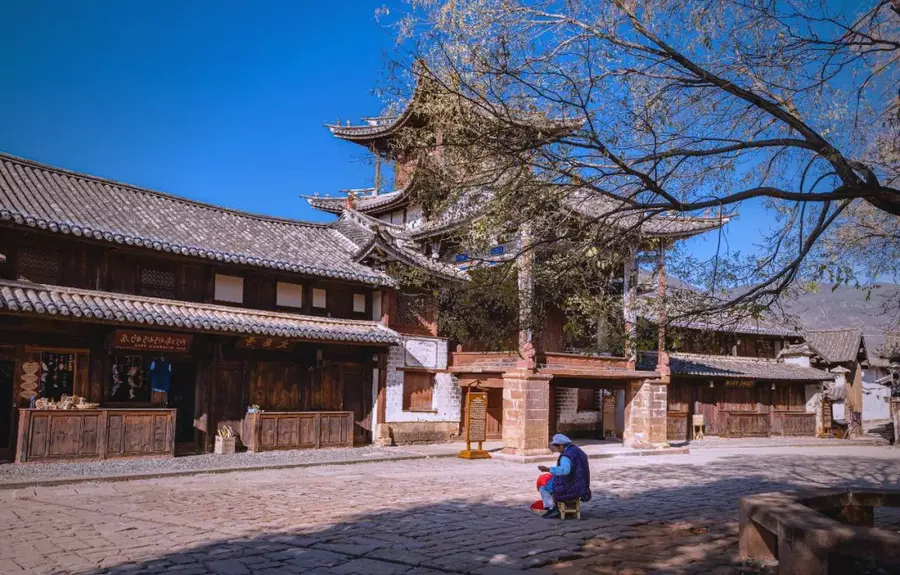
Shaxi Ancient Town, Dali, Yunnan
Shaxi Ancient Town preserves one of the best-known historic market sites along the Tea Horse Road. Sifang Street was once the center of caravan trade, and its old stone-paved streets, Ancient Stage, and Xingjiao Temple still preserve the character of the former market town.
Traces of caravan life can also be found in old horse inns, such as the Zhao Family Courtyard, which retains its former stables and guest rooms. At Yujin Bridge, old stone paving and inscriptions provide further reminders of the caravans that once passed through the town.
Pu'er, Yunnan
In Pu'er, two places offer different ways to experience the old route: the Tea Horse Road Heritage Park and the former caravan station of Nakeri. The heritage park preserves sections of the ancient stone-paved road, where traces of horse traffic can still be seen, as well as exhibits related to the caravan trade and traditional tea-making.
Nakeri, an important station on the ancient route, offers a more intimate look at caravan life. Its preserved stone-paved road, old Rongfa Horse Inn, horse troughs, hitching posts, and traditional Wind and Rain Bridge provide tangible reminders of the caravans that once carried Pu'er tea through the region.
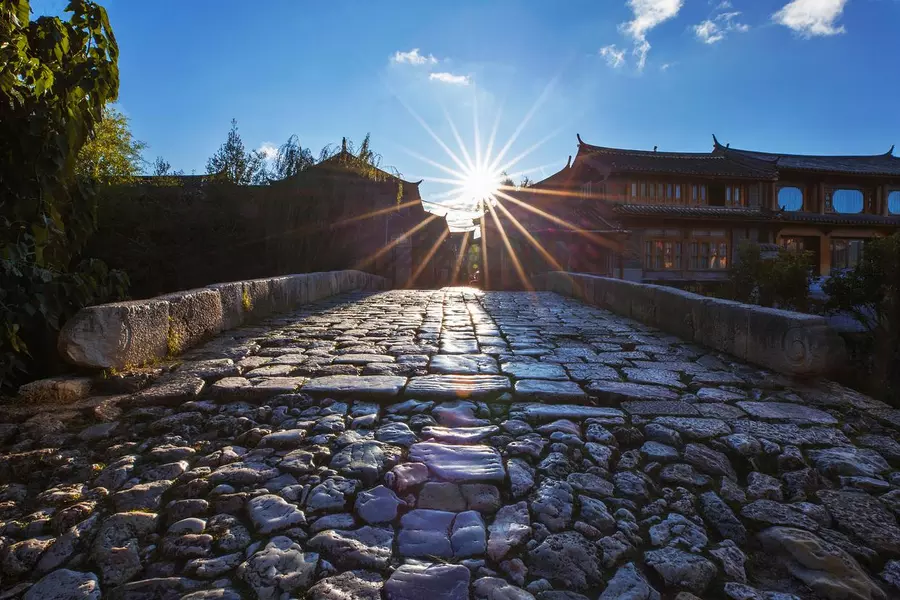
Shuhe Ancient Town, Lijiang, Yunnan
Here visitors can see well-preserved traces of the Tea Horse Road and the history of the horse caravans that once passed through the town. The old stone-paved streets around Qinglong Bridge and Sifang Street still preserve traces of the former caravan route. Built during the Ming Dynasty, Qinglong Bridge has a notably flat stone surface that made it easier for horse caravans to pass, while Sifang Street once served as a center for the exchange and distribution of goods. The Tea Horse Road Museum provides further insight into the trade between Yunnan and Tibet, while the town's traditional buildings and courtyards offer a glimpse into the life of merchants and caravan groups.
Lushi Ancient Town, Lincang, Yunnan
In Lushi Ancient Town, visitors can still see well-preserved traces of the Tea Horse Road in its old streets and traditional buildings. Known as an important town on the Yunnan section of the Tea Horse Road, Lushi retains its historic “three streets, seven lanes, and one square” layout. The 266-meter-long Stair Street, with 62 stone steps, is one of the most distinctive parts of the town, where horse hoof marks can still be seen on the stone pavement. Old courtyards and historic buildings also offer a glimpse into the life of tea merchants and horse caravans that once passed through here.
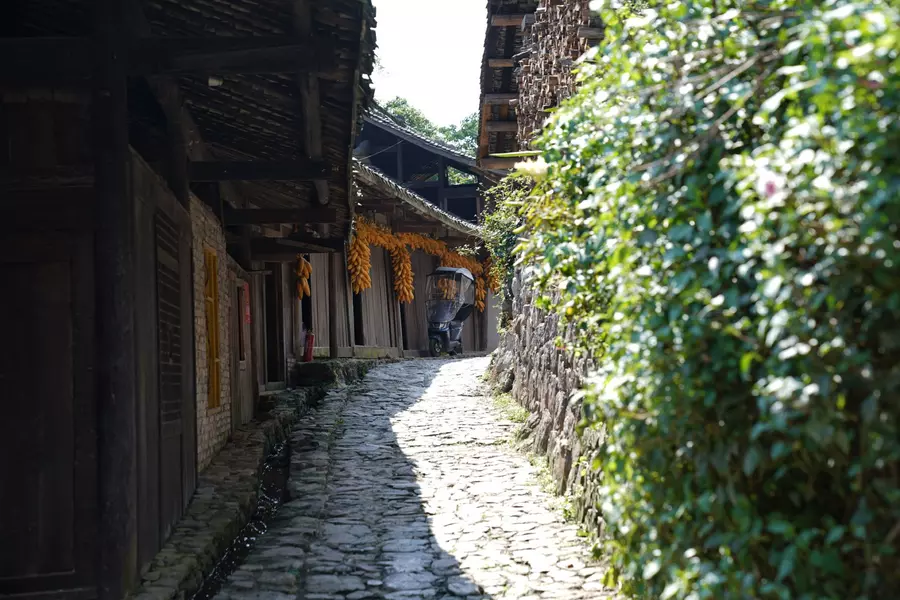
Ya'an Tianquan, Sichuan
Tianquan is particularly interesting for its traces of the people who carried tea along the route. Visitors can see traces of the “porter culture” along the ancient Tea Horse Road. At the Ganxipo Tea Horse Road Station Site, a section of the old stone-paved road preserves numerous “porters’ foot holes” carved into the stones, where tea porters once rested their walking staffs. A small exhibition nearby also displays items used by the porters, offering a closer look at how tea was carried through the mountains.
Mangkang, Qamdo, Tibet
Mangkang is best known for its ancient salt fields along the Lancang River.. The salt fields have preserved traditional hand-made salt-making techniques for centuries, with terraces stretching along both sides of the river. The local salt-making tradition was closely connected with the Tea Horse Road trade network, as salt was one of the important goods exchanged along these routes.
Experiencing the Tea Horse Road
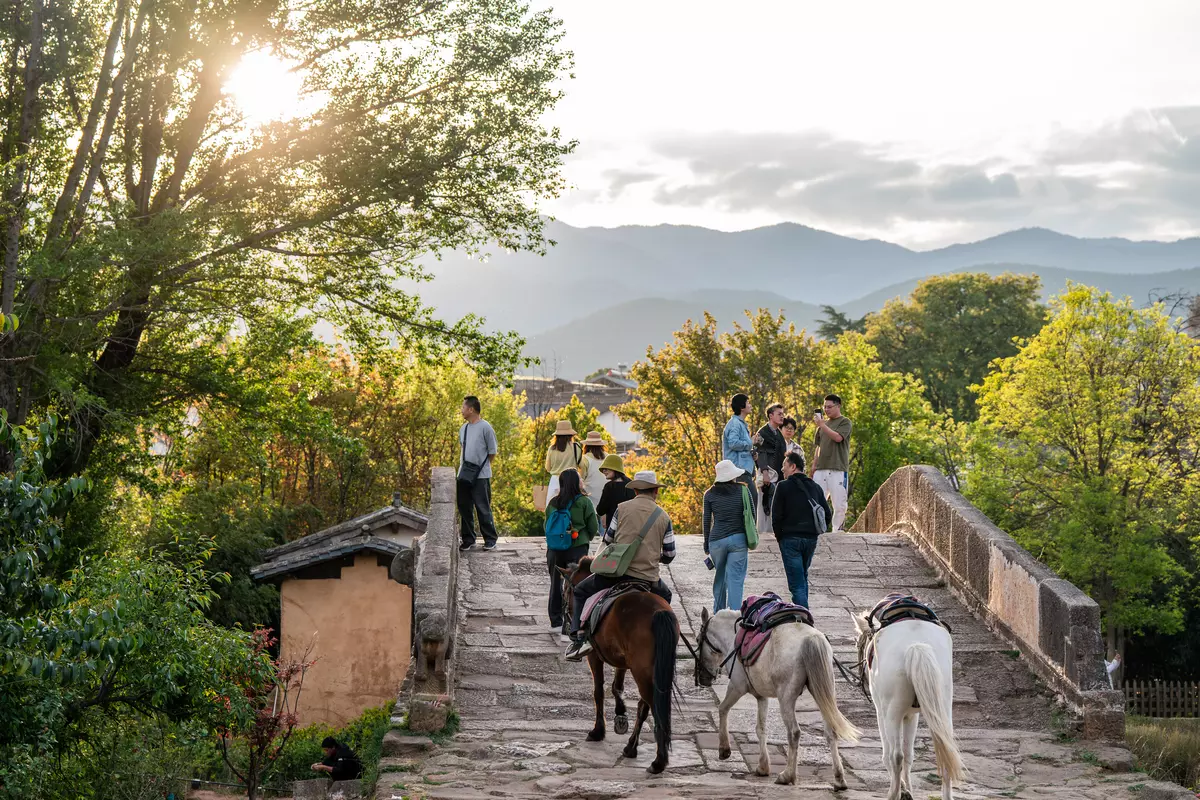
Although the Tea Horse Road no longer serves its original commercial purpose, its historic routes and surviving sites can still be found across Tibet and southwest China. For today’s travelers, the ancient towns, old roads, and highland villages along these routes offer a way to learn more about the history of this ancient trade network.
Of course, travelers today do not need to spend months crossing the plateau like the caravans of the past. Traveling along these historic trade corridors provides another way to understand the long-standing connections between Tibet, Yunnan, Sichuan, and the wider Himalayan region.
Email response within 0.5~24 hours.