
Things to Know Before Traveling to Ngari
- Caroline
- Last Updated : 10/29/2026
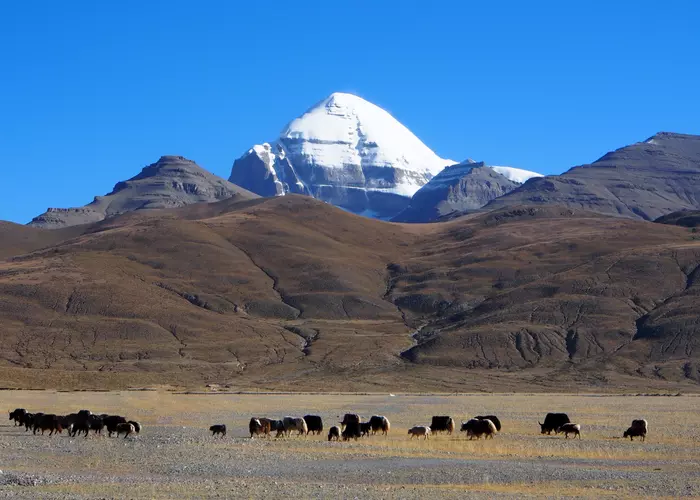
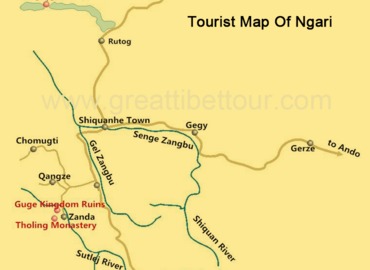
Ngari, in western Tibet, is a remote region of the Tibetan Plateau, known for its vast landscapes, high-altitude environment, and rich religious and cultural heritage. With an average elevation of over 4,500 meters, it is home to Mount Kailash, the sacred Lake Manasarovar, and the ancient ruins of the Guge Kingdom.
Traveling to Ngari can be challenging due to the high altitude, long distances, and limited facilities in remote areas. Proper preparation is essential, especially for those planning to visit Mount Kailash or undertake the Kailash Kora. Here are the key things to know before traveling to Ngari.
The Best Time to Travel to Ngari
Due to the high elevation in Ngari, there are low temperatures and large temperature differences between morning and night all year round. The climate is even more unpredictable, with strong ultraviolet rays and strong winds. From May to October, daytime conditions are generally more suitable for travel, although nighttime temperatures can drop below freezing. July and August are part of the rainy season, when weather conditions can change quickly and occasional snowfall is possible.

How Can You Get into Ngari?
There are two ways to get into Ngari. One is taking a flight and another is going by land.
Option I - You can fly to Ngari Gunsha Airport (NGQ) or Puran Airport (APJ) from Lhasa Gonggar Airport (LXA).
Option II - You can take a car to Ngari. You can depart from Lhasa and follow the national highway G318, then turn to G219 from Lhatse to Ngari. Or depart from Kathmandu, enter Tibet via Gyirong/Zhangmu Port then follow G219 from Saga to Ngari.
>>See more about ways to go to Ngari
Food and Dining in Ngari
Food and supplies can be more expensive in Ngari than in many other parts of Tibet due to the region's remoteness and limited supplies. Restaurants serving Sichuan cuisine are common in towns, and Tibetan restaurants can also be found in some places. However, food options may be limited in remote areas, and meals along the way may be simple.
You can try local Tibetan foods and drinks, such as butter tea, sweet tea, and dried meat. When traveling to remote areas, especially around Mount Kailash and Lake Manasarovar, it is advisable to bring snacks and extra food, such as biscuits, chocolate, bread, and instant noodles. You can purchase supplies in Lhasa, Shiquanhe Town, or Purang County before heading to more remote destinations.

Accommodation in Ngari
Accommodation in Ngari, western Tibet, has improved in recent years. Shiquanhe Town, Zanda County, Darchen Town in Purang County, Zhongba County, and Paryang Town offer hotels of different standards. Some are equipped with facilities such as centralized oxygen supply, underfloor heating, humidifiers, and hot water. However, amenities vary by property, so it is advisable to confirm the facilities before booking.
In more remote counties and towns, accommodation options are more limited and facilities are generally simpler, although some areas have three-star or equivalent hotels. Along the Mount Kailash Kora route, accommodation and supply points are basic, usually offering simple guesthouses or shared dormitory rooms. Heating is limited, and a reliable hot water supply is generally unavailable. Accommodation is also available around Lake Manasarovar, but facilities and services are basic.
If you plan to travel to Ngari during the peak season, it is advisable to book hotels in advance in places such as Shiquanhe, Zanda, and Darchen, as prices can fluctuate considerably and rooms may be in short supply. Accommodation along the Mount Kailash Kora route generally cannot be booked in advance. As facilities are basic and bedding may not always meet your personal hygiene preferences, bringing your own sleeping bag is recommended.
What to Pack for a Trip to Ngari?
The average altitude of Ngari is over 4,500 meters (14,764 feet). It's said that highland trekking is equivalent to carrying 30 kg of weight in flatlands. Thus, please try to pack light; especially, don’t carry all your belongings when visiting Mt. Kailash and Lake Manasarovar, because you will feel too tired to walk on the plateau. Besides, although Ngari is moderate during the summer, the temperature could go below zero at night. So, the following stuff should be on your must-carry list.
Sunglasses, sunscreen, lip balm, winter clothes, flashlights, anti-cold medicine, and garbage bags, etc.
If budget permits, you can hire a porter to carry your luggage and save your energy, who you can find easily near hostels and rest houses in the town.
Money and Currency Exchange in Ngari
Although there are a few branches of the Agricultural Bank or the Postal Bank in most towns and counties of Ngari, where you can withdraw and exchange money, we still suggest you do it in Lhasa, which is more convenient. Please make sure you have some small change to donate to the monasteries. Credit cards are only acceptable in some 3 or 4-star hotels in big towns.

Internet Access in Ngari?
Internet access in Ngari has improved considerably in recent years, although signal coverage and network quality still vary by location. Most hotels in Shiquanhe, Tarchen, Paryang, and Zanda offer Wi-Fi, but connection speeds and stability may differ between properties. Around Lake Manasarovar, internet access has also improved, though the quality of the connection depends on your exact location.
During the Mount Kailash Kora, mobile signal is available along many sections of the route, but coverage is not continuous. High mountain passes and remote stretches may have weak signals or no service at all. If you rely on your phone for navigation or communication, it is advisable to download maps and save essential travel information before setting out.
How to Reduce the Risk of Altitude Sickness in Ngari?
Ngari's high elevation makes altitude sickness an important consideration for travelers. If you are visiting Tibet for the first time, allow sufficient time to acclimatize in Lhasa before traveling to higher-altitude areas. Avoid strenuous activity during the initial acclimatization period, stay hydrated, and pay attention to how you feel as you ascend.
Consult a healthcare professional before your trip about your individual risk and whether any preventive medication is appropriate. Do not rely on oxygen products or over-the-counter remedies to prevent altitude sickness. If you develop symptoms such as a worsening headache, nausea, dizziness, or unusual fatigue, stop ascending and seek medical advice. Severe symptoms, including difficulty breathing at rest, confusion, or trouble walking, require urgent medical attention and descent to a lower altitude when possible.
>>See more about altitude sickness
Conclusion
Ngari is a remarkable destination for those seeking adventure and spiritual depth. Despite its challenging climate and high altitude, the area offers profound rewards, from the sacred Mt. Kailash to the serene Lake Manasarovar. Proper preparation is essential to fully enjoy this unique and mystical part of Tibet.
Email response within 0.5~24 hours.