

Zamling Chisang: Tibet’s Incense Burning Festival
- Beatrice
- Last Updated : 03/20/2026
In Tibetan villages, every morning a wisp of incense smoke rises even before the sunlight, slowly drifting into the air. Many outsiders may assume this smoke comes from cooking, but it is actually the unique incense, called Sang (སང in Tibetan), that Tibetans burn as an offering to the gods. Sang represents the Tibetan people’s devotion, using smoke to reach the heavens and serving as an ancient spiritual support. Zamling Chisang is not only a ceremony of worship and purification but also a spiritual connection for Tibetans. Through the incense smoke, they communicate with the gods, conveying their wishes for peace, good harvests, health, and other blessings.
Every year, on the 15th day of the 5th month in the Tibetan calendar, Tibet celebrates the annual Zamling Chisang, also known as the Incense (Sang) Burning Festival. The festival is sometimes associated with Samye Dolde/Dhoede, where similar incense rituals are traditionally performed. It originates from the Tibetan practice of burning herbs to honor deities and pray for peace. In Tibetan, Sang literally refers to the auspicious act of burning incense to worship the gods, reflecting the belief that one’s actions—good or bad—have meaningful consequences. The festival symbolizes the devotion of the Tibetan people to the gods and their prayers for a better life.
Historical Origins
The Sang culture has a long history in Tibet, dating back around 3,500 years to the ancient Zhangzhung period. Early Bon practitioners firmly believed that “everything has a spirit” and burned herbs to seek divine protection.
Initially, Sang was performed when Tibetan men returned from expeditions or hunting trips. Outside the village, a pile of cypress branches and herbs would be burned, and water sprinkled on the returning warriors, using smoke and water to drive away evil spirits. Later, the ritual was combined with war sacrifices, offering Sang to war gods to pray for tribal peace and victory.
In the 7th century AD, during the reign of Songtsen Gampo, Indian Buddhism entered Tibet. Master Padmasambhava incorporated traditional Bon customs into Buddhist rituals, including Sang, which evolved into a unique ceremony within Tibetan Buddhism.
A legend also tells of the festival’s origin: During the construction of Samye Monastery, the site was repeatedly disturbed by ghosts and demons. Walls built during the day were destroyed at night, delaying completion. On the 13th day of the 5th month in the Tibetan calendar, Padmasambhava performed a Sang ritual, after which the spirits no longer caused trouble. The monastery was completed successfully. In the 8th century, King Trisong Detsen erected a large incense burner on Mount Haibu in the Nyingchi region to celebrate Padmasambhava’s victory over demons. This tradition has continued for thousands of years.
Meaning and Symbolism
The word Sang literally means “sacrificial smoke and fire.” The Sang ritual is both a religious ceremony and a key spiritual custom in Tibetan life. By burning cypress leaves, kamba flowers, and barley flour, the smoke symbolizes purification, exorcism, and the removal of disasters. Tibetans believe that through Sang, they can communicate with the gods, transform misfortune into good fortune, ensure health and longevity, and bring prosperity.
Sang rituals can be seen everywhere in Tibetan life: in monasteries, villages, and homes. Whether celebrating abundant harvests, victories in battle, praying for national prosperity, or seeking protection for journeys or events, Sang allows Tibetans to express their prayers and devotion.
How to Celebrate
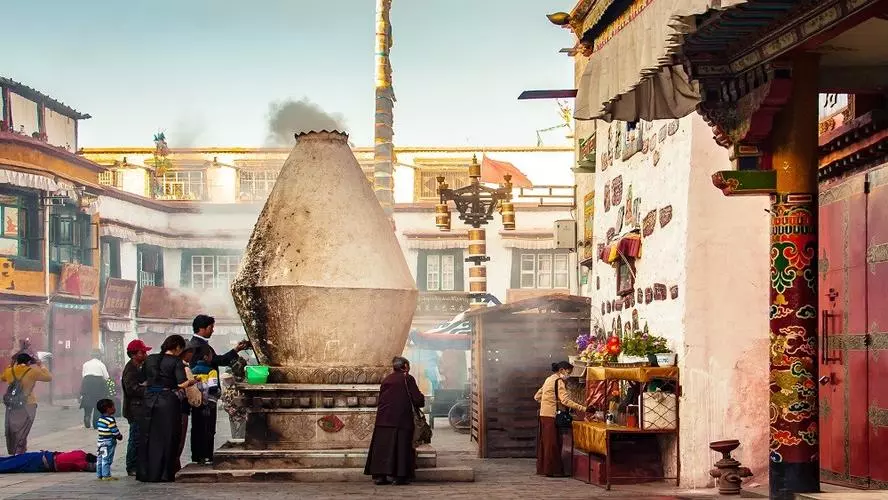
Zamling Chisang is usually held between the 5th and 6th months of the Tibetan lunar calendar. On the day of the festival, the Jokhang Temple square and the Pingkou Mountain on the eastern outskirts of Lhasa are the main celebration sites. Devotees dress in traditional attire, bringing dried "small-leafed rhododendron, cypress leaves," along with barley flour and butter, to the incense burners.
The specific ceremony includes:
- Placing cypress branches into the incense burner and lighting them.
- Sprinkling incense, tsampa, highland barley, fruit, and sugar on the fire.
- Dipping cypress branches into water and waving them three times in front of the flames.
- Chanting scriptures while praying for peace, national prosperity, and good health for all beings.
According to the scriptures, the gods do not partake in worldly sustenance but will descend only when they smell the fragrance of Sang smoke. Those gods include the Guru and the Three Jewels, Dharma protectors, transcendent buddhas, various divine beings, as well as offended spirits and karmic creditors. Amidst the swirling smoke of burning herbs, devoted worshippers pray earnestly, and the sacred aura extends across the Lhasa River, temples, and surrounding hills.
Conclusion
Zamling Chisang is not only an ancient religious custom but also a concentrated reflection of Tibetan beliefs and culture. As a remnant of Zhangzhung culture, Sang is a living relic of Tibet’s ancient civilization. Over time, this traditional festival continues to thrive, carrying forward the Tibetan people’s reverence and gratitude toward nature, life, and the gods.
Email response within 0.5~24 hours.