


Golden Triangle Tour
| Duration: | 7 Days |
|---|---|
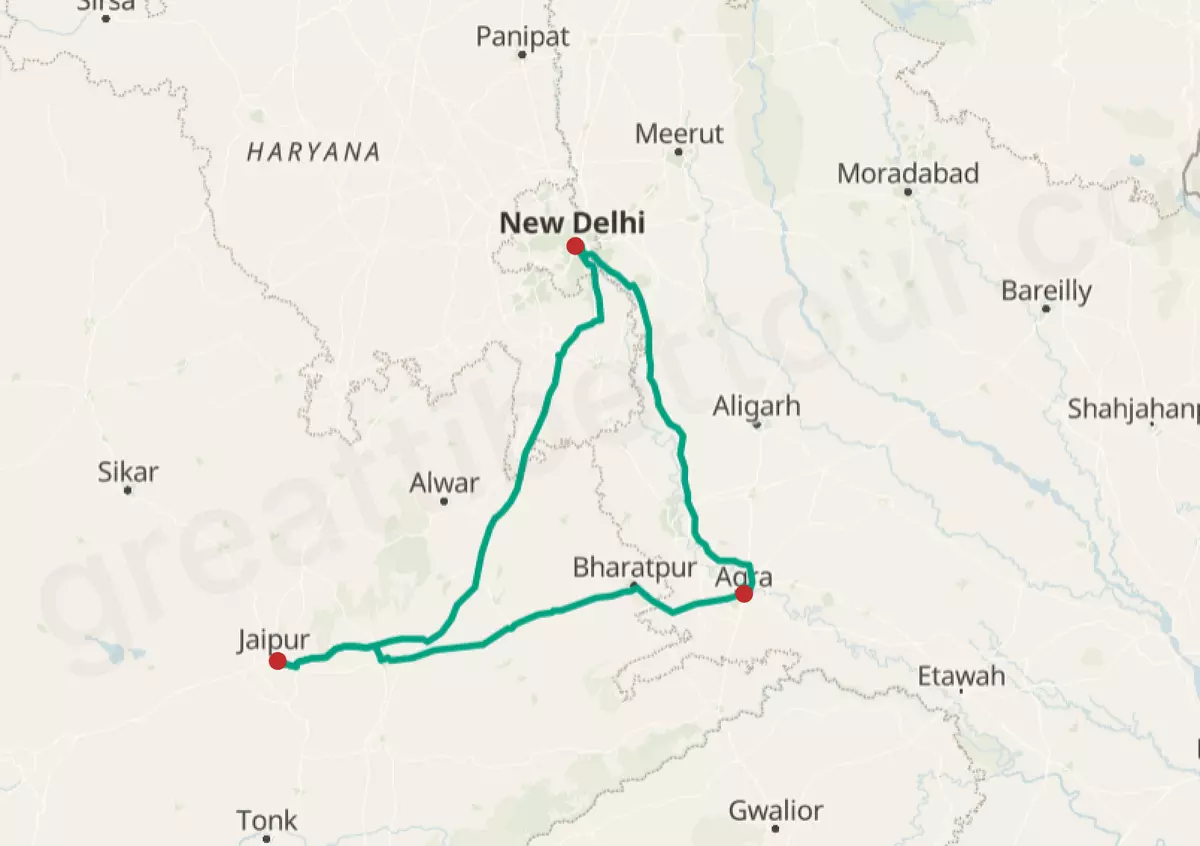
| Route: | Delhi - Agra - Jaipur - Delhi |
| Season: |
|
| Tour Type: | Private Tour |
Overview
India's Golden Triangle is one of the country's most popular travel routes, connecting three historic cities: New Delhi, Agra, and Jaipur. This classic itinerary brings together India's most iconic historical landmarks, royal architecture, and cultural experiences, making it an excellent choice for first-time visitors. The journey begins in New Delhi, where you will explore the capital's blend of historic landmarks and modern city life. Continue to Agra to admire the world-famous Taj Mahal and Agra Fort, then travel to Jaipur, the “Pink City,” to discover the royal architecture and rich cultural heritage of Rajasthan. Finally, return to New Delhi to conclude your classic Golden Triangle tour.
| Day | Route | Attractions & Activities |
|---|---|---|
| 1 | Arrival in New Delhi | Airport pickup & transfer to hotel |
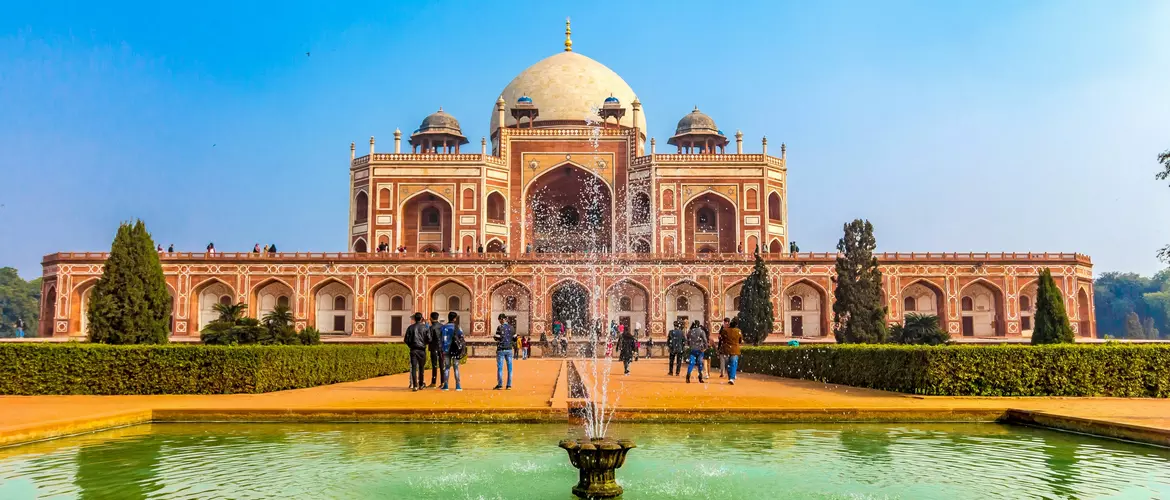
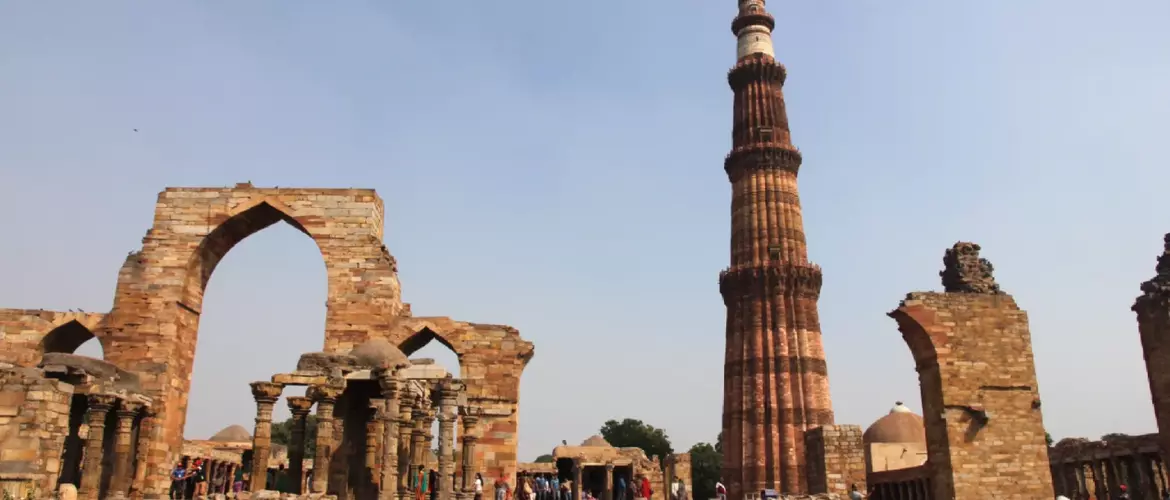
| 2 | Delhi Sightseeing | Red Fort, Jama Masjid, Chandni Chowk, India Gate (photo stop), Humayun’s Tomb, Qutub Minar |
| 3 | Delhi – Agra, Approx. 230 km / 4 hrs | Taj Mahal |
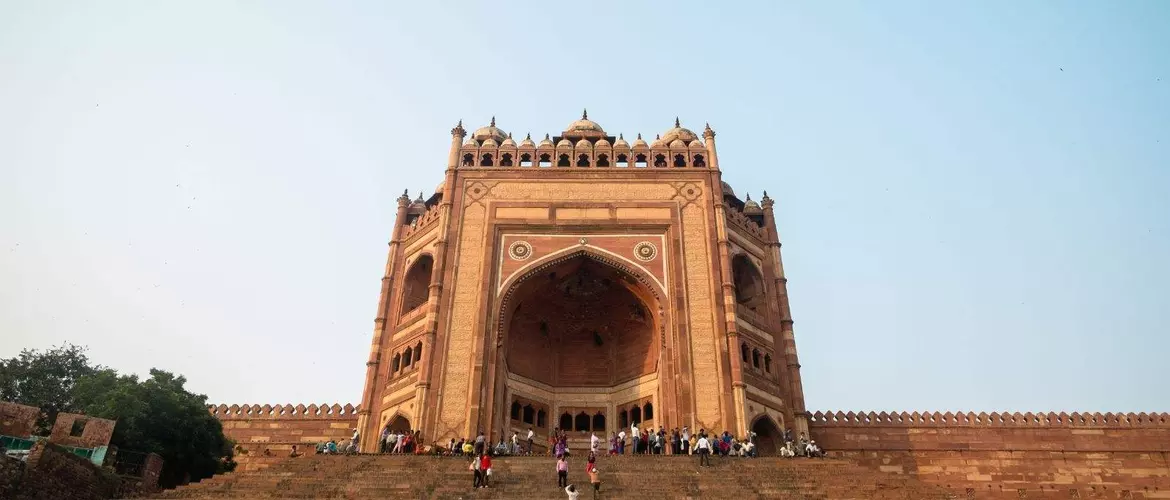
| 4 | Agra – Fatehpur Sikri – Jaipur, Approx. 250 km / 6 hrs | Fatehpur Sikri |
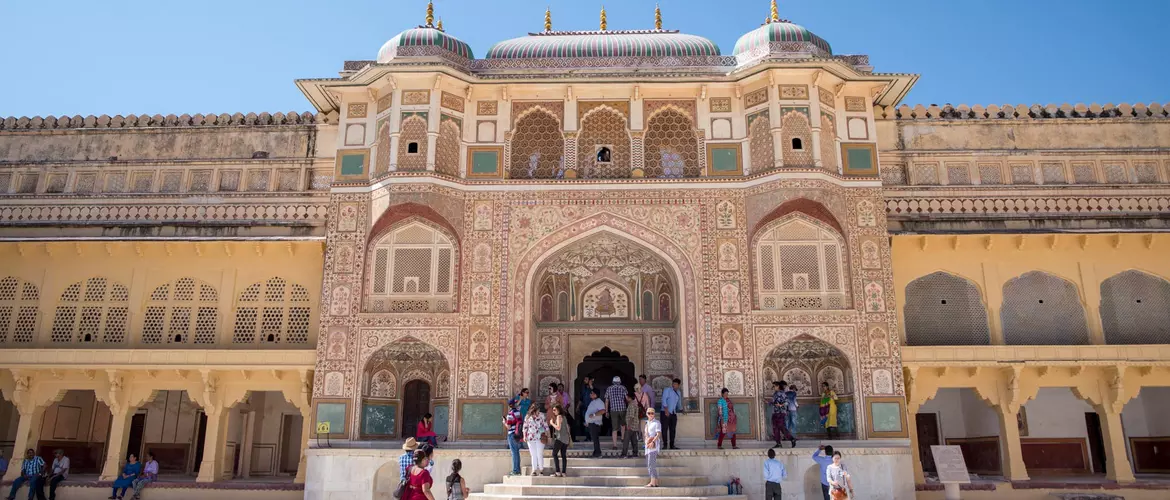
| 5 | Jaipur Sightseeing | Amer Fort, Jal Mahal, City Palace, Jantar Mantar, Hawa Mahal |
| 6 | Jaipur – Delhi, Approx. 260 km / 5 hrs | Gurudwara Bangla Sahib (if time permits) |
| 7 | Departure from New Delhi | Airport transfer |
Daily Itinerary
CollapseUpon arrival at the Indira Gandhi International Airport, your tour guide will fetch you from the airport and billet you at a nice hotel. The rest of the day is all yours to spend. You can use the rest of the day to familiarize yourself with Indian culture and other aspects of Indian life.
Stay overnight in Delhi
After breakfast, begin your full-day sightseeing tour of Delhi, combining the city’s Mughal heritage with its best-known landmarks.
Start in Old Delhi with a visit to Red Fort, a UNESCO World Heritage Site known for its imposing red sandstone walls and its history as the main residence of Mughal emperors. Continue to Jama Masjid, one of India’s largest mosques, before taking a walk or rickshaw ride through the lively lanes of Chandni Chowk. Browse the traditional market streets and spice market to experience the sights, sounds, and aromas of Old Delhi.
In the afternoon, stop briefly at India Gate, a prominent war memorial in New Delhi, for photos before continuing to Humayun’s Tomb, a magnificent Mughal monument whose architectural style later influenced the design of the Taj Mahal.
End the day at Qutub Minar, a UNESCO World Heritage Site and an outstanding example of early Indo-Islamic architecture.
Stay overnight in Delhi
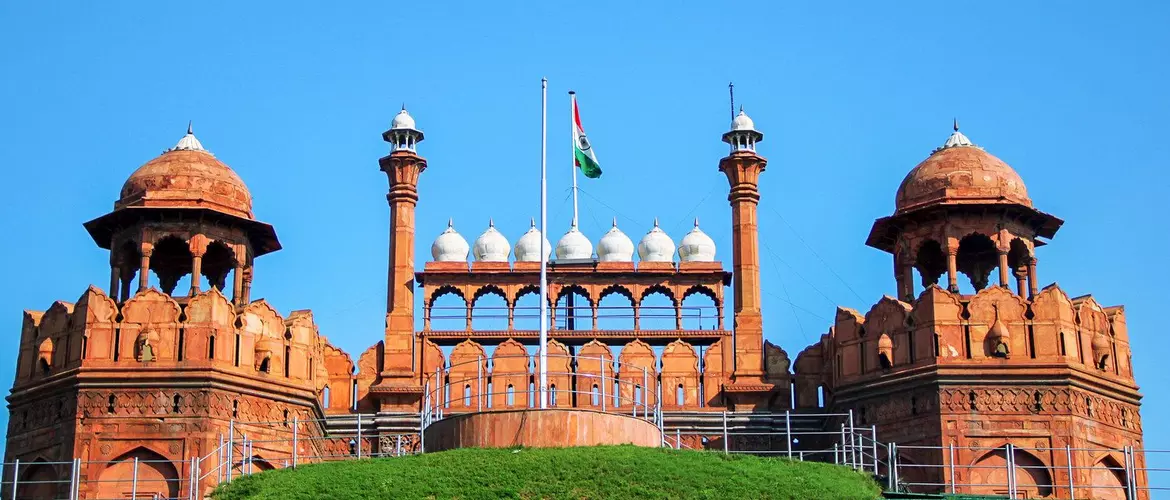
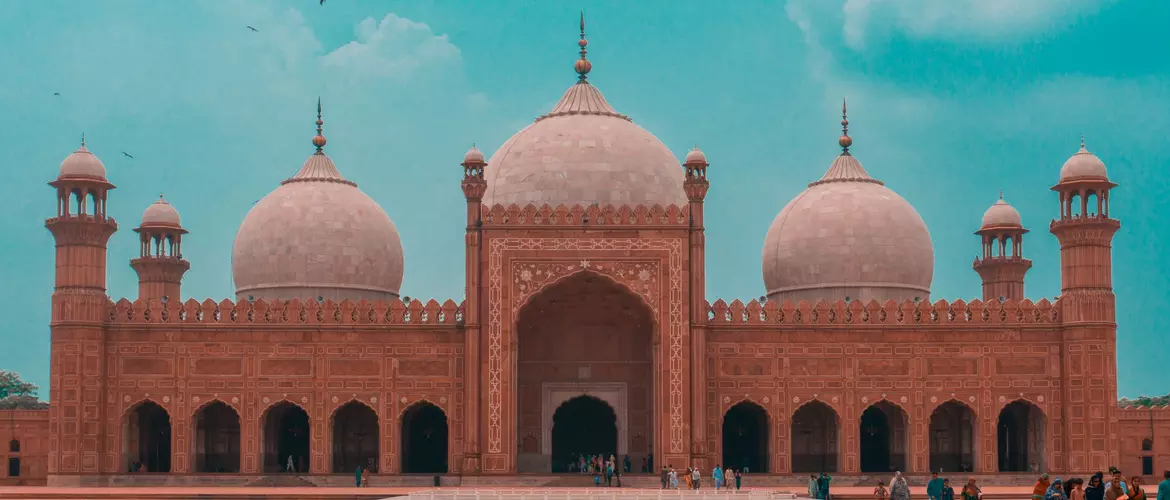
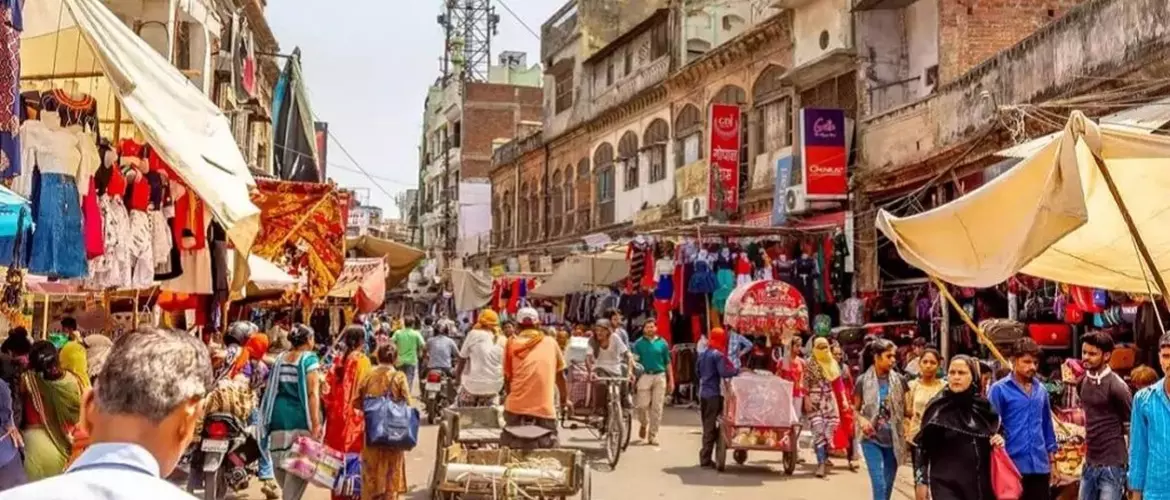
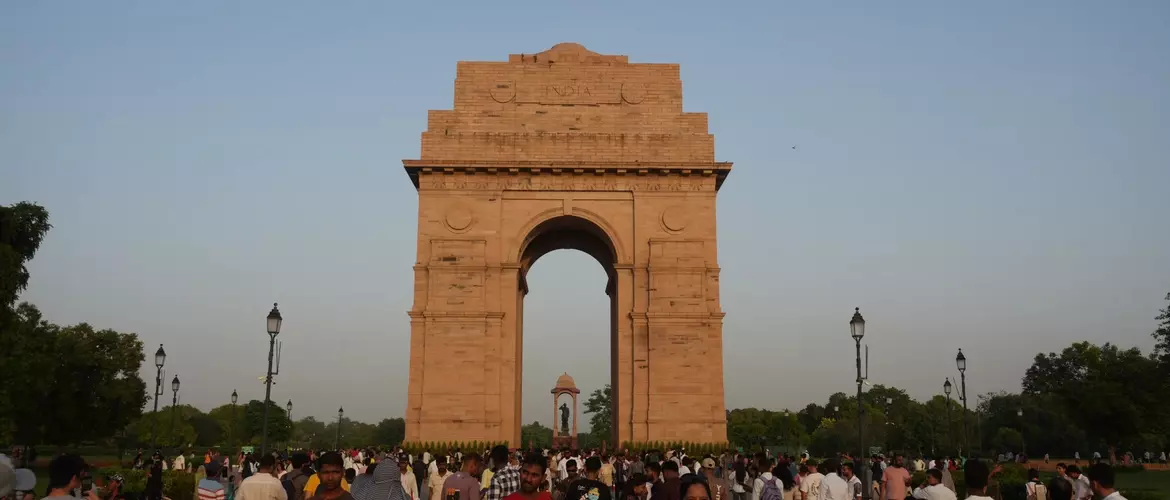
After breakfast, drive from Delhi to Agra, the former Mughal capital and home to India’s most iconic monument.
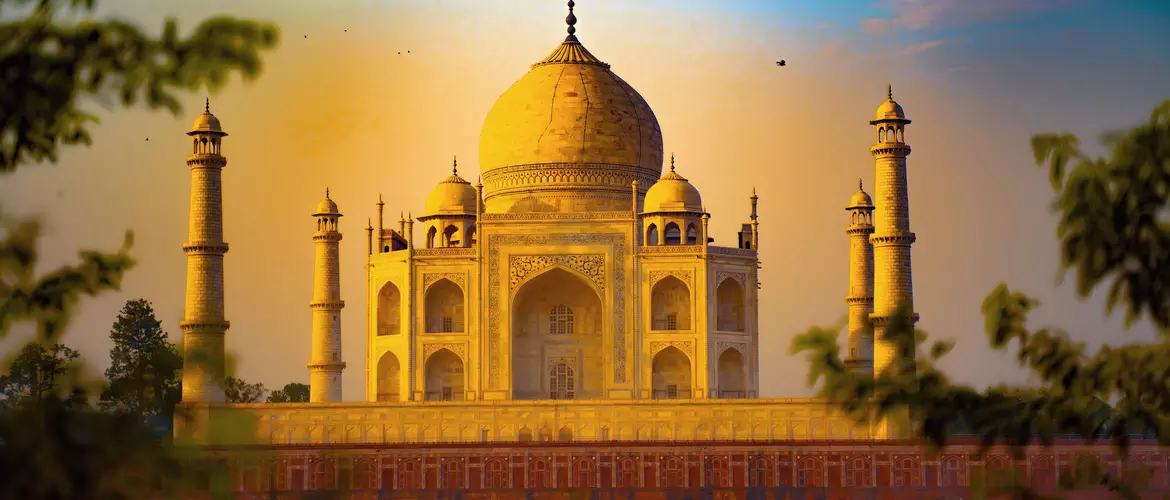
In the afternoon, visit the magnificent Taj Mahal, one of the world’s most famous monuments and a UNESCO World Heritage Site. Built by Emperor Shah Jahan in memory of his wife Mumtaz Mahal, the monument is celebrated for its elegant white marble architecture and intricate decorative work.
Stay overnight in Agra

After breakfast, depart Agra and drive toward Jaipur, with a stop at Fatehpur Sikri, a historic Mughal city built by Emperor Akbar in the 16th century. Often called the ‘City of Victory,’ it is known for its impressive palaces, courtyards, and grand gateways. Continue to Jaipur, the colorful capital of Rajasthan, often known as the “Pink City.” The arrival in Jaipur will depend on the time spent at Fatehpur Sikri and traffic conditions.
After checking in at the hotel, you can relax or take a short walk around the local area.
Stay overnight in Jaipur
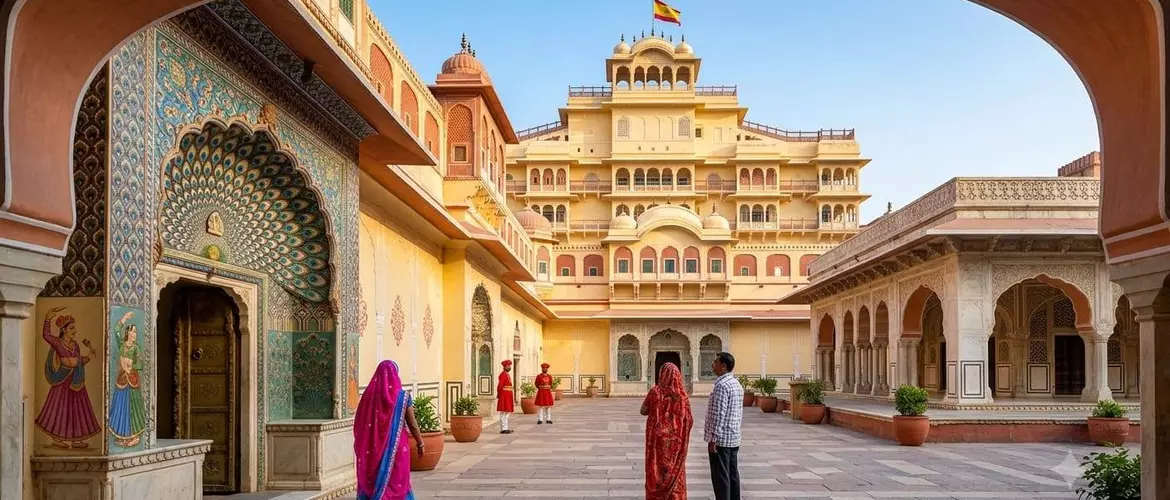
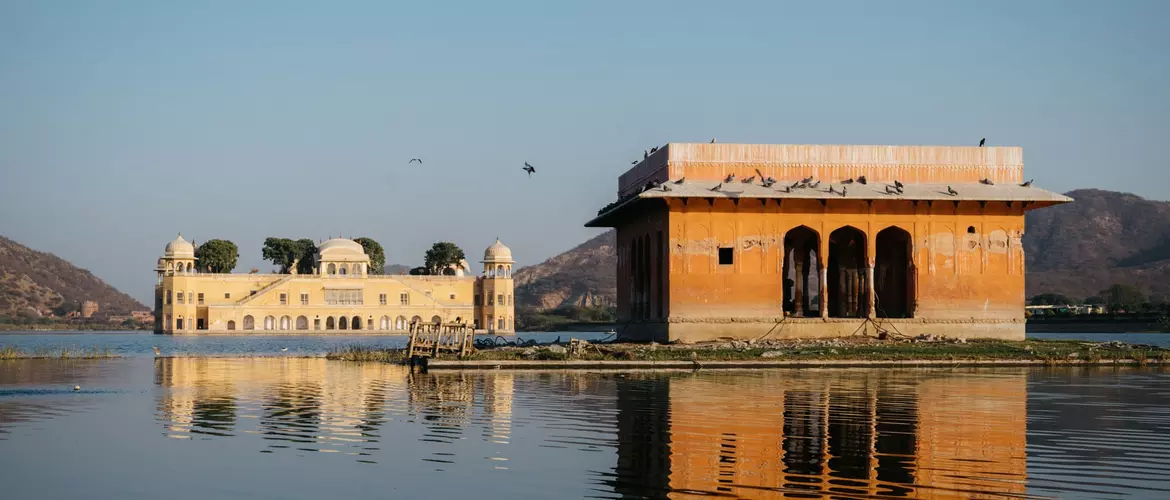
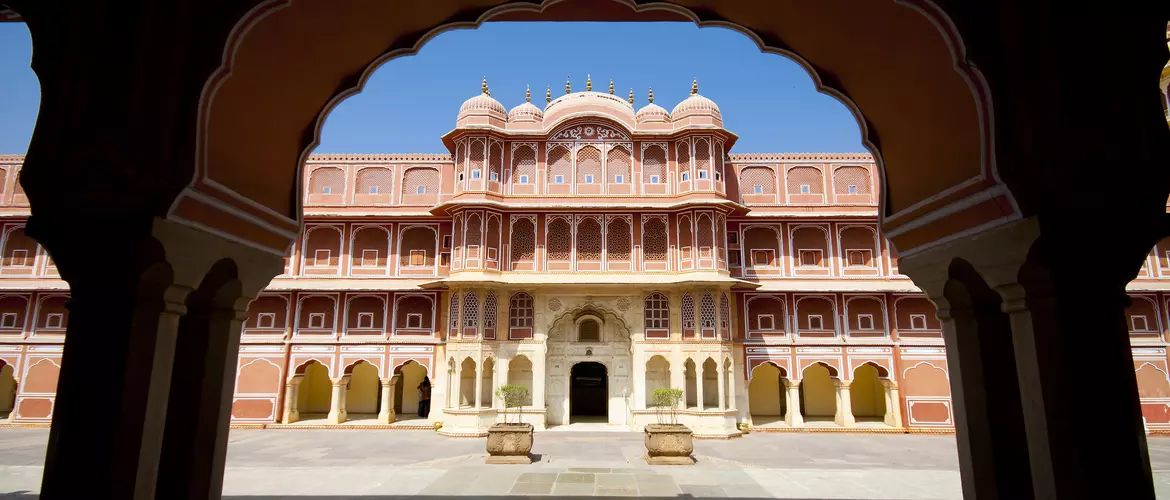
After breakfast, enjoy a full day exploring Jaipur and its magnificent royal heritage. Begin with Amer Fort, an impressive hilltop fortress known for its grand courtyards, palaces, and beautiful views over the surrounding landscape. Continue to Jal Mahal, the picturesque “Water Palace” situated in the middle of Man Sagar Lake. Then you will visit City Palace, the former royal residence and one of Jaipur’s most important landmarks, with a fascinating collection of royal costumes, manuscripts, weapons, and artwork.
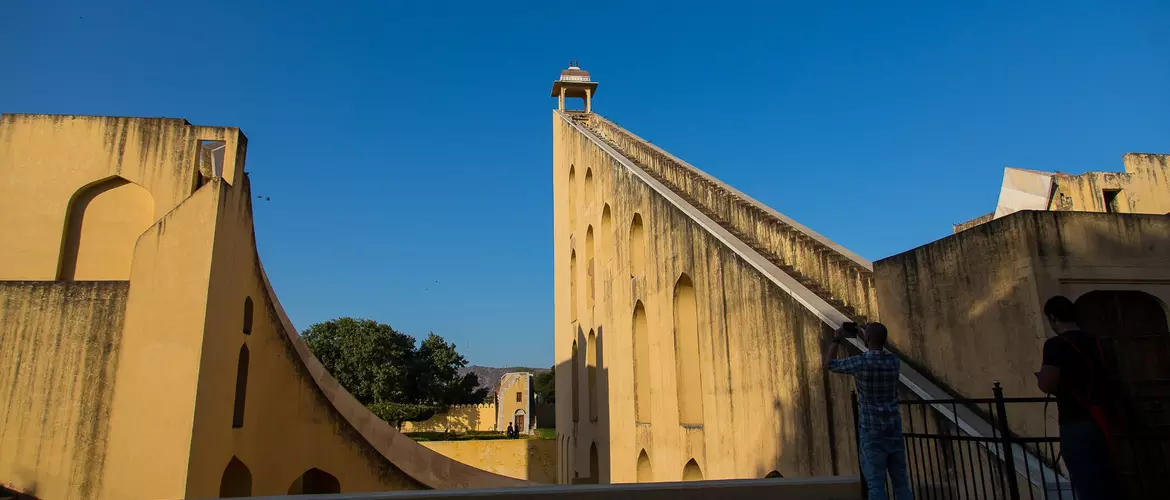
Next, you will visit Jantar Mantar, an extraordinary astronomical observatory built by Maharaja Sawai Jai Singh II and now a UNESCO World Heritage Site. Finally, stop at Hawa Mahal, or the “Palace of Winds,” Jaipur’s most recognizable landmark. Its distinctive façade, with hundreds of small windows, was designed to allow royal women to observe street life without being seen.
Stay overnight in Jaipur

After breakfast, drive back to Delhi. Depending on your arrival time, visit Gurudwara Bangla Sahib to experience one of the city's best-known Sikh religious sites. If time is limited, transfer to your hotel and enjoy the rest of the day at leisure.
Stay overnight in Delhi

We had the best time on our Great Tibet tour. The guide and driver were wonderful and we were so grateful for your thoughtful and speedy responses. The itinerary changed radically at the last minute and somehow you pivoted and found a way for us to have our Mt. Kailesh dreams come true. We are so ....
Read more testimonials...