


Temple of Heaven
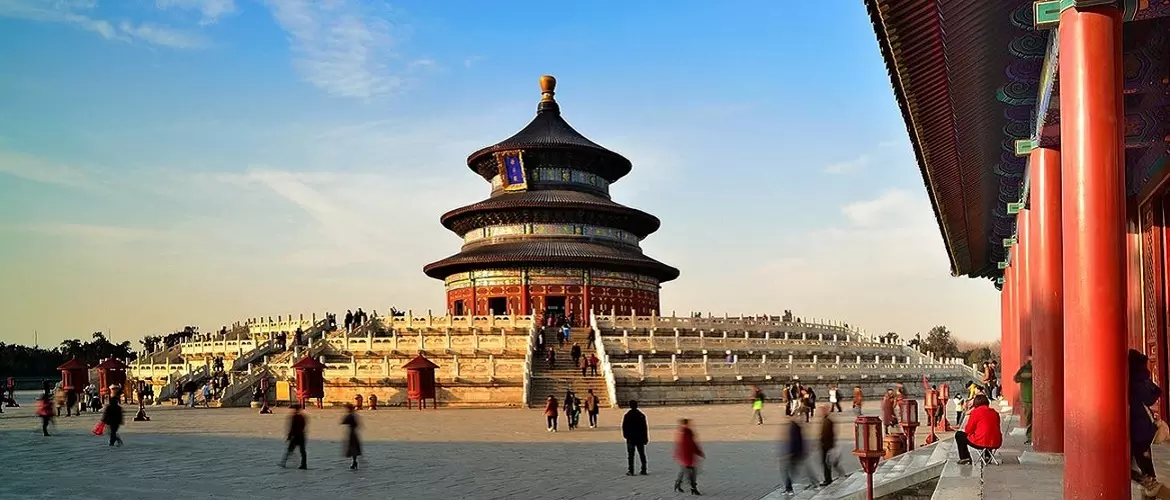
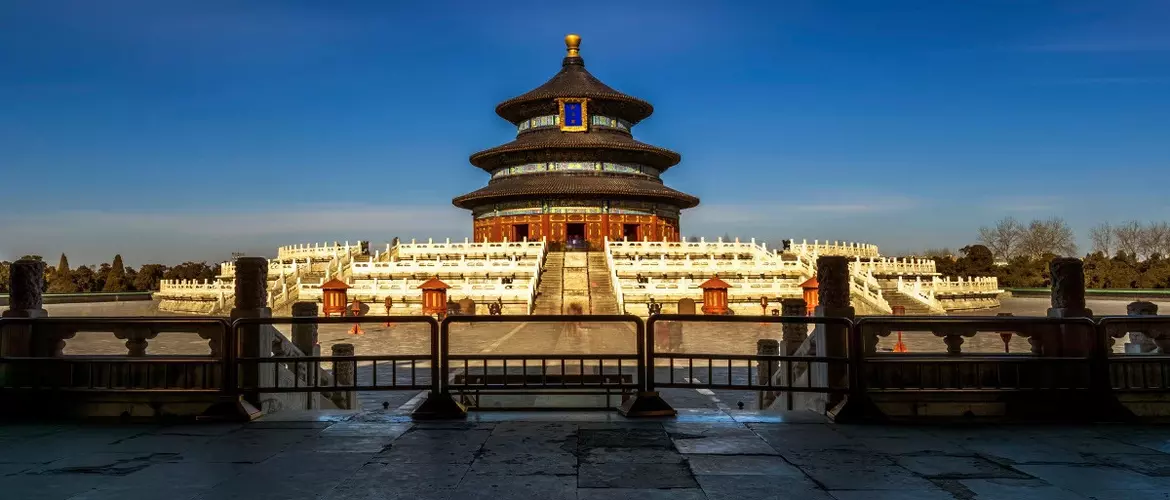
Located in southern Beijing, the Temple of Heaven is one of the most remarkable imperial architectural complexes in China and a UNESCO World Heritage Site. Originally built during the Ming Dynasty and later expanded in the Qing Dynasty, it served as the sacred place where emperors worshipped heaven and prayed for good harvests, favorable weather, and peace for the nation.
Famous for its elegant Hall of Prayer for Good Harvests, ancient ceremonial altars, and symbolic architectural design, the Temple of Heaven reflects the profound connection between heaven, nature, and imperial authority in traditional Chinese culture. With its harmonious layout, deep blue glazed roofs, and solemn atmosphere, the site stands as a masterpiece of ancient Chinese architecture and ritual tradition.
The Cultural Significance
In ancient Chinese philosophy and cosmology, people believed that heaven was round and earth was square, and that harmony between heaven, nature, and humanity governed the order of the world. Built upon this traditional belief, the Temple of Heaven was designed as a sacred place connecting heaven and earth. Its overall layout reflects the concept of “round heaven and square earth,” with many of its major structures featuring circular designs symbolizing reverence for heaven.
During the Ming and Qing dynasties, the emperor was regarded as the “Son of Heaven,” responsible for maintaining harmony between heaven and the human world. Therefore, on important ceremonial occasions, emperors would come to the Temple of Heaven to perform grand rituals and pray for favorable weather, good harvests, and peace throughout the nation.
Among these ceremonies, the Winter Solstice Sacrifice was the most important imperial ritual. Ancient Chinese people believed the winter solstice marked a significant turning point in the cycle of nature and the balance of yin and yang. At the Circular Mound Altar, the emperor conducted solemn ceremonies to worship heaven and offer prayers for prosperity and stability. These rituals reflected not only reverence for nature and heaven, but also the traditional Chinese philosophy of harmony between humanity and the universe.
Key Highlights of the Temple of Heaven
The Temple of Heaven complex contains a group of imperial sacrificial buildings that played a central role in ancient Chinese heaven-worship rituals. Each structure served a specific ceremonial function while reflecting profound symbolic meanings. The core ceremonial system is represented by three main elements: the Hall of Prayer for Good Harvests, the Imperial Vault of Heaven, and the Circular Mound Altar.
Hall of Prayer for Good Harvests
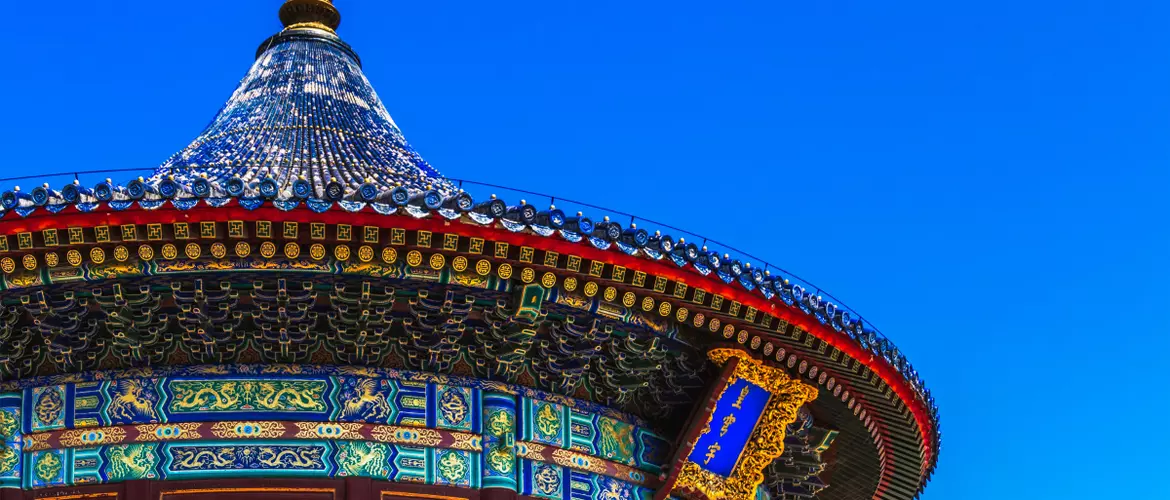
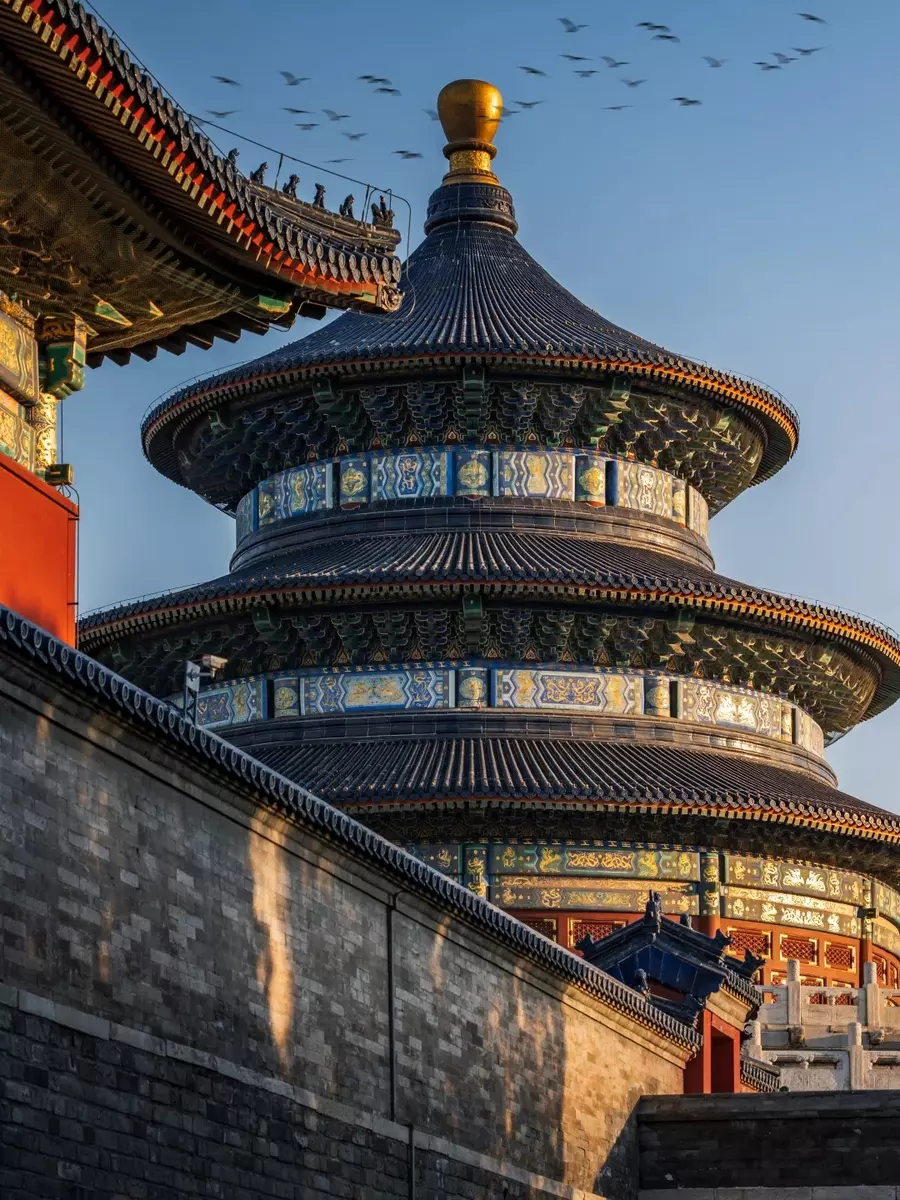
The Hall of Prayer for Good Harvests is the most iconic structure within the Temple of Heaven and the symbolic heart of the complex. This magnificent circular wooden building, topped with deep blue glazed tiles representing the sky, was where the emperor prayed for good harvests and favorable weather. Remarkably, it was built entirely of wood without nails, showcasing the exceptional craftsmanship of ancient Chinese architecture.
Beyond its form, the hall also reflects a sophisticated numerical symbolism rooted in Chinese cosmology. The four central pillars represent the four seasons; 12 inner columns symbolize the months of the year; and 12 outer columns correspond to the traditional divisions of the day. Together, these elements align with the 24 solar terms, while the total of 28 pillars corresponds to the constellations in ancient Chinese astronomy. This design reflects a highly ordered vision of the universe.
Circular Mound Altar
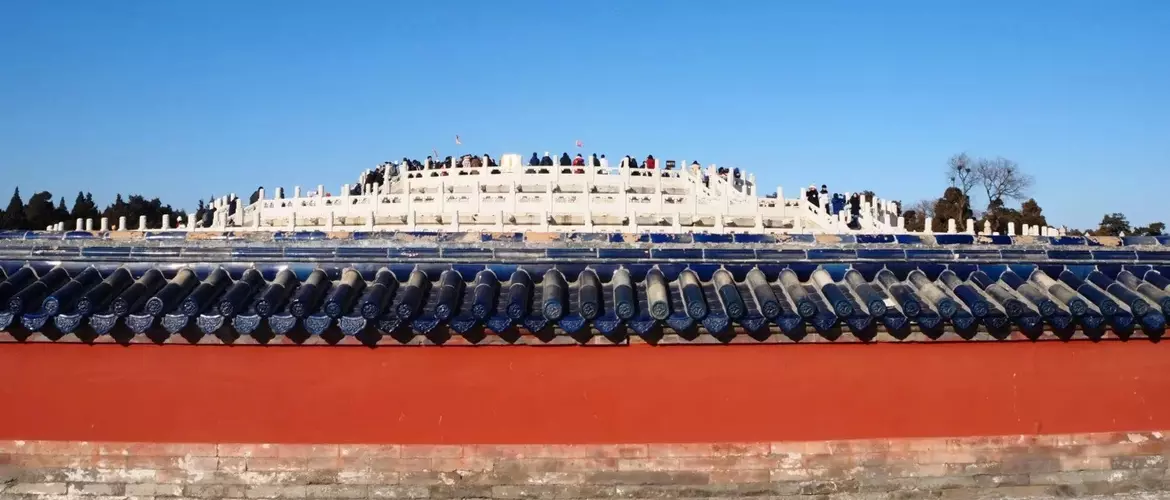
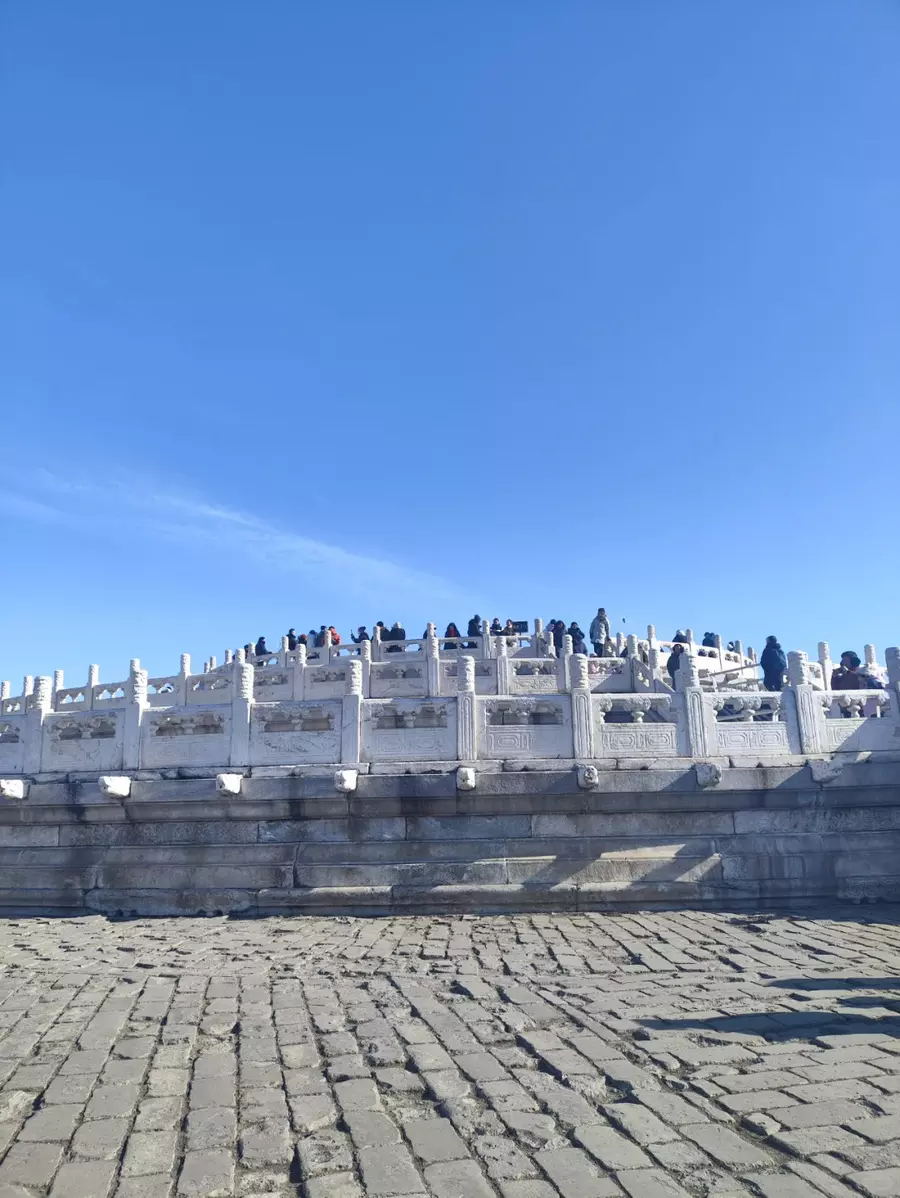
The Circular Mound Altar is the most important open-air altar within the Temple of Heaven and the main site for the Winter Solstice Heaven Worship Ceremony. Built with three concentric marble terraces, it symbolizes the layered structure of the heavens. Standing at its center, the emperor was believed to communicate directly with Heaven, reflecting the traditional idea that imperial authority was granted by the Mandate of Heaven.
At its base, the stone paving is arranged in multiples of nine, a number symbolizing supreme power and completeness in Chinese culture. The altar is fully open to the sky, reinforcing its role as a sacred space for direct communication between heaven and earth.
Imperial Vault of Heaven
The Imperial Vault of Heaven is a refined circular hall used to store the spirit tablets for heaven-worship ceremonies. Before major rituals, the emperor would pause here for spiritual preparation, marking the transition into a sacred ceremonial state.
It is surrounded by the famous Echo Wall, a perfectly circular structure with remarkable acoustic properties. A whisper at one point of the wall can be clearly heard about 37 meters away, demonstrating advanced acoustic design from the 15th century.
This acoustic effect further reinforces the symbolic idea that prayers could travel upward to Heaven, strengthening the ritual connection between humanity and the divine.
Suggested Visiting Routes
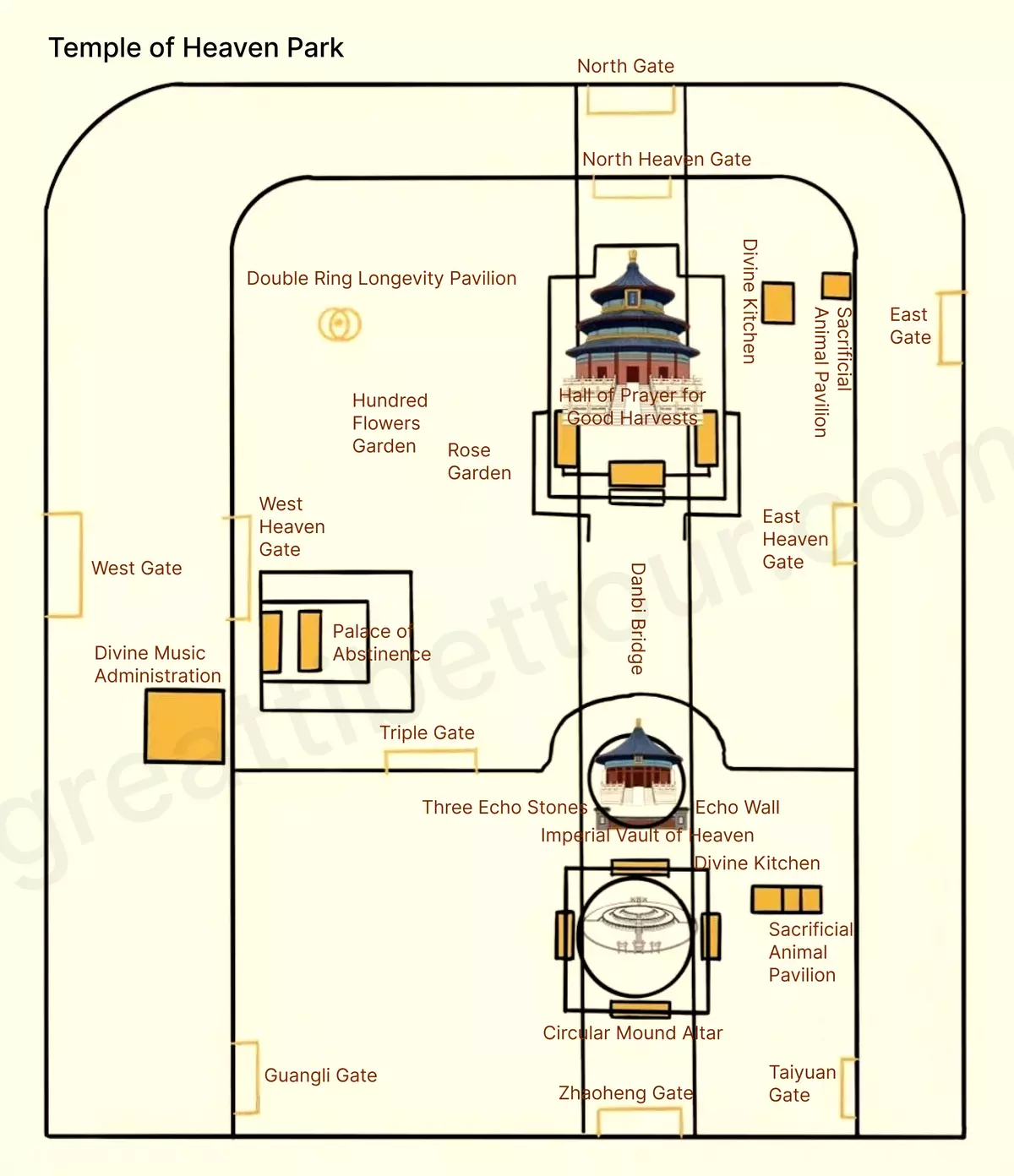
The layout of the Temple of Heaven is well organized, allowing visitors to explore the main highlights in a smooth one-way route without retracing steps. Depending on your available time, there are three simple options: a quick visit focusing on the main landmark, a standard route covering the key architectural highlights, and a full in-depth route following the complete imperial ceremonial axis from south to north. Most visitors spend around 2–3 hours enjoying the essential experience.
Quick Visit (around 1–2 hours)
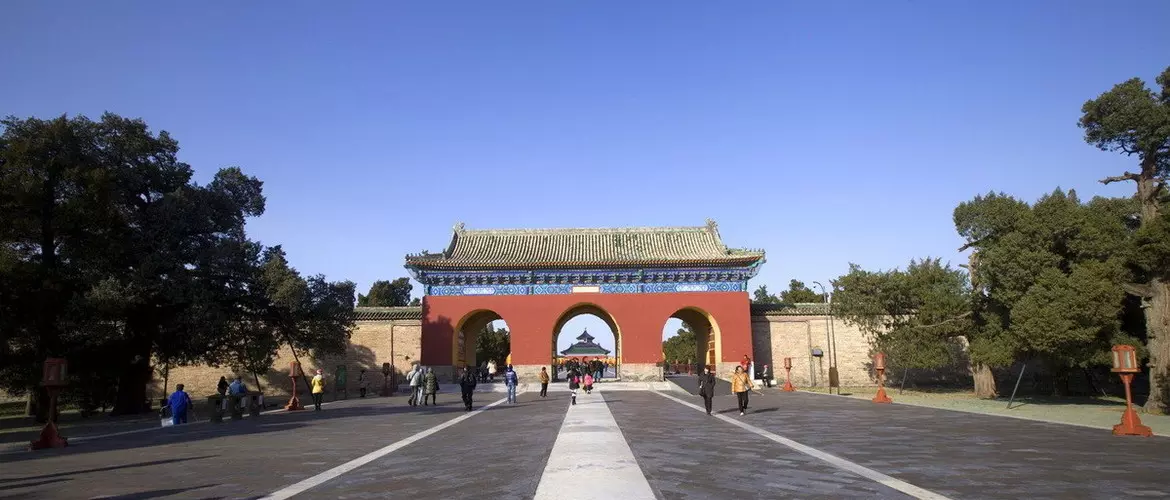
North Gate → Hall of Prayer for Good Harvests → East/West Side Halls → Exit
Classic Visit (around 2–2.5 hours)
North Gate → Hall of Prayer for Good Harvests → East & West Side Halls → Danbi Bridge → Echo Wall → Imperial Vault of Heaven → Three Echo Stones → Circular Mound Altar → South Gate
In-Depth Visit (around 3–3.5 hours)
South Gate → Circular Mound Altar → Echo Wall → Imperial Vault of Heaven → Three Echo Stones → Danbi Bridge → Hall of Prayer for Good Harvests → East & West Side Halls → Divine Music Administration → Exit
Best Time to Visit
Spring and autumn (March–May and September–November) are the most comfortable seasons to visit the Temple of Heaven, with pleasant weather and the most beautiful scenery. Late afternoon, especially after 3:00 pm, is ideal for photography with softer light.
Winter and summer are generally less crowded, making them good options for a quieter visit.
Weekends and public holidays can be very busy, while weekday mornings offer the best overall experience, especially at popular spots like the Echo Wall, where crowds can affect the acoustic effect.
For a more authentic local experience, it is recommended to arrive before 10:00 am. In the early morning, the park comes alive with Beijing residents practicing tai chi, singing opera, playing shuttlecock, and using traditional exercise tools—offering a vivid glimpse into everyday local life.
How to Get to the Temple of Heaven?
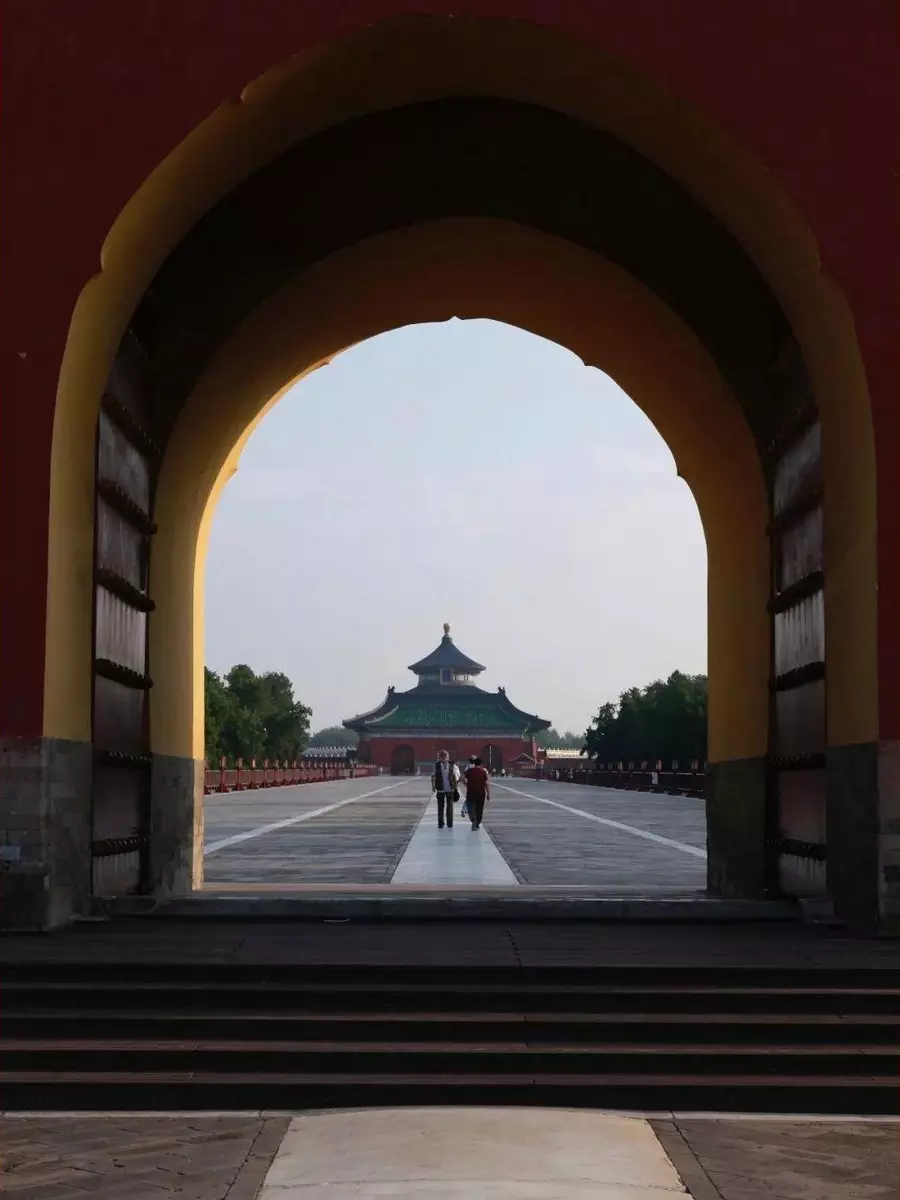
The Temple of Heaven is well connected and easy to reach by public transport.
By Subway
Take Line 5 to Tiantan Dongmen (Temple of Heaven East Gate) Station and exit from Gate A2 (Northwest Exit).
By Bus
The park is served by several bus routes, with stops near the South Gate and West Gate. Common routes include 36, 53, 72, 120, and 958.
By Taxi or Ride-hailing
The East Gate is the most convenient drop-off point for most visitors. If you plan to start your visit at the Hall of Prayer for Good Harvests, the North Gate is also a good option.
Nearby Attractions
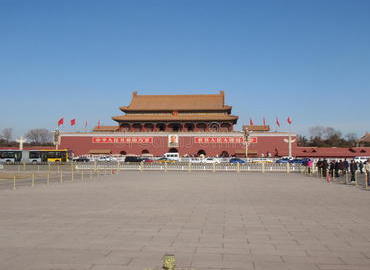
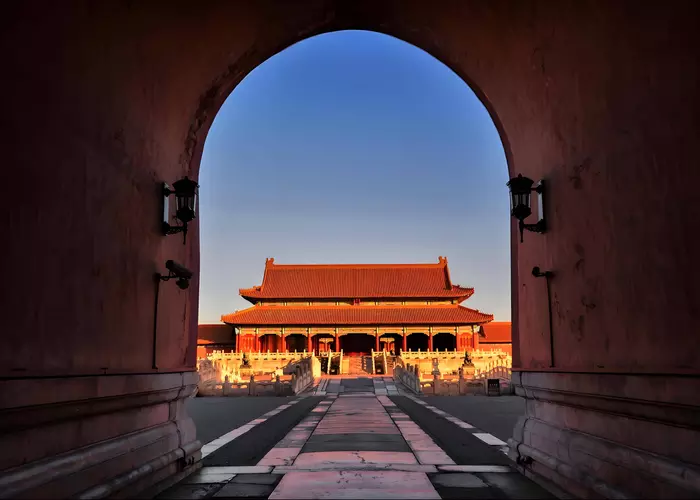
The Temple of Heaven is located in southern Beijing, an area with many nearby attractions that make it ideal for a half-day or full-day itinerary. Just a short distance away, Qianmen Street and Dashilan offer a chance to explore traditional old Beijing streets, with historic architecture, local snacks, and a lively cultural atmosphere. A short ride of about 10 minutes takes you to Tiananmen Square and the Forbidden City, where visitors can experience the grandeur and different styles of China’s imperial heritage. Within walking distance, Longtan Park provides a glimpse into local daily life, where residents gather for relaxation and outdoor activities. Nearby Chongwenmen and the New World area offer modern shopping and dining, while Zhushikou and the Tianqiao area are well known for traditional folk performances and Beijing opera culture.

Beijing-Chengdu-Emei-Chengdu-Lhasa
Visit Beijing's essences as well as the highlights of Chengdu and Lhasa to discover the culture and traditional beauty.


Beijing - Xi'an - Lhasa
A memorable Beijing to Lhasa train trip, blending history, culture, and breathtaking landscapes.
Shanghai - Xi'an - Tibet - Beijing
Cover China's golden triangle's acclaimed attractions and Tibet's religious culture. You won't miss any highlights.
Email response within 0.5~24 hours.