


Ming Tombs
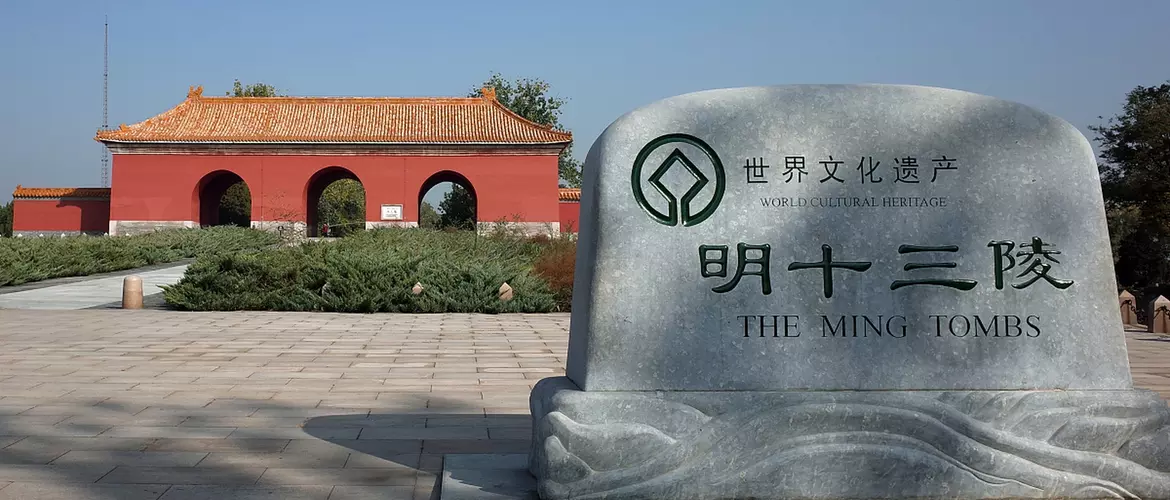


Located beneath the foot of Tianshou Mountain in northern Beijing, the Ming Tombs are one of China's most impressive imperial heritage sites. Built during the Ming Dynasty (1368–1644), this vast royal cemetery is the final resting place of 13 emperors, offering visitors a fascinating glimpse into China's ancient imperial traditions, architecture, and beliefs about life, death, and harmony with nature.
Recognized as a UNESCO World Heritage Site, the Ming Tombs combine magnificent royal structures, ancient stone carvings, and peaceful mountain landscapes. Together with the Forbidden City and the Temple of Heaven, they represent an important part of Beijing's imperial heritage and are a must-visit destination for travelers interested in Chinese history and culture.
History of the Ming Tombs
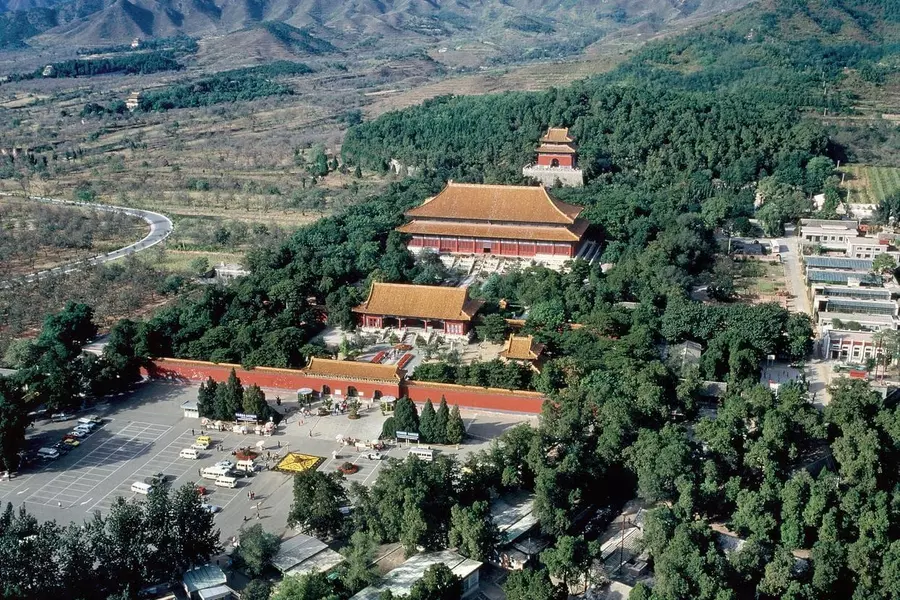
The history of the Ming Tombs began in 1409 during the reign of the Yongle Emperor (1360–1424), the third emperor of the Ming Dynasty. After moving the capital to Beijing, Emperor Yongle selected this mountainous area north of the city as the imperial burial ground. It was named Tianshou Mountain, meaning “Mountain of Heavenly Longevity,” and was considered an auspicious location according to traditional Chinese feng shui principles.
Over more than 230 years, from 1409 to 1644, thirteen imperial tombs were built here, becoming the final resting place of 13 Ming emperors, empresses, and other members of the royal family. Today, the Ming Tombs offer visitors a unique opportunity to explore the history, architecture, and spiritual traditions of China's imperial era.
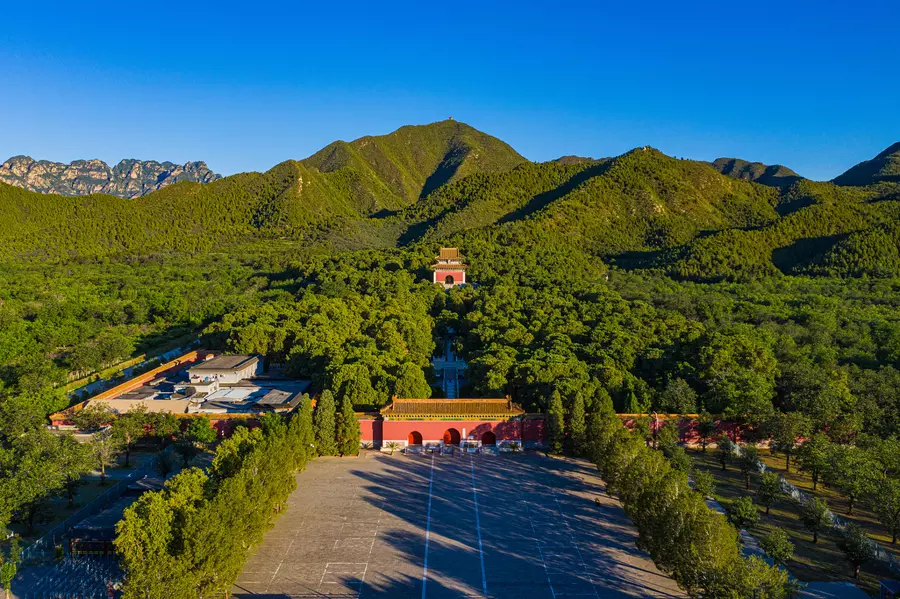
One of the most remarkable features of the Ming Tombs is the ancient Chinese philosophy of “harmony between heaven and humanity” (Tian Ren He Yi). The entire cemetery was carefully planned to blend with the surrounding mountains, rivers, and landscapes, reflecting the belief that human structures should exist in balance with nature.
Following traditional feng shui concepts, the tombs are surrounded by mountains on three sides, with Tianshou Mountain providing a natural backdrop and protection. The open landscape and nearby waterways create a classic “backed by mountains and facing water” layout, which was regarded as an ideal setting in traditional Chinese culture.
Today, the Ming Tombs are not only a UNESCO World Heritage Site but also a fascinating example of Chinese imperial architecture, landscape design, and traditional beliefs. A visit here reveals how ancient Chinese emperors viewed their connection with nature, the universe, and the afterlife.
Main Attractions of the Ming Tombs
The Ming Tombs cover a vast imperial cemetery complex, but only a few sites are open to visitors. Among them, the Sacred Way, Changling Tomb, Dingling Tomb, and Zhaoling Tomb are the most representative attractions, offering a glimpse into Ming Dynasty architecture, royal traditions, and ancient Chinese beliefs about life, death, and harmony with nature.
The Sacred Way: The Grand Entrance to the Imperial Tombs
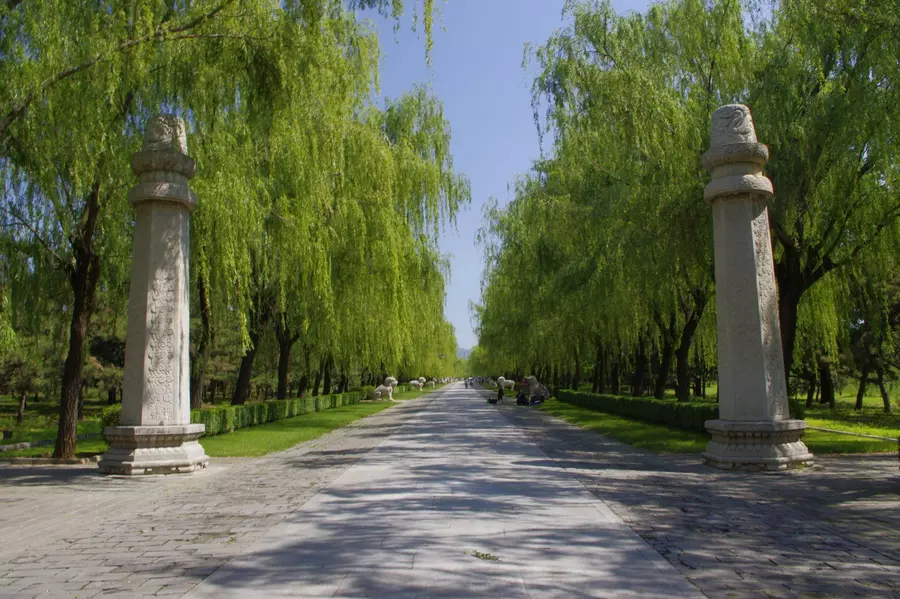
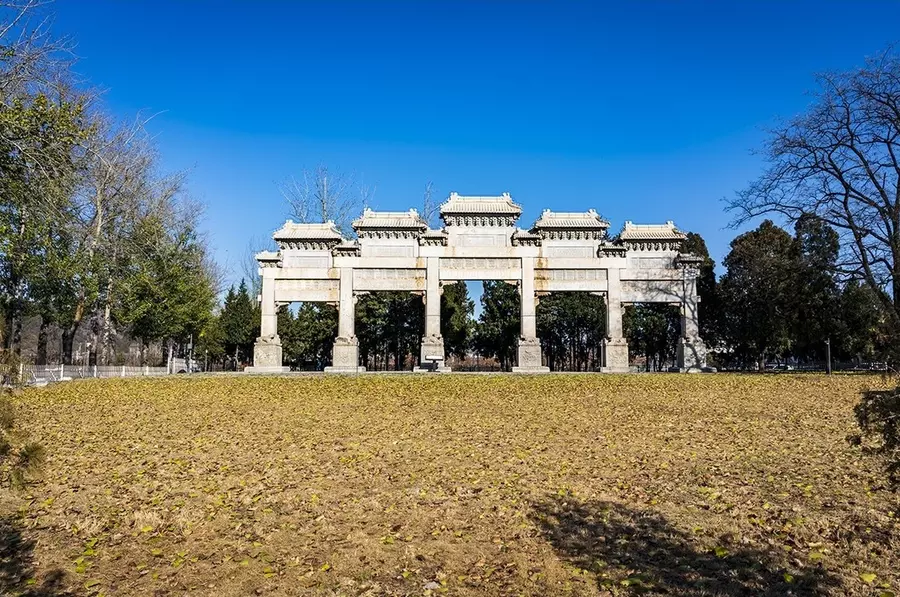
The Sacred Way is the ceremonial path leading to the Ming Tombs and one of the most iconic attractions in the area. Stretching for about 7 kilometers, this ancient route was designed as a symbolic entrance to the imperial burial complex.
Walking along the Sacred Way, visitors can see impressive stone statues known as “stone guardians”, including animals and officials that represented imperial authority and protected the emperors' resting place. The peaceful tree-lined avenue and surrounding mountains also reflect the traditional Chinese idea of harmony between humans and nature.
Changling Tomb: The Largest and Most Magnificent Tomb
Changling is the largest and most impressive tomb among the thirteen Ming Tombs. Built for the Yongle Emperor Zhu Di, the third emperor of the Ming Dynasty, it represents the highest achievement of Ming imperial architecture.
The highlight of Changling is the Hall of Eminent Favor (Ling'en Hall), one of the best-preserved ancient wooden halls in China. Its massive wooden structure, built with precious nanmu timber, demonstrates the craftsmanship and grandeur of the Ming Dynasty.
For first-time visitors, Changling is considered the essential tomb to explore.
Dingling Tomb: The Underground Palace
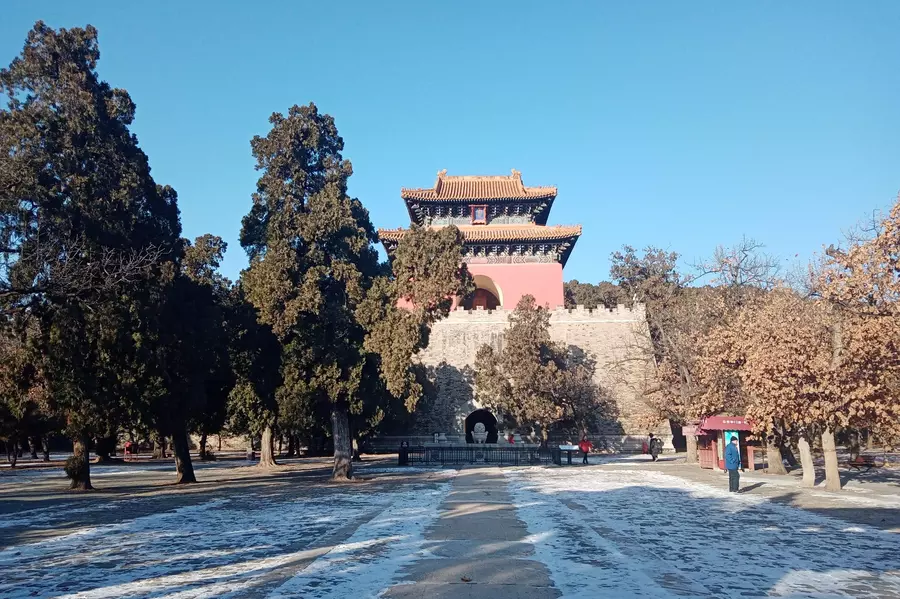
Dingling is the tomb of the Wanli Emperor Zhu Yijun, the 13th emperor of the Ming Dynasty, and is the only Ming imperial tomb that has been officially excavated.
The main attraction is its underground palace, located about 27 meters below ground. Visitors can enter the stone chambers and see the unique underground structure of an imperial tomb, offering a rare glimpse into ancient Chinese burial traditions.
Zhaoling Tomb: A Well-Preserved Imperial Tomb
Zhaoling is the tomb of the Longqing Emperor and his three empresses. It was the first large-scale restoration project among the Ming Tombs and is known for its relatively complete preservation.
Compared with Changling and Dingling, Zhaoling is quieter and offers visitors a more peaceful experience of the traditional imperial cemetery layout.
How to Visit the Ming Tombs from Beijing?
The Ming Tombs are located about 50 kilometers northwest of central Beijing in Changping District. Although the site is outside the city center, it can be easily reached by public transportation, taxi, or private tour. Most visitors combine the Ming Tombs with a visit to the Great Wall at Badaling, as both attractions are located in northern Beijing.
By Private Car or Tour (Recommended)
The most convenient way to visit the Ming Tombs is by private car or guided tour. The journey from central Beijing usually takes around 1–1.5 hours depending on traffic conditions. A private transfer allows visitors to explore the Sacred Way, Changling Tomb, and Dingling Tomb at a comfortable pace, and it is also the easiest option for combining the Ming Tombs with the Great Wall.
By Taxi or Ride-Hailing Service
Taking a taxi or ride-hailing service such as Didi is another convenient option, especially for small groups or travelers who prefer flexibility. The ride from central Beijing generally takes about 1–1.5 hours. Visitors should note that the return trip may require arranging transportation in advance, as the Ming Tombs area is less busy than central Beijing.
By Public Transportation
Visitors can also reach the Ming Tombs by public transportation. Take the Beijing Subway Line 13 or the Changping Line to Changping Xishankou Station, then transfer to local buses like Chang 78 Road or taxis to reach the scenic area. Public transportation is the most economical option but requires more time and transfers.
Travel Tips for Visiting the Ming Tombs
- Allow half a day for your visit. The main attractions, including the Sacred Way, Changling Tomb, and Dingling Tomb, usually require 3–4 hours to explore.
- Combine the Ming Tombs with the Great Wall. Many travelers visit the Ming Tombs and Badaling Great Wall on the same day because both attractions are located in northern Beijing.
- Wear comfortable shoes. The site involves walking through large outdoor areas, including the long Sacred Way and imperial tomb complexes.
- Visit in spring or autumn for the best experience. The weather is generally pleasant, and the surrounding mountains offer beautiful scenery during these seasons.
- Check opening hours and tickets before visiting. The Ming Tombs are generally open from 08:30 to 18:00 during the peak season (April to October) and from 08:30 to 17:00 during the off-season (November to March). Ticket sales usually stop 30 minutes before closing time. Some attractions within the Ming Tombs complex may have different ticket arrangements, so checking in advance is recommended.





Email response within 0.5~24 hours.