
How to Plan a Trip to India for the First Time
- Eric
- Last Updated : 10/16/2026
India is a country of ancient civilizations, diverse cultures, and remarkable contrasts. From centuries-old temples and magnificent palaces to bustling cities, sacred rivers, and colorful local traditions, it offers a travel experience unlike almost anywhere else.
Planning your first trip to India can feel overwhelming. With its vast size, diverse regions, rich cultural heritage, and many different travel experiences, it is easy to try to fit too much into one itinerary.
The key is to choose the right destinations, allow enough time, and plan your transportation realistically. You should also consider the best time to visit, visa requirements, and travel costs before you book your trip. This guide covers the essential things to know for your trip to India.
Content Preview
- Which Destinations Should You Visit in India?
- How Many Days Do You Need for an India Trip?
- When Is the Best Time to Visit India?
- How to Get an India Visa and Check Entry Requirements?
- How Much Does a Trip to India Cost?
- How to Get Around India
- Book Hotels, Flights, and Popular Experiences in Advance
- Health, Safety and Cultural Etiquette
- What to Prepare Before Your Trip
Which Destinations Should You Visit in India?
If it is your first trip to India and you do not have a specific travel theme in mind, it is usually better to focus on one region rather than trying to cover too much of the country. Long distances between destinations can take considerable time, so adding more places does not necessarily mean seeing more.
Choose your destinations based on the type of experience you want:
Golden Triangle: Delhi, Agra & Jaipur
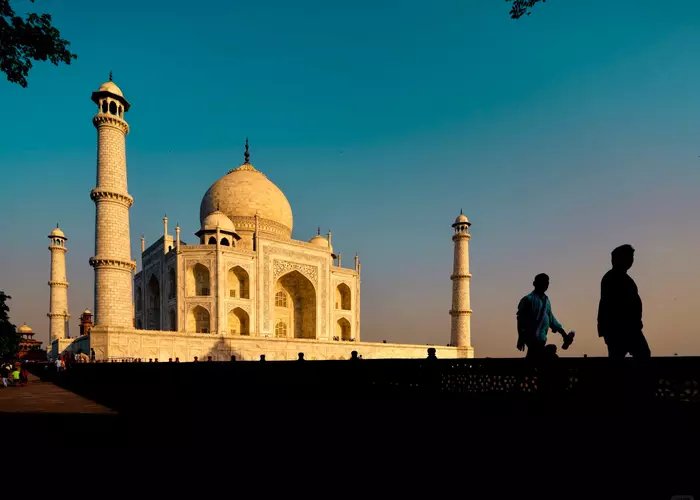
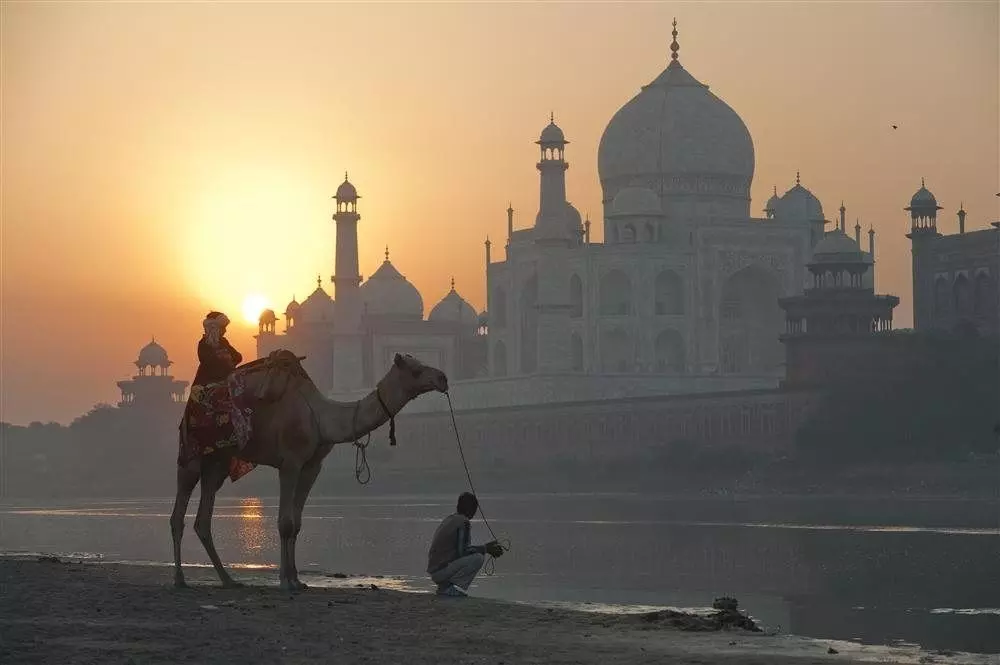
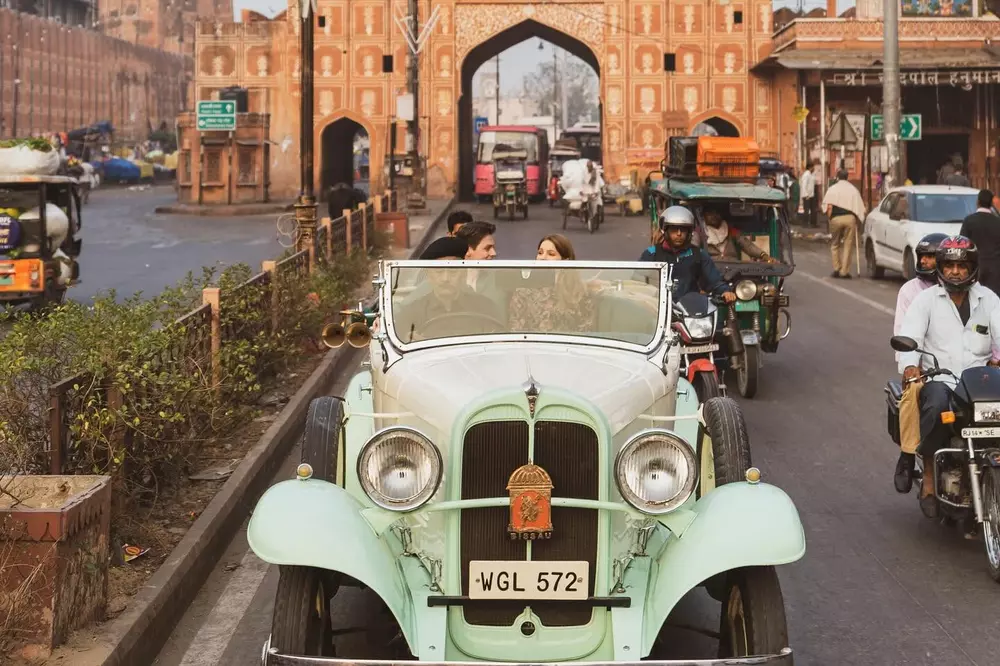
For first-time visitors interested in India's history, architecture, and city life, the Golden Triangle is the classic choice. The route connects Delhi, Agra, and Jaipur, with highlights including Delhi's historic sites and markets, the Taj Mahal and Agra Fort, and Jaipur's palaces, forts, and bazaars.
Best for: First-time visitors and travelers interested in India's classic sights.
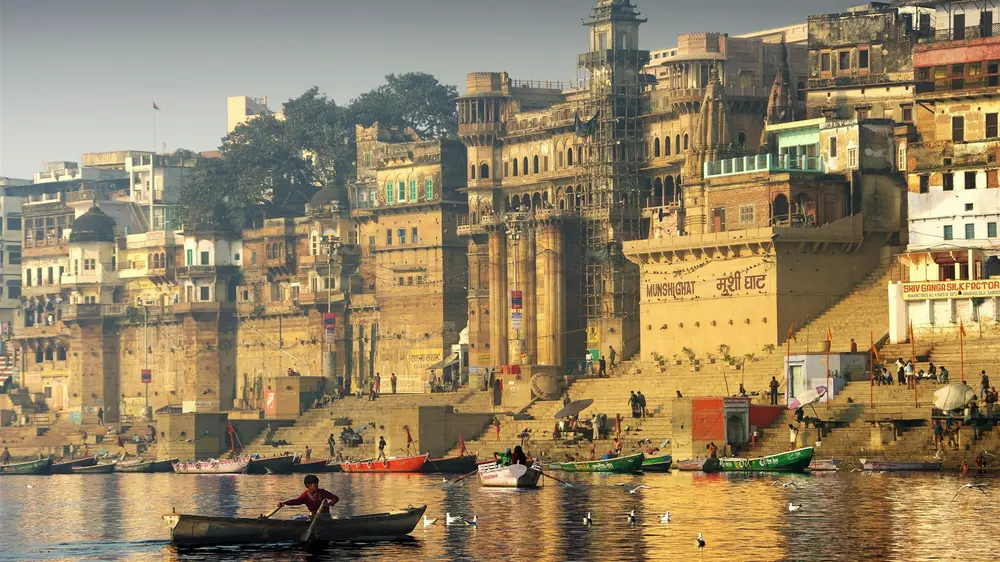
Varanasi: Religion & Ganges Culture
If you are particularly interested in India's religious traditions and local culture, consider adding Varanasi to a northern India itinerary. The city is known for its ghats along the Ganges, religious ceremonies, temples, and long-standing cultural traditions.
Adding Varanasi requires additional travel time, so it is better suited to a longer itinerary rather than being squeezed into a short Golden Triangle trip.
Best for: Travelers interested in religion, culture, and everyday life along the Ganges.
Kerala & South India: Nature and Relaxation
If you prefer nature, backwaters, beaches, and a more relaxed pace, consider Kerala and other destinations in South India. Kerala offers a different side of India, with lush landscapes, tea and spice plantations, waterways, and coastal scenery.
Because South India is far from the main destinations in northern India, it is usually better to explore Kerala as a separate trip rather than trying to combine it with too many northern destinations.
Best for: Travelers interested in nature, relaxation, and South Indian culture.
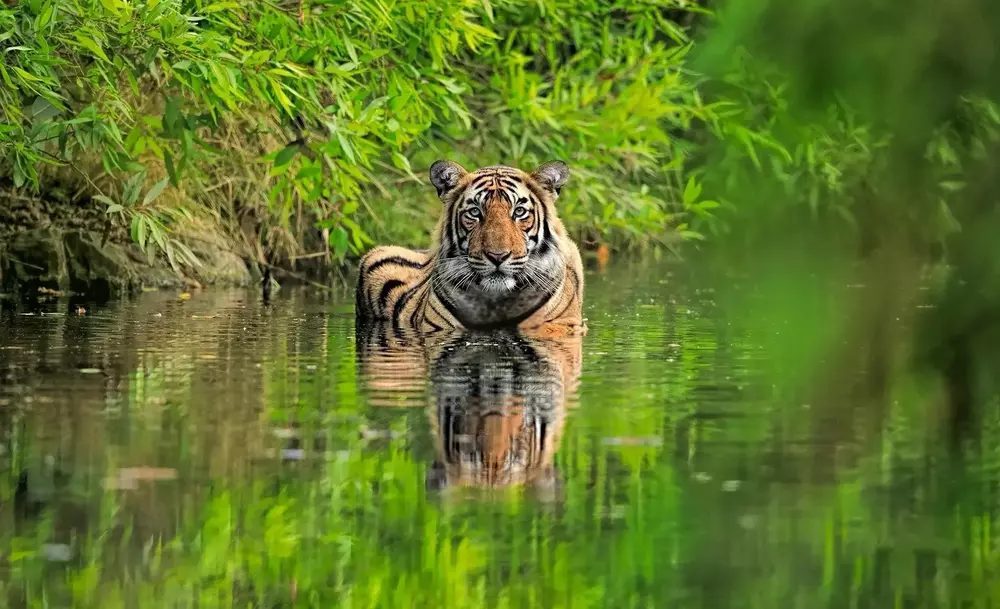
Wildlife & Tiger Safaris
If wildlife and tiger watching are your main interests, consider building your itinerary around one or more national parks or wildlife reserves. Safari experiences vary by park and season, and wildlife sightings can never be guaranteed.
Choose the park first, then plan the rest of your itinerary around its location, opening season, safari availability, and transportation.
Best for: Travelers who want wildlife and nature to be a major part of their India trip.
How Many Days Do You Need for an India Trip?
There is no single ideal length for an India trip. Seven days is enough for a classic introduction, while 10–14 days allow you to explore more destinations at a comfortable pace. If you want to combine different regions, such as North and South India, consider two weeks or longer.
5–7 Days: Golden Triangle
For a first visit, 5–7 days is enough to cover Delhi, Agra, and Jaipur. This gives you a good introduction to India's history, architecture, and urban culture without spending too much time traveling between distant destinations.
8–10 Days: Add Varanasi or Rajasthan
With 8–10 days, you can add Varanasi to the Golden Triangle or extend your journey into Rajasthan. Choose based on whether you prefer religious and cultural experiences or forts, palaces, and desert landscapes.
10–14 Days: Explore More of India
With 10–14 days, you have more flexibility to explore a larger region. You could combine the Golden Triangle with additional destinations in Rajasthan, include a wildlife safari, or focus on a longer Kerala itinerary.
14+ Days: Combine Regions
If you have two weeks or more, you can consider combining different regions, such as northern India with Kerala, or creating a longer Rajasthan and wildlife itinerary. However, allow enough time for domestic flights and other long-distance transfers.
Tip: Rather than choosing the number of destinations first, decide what you most want to experience and build your itinerary around those priorities.
When Is the Best Time to Visit India?
There is no single best time to visit all of India. The country's climate varies considerably from region to region, so the best time to travel depends on your destinations and planned activities.
October to March: Best for Classic Sightseeing
These months are generally a good time to visit northern India, including Delhi, Agra, and Jaipur. The weather is relatively cool and comfortable for visiting historic sites and exploring cities. However, some parts of northern India may experience fog or haze in winter, which can affect transportation, so it is advisable to allow some flexibility in your itinerary.
April to June: Hot Season
Many parts of northern and central India can be very hot during these months, making outdoor sightseeing more challenging. If you plan to travel during this period, consider destinations in the Indian Himalayas, where higher elevations can offer cooler temperatures.
June to September: Monsoon Season
The monsoon brings rain to many parts of India, and some areas may experience heavy rainfall that affects transportation and outdoor activities. However, the timing and intensity of the monsoon vary by region, so you can still plan a trip based on your chosen destinations.
Consider the Season for Different Regions
- Delhi, Agra, Jaipur, and Rajasthan: October to March is generally more suitable for sightseeing.
- Kerala and South India: Consider the local rainfall patterns and climate of your specific destination.
- Indian Himalayas: Consider elevation, weather, and seasonal road conditions.
- Wildlife trips: Check the operating season and wildlife-viewing conditions of the specific national park.
In general, if you are visiting India for the first time and plan to follow a classic itinerary such as the Golden Triangle, October to March is usually a convenient time to travel. If you are visiting South India, the Indian Himalayas, or planning specific activities, check the seasonal conditions for your chosen destinations before booking your trip.
How to Get an India Visa and Check Entry Requirements?
Before booking non-refundable flights or hotels, check whether you need an Indian visa and which visa type applies to your nationality and travel purpose.
Most foreign travelers need a visa to enter India, although visa-free or other entry arrangements may apply to some nationalities. Do not rely on another traveler's experience, as requirements can vary by nationality and may change over time.
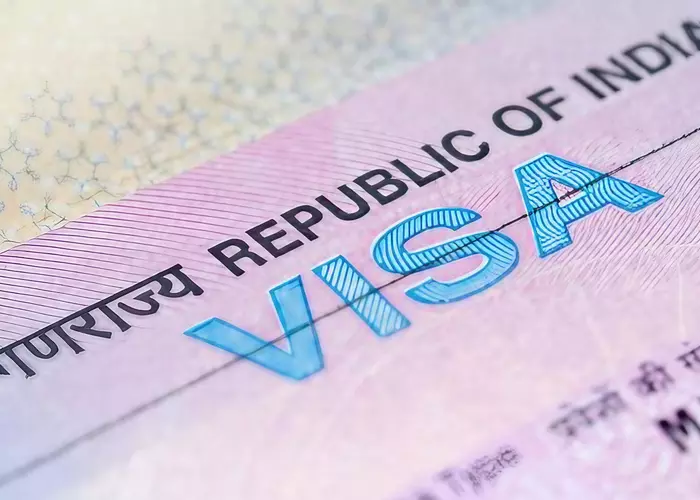
For many tourists, the e-Tourist Visa is the most convenient option. Check the official Indian e-Visa website to confirm your eligibility, visa requirements, processing time, and fees. If you are not eligible for an e-Visa, check the Indian embassy or consulate in your country for the appropriate application procedure.
Before applying, make sure your passport, photo, and other required documents meet the current requirements. After your visa is approved, check the ETA, visa validity, permitted stay, number of entries, and eligible entry points carefully.
Tip: Apply for your visa at least 1–2 weeks before your planned departure, or earlier if your nationality or visa type requires more processing time. Check the latest entry requirements again before departure. Keep a copy of your approved visa or ETA with you when traveling.
How Much Does a Trip to India Cost?
The cost of a trip to India depends on your destinations, travel style, accommodation, and transportation. For a first-time visit, it can be helpful to use a 7-day Golden Triangle trip for two people as a simple reference.
| Travel Style | Approx. Cost for 2 People* | What to Expect |
|---|---|---|
| Independent Travel | US$1,000–1,700 | Mid-range hotels, local restaurants, trains or other public transport, and independent sightseeing |
| Private Tour | US$1,500–2,500 | 3–4 star hotels, private car and driver, local guides, airport transfers, and organized sightseeing |
Estimated for two people sharing a room, excluding international flights. Prices vary by travel season, hotel category, itinerary, and inclusions.
For independent travelers, India can be relatively affordable, especially if you use trains, local transportation, and mid-range hotels. However, you will need to arrange your own hotels, transportation, tickets, and sightseeing.
A private tour costs more, but it can make a first trip easier and more convenient. A private car and driver, local guides, hotel arrangements, and transfers can all be organized for you, reducing the time spent managing transportation and bookings.
As a simple guide, two people should budget around US$1,000–1,700 for a comfortable independent 7-day Golden Triangle trip, or around US$1,500–2,500 for a private tour with a local travel company, before international flights.
If you plan to travel beyond the Golden Triangle, such as adding Varanasi, Rajasthan, Kerala, or a tiger safari, allow a larger budget and additional days.

How to Get Around India
India is a vast country, and actual travel times between cities can be much longer than the distances shown on a map. When planning your itinerary, consider road conditions, traffic, the season, and transfer times rather than looking at distance alone.
Long-Distance Travel
If your budget allows, a private car and driver or domestic flights are usually convenient options. A private car offers greater flexibility and allows you to stop at attractions along the way, while domestic flights are useful when destinations are far apart and you want to save travel time. Trains are also a common option, especially for travelers on a budget. Rajdhani Express and Shatabdi Express are among the more comfortable air-conditioned train services, but allow extra time for possible delays.
Getting around Cities
Ride-hailing services are convenient in major cities, and some cities also have metro systems that can help avoid traffic during peak hours. For airport transfers, you can use a ride-hailing service, an official taxi, or a hotel-arranged transfer. In smaller cities and towns, ride-hailing coverage may be limited, so auto-rickshaws can be useful for short trips. Confirm the fare before starting your ride.
Self-driving is Not Recommended
Self-driving is not recommended for most foreign visitors. Traffic conditions and road environments can be challenging in some parts of India and may be very different from what many international travelers are accustomed to. If you plan to drive, make sure you meet the local requirements for driving documents and insurance.
Whatever transportation you choose, allow extra time for long journeys and connections between flights, trains, and other transfers to account for traffic, delays, or unexpected changes.
Book Hotels, Flights, and Popular Experiences in Advance
For international flights to India, booking several months in advance is generally advisable, especially if you are traveling during major holidays, festivals, or other peak periods. Domestic flights can usually be booked closer to the travel date, but popular routes and peak-season flights may sell out or become more expensive.
For train travel, foreign visitors may have access to the Foreign Tourist Quota (FTQ) on eligible services. Check the official railway system for current availability, booking rules, and train running status before traveling.
Hotels in popular destinations should also be booked in advance, particularly during peak travel seasons, major festivals, and wildlife safari seasons. Compare location, reviews, and cancellation policies when choosing accommodation.
Popular attractions and experiences may have their own booking rules. Check opening days, ticket availability, booking windows, and cancellation policies before making reservations. For example, the Taj Mahal is closed to visitors on Fridays, while wildlife safari permits may have limited availability and restrictive cancellation or refund policies.
Tip: For your most important flights, hotels, and experiences, book early enough to secure your preferred dates, but always check the current booking and cancellation rules before paying.
Health, Safety and Cultural Etiquette
India is generally welcoming to international visitors, but first-time travelers should take a few basic precautions and be aware of local customs.
Stay Safe
Be cautious of unsolicited offers for airport transfers, guides, or other services, particularly around airports and major tourist areas. Use reputable taxis or ride-hailing services, and avoid traveling alone to isolated areas at night. Keep your passport, cash, and valuables secure, especially in crowded places.
Food, Water and Health
Drink sealed bottled water and avoid tap water if you are unsure about local water quality. Choose restaurants with good hygiene standards and be cautious with raw food and food that has been sitting out for a long time.
Before your trip, check the health recommendations for your destinations and planned activities. If necessary, consult a travel health professional about vaccinations and other precautions. Travel insurance is also recommended.
Respect Local Customs
When visiting temples, mosques, and other religious sites, dress modestly and follow local rules, such as removing your shoes when required. Ask for permission before photographing local people, religious ceremonies, or private spaces.
As a general rule, observe local customs, dress appropriately, and follow the instructions of your guide or the site you are visiting.
What to Prepare Before Your Trip
Before traveling to India, prepare a reliable way to access the internet, a mix of payment methods, and a few practical essentials.
Internet Access: Check your international roaming plan or arrange an Indian SIM card or eSIM before or after arrival. Download offline maps and save your hotel details, tickets, and important travel documents on your phone in case you have limited internet access.
Money and Payment: Bring an international bank card as well as some Indian rupees in cash. Credit and debit cards are widely accepted at hotels, restaurants, and larger businesses in major cities, but cash is still useful for smaller shops, local transportation, and rural areas. Keep some emergency cash separately from your main wallet.
Daily Essentials: Pack according to the season and destinations on your itinerary. Sun protection, comfortable walking shoes, appropriate clothing, a universal travel adapter, and a power bank are useful for most trips. If you take regular medication, bring enough for the journey.
Tip: Keep digital copies of your passport, visa, travel insurance, hotel bookings, and important contact details on your phone and, if possible, in another secure location.
Email response within 0.5~24 hours.