How to Plan a Trip to Nepal?
- Beatrice
- Cập nhật lần cuối : 11/11/2026
Planning a trip to Nepal starts with choosing where to go, when to travel, and how much time to allow. From the historic temples of Kathmandu Valley and the lakeside scenery of Pokhara to the wildlife of Chitwan and the Himalayan trekking routes, Nepal offers a wide range of travel experiences.
This guide covers the best places to visit, ideal travel seasons, recommended trip durations, transportation, travel costs, and visa requirements to help you plan your Nepal trip.
Content Preview
Where to Visit in Nepal?
Nepal offers a variety of travel experiences, from the historic cities and religious sites of Kathmandu Valley to the lakes and mountain scenery of Pokhara, the wildlife of Chitwan, and the Buddhist heritage of Lumbini. The country is also home to some of the world's most famous Himalayan trekking routes. Here are five major destinations to consider when planning your trip.
Kathmandu Valley
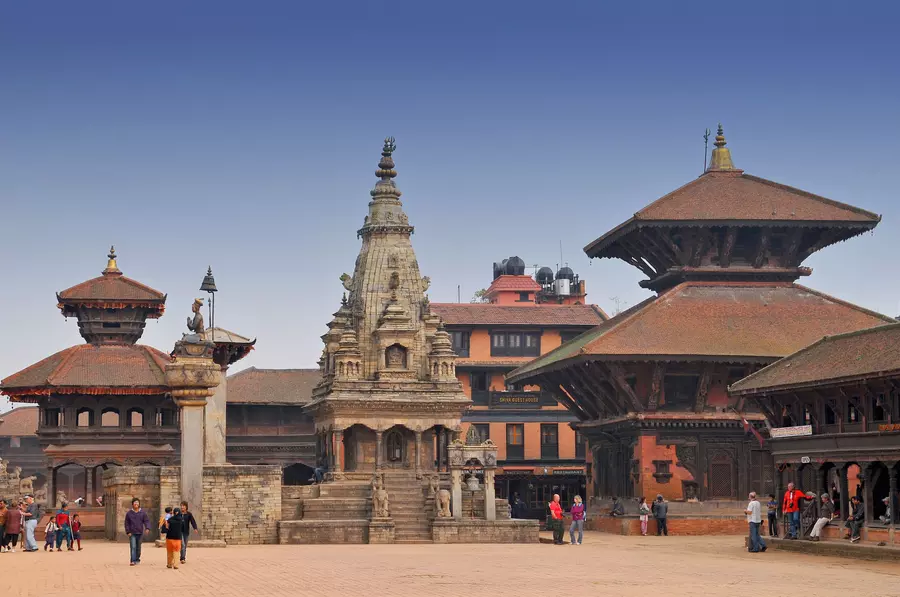
Kathmandu Valley is the cultural heart of Nepal and an ideal starting point for exploring the country's history, architecture, and religious traditions. It includes three historic cities: Kathmandu, Patan (Lalitpur), and Bhaktapur, each known for its ancient palaces, temples, and traditional Newari architecture. Major landmarks include the three Durbar Squares, Swayambhunath, Boudhanath Stupa, and Pashupatinath Temple. Together, seven groups of monuments and historic sites in the valley form a UNESCO World Heritage Site, reflecting the region's rich Hindu and Buddhist heritage.
Pokhara
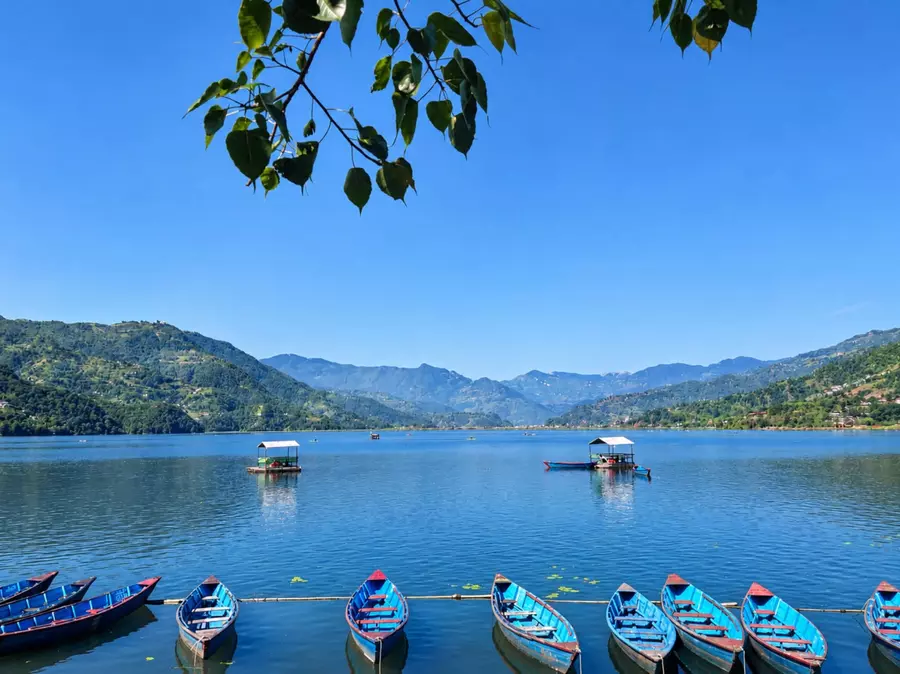
Pokhara is known for its peaceful lakeside setting and impressive views of the Annapurna range. Visitors can enjoy boating on Phewa Lake, watch the sunrise over the mountains from Sarangkot, or visit the World Peace Pagoda for panoramic views. The city also offers outdoor activities such as paragliding, hiking, and mountain biking. As a gateway to the Annapurna region, Pokhara is a popular starting point for treks such as Poon Hill and Annapurna Base Camp.
Chitwan
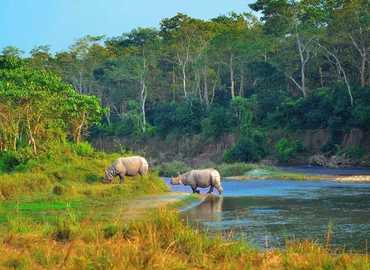
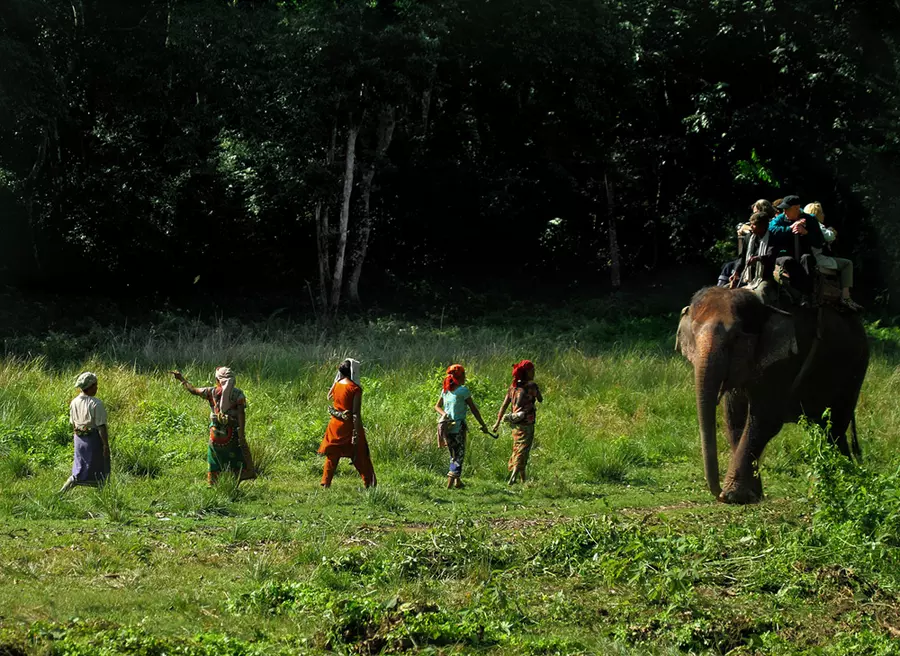
Located in Nepal's southern Terai plains, Chitwan is best known for its national park and rich wildlife. Chitwan National Park is home to one-horned rhinoceroses, Bengal tigers, deer, and many bird species. Visitors can explore its forests, grasslands, and wetlands through jeep safaris, guided walks, and canoe trips. The area also offers opportunities to learn about Tharu culture through village visits and traditional performances.
Lumbini
Lumbini, in southwestern Nepal, is traditionally recognized as the birthplace of Siddhartha Gautama, the Buddha, and is one of the most important Buddhist pilgrimage sites in the world. The Sacred Garden is its central area, featuring Maya Devi Temple, the Ashoka Pillar, and the Sacred Pond. Beyond these historic landmarks, the Monastic Zone contains Buddhist monasteries built by different countries, including China, Thailand, Japan, and Myanmar, each reflecting its own architectural and cultural traditions. Lumbini was inscribed as a UNESCO World Heritage Site in 1997.
Everest and Annapurna Regions
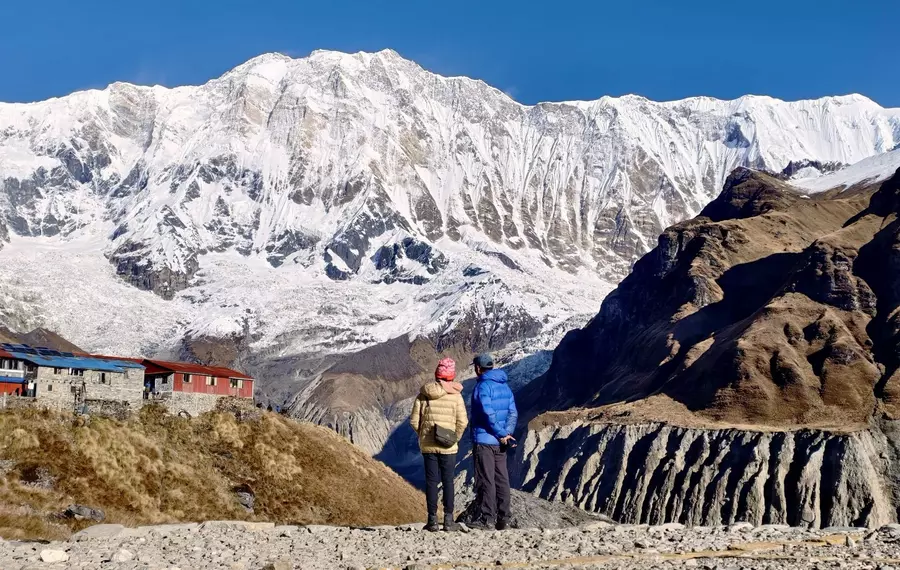
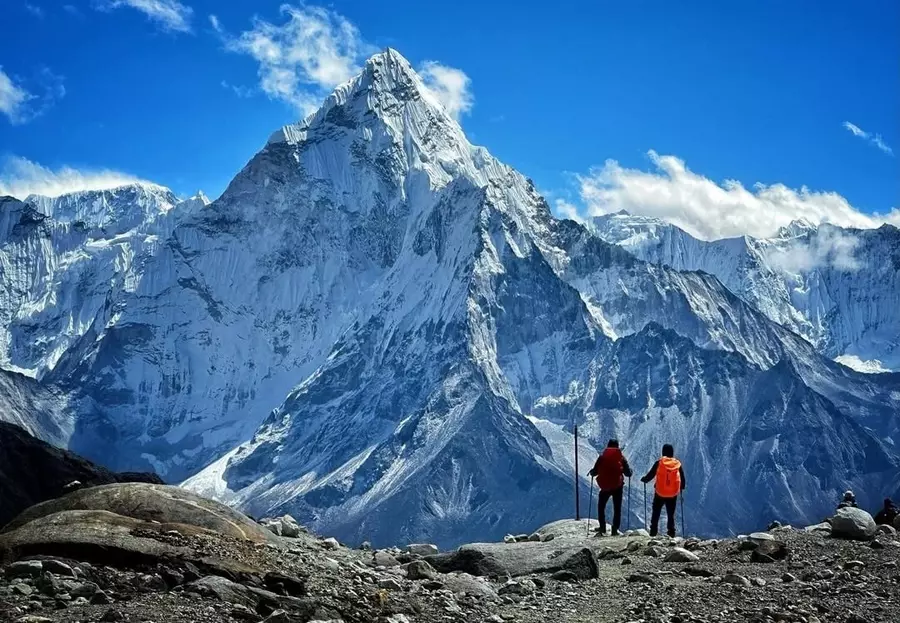
Nepal's Himalayan region offers a wide range of trekking experiences, with the Everest and Annapurna regions being two of the most popular choices. The Everest region is famous for its high-altitude landscapes, Sherpa villages, and views of Mount Everest, Lhotse, and Ama Dablam. Popular routes include the Everest Base Camp trek and the climb to Kala Patthar.
The Annapurna region offers more varied trekking options, from shorter routes such as Poon Hill to the Annapurna Base Camp trek and the longer Annapurna Circuit. Its landscapes range from forests and terraced fields to high mountain valleys and dry trans-Himalayan terrain. Trekking durations and difficulty vary considerably, so allow enough time for the route and proper acclimatization.
When Is the Best Time to Visit Nepal?
The best time to visit Nepal is generally spring (March to May) and autumn (September to November). Both seasons offer relatively stable weather, clear skies, and good visibility, making them ideal for trekking, mountaineering, and sightseeing.
Spring (March to May) brings warmer temperatures and blooming flowers across the mountains. The rhododendron forests are particularly beautiful during this season. However, haze may affect visibility in lower-altitude areas as temperatures rise, and afternoon showers are possible in the mountains.
Autumn (September to November) is generally considered the best season to visit Nepal. After the monsoon, the air becomes clearer, offering excellent views of the Himalayas. It is an ideal time for popular treks such as Everest Base Camp and the Annapurna Circuit. However, this is also the busiest tourist season, so popular trails and accommodation can fill up quickly.
Summer (June to August) is the monsoon season, with frequent rainfall that can affect roads and trekking routes. However, rain-shadow regions such as Mustang and Dolpo remain relatively dry and are still suitable for travel.
Winter (December to February) is cold, especially in high-altitude areas, where some trekking routes may close due to snow. However, lower-altitude destinations generally enjoy clear weather and fewer visitors, making winter a good time for sightseeing in Kathmandu and Pokhara.
How Many Days Do You Need to Travel in Nepal?
It depends on the destinations you plan to visit and whether you intend to go trekking. Travel between cities, particularly along mountain roads, can take longer than expected, so allow enough time for transportation.
For a first trip, 5–10 days is suitable for visiting major destinations such as Kathmandu, Pokhara, and Chitwan. With 12–14 days, you can also include Lumbini and experience more of Nepal's cultural and natural attractions. If you plan to trek to Everest Base Camp or explore the Annapurna region, allow 15 days or more.
3–4 Days: Explore the Kathmandu Valley
If you have limited time, 3–4 days are enough for a cultural trip around Kathmandu and its surroundings.
You can visit Kathmandu Durbar Square, Pashupatinath Temple, Boudhanath Stupa, and Swayambhunath Temple to learn about Nepal's history, Hindu traditions, and Buddhist culture.
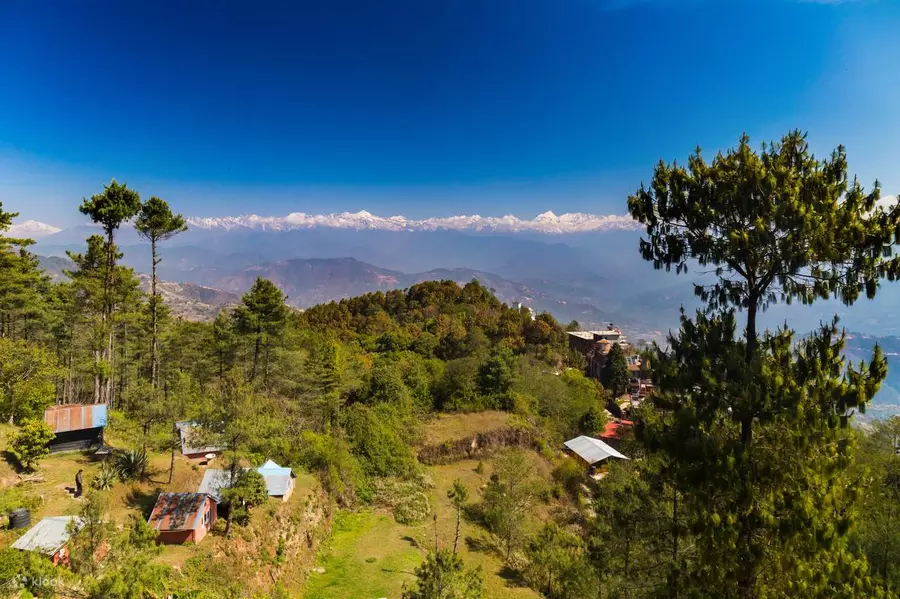
If time permits, you can also visit Patan or Bhaktapur to admire traditional Newari architecture and historic palace squares, as well as Nagarkot Village.
5–7 Days: Kathmandu and Pokhara
With 5–7 days, you can combine cultural sightseeing in the Kathmandu Valley with a trip to Pokhara, where you'll experience a different side of Nepal's natural beauty.
In Pokhara, you can take a boat ride on Phewa Lake, visit the World Peace Pagoda for views of the lake and surrounding mountains, or head to Sarangkot to watch the sunrise over the Himalayas.
If you enjoy outdoor activities, you can also try a short hike or paragliding.
8–10 Days: Kathmandu, Pokhara, and Chitwan
An 8–10-day trip allows you to combine Kathmandu, Pokhara, and Chitwan, covering Nepal's cultural heritage, mountain scenery, and wildlife.
In Chitwan National Park, you can join a jungle safari to look for rhinos, deer, and other wildlife while learning about the region's natural environment.
If you also want to include Lumbini, consider replacing either Pokhara or Chitwan rather than squeezing all four destinations into a limited schedule. This will help reduce travel time and allow you to enjoy each destination at a more comfortable pace.
12–14 Days: Explore Nepal's Major Destinations
With 12–14 days, you can include Kathmandu, Pokhara, Chitwan, and Lumbini in one trip.
This itinerary covers some of Nepal's most representative cultural heritage sites, natural landscapes, wildlife areas, and Buddhist pilgrimage sites. However, travel between destinations can take considerable time, so careful planning is still needed to keep the journey comfortable.
15–21 Days or More: Trekking and In-Depth Travel
With 15–21 days or more, you can add a Himalayan trekking adventure to your sightseeing itinerary or explore some of Nepal's more remote regions.
Popular trekking options include:
- - Everest Base Camp Trek: Pass through Sherpa villages, Buddhist monasteries, and dramatic mountain landscapes before reaching Everest Base Camp at 5,364 meters.
- - Annapurna Circuit Trek: Cross diverse landscapes and traditional mountain villages, including the Thorong La Pass at 5,416 meters.
- - Annapurna Base Camp Trek: Venture into the Annapurna range for close-up views of spectacular peaks surrounding the base camp.
If trekking is not part of your plan, you can spend more time in Kathmandu, Pokhara, Chitwan, and Lumbini, or travel to more remote areas such as Mustang to experience Nepal's varied landscapes and local cultures.
How to Get to Nepal?
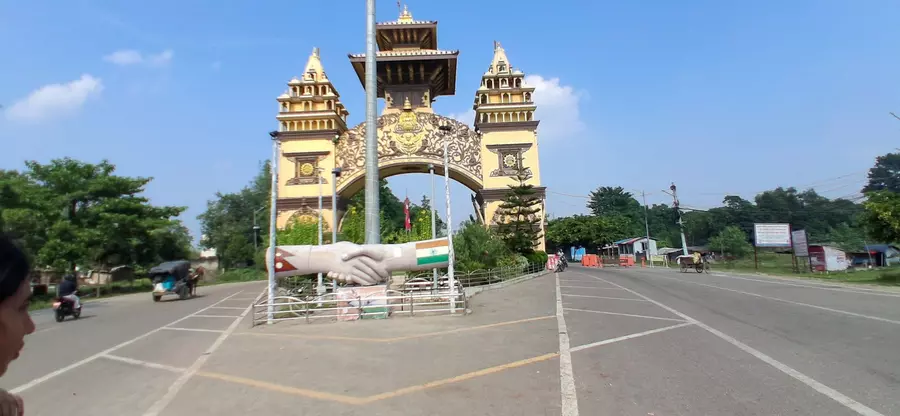
Nepal can be reached by air or overland. For most international travelers, flying into Kathmandu is the most convenient option. You can also enter Nepal by land from India or Tibet, depending on your travel route.
1. By Air: Fly to Kathmandu
Flying is the most convenient way to reach Nepal. Tribhuvan International Airport in Kathmandu is the country's main international gateway, receiving flights from various destinations across Asia and the Middle East.
Travelers from Europe and North America usually need to make one or two connections, commonly via major hubs such as Doha, Dubai, Istanbul, Delhi, or Bangkok. Flight options depend on your departure city and airline.
2. By Land: Enter from Tibet or India
If you are already traveling in Tibet or India, you can also enter Nepal by land.
- From Tibet: You can enter Nepal from Tibet through Zhangmu/Gyirong Port, traveling from Lhasa via Everest Base Camp and Zhangmu to Kathmandu. This route is ideal for travelers planning to combine Tibet and Nepal in one trip.
- From India: Nepal shares several land border crossings with India, including Sunauli, Birgunj, and Kakarbhitta. These are convenient entry points for travelers coming from Varanasi, Bodh Gaya, or other parts of India.
Getting Around Nepal
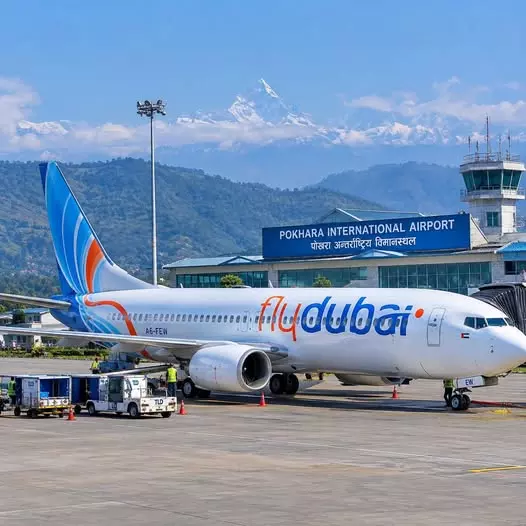
Transportation options in Nepal include domestic flights, tourist buses, private cars, and local public transport. The best choice depends on your destinations, travel time, and budget.
1. Domestic Flights
Domestic flights are convenient for covering longer distances, particularly between Kathmandu, Pokhara, and other major destinations. Flights to mountain destinations such as Lukla are also available, though weather conditions can cause delays or cancellations.
2. Tourist Buses
Tourist buses are a popular and affordable way to travel between major destinations such as Kathmandu, Pokhara, and Chitwan. However, some journeys can be long, and mountain roads may be bumpy.
3. Private Cars
Private cars offer greater flexibility and are suitable for families, groups of friends, or travelers who want to stop along the way for sightseeing and photos. They generally cost more than tourist buses.
4. Local Transportation
In cities, you can get around by taxi, ride-hailing services, three-wheelers, and local buses. Walking is also a good option for exploring nearby attractions in Kathmandu and Pokhara.
Travel Tip: If you plan to visit several destinations, arrange long-distance transportation in advance, especially during peak travel seasons. Allow extra time for road journeys, as mountain road conditions and weather can affect travel times.
Nepal Travel Costs and Budget Planning
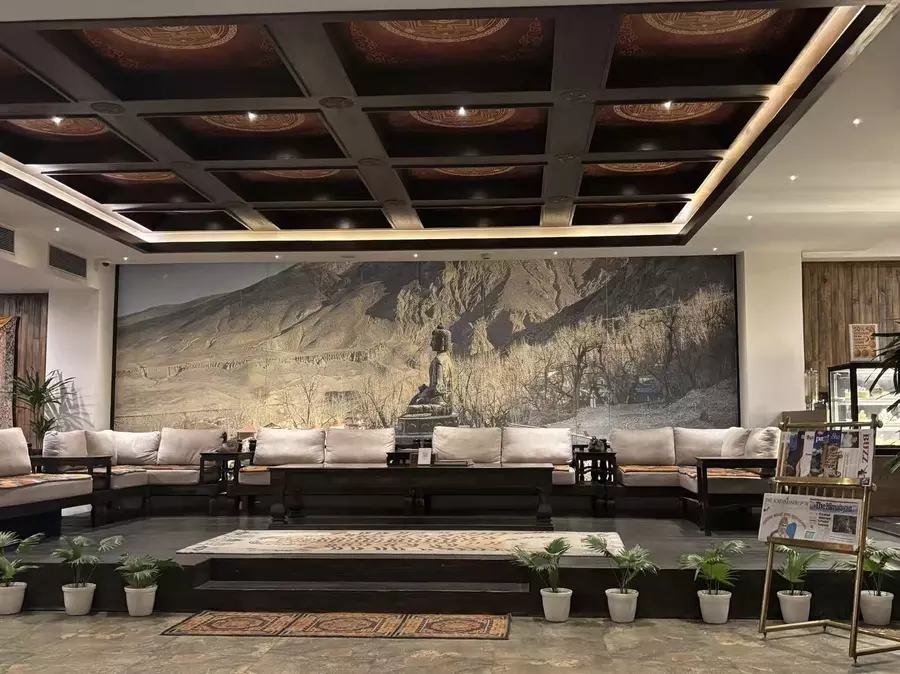
The cost of traveling in Nepal depends on your accommodation, transportation, travel season, and planned activities. Nepal caters to different budgets, from budget backpacking trips to comfortable private tours.
1. Daily Travel Budget
The estimated daily budget per person is:
| Travel Style | Daily Budget |
|---|---|
| Budget Travel | USD 20–30 |
| Mid-Range Travel | USD 50–90 |
| Luxury Travel | USD 120–200+ |
For a 10–14-day sightseeing trip, expect to spend around USD 500–1,260 per person, excluding international flights, visa fees, and trekking costs.
2. Accommodation and Food
Nepal offers a wide range of accommodation and dining options:
- - Accommodation: Budget double rooms cost around USD 12–25 per night, while three-star hotels typically charge USD 30–60.
- - Food: A local Dal Bhat meal (rice, curry, and side dishes) costs around USD 2–4, while a meal at a tourist restaurant is approximately USD 5–9.
Accommodation and food generally cost more along popular trekking routes and in remote mountain areas.
3. Transportation
Transportation costs vary depending on the distance and travel method:
- - Tourist Bus: Kathmandu to Pokhara costs around USD 10–25.
- - Domestic Flight: Kathmandu to Pokhara costs approximately USD 100–130.
Buses are more economical, while flights save travel time.
4. Trekking Costs
Trekking is one of the major additional expenses in Nepal. Costs depend on the route, duration, and whether you hire a guide or porter.
| Trekking Route | Estimated Cost per Person |
|---|---|
| Everest Base Camp Trek (EBC) | USD 1,250–1,800 |
| Annapurna Base Camp Trek (ABC) | USD 500–1,200 |
Trekking packages usually include a guide, accommodation, and three meals a day. If hired separately, a guide costs around USD 25–35 per day, while a porter costs USD 18–25. Expenses may also increase at higher altitudes.
Budget Tip: In addition to accommodation, food, and transportation, set aside money for trekking permits, entrance fees, and optional activities.
Nepal Visa Requirements
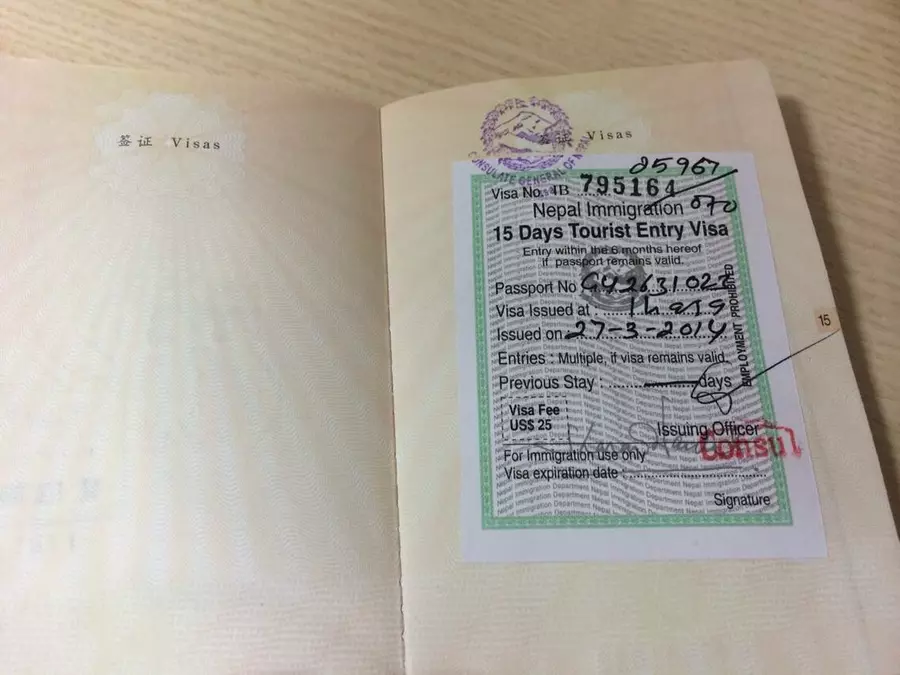
Nepal offers Visa on Arrival to citizens of most countries. Tourist visas are available for 15, 30, or 90 days, all with multiple-entry privileges. The fees are US$30, US$50, and US$125, respectively. Travelers can choose the visa that best suits their planned length of stay. Check whether your nationality is eligible for a Visa on Arrival before departure.
Eligible travelers can obtain a Visa on Arrival at Tribhuvan International Airport in Kathmandu or other designated entry points. Alternatively, they can complete the online application form through the official Nepal Department of Immigration website in advance to save time upon arrival.
The application process generally involves three steps:
- Complete the application form: Fill in the arrival card and tourist visa application form. Self-service kiosks may also be available at the airport.
- Pay the visa fee: Pay the applicable fee based on your intended length of stay.
- Complete immigration formalities: Present your passport, application form, and payment receipt at the immigration counter for verification and visa issuance.
Your passport should generally be valid for at least six months. Prepare your passport, a recent passport-sized photo, and the required visa fee in advance. Allow extra time for immigration procedures during peak travel seasons.
Travelers who are not eligible for a Visa on Arrival should apply in advance through a Nepalese embassy or consulate. For the latest visa regulations and application requirements, refer to the official Nepal Department of Immigration.
FAQ
1. Can I Visit Nepal During Major Festivals?
Yes. Visiting Nepal during major festivals is a great way to experience local culture and traditions. Festivals such as Dashain, Tihar (the Festival of Lights), and Holi feature colorful celebrations and cultural activities. However, some businesses may close during these periods, while transportation and accommodation can become busier. Check the festival dates in advance and book your accommodation and transport early.
2. Are There Any Restrictions on Visiting Temples and Monasteries in Nepal?
Yes. Some religious sites restrict access to certain areas, and some Hindu temples do not allow non-Hindus to enter. Visitors are generally expected to remove their shoes, dress modestly, and follow local rules. Always ask for permission before taking photographs.
3. Can I See Mount Everest Without Trekking?
Yes. You can take a scenic mountain flight from Kathmandu to enjoy aerial views of Mount Everest and other Himalayan peaks. These flights usually last about an hour and are generally scheduled in the morning. However, visibility depends on weather conditions, and flights may be delayed or canceled.
4. Can I Travel Independently in Nepal?
Yes. You can explore Nepal independently using local transportation, tourist buses, domestic flights, and taxis. Popular destinations such as Kathmandu, Pokhara, and Chitwan are relatively easy to visit without joining an organized tour. However, certain trekking areas have additional regulations, including requirements to hire a licensed guide. Check the latest rules for your chosen trekking route before departure.
5. Can I Combine Nepal and Tibet in One Trip?
Yes. Nepal and Tibet are geographically close and can be combined in the same itinerary. You can experience the historical and cultural attractions of Kathmandu while enjoying the high-altitude landscapes of Tibet. Direct flights operate between Kathmandu and Lhasa, although schedules may vary depending on the season and airline.
Foreign travelers visiting Tibet must arrange their trip through a licensed travel agency and obtain the required Tibet Travel Permit and other necessary travel documents in advance.
Email sẽ được phản hồi trong vòng 0.5~24 giờ.