
Cómo viajar a Tíbet desde Hong Kong
- Eric
- Última actualización : 14/05/2026
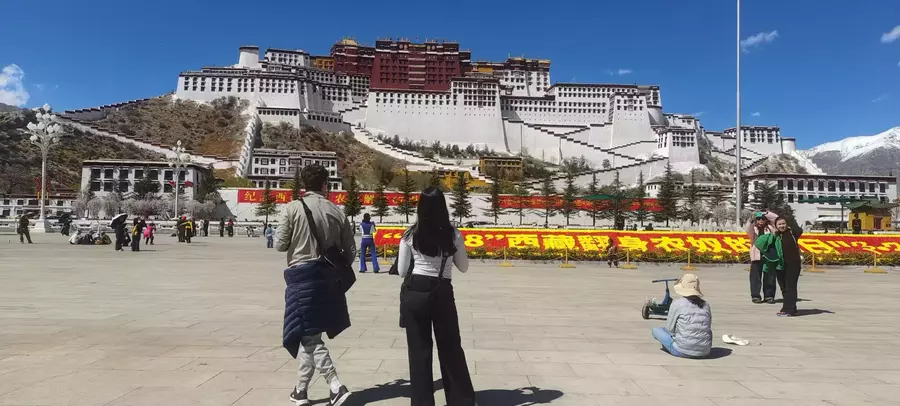
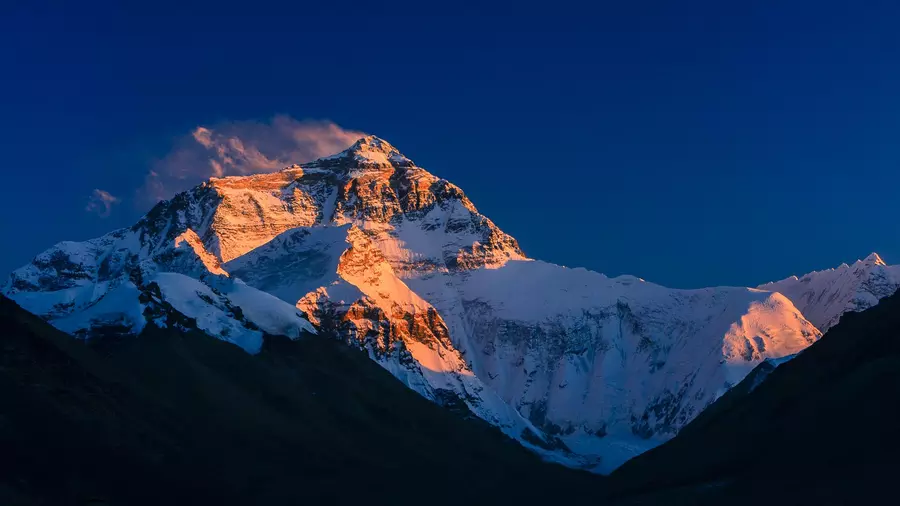
Para muchos viajeros de Hong Kong, el Tíbet es mucho más que un destino común: es un viaje lleno de una profunda riqueza cultural y una belleza natural impresionante. Desde la grandeza histórica del Palacio Potala hasta las vistas sobrecogedoras del Monte Everest y la atmósfera profundamente espiritual de los monasterios tibetanos, el Tíbet sigue atrayendo a viajeros de todos los ámbitos.
Viajar de Hong Kong al Tíbet ofrece un contraste sorprendente en la experiencia, pasando del ritmo urbano acelerado de Hong Kong a los vastos paisajes de gran altitud y la rica herencia cultural de la Meseta Tibetana. A diferencia de muchos otros destinos en China, viajar al Tíbet implica requisitos de entrada y arreglos específicos. Esta guía cubrirá todo lo que necesitas saber, incluidos los permisos, las rutas de viaje y consejos prácticos para planificar tu viaje sin problemas.
Documentos Requeridos
Los requisitos de viaje para los residentes de Hong Kong son generalmente sencillos, pero dependen de los documentos que uses para entrar al Tíbet.
Si Viajas con Pasaporte HKSAR
Solo los residentes de Hong Kong que posean un Pasaporte HKSAR pueden solicitar el Permiso de Viaje a la Parte Continental para Residentes de Hong Kong y Macao (Permiso de Retorno al Hogar). Con este permiso, viajar al Tíbet es relativamente conveniente, ya que no necesitas un Permiso de Viaje al Tíbet. También se usa comúnmente para el registro en hoteles y los procedimientos diarios de viaje.
Si tu itinerario solo incluye destinos populares como Lhasa, el Lago Namtso o Nyingchi, el Permiso de Retorno al Hogar suele ser suficiente. Sin embargo, si planeas visitar regiones fronterizas o restringidas como el Campamento Base del Monte Everest, el Monte Kailash o partes de Ngari y Shannan, también necesitarás un Pase de Frontera (Permiso Fronterizo). Este requisito aplica tanto para viajeros del continente como de Hong Kong. La mayoría de los viajeros de Hong Kong optan por que lo gestione una agencia de viajes local en el Tíbet. Alternativamente, puedes solicitar el Pase de Frontera en persona en la Oficina de Administración de Entradas y Salidas en el Distrito de Futian, Shenzhen. Sin embargo, esta opción requiere más tiempo y esfuerzo, por lo que usar una agencia de viajes sigue siendo la opción más fácil para quienes buscan un proceso sin complicaciones.
Si Viajas con un Pasaporte Extranjero
Si un residente de Hong Kong ingresa al Tíbet usando un pasaporte extranjero, como un pasaporte británico o canadiense, será tratado como un viajero internacional. En este caso, se requiere una visa china, y un Permiso de Viaje al Tíbet debe ser gestionado a través de una agencia de viajes autorizada. No se permite el viaje independiente, y el viaje debe incluir un guía autorizado y un vehículo privado.
Para viajar a áreas restringidas como el Campamento Base del Monte Everest o Ngari, se requieren permisos adicionales como el Pase de Frontera y el Permiso Militar.
Comparación Rápida de los Requisitos de Viaje
| Categoría | Permiso de Retorno al Hogar | Pasaporte Extranjero |
|---|---|---|
| Visa China | No requerida | Requerida |
| Permiso de Viaje al Tíbet | No requerido | Requerido (a través de agencia de viajes) |
| Pase de Frontera | Requerido | Requerido |
| Viaje Independiente | Permitido | No permitido |
| Guía y Vehículo | Opcional | Obligatorio |
Mejores Rutas desde Hong Kong al Tíbet
Viajar desde Hong Kong al Tíbet requiere hacer escala en la China continental, ya que actualmente no hay vuelos directos regulares. La mayoría de los viajeros vuelan primero a ciudades puerta de entrada como Chengdu, Chongqing, Kunming o Xi’an antes de continuar su viaje al Tíbet.
Dependiendo del tiempo y la preferencia de viaje, hay tres formas principales de llegar al Tíbet:
Solo Vuelos: La Opción Más Rápida y Popular
Si tu prioridad es la comodidad y ahorrar tiempo, volar es, con diferencia, la forma más fácil de llegar al Tíbet. En la mayoría de los casos, puedes llegar a Lhasa el mismo día o al día siguiente de salir de Hong Kong.
La ruta más común es hacer escala en ciudades como Chengdu, Chongqing o Kunming antes de volar a Lhasa o Nyingchi. Entre ellas, Chengdu es el centro de conexiones más popular. Un viaje típico dura unas 2.5 horas desde Hong Kong a Chengdu, seguidas de otras 2.5 horas a Lhasa. Con buenas conexiones, todo el viaje se puede completar a menudo en un solo día.
Chengdu es preferido no solo por sus frecuentes opciones de vuelo, sino también porque ofrece conexiones aéreas bien desarrolladas tanto a Lhasa como a Nyingchi. Para los viajeros preocupados por el mal de altura, volar primero a Nyingchi (alrededor de 3,000 metros) y pasar una noche allí antes de continuar a Lhasa (3,650 metros) puede facilitar mucho la transición.
En general, esta opción es la más directa y es la opción preferida para los visitantes primerizos al Tíbet.
Vuelo + Tren: Una Opción Equilibrada entre Tiempo y Experiencia
Para los viajeros que quieren experimentar el famoso Ferrocarril Qinghai-Tíbet sin pasar demasiados días en el tren, combinar vuelos con un viaje en tren es una opción muy práctica y popular.
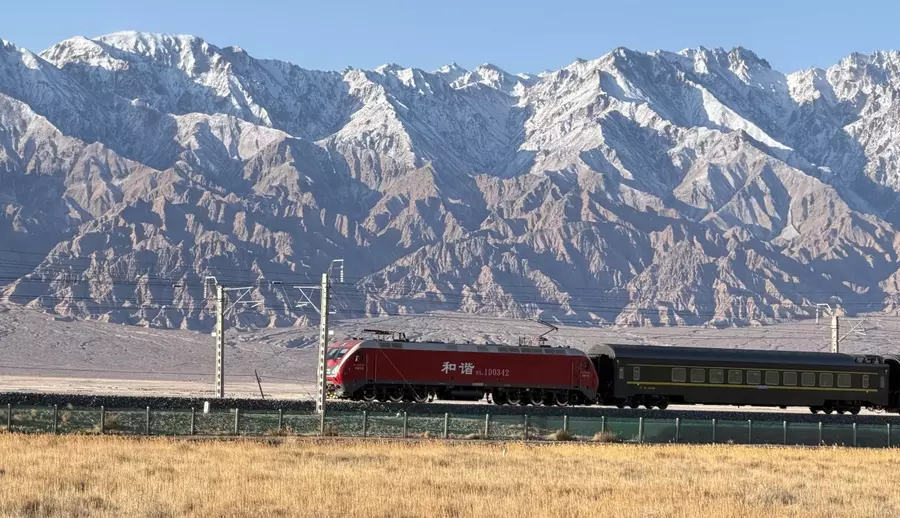
Una ruta común es volar primero de Hong Kong a Chengdu o Chongqing, y luego continuar hacia Xining antes de tomar el tren a Lhasa:
Hong Kong → Volar a Xining → Tomar un tren a Lhasa
Xining es el punto de partida del Ferrocarril Qinghai-Tíbet, y el viaje en tren desde aquí hasta Lhasa dura alrededor de 20 a 22 horas. Este tramo se considera el más pintoresco de todo el ferrocarril, pasando por áreas como la Reserva Natural de Hoh Xil, el Paso Tanggula y vastas praderas de gran altitud. Muchos viajeros eligen trenes nocturnos para que los paisajes más hermosos aparezcan durante las horas de luz. Esta ruta también es adecuada para viajeros que quieren un ascenso gradual y un viaje más inmersivo.
Hong Kong → Volar a Chengdu / Chongqing → Tomar un tren a Lhasa
Otra opción es tomar un viaje en tren más largo directamente desde Chengdu o Chongqing hasta Lhasa. Si bien esto toma alrededor de 35 horas, reduce el número de transbordos y hace que el viaje general sea más simple.
Vuelo + Viaje por Carretera: Convirtiendo el Viaje en la Experiencia
Para los viajeros con más tiempo y un gran interés en los paisajes y la fotografía, combinar un vuelo con un viaje por carretera hacia el Tíbet ofrece la experiencia más gratificante. En este caso, el viaje en sí mismo se convierte en una parte importante del recorrido.
La ruta más popular es la Carretera Sichuan-Tíbet (G318), que comienza en Chengdu y pasa por lugares como Danba, Litang y Nyingchi antes de llegar a Lhasa.
Otra alternativa es la Carretera Qinghai-Tíbet vía Xining, pasando por el Lago Qinghai y el Lago de Sal de Chaka antes de entrar al Tíbet.
Sin embargo, el viaje por carretera requiere más tiempo y una planificación cuidadosa. El viaje independiente puede estar restringido según la nacionalidad y los documentos de viaje, y muchos viajeros prefieren organizar vehículos y conductores a través de una agencia de viajes local autorizada por seguridad y comodidad.
Rutas de Viaje Recomendadas para Viajeros de Hong Kong
Para los viajeros de Hong Kong que poseen un Permiso de Retorno al Hogar, el viaje independiente en el Tíbet generalmente está permitido. Eso significa que puedes optar por explorar el Tíbet libremente con tus propios arreglos. Sin embargo, para regiones remotas como el Campamento Base del Everest o el Monte Kailash, muchos viajeros aún eligen arreglos organizados o apoyo local debido a la logística, las condiciones de las carreteras y los requisitos de permiso.
En contraste, los viajeros que ingresan al Tíbet con un pasaporte extranjero deben viajar bajo un arreglo de viaje registrado. Esto generalmente significa unirse a un tour organizado con un guía autorizado y transporte dispuesto durante todo el itinerario.
Hay tres opciones principales de viaje según el tiempo, el presupuesto y la experiencia.
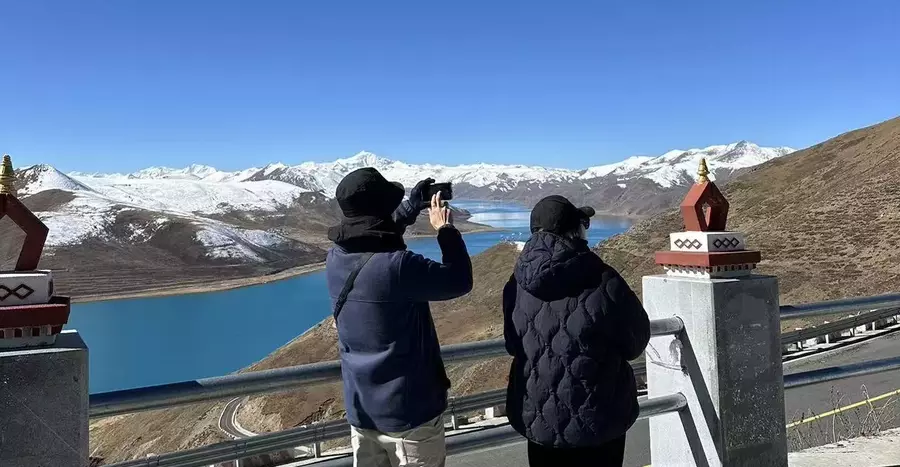
Ruta Clásica de Lhasa (Aspectos Culturales Destacados)
Un itinerario corto y relajado centrado completamente en Lhasa, el corazón cultural y espiritual del Tíbet. Es ideal para viajeros que quieren experimentar la historia y religión tibetana a un ritmo tranquilo sin viajes de larga distancia.
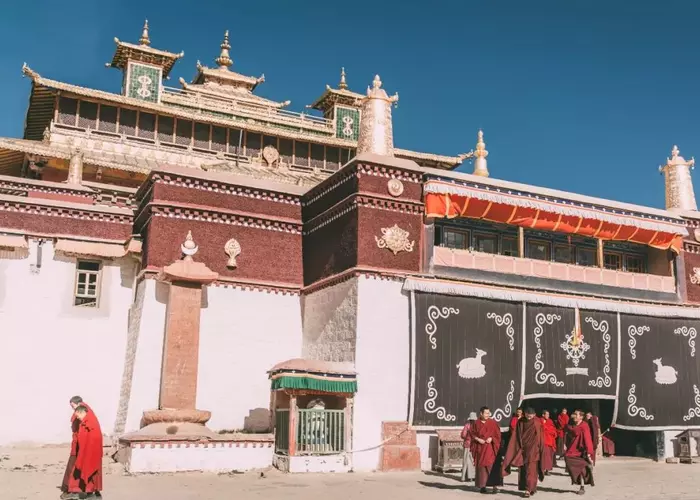
Visitarás lugares emblemáticos como el Palacio Potala, el Templo Jokhang, el Monasterio Sera y Norbulingka, junto con tiempo para explorar las calles antiguas de Lhasa y su ambiente local.
Ideal para: Visitantes primerizos, estancias cortas, turismo cultural
→ Tour Grupal Esencial de 4 Días por la Ciudad de Lhasa
Viaje de Lhasa al Campamento Base del Everest (Ruta Más Popular)
Una ruta clásica que combina la cultura tibetana con espectaculares paisajes del Himalaya. Desde Lhasa, el viaje pasa por el Lago Yamdrok, el Glaciar Karola, Gyantse y Shigatse antes de llegar al Campamento Base del Everest (5,200 m).
En días despejados, el amanecer o el atardecer sobre el Monte Everest suele ser lo más destacado.
Ideal para: Viajeros primerizos al Tíbet, equilibrio entre naturaleza y cultura, interés en el Monte Everest
→ Tour Grupal de 8 Días de Lhasa al Campamento Base del Everest
Peregrinaje al Everest y Monte Kailash (Experiencia Profunda)
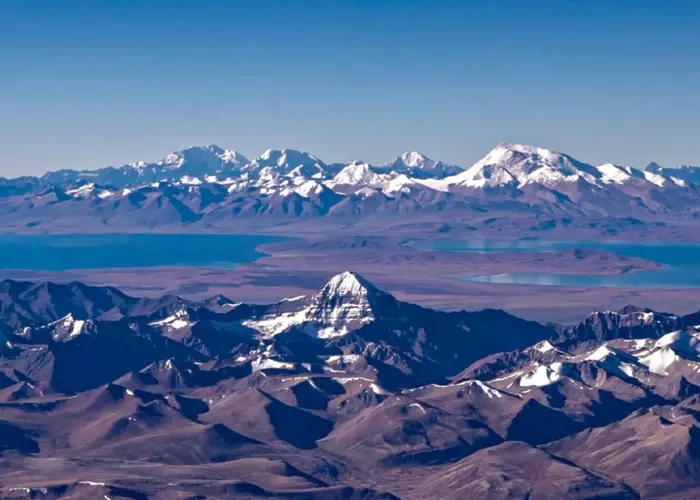
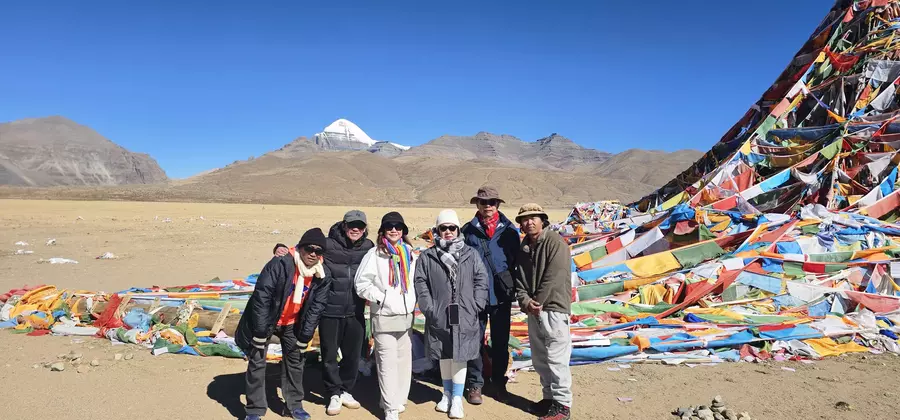
Un viaje más profundo a la remota región de Ngari, combinando el Campamento Base del Everest con el Monte Kailash y el Lago Manasarovar.
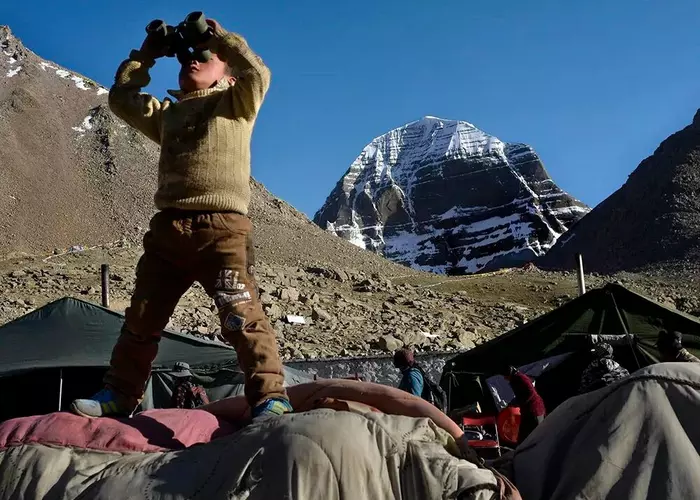
La kora de 52 km alrededor del Kailash es una de las experiencias de peregrinaje más significativas en el Tíbet, que generalmente se completa en tres días a gran altitud.
Ideal para: Viajes largos, viajeros experimentados, peregrinajes o viajes espirituales
→ Tour Grupal de Peregrinaje de 15 Días al Monte Everest y la Kora del Monte Kailash
Preguntas Frecuentes (FAQ)
¿Qué es el mal de altura y cómo deberías manejarlo?
El mal de altura es una preocupación común al viajar al Tíbet, especialmente en regiones de gran altitud como el Everest o Ngari. Los síntomas pueden incluir dolor de cabeza, mareos o dificultad para respirar.
Para reducir las molestias:
- Pasa unos días en Lhasa al comienzo de tu viaje para aclimatarte gradualmente.
- Descansa y usa soporte de oxígeno si se presentan síntomas leves.
- Si los síntomas persisten o empeoran, desciende a una altitud menor lo antes posible.
Las medidas preventivas simples incluyen mantenerse hidratado, comer comidas ligeras y evitar actividades extenuantes o alcohol.
¿Qué es mejor para la aclimatación: avión o tren?
No hay evidencia científica de que volar o tomar el tren determine directamente si ocurrirá el mal de altura. Depende principalmente de la condición física individual y la capacidad de aclimatación.
En general, los trenes proporcionan un ascenso gradual, permitiendo que el cuerpo se ajuste paso a paso. Los vuelos alcanzan áreas de gran altitud mucho más rápido. Según los comentarios de los viajeros, algunas personas encuentran los trenes más fáciles para la aclimatación, pero esto varía individualmente.
En última instancia, el descanso adecuado después de la llegada es más importante que el medio de transporte.
Desde Hong Kong, ¿cuándo es la mejor época para viajar al Tíbet?
El Tíbet es un destino para todo el año, pero el mejor período para viajar es generalmente de abril a octubre, cuando el clima es más estable y el paisaje está en su mejor momento.
En particular, mayo-junio y septiembre-octubre son muy recomendados para viajes al Everest o al Monte Kailash, ya que las condiciones climáticas son relativamente más estables y la visibilidad es más clara.
Aunque el invierno (noviembre a marzo) es más frío y menos elegido, ofrece menos multitudes y una experiencia de viaje más tranquila en muchas áreas del Tíbet.
¿Cómo deberían elegir hoteles en el Tíbet los viajeros de Hong Kong?
Se requiere generalmente que los residentes de Hong Kong que viajan al Tíbet se alojen en hoteles con calificación para alojar huéspedes extranjeros. Sin embargo, las opciones aún incluyen hoteles, casas de huéspedes, hostales y algunos campamentos.
Si posees un Permiso de Viaje a la Parte Continental para Residentes de Hong Kong y Macao, la reserva suele ser más flexible y conveniente.
Al reservar, busca propiedades marcadas como "adecuadas para viajeros de Hong Kong y Macao", o confirma directamente con el hotel si pueden aceptar huéspedes de Hong Kong y Macao.
En Lhasa, el alojamiento va desde económico hasta lujoso. Para las primeras 1 o 2 noches, se recomienda elegir hoteles con suministro de oxígeno para apoyar la aclimatación.
En áreas de gran altitud como el Everest o Ngari, el alojamiento es más limitado, por lo que se recomienda encarecidamente reservar con anticipación.
Respuesta por correo dentro de 0.5 a 24 horas.