
¿Cómo llegar a Lhasa?
- Beatrice
- Última actualización : 25/04/2026
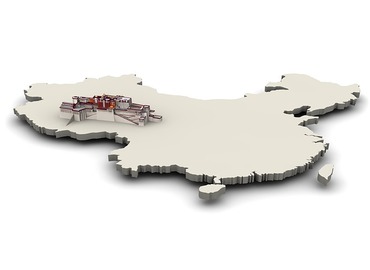
Lhasa es la capital de la Región Autónoma del Tíbet de China y el corazón político, cultural y religioso del Tíbet. Ubicada en la zona centro-sur del Tíbet, en la Meseta Tibetana, la ciudad se encuentra a una altitud de unos 3.650 metros, lo que la convierte en una de las ciudades más altas del mundo. A menudo llamada la "Ciudad Santa" en el Techo del Mundo, Lhasa es la ciudad más conocida del Tíbet y el punto de partida para explorar la región. Hoy en día, los visitantes pueden llegar a Lhasa en avión, tren o por rutas terrestres desde regiones vecinas, según sus planes de viaje y preferencias.
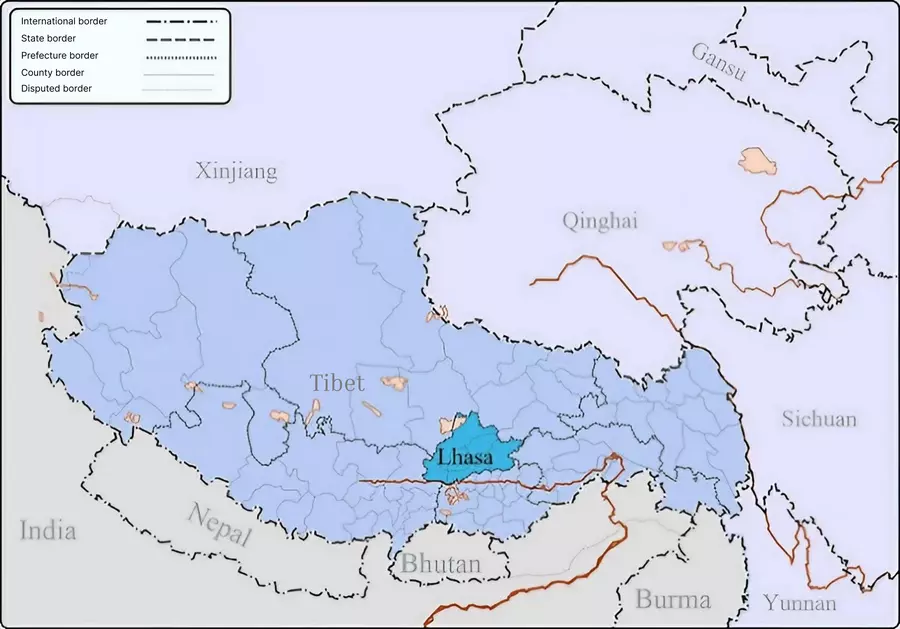
¿Dónde está Lhasa?
Lhasa se encuentra dentro de la cordillera Nyainqentanglha, en la parte sur de la Meseta Tibetana, en el valle de los tramos superiores del río Brahmaputra (Yarlung Tsangpo). Rodeada de imponentes montañas y amplios valles fluviales, este entorno geográficamente distintivo convierte a Lhasa en una puerta de entrada natural para viajar por todo el Tíbet.
Entrada desde China o Nepal
Para los viajeros internacionales, las principales rutas de acceso a Lhasa dependen de su punto de origen. Los viajeros de América, Europa, Australia y Asia Oriental suelen entrar al Tíbet a través de la China continental, volando a ciudades puerta de entrada importantes como Chengdu, Pekín, Shanghái o Xi'an antes de continuar en un vuelo nacional, tren o ruta terrestre a Lhasa.
Los viajeros del sur de Asia, Oriente Medio o África a menudo ingresan al Tíbet a través de Nepal, viajando por tierra o en avión desde Katmandú antes de cruzar al Tíbet y continuar hacia Lhasa o el Tíbet occidental. Esta ruta es popular entre los peregrinos y aquellos que combinan el Tíbet con itinerarios basados en Nepal.
Nota: Todos los viajeros extranjeros necesitan un Permiso de Viaje al Tíbet para ingresar al Tíbet. Los permisos deben gestionarse con antelación, generalmente a través de una agencia de viajes autorizada en el Tíbet.
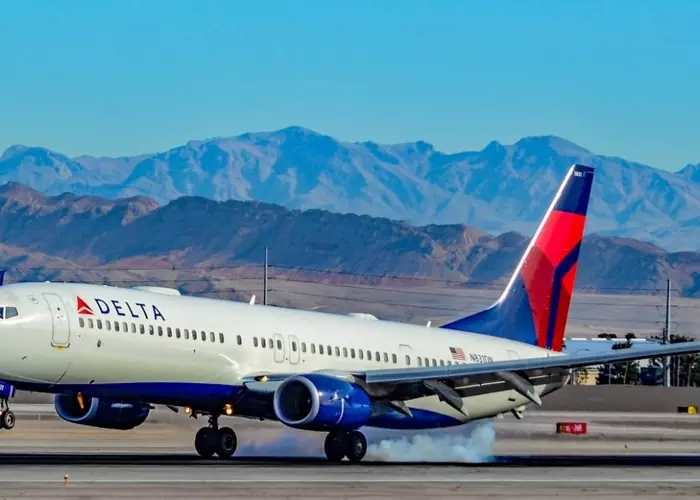
Cómo llegar a Lhasa en avión (vía China continental)
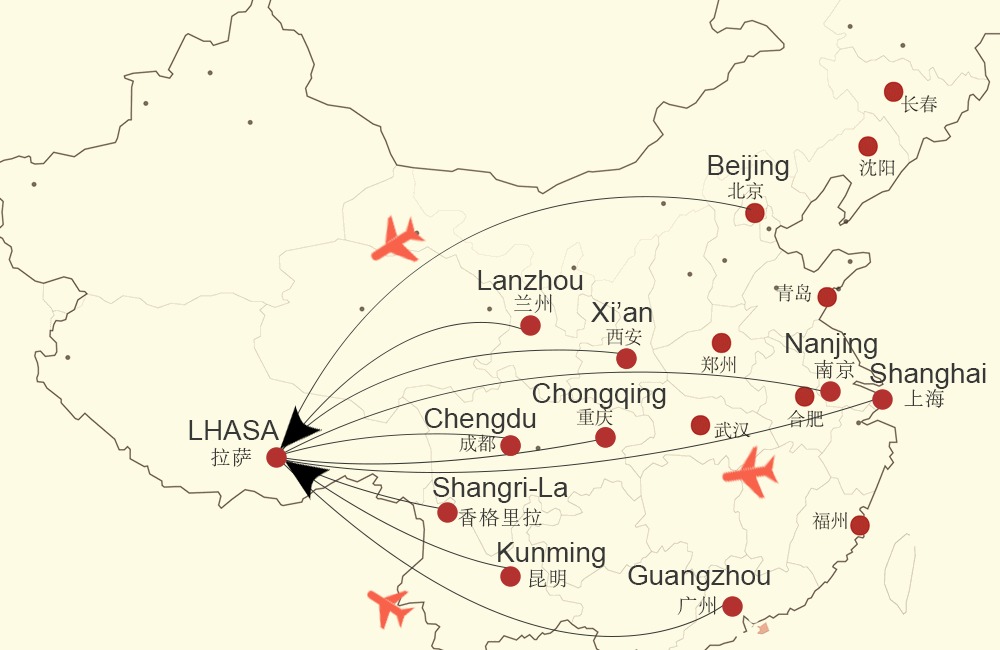
Volar es la forma más rápida y cómoda de llegar a Lhasa. Hay vuelos directos desde las principales ciudades chinas, incluyendo Pekín, Shanghái, Chengdu, Xi'an, Chongqing y Cantón. Entre ellas, Chengdu es la puerta de entrada clave, con la mayor frecuencia de vuelos, horarios más estables y las conexiones más flexibles. Desde la mayoría de las partes de China, se puede llegar a Lhasa en un solo día de viaje.
La duración del vuelo varía según la ciudad de salida, desde aproximadamente 2.5 horas desde Chengdu hasta más de 4.5 horas desde ciudades del este como Pekín o Shanghái. Todos los vuelos llegan al Aeropuerto Lhasa Gonggar (LXA). Todas las aeronaves están presurizadas y equipadas con sistemas de suministro de oxígeno, aunque algunos viajeros pueden experimentar molestias leves por la altitud.
La principal ventaja de volar es la eficiencia, particularmente para viajeros con tiempo limitado o aquellos que comienzan un itinerario más largo por el Tíbet. En comparación con los viajes por tierra, los vuelos son más cómodos y reducen significativamente el tiempo de viaje. Sin embargo, llegar directamente a gran altitud puede aumentar la probabilidad de molestias por la altitud. Se recomienda a los viajeros descansar a su llegada y permitir tiempo para la aclimatación.
Tiempos de viaje en avión a Lhasa (aproximados)
- Chengdu → Lhasa: ~2.5 horas
- Chongqing → Lhasa: ~3 horas
- Xi'an → Lhasa: ~3.5 horas
- Pekín → Lhasa: ~4.5 horas
- Shanghái → Lhasa: ~4.5–7.5 horas
- Cantón → Lhasa: ~6 horas
Cómo llegar a Lhasa en tren (vía China continental)

Viajar a Lhasa en tren ofrece un viaje escénico y gradual hacia la Meseta Tibetana. El Ferrocarril Qinghai-Tíbet conecta Lhasa con las principales ciudades chinas, permitiendo a los pasajeros experimentar cambios dramáticos en el paisaje, desde llanuras y valles fluviales hasta pastizales de gran altitud y montañas nevadas.
Una de las ventajas clave de tomar el tren es su aumento gradual de altitud, que muchos viajeros encuentran útil para la aclimatación. A medida que el tren asciende constantemente desde elevaciones más bajas, el cuerpo tiene más tiempo para adaptarse, reduciendo la probabilidad de molestias repentinas por la altitud. Los trenes modernos del Tíbet están equipados con sistemas de suplemento de oxígeno y cabinas selladas, proporcionando comodidad adicional durante las secciones de gran altitud del viaje.
Los servicios de tren a Lhasa operan desde varias ciudades chinas importantes, incluyendo Pekín, Shanghái, Chengdu, Xi'an, Xining y Cantón. El tiempo de viaje varía considerablemente según la ciudad de salida, lo cual es un factor importante para muchos viajeros al decidir si tomar el tren. Entre estas rutas, Xining sirve como el núcleo central del Ferrocarril Qinghai-Tíbet y marca el comienzo de la sección de meseta más clásica.
Tiempos de viaje en tren a Lhasa (aproximados)
- Xining → Lhasa: ~21 horas
- Lanzhou → Lhasa: ~24 horas
- Xi'an → Lhasa: ~31 horas
- Chengdu → Lhasa: ~36 horas
- Pekín → Lhasa: ~40 horas
- Shanghái → Lhasa: ~45 horas
- Cantón → Lhasa: ~53 horas
Cómo llegar a Lhasa en vuelos internacionales (vía Nepal)
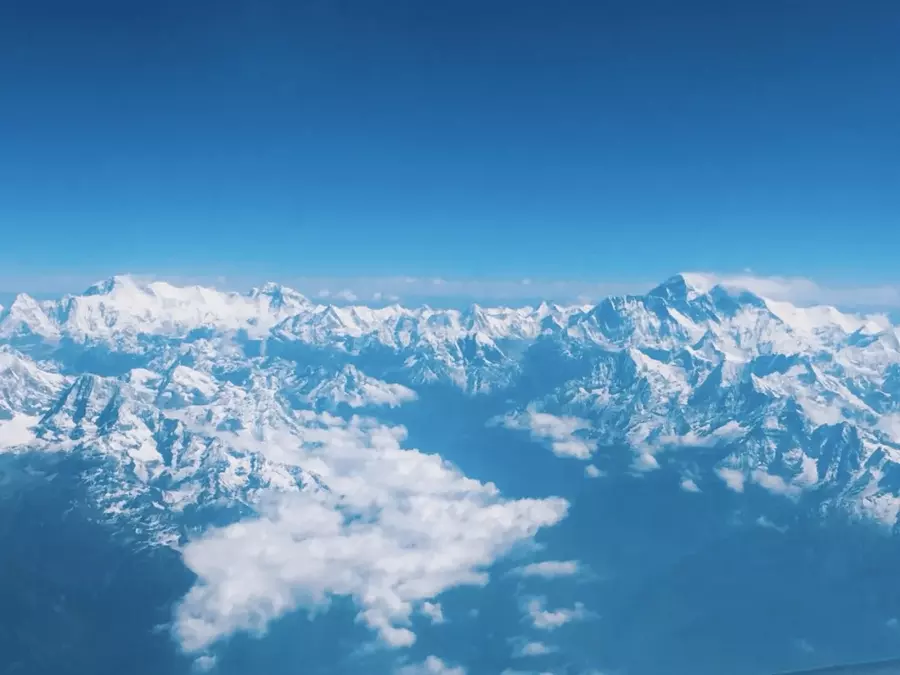
Nepal es actualmente el único país que ofrece vuelos internacionales directos a Lhasa, lo que lo convierte en una puerta de entrada importante para los viajeros del sur de Asia y regiones cercanas. La ruta directa opera entre Katmandú y Lhasa, proporcionando una opción conveniente para aquellos que planean combinar el Tíbet con Nepal.
Actualmente, Himalayan Airlines es la única aerolínea que opera esta ruta internacional directa. El vuelo Katmandú-Lhasa suele durar entre 1.5 y 2 horas y ofrece vistas espectaculares del Himalaya en días despejados. Sin embargo, los servicios de vuelo tienen una frecuencia limitada, por lo que es esencial una planificación cuidadosa.
Los vuelos de Katmandú a Lhasa normalmente operan los lunes, miércoles, jueves y viernes, mientras que los vuelos de Lhasa a Katmandú salen los martes, miércoles, jueves y viernes. Esto significa que los vuelos directos están disponibles solo cuatro días a la semana. En los días no operativos, los viajeros generalmente necesitan hacer tránsito a través de la China continental, con la ruta más común a través de ciudades como Chengdu, antes de continuar hacia Lhasa o Katmandú.
En comparación con la entrada terrestre desde Nepal, volar directamente a Lhasa ahorra tiempo y reduce el esfuerzo físico. Sin embargo, como con todos los vuelos a Lhasa, los viajeros llegan directamente a gran altitud, por lo que es esencial permitir tiempo para descansar y aclimatarse después de la llegada.
Viajar por tierra desde Nepal a Lhasa
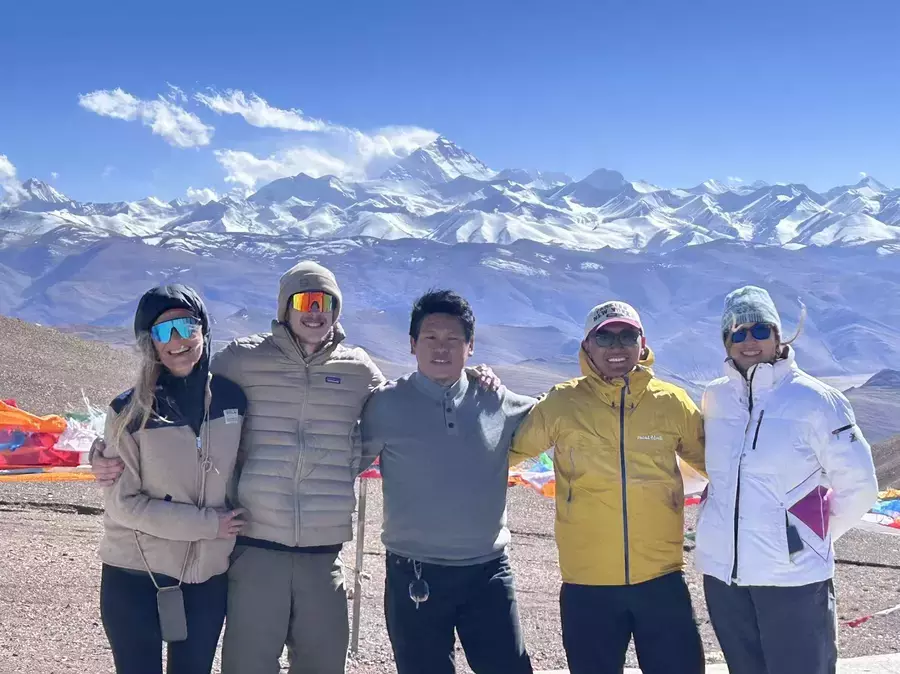
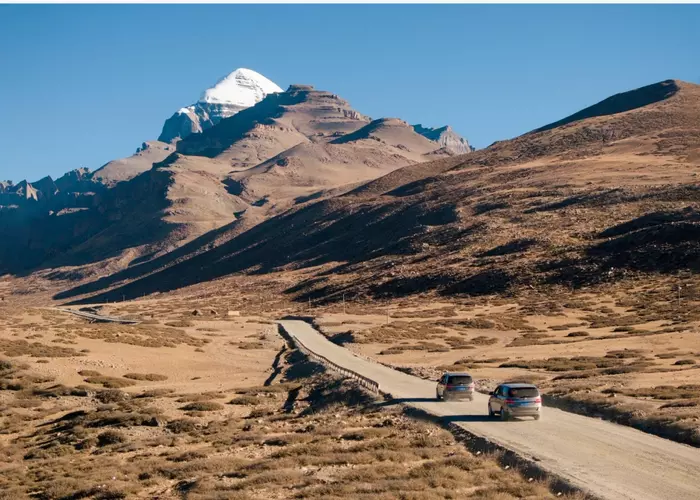
Viajar por tierra desde Katmandú a Lhasa es una opción popular para los viajeros que ya están en Nepal y desean ingresar al Tíbet por tierra. Cubriendo una distancia de aproximadamente 960 kilómetros (sin desvíos al Campamento Base del Everest), el viaje comienza en Katmandú y cruza la frontera Nepal-Tíbet en el Puerto de Gyirong (Rasuwa Gadhi), antes de continuar a través de los paisajes escénicos del sur del Tíbet hacia Lhasa. Esta ruta ofrece una transición suave de las estribaciones del Himalaya a la Meseta Tibetana y permite a los viajeros experimentar cambios dramáticos en el paisaje a lo largo del camino.
En el lado de Nepal, la carretera de Katmandú a Rasuwa Gadhi es mayormente montañosa y sin pavimentar, con secciones de grava y condiciones irregulares, especialmente después de la temporada de monzones. Los tiempos de viaje pueden ser largos, y los niveles de comodidad pueden variar según el clima y las condiciones de la carretera. Sin embargo, después de cruzar al Tíbet, las condiciones de la carretera mejoran significativamente. Las carreteras dentro del Tíbet están bien pavimentadas y mantenidas, lo que hace que el viaje sea más suave a medida que continúa a través de Gyirong, Shigatse y hasta Lhasa.
En comparación con volar, esta ruta terrestre implica días de conducción más largos pero permite una transición más suave a la gran altitud. Para aquellos que disfrutan de los viajes por carretera y los paisajes cambiantes, el viaje en sí mismo se convierte en una parte significativa de la experiencia tibetana. Los viajeros sensibles a las carreteras irregulares o que prefieran mayor comodidad y eficiencia de tiempo pueden optar por volar directamente a Lhasa desde Katmandú, sujeto a disponibilidad de vuelos.
Viajar por tierra desde China a Lhasa
Para los viajeros que ingresan al Tíbet a través de la China continental, varias carreteras terrestres ofrecen alternativas aventureras. Cada ruta ofrece paisajes distintivos, encuentros culturales y experiencias de viaje únicas.
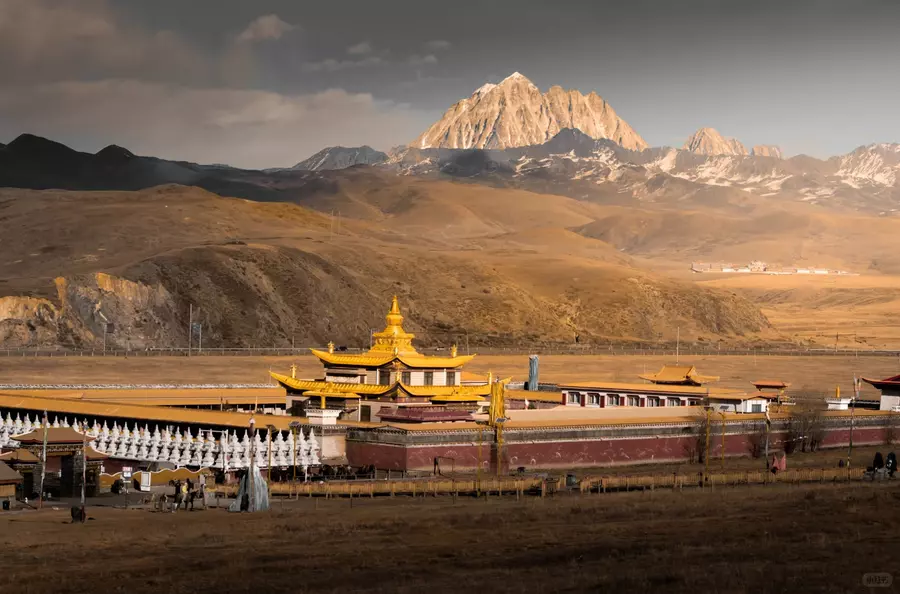
Carretera Sichuan-Tíbet (G318)
La Carretera Sichuan-Tíbet es una de las rutas terrestres más clásicas hacia el Tíbet, comenzando desde Chengdu a lo largo de la carretera nacional G318. El viaje pasa por Kangding y Xinduqiao, luego continúa a través de ciudades de la meseta alta como Litang y Batang.
Después de entrar en el Tíbet, la ruta serpentea a través de paisajes del Tíbet oriental, incluyendo el Lago Ranwu y el Glaciar Laigu, antes de continuar a través de valles boscosos cerca de Bomi y la pintoresca zona de Lulang, cerca de Nyingchi. Desde allí, el terreno se abre gradualmente en valles fluviales más amplios en el camino a Lhasa.
Conocida por sus diversos paisajes y escenarios cambiantes, esta ruta ofrece un viaje terrestre gratificante hacia el Tíbet.
Carretera Yunnan-Tíbet (G214+G318)
La Carretera Yunnan-Tíbet sigue parte del histórico Camino del Té y los Caballos, comenzando desde Kunming y pasando por Dali, Lijiang y Shangri-La antes de entrar al Tíbet en Mangkang.
A lo largo del camino, los viajeros experimentan una rica mezcla de paisajes, desde lagos y gargantas hasta valles de tierras altas y regiones étnicas. Los puntos destacados incluyen la Ciudad Antigua de Lijiang, la Garganta del Salto del Tigre y el área cultural tibetana de Shangri-La. Después de entrar en el Tíbet, la ruta continúa a través del Lago Ranwu y valles boscosos cerca de Nyingchi antes de llegar a Lhasa.
Con su ascenso gradual y paisaje diverso, esta ruta ofrece un viaje bien ritmado y culturalmente rico hacia el Tíbet.
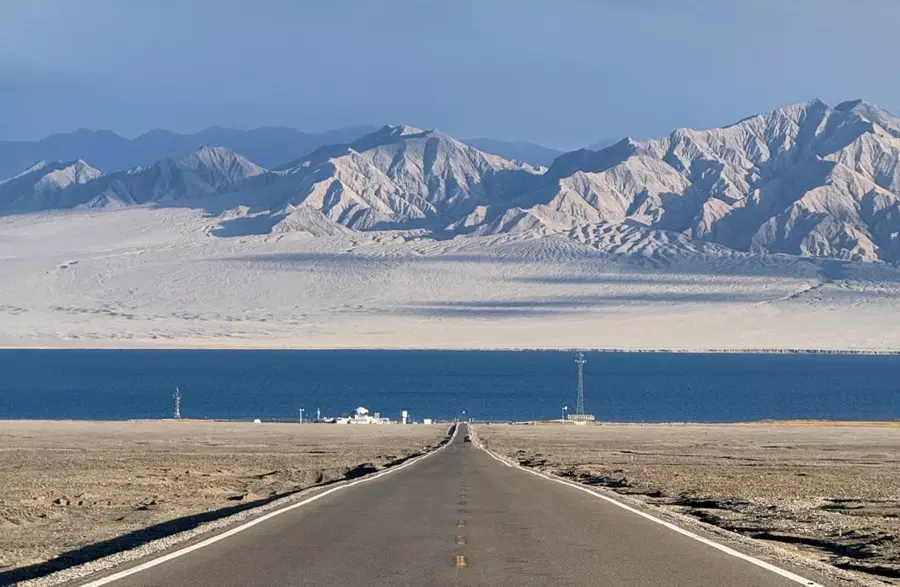
Carretera Qinghai-Tíbet (G109)
La Carretera Qinghai-Tíbet es la ruta terrestre más directa y estable hacia Lhasa, comenzando desde Xining y corriendo paralela al Ferrocarril Qinghai-Tíbet.
La ruta cruza vastos paisajes de gran altitud, incluyendo pastizales, lagos salados y regiones abiertas de la meseta, pasando áreas cercanas al Lago Qinghai y las Montañas Kunlun. En comparación con otras rutas terrestres, presenta un ascenso más suave y condiciones de carretera relativamente bien mantenidas.
Debido a las restricciones de viaje, esta ruta actualmente no está abierta a viajeros internacionales.
Conclusión
Se puede acceder a Lhasa a través de una variedad de rutas, cada una ofreciendo ventajas y experiencias únicas. Los vuelos proporcionan velocidad y conveniencia, ideales para viajeros con tiempo limitado. Los trenes ofrecen viajes escénicos y aclimatación gradual. Las rutas terrestres desde Nepal o la China continental combinan aventura, encuentros culturales y paisajes impresionantes, permitiendo a los viajeros experimentar el patrimonio natural y humano del Tíbet en el camino. Elegir la ruta correcta depende de tus objetivos de viaje, horario y preferencias de comodidad, pero independientemente del método, llegar a Lhasa marca el comienzo de un viaje inolvidable al corazón del Tíbet.
Respuesta por correo dentro de 0.5 a 24 horas.