
Jiuzhaigou Höhenlage
- Eric
- Zuletzt aktualisiert : 14.09.2026
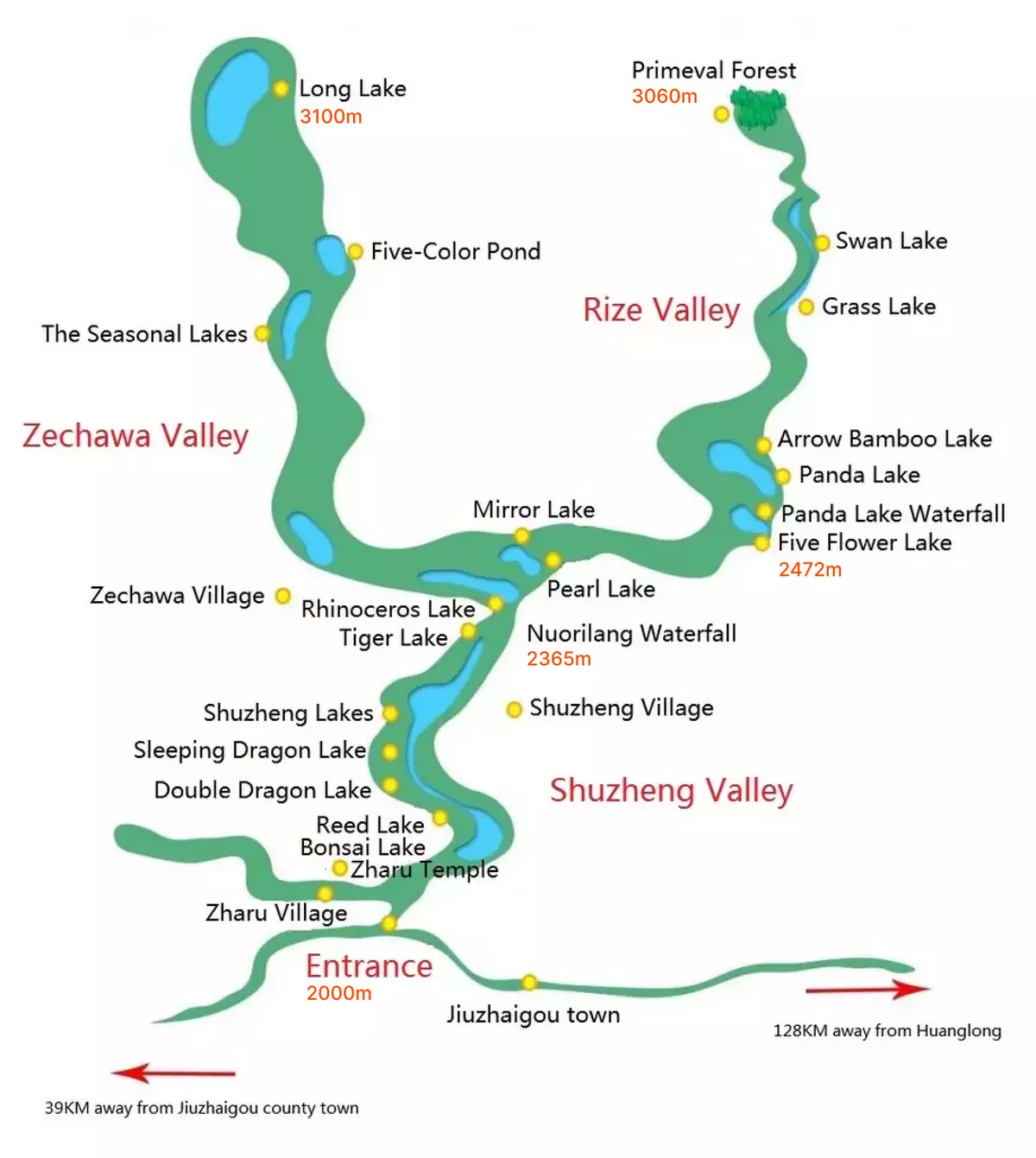
Jiuzhaigou liegt auf einer Höhe von etwa 2.000 bis 3.100 Metern (6.560 bis 10.170 Fuß), wobei sich die meisten Besichtigungsbereiche auf etwa 2.500 Metern (8.200 Fuß) befinden. Im Vergleich zu den beliebtesten Reisezielen Tibets liegt Jiuzhaigou niedriger, und die meisten Besucher erleben keine schwere Höhenkrankheit.
Wenn Ihre Reiseroute jedoch auch das Huanglong-Nationalparkgebiet umfasst, ist es wichtig, den Höhenunterschied zwischen den beiden Reisezielen zu verstehen. Wenn Sie die Höhenlage von Jiuzhaigou, das Risiko der Höhenkrankheit und einige praktische Reisetipps kennen, können Sie seine berühmten türkisfarbenen Seen, Wasserfälle, Wälder und schneebedeckten Berge bequemer genießen.
Inhaltsvorschau
- Wie hoch liegt Jiuzhaigou?
- Gilt Jiuzhaigou als Reiseziel in großer Höhe?
- Bekomme ich in Jiuzhaigou Höhenkrankheit?
- Wer ist anfälliger für Höhenkrankheit?
- Wie man Höhenkrankheit in Jiuzhaigou vorbeugt
- Was soll ich tun, wenn ich Höhenkrankheit verspüre?
- Jiuzhaigou vs. Huanglong: Was ist der Unterschied in der Höhenlage?
- Häufig gestellte Fragen zur Höhenlage von Jiuzhaigou
- Jiuzhaigou mit Great Tibet Tour entdecken
Wie hoch liegt Jiuzhaigou?
Der Jiuzhaigou-Nationalpark liegt im Autonomen Bezirk Aba der Tibeter und Qiang in der Provinz Sichuan, am östlichen Rand des Qinghai-Tibet-Plateaus. Da sich das Tal über mehr als 50 Kilometer erstreckt, steigt die Höhe vom Eingang bis zu den oberen Abschnitten allmählich an.
Da Jiuzhaigou ein langes, schmales Tal ist, variiert die Höhenlage an den verschiedenen Sehenswürdigkeiten.
| Sehenswürdigkeit | Ungefähre Höhenlage |
|---|---|
| Eingang von Jiuzhaigou | 2.000 m |
| Nuorilang-Wasserfall | 2.365 m |
| Perlensand-Wasserfall | 2.433 m |
| Fünf-Blumen-See | 2.472 m |
| Urwald | 3.060 m |
| Langer See | 3.100 m |
Nach dem Betreten von Jiuzhaigou wandern die Besucher allmählich durch das Tal bergauf. Da die Höhe langsam ansteigt, hat der Körper normalerweise genügend Zeit, sich an die veränderte Höhenlage anzupassen.
Unter allen Besichtigungsbereichen sind der Lange See und der Urwald die höchsten Punkte, die Besucher erreichen können. Dennoch liegen sie deutlich niedriger als extrem hoch gelegene Reiseziele wie das Everest Base Camp in Tibet.
Gilt Jiuzhaigou als Reiseziel in großer Höhe?
Jiuzhaigou gilt allgemein als Reiseziel mittlerer Höhe. Es liegt deutlich niedriger als Lhasa (3.650 m) und das Everest Base Camp (5.200 m), was die Anpassung für die meisten Reisenden viel einfacher macht.
Für Reisende, die zum ersten Mal Reiseziele in großer Höhe erleben, ist Jiuzhaigou in der Regel viel leichter zu bewältigen.
Bekomme ich in Jiuzhaigou Höhenkrankheit?
Im Allgemeinen erleben die meisten Reisenden beim Besuch von Jiuzhaigou keine schwere Höhenkrankheit. Die meisten Attraktionen sind durch umweltfreundliche Shuttlebusse verbunden, sodass Besucher nur kurze Strecken zwischen den Sehenswürdigkeiten zu Fuß zurücklegen müssen. Anders als viele vielleicht erwarten, beinhaltet das Sightseeing in Jiuzhaigou keine langen, anstrengenden Wanderungen in großer Höhe. Die meisten gesunden Besucher können das Gebiet nach einer kurzen Anpassungsphase bequem erkunden.
Die Höhe wirkt sich jedoch auf jeden anders aus. Reisende, die aus Tieflandgebieten anreisen oder wenig Erfahrung mit großer Höhe haben, können am ersten Tag ein leichtes Unwohlsein bemerken, aber dies bessert sich normalerweise, wenn sich der Körper anpasst.
Wenn Ihre Reiseroute auch Huanglong umfasst, beachten Sie, dass dessen höhere Lage höhenbedingte Beschwerden wahrscheinlicher macht als in Jiuzhaigou. Nehmen Sie sich Zeit und vermeiden Sie Überanstrengung, um sich bequemer anzupassen.
Wer ist anfälliger für Höhenkrankheit?
Obwohl die meisten Besucher Jiuzhaigou ohne ernsthafte höhenbedingte Probleme bereisen können, sind manche Menschen empfindlicher gegenüber größeren Höhen.
Reisende, die müde oder schlafentzogen sind
Wenn Sie bereits vor Ihrer Reise erschöpft sind oder nicht genug geschlafen haben, kann es wahrscheinlicher sein, dass Sie sich nach der Ankunft in größeren Höhen unwohl fühlen. Ausreichend Ruhe vor der Abreise kann Ihrem Körper helfen, sich leichter anzupassen.
Ältere Reisende oder Menschen mit Vorerkrankungen
Ältere Besucher und Menschen mit schweren Herzerkrankungen, Bluthochdruck, oder Atemwegserkrankungen sollten ihre Gesundheit vor der Reise in größere Höhen bewerten. Konsultieren Sie bei Bedarf vor Ihrer Reise Ihren Arzt.
Erstmalige Höhenreisende
Wenn Sie normalerweise auf Meereshöhe oder in Tieflandregionen leben und dies Ihr erster Besuch an Orten wie Jiuzhaigou, Huanglong, Tibet oder Qinghai ist, vermeiden Sie ein zu straffes Reiseprogramm. Geben Sie Ihrem Körper genügend Zeit, sich an die Höhe anzupassen.
Wie man Höhenkrankheit in Jiuzhaigou vorbeugt
Obwohl Jiuzhaigou viel niedriger liegt als Tibet und die meisten Besucher bequem reisen können, ist es dennoch wichtig, sich im Voraus vorzubereiten – besonders wenn Ihre Reise Huanglong umfasst oder wenn dies Ihre erste Reise in große Höhen ist.
Ausreichend Ruhe vor der Reise
Schlafen Sie vor der Abreise gut und vermeiden Sie es, lange aufzubleiben oder übermäßig müde zu werden. Nach der Ankunft in Jiuzhaigou oder Huanglong vermeiden Sie es, sofort ein volles Besichtigungsprogramm zu starten, und geben Sie Ihrem Körper Zeit, sich anzupassen.
Nehmen Sie sich beim Sightseeing Zeit
Genießen Sie die Landschaft in einem angenehmen Tempo, anstatt zu schnell zu gehen oder sich körperlich anzustrengen.
Das Wetter in den Bergen ändert sich schnell, und die Temperaturen können zwischen Tag und Nacht stark schwanken. Selbst im Sommer ist es ratsam, eine leichte Jacke mitzubringen. Da die UV-Strahlung in größeren Höhen stärker ist, werden auch Sonnencreme, Sonnenbrille und Sonnenhut empfohlen.
Bleiben Sie hydratisiert und halten Sie Ihre Energie aufrecht
Größere Höhen können den Energieverbrauch Ihres Körpers erhöhen. Trinken Sie den ganzen Tag über viel Wasser und tragen Sie Snacks wie Schokolade, Energieriegel oder Obst bei sich, um bei Bedarf Ihre Energie aufzufüllen.
Verlassen Sie sich nicht zu sehr auf Medikamente
Manche Reisende bringen Medikamente oder Nahrungsergänzungsmittel mit, um der Höhenkrankheit vorzubeugen. Diese sollten jedoch niemals richtige Ruhe, schrittweise Akklimatisierung und vernünftige Reiseplanung ersetzen.
Vermeiden Sie Rauchen und übermäßigen Alkohol
Rauchen und Alkoholkonsum können die Belastung Ihres Körpers in größeren Höhen erhöhen. Es ist am besten, beides während Ihrer Reise einzuschränken oder zu vermeiden.

Was soll ich tun, wenn ich Höhenkrankheit verspüre?
Leichte Symptome wie ein leichter Kopfschmerz, Müdigkeit oder Kurzatmigkeit bessern sich normalerweise nach einer Weile Ruhe. Verlangsamen Sie Ihr Tempo, trinken Sie viel Wasser und vermeiden Sie anstrengende Aktivitäten, bis Sie sich besser fühlen.
Wenn sich Ihre Symptome nicht bessern, kann die Verwendung von zusätzlichem Sauerstoff helfen, das Unwohlsein zu lindern. Tragbare Sauerstoffflaschen sind in Jiuzhaigou und Huanglong weit verbreitet, und viele Hotels und Besucherservicezentren können bei Bedarf ebenfalls Hilfe leisten.
Wenn Sie jedoch schwere Symptome wie anhaltendes Erbrechen, Atembeschwerden in Ruhe, Verwirrung oder Koordinationsverlust erleben, suchen Sie sofort ärztliche Hilfe auf und steigen Sie so schnell wie möglich in eine niedrigere Höhe ab.
Jiuzhaigou vs. Huanglong: Was ist der Unterschied in der Höhenlage?
Viele Reisende besuchen Jiuzhaigou und Huanglong während derselben Sichuan-Reise, aber es gibt einen deutlichen Unterschied in der Höhenlage.
| Landschaftsgebiet | Höhenbereich | Höchster Besichtigungspunkt |
|---|---|---|
| Jiuzhaigou | 2.000–3.100 m | Langer See (3.100 m) |
| Huanglong | 3.100–3.900 m | Fünf-Farben-Teiche (3.900 m) |
Im Vergleich zu Jiuzhaigou liegt Huanglong deutlich höher. Die Fünf-Farben-Teiche auf fast 3.900 Metern sind der Ort, an dem Reisende die Auswirkungen der großen Höhe am ehesten bemerken.
Wenn Sie beide Reiseziele besuchen möchten, empfehlen wir folgende Route:
Chengdu → Jiuzhaigou → Huanglong → Chengdu
Wenn Sie mit dem tiefer gelegenen Jiuzhaigou beginnen, hat Ihr Körper mehr Zeit, sich zu akklimatisieren, bevor Sie Huanglong besuchen, was Ihre Reise angenehmer und schöner macht.
Häufig gestellte Fragen zur Höhenlage von Jiuzhaigou
F: Liegt Jiuzhaigou höher als Tibet?
A: Nein. Jiuzhaigou liegt viel niedriger als Lhasa (3.650 m), und viele beliebte Reiseziele in Tibet liegen noch höher.
F: Was ist höher, Huanglong oder Jiuzhaigou?
A: Huanglong ist deutlich höher. Sein höchstes Besichtigungsgebiet erreicht fast 3.900 Meter, verglichen mit dem Langen See in Jiuzhaigou auf etwa 3.100 Metern.
F: Ist Jiuzhaigou für Senioren und Kinder geeignet?
A: Ja. Die meisten gesunden Senioren und Kinder können Jiuzhaigou bequem besuchen. Da das Landschaftsgebiet recht groß ist, wird empfohlen, ein entspanntes Besichtigungstempo beizubehalten und übermäßiges Gehen oder Müdigkeit zu vermeiden. Wenn Ihre Reiseroute auch Huanglong umfasst, sollten Sie dessen höhere Lage berücksichtigen.
Jiuzhaigou mit Great Tibet Tour entdecken
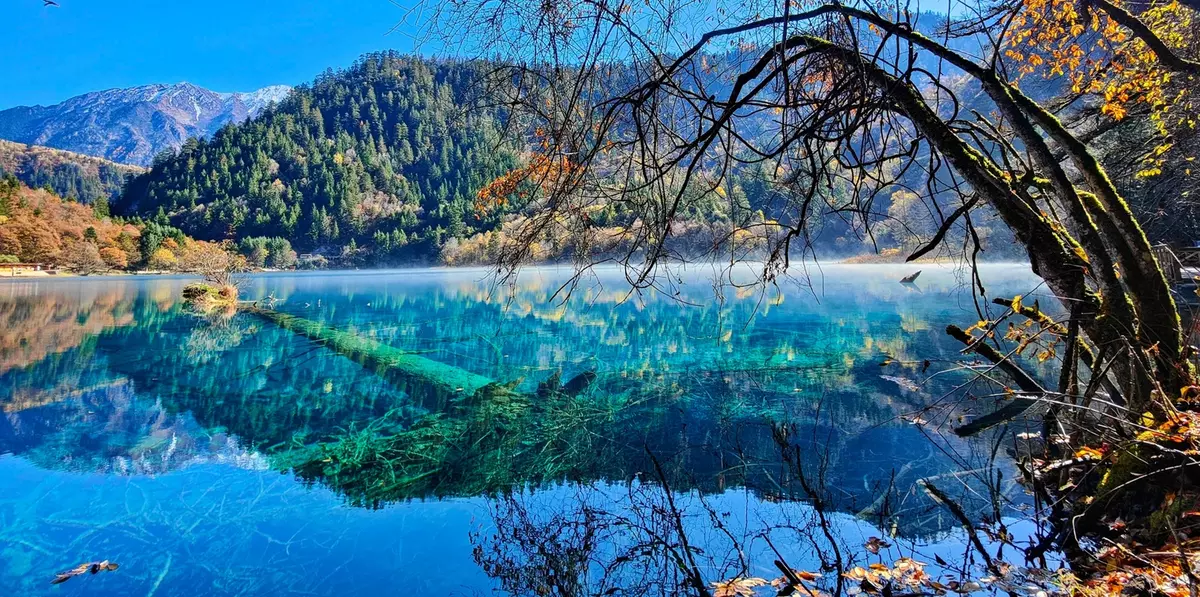
Planen Sie einen Besuch in Jiuzhaigou und Huanglong? Great Tibet Tour bietet Reisen mit erfahrenen lokalen Reiseleitern, komfortabler Transportmöglichkeit und sorgfältig gestalteten Reiserouten, damit Sie die spektakulärste Berglandschaft Sichuans in entspanntem Tempo genießen können.
Antwort per E-Mail innerhalb von 0,5–24 Stunden.