
Best Time to Visit India
- Eric
- 最后更新 : 10/10/2026
India does not have a single best time to visit that suits every region. The country is vast, stretching from the northern plains to the southern coast, and from the arid deserts to the Himalayan mountains. Climate and travel conditions vary considerably across these regions.
India generally experiences three main seasons: the cool season, the hot season, and the monsoon season. October to March is generally a good time to visit many parts of India. The plains can be extremely hot from April to June, while June to September brings the main rainy season to much of the country.
However, the best time to visit may differ if you plan to trek in the Himalayas, observe wildlife, or attend a particular festival. It is best to choose your travel dates based on your destination and planned activities.
What Is the Best Month to Visit India?
India's weather varies considerably throughout the year. The following table provides a quick overview of when to visit and what to consider during each period.
| Period | Weather | Travel Recommendations |
|---|---|---|
| October–November | The monsoon gradually withdraws, and temperatures begin to cool in many regions. | Suitable for sightseeing in many parts of India, although some coastal areas may still experience rainfall. |
| December–February | Cooler in northern India, while much of southern India remains warm. | Ideal for city sightseeing and cultural and historical tours. |
| March | Temperatures begin to rise, and spring festivals take place. | Suitable for sightseeing in some regions and experiencing local festivals. |
| April–June | Hot across the plains, while high-altitude areas are relatively cooler. | Consider the Himalayan regions and selected wildlife reserves. |
| June–September | The monsoon brings heavy rainfall to many areas, with significant regional variations. | Suitable for selected monsoon destinations, but weather and transport disruptions should be considered. |
Overall, October to March is a good period to consider for many popular India itineraries. If you plan to trek, observe wildlife, or attend a specific festival, choose your travel dates according to the destination and activity.
October to March: A Popular Time to Visit India
October to March is generally one of the most favorable periods to visit many parts of India. From October onward, rainfall decreases in many regions and temperatures become more comfortable. Between December and February, northern India experiences cooler winter weather, while parts of southern India remain warm.
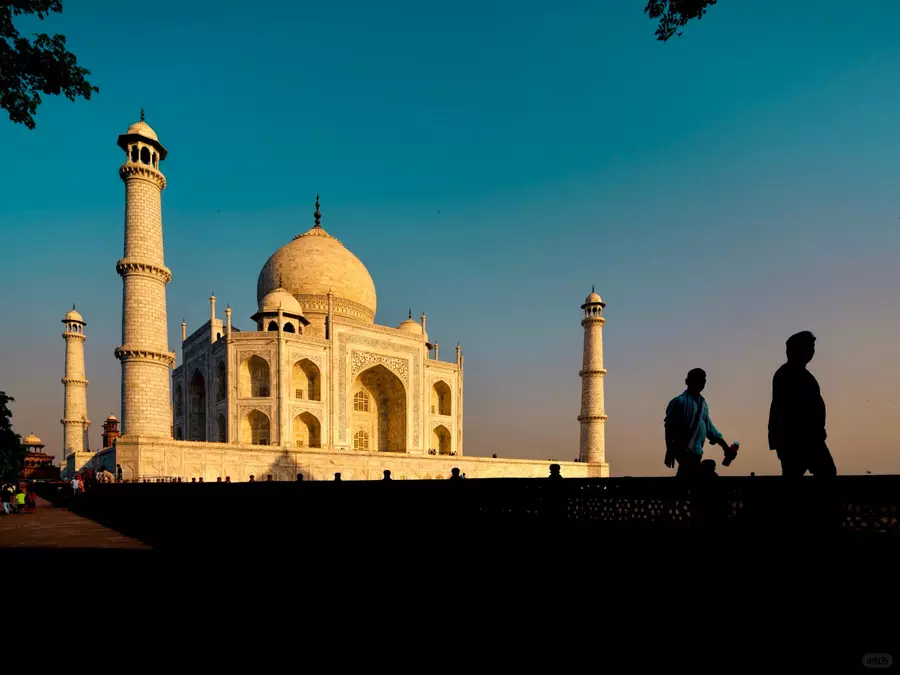
This period is suitable for city sightseeing, historical attractions, and outdoor activities in destinations such as Delhi, Agra, and Rajasthan. It is also a popular time for travel in India.
However, weather conditions still vary by region. Between December and February, fog can occur in parts of northern India, reducing visibility and sometimes disrupting flights and train services. Meanwhile, southeastern coastal areas, including Tamil Nadu, may continue to experience rainfall associated with the northeast monsoon from October to December.
If you want to travel as the weather improves while avoiding some destinations' winter peak demand, October and November may be worth considering. However, major festivals such as Diwali can also increase demand for accommodation and transport, so advance planning is advisable.
April to June: Hot Weather, but Some Regions Are Still Worth Visiting
April to June is one of the hottest periods in India. The northern and central plains can be particularly hot, with daytime temperatures exceeding 40°C (104°F) in some areas. High temperatures can make city walks, monument visits, and other outdoor activities less comfortable.
However, this does not mean India is unsuitable for travel during these months. Some Himalayan destinations are relatively cool, and certain trekking routes enter their main travel season. In addition, the late dry season can offer good wildlife-viewing opportunities in selected reserves.
Travel demand is often lower than during the cooler months, and accommodation and tour prices may be more flexible in some destinations. If you can only travel between April and June, consider regions with more comfortable weather, plan outdoor activities carefully, and check whether your chosen trekking routes or national parks are open.
June to September: Is It Worth Visiting India During the Monsoon?
June to September is the main southwest monsoon period in India, and much of the country's annual rainfall occurs during these months. However, rainfall varies considerably by region. Parts of the west coast and southwest receive heavy rain, and prolonged downpours may affect outdoor activities and transport. At the same time, the monsoon transforms some landscapes with lush greenery.
Traveling during the monsoon requires a more flexible itinerary. Before visiting, check the local rainfall forecast and consider how the weather might affect transportation and outdoor activities.
If you do not mind the rain and choose destinations suited to monsoon travel, India can still be worth visiting between June and September. However, if you plan to visit mountainous areas or take part in outdoor activities, pay particular attention to local weather, road conditions, and attraction closures.
Where Should You Go in India During Each Season?
Because India's climate varies significantly by region, it is more useful to choose destinations according to your travel interests than to look for one ideal month for the entire country.
| Travel Region or Interest | Recommended Period | Key Considerations |
|---|---|---|
| Northern India: culture and historical sites | October–March | Winter fog may affect transport in some areas. |
| Rajasthan and desert regions | October–March | Summer temperatures can be extremely high. |
| Parts of southern India | November–March is generally comfortable in many areas. | Some southeastern coastal areas are affected by the northeast monsoon. |
| Indian Himalayan regions | Depends on the destination and trekking route. | Consider altitude, snowfall, and seasonal route closures. |
| Wildlife viewing | Depends on the national park or reserve. | Check opening dates and seasonal restrictions. |
Do Festivals Affect the Best Time to Visit India?
Major Indian festivals take place throughout the year, and some follow traditional calendars, meaning their dates change annually.
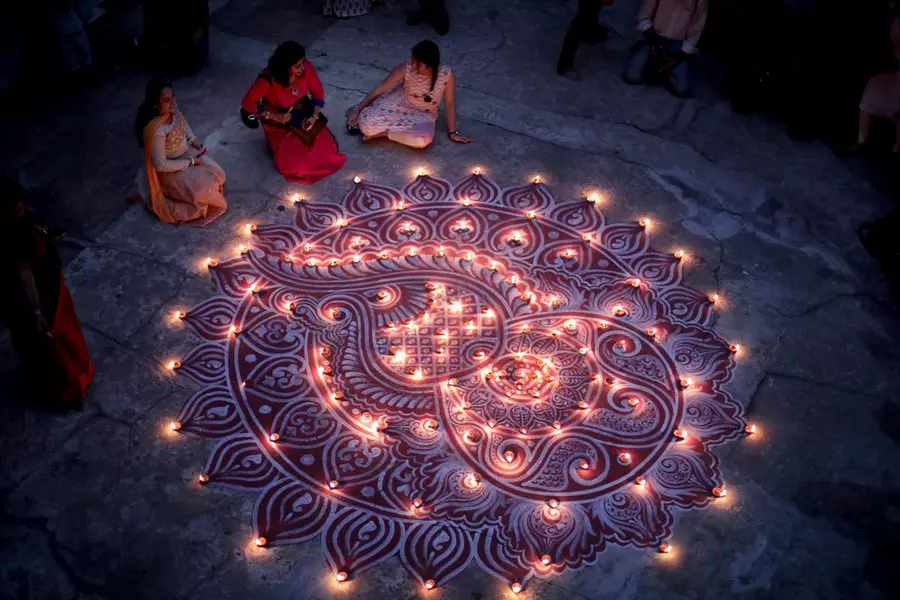
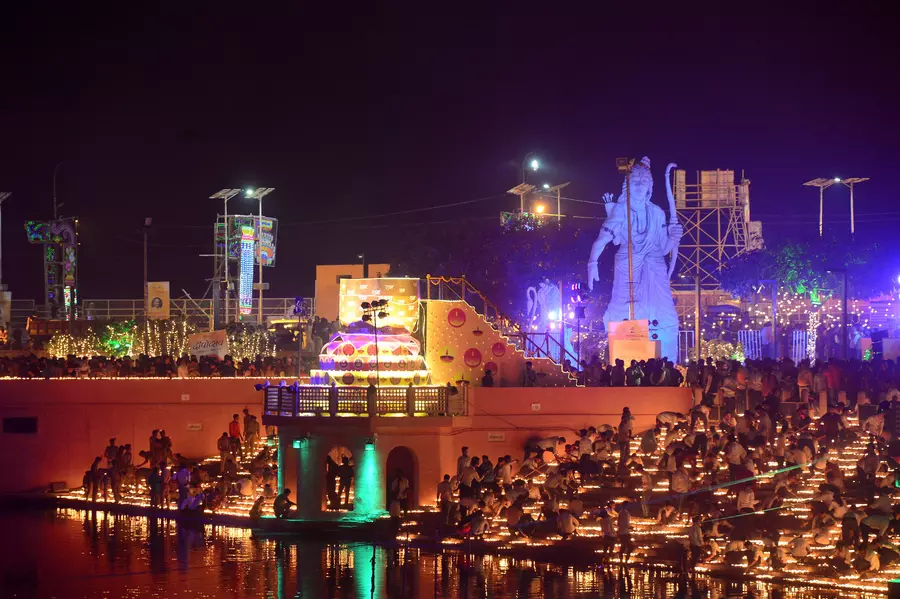
- Diwali, usually celebrated in October or November, is one of India's most important festivals. Celebrations feature lights, family gatherings, and traditional activities.
- Holi, usually held in February or March, welcomes spring with colored powders, water, and public celebrations.
- Dussehra, usually celebrated in September or October, features different traditions across India.
- Ganesh Chaturthi, generally held in August or September, is especially significant in Maharashtra and other parts of western India.
- Onam, usually celebrated in August or September, is an important traditional festival in Kerala.
If you are planning a trip specifically to experience a festival, check the dates and locations for that year. Popular destinations may see increased demand for accommodation and transport during major celebrations, so it is best to plan your travel dates and arrangements together.
When Is the Cheapest Time to Visit India?
If your priority is keeping travel costs down, consider traveling outside periods of high demand. April to June and parts of the monsoon season are often quieter in some destinations, and accommodation and tour prices may be more flexible.
However, lower costs can come with hotter weather or heavier rainfall. If you want to balance your budget with comfortable travel conditions, October and November may be worth considering in some regions, depending on local demand and festival dates.
There is no single cheapest month for the whole of India. The most practical approach is to compare seasonal demand, accommodation prices, and weather conditions for your chosen destinations.
India Travel FAQs: When Is the Best Time to Visit?
1. Does winter weather affect travel in India?
If you plan to visit northern India between December and February, be aware of possible fog. Low visibility in the early morning can disrupt flights and train services in some areas. If you are traveling between cities, avoid scheduling tight connections whenever possible.
2. Is October or November a good time for trekking in the Indian Himalayas?
October and November are generally suitable for some autumn trekking routes in the Indian Himalayas, but not all routes remain open during this period. After the monsoon, weather conditions become more stable in some areas, although high-altitude routes may still be affected by snowfall, low temperatures, or seasonal closures. Check local weather and route conditions before departure.
3. When is the best time to see tigers in India?
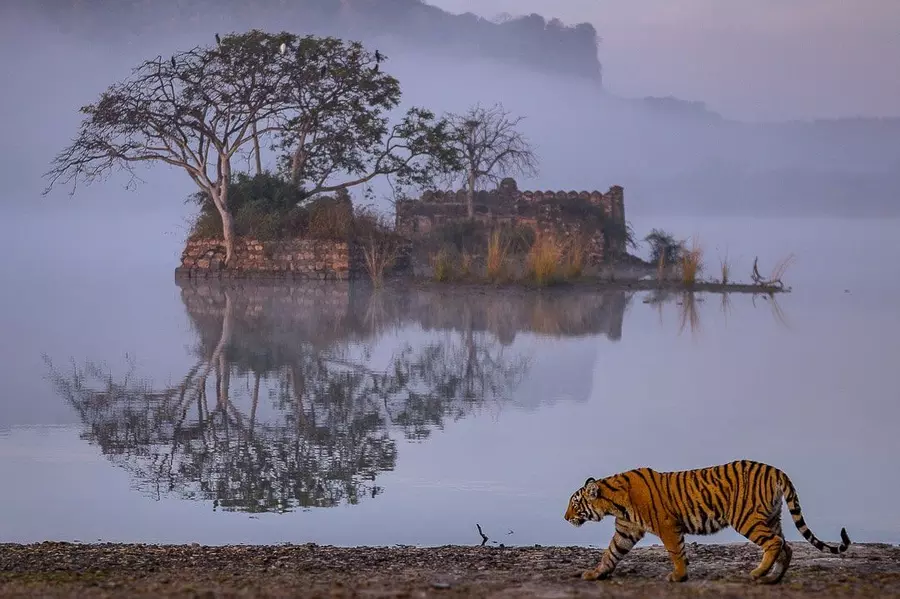
Many wildlife reserves in central India offer good wildlife-viewing opportunities during the dry season. As vegetation becomes thinner and water sources become scarcer, animals may be easier to spot in open areas.
Although temperatures can be high, April to June can be a good time to look for tigers in selected reserves. The best period depends on the specific national park or wildlife reserve, including its opening schedule and local conditions.
4. When should I visit India to avoid crowds at popular attractions?
If you want to avoid large crowds at popular attractions, consider traveling outside the busiest periods and avoiding major festivals such as Diwali. In destinations such as Delhi, Agra, and Jaipur, visiting famous sights on weekdays or arriving early in the morning can also help you avoid some of the crowds.
However, peak travel periods vary by destination, and festivals can attract large numbers of visitors. Check local tourism calendars and the opening hours or entry requirements of major attractions when planning your itinerary.
5. How far in advance should I plan a trip to India for a festival?
First, confirm the festival dates and location for the year you plan to visit, as many Indian festivals do not fall on the same Gregorian calendar date every year. Once your dates are confirmed, arrange accommodation and transport according to the expected demand.
For popular festivals such as Diwali and Holi, it is advisable to plan ahead and book accommodation and transport early, particularly in popular destinations such as Varanasi and Jaipur and in areas hosting major celebrations. If you want to attend large public events or specific festival activities, planning several months in advance can give you more accommodation and transport options.
邮件将在 0.5~24 小时内回复。