
Ruta del Té y los Caballos
- Eric
- Última actualización : 10/09/2026
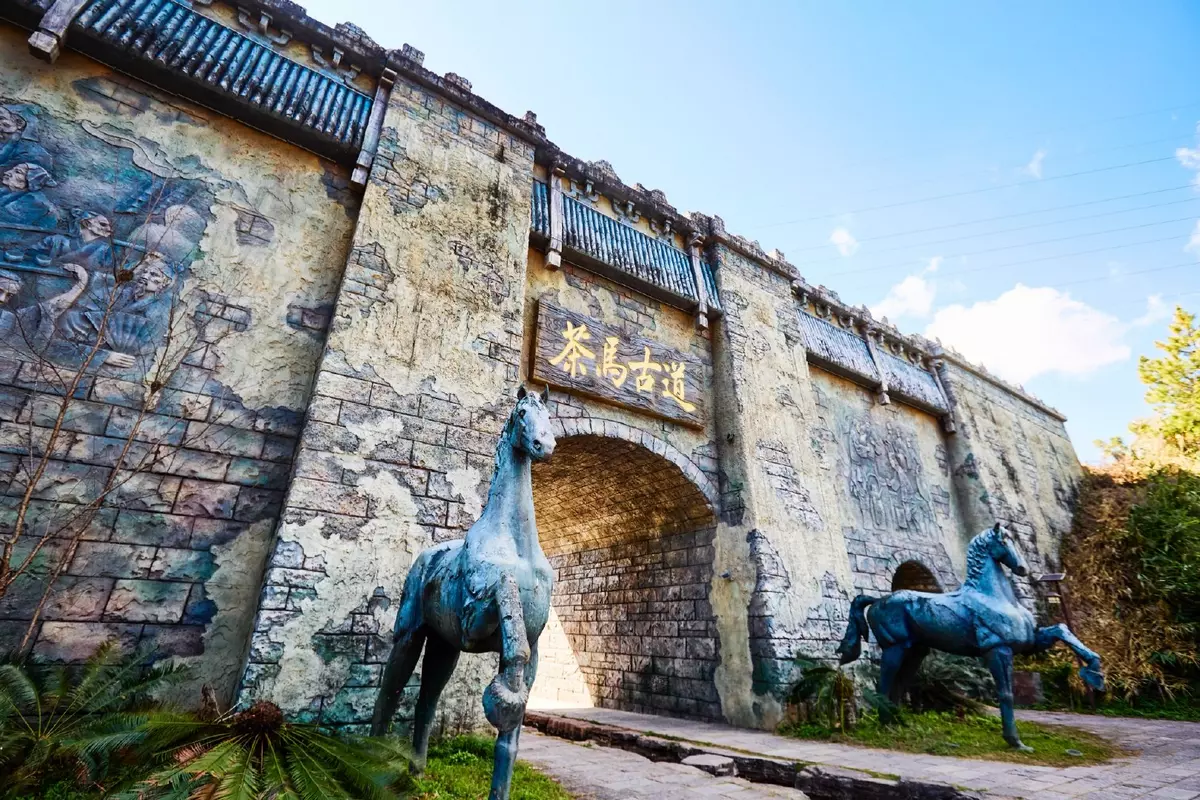
La Ruta del Té y los Caballos no era un solo camino fijo, sino una red de antiguas rutas comerciales que conectaban el suroeste de China con la Meseta Qinghai-Tíbet. Al igual que la Ruta de la Seda, era más que una ruta comercial; se convirtió en un corredor que conectaba civilizaciones. La Ruta del Té y los Caballos cruzaba las montañas, los valles y los pasos de gran altitud de Yunnan y Sichuan antes de extenderse hacia el oeste hasta el Tíbet y conectarse con redes comerciales más amplias a través de el Himalaya. El nombre «Ruta del Té y los Caballos» proviene del importante papel que el té y los caballos desempeñaron en esta red comercial.
A medida que el comercio se desarrolló, la Ruta del Té y los Caballos también se convirtió en una ruta importante para el intercambio de personas, culturas, religiones y formas de vida. Aunque los métodos tradicionales de transporte en caravana hace mucho que fueron reemplazados por carreteras y vehículos modernos, los pueblos antiguos, los senderos de montaña, las tradiciones del té y los sitios históricos en partes de Yunnan, Sichuan y el Tíbet aún conservan hoy vestigios de la Ruta del Té y los Caballos.
¿Por qué era el té tan importante para el Tíbet?
Para los tibetanos, el té ha sido durante mucho tiempo más que una simple bebida. Se convirtió en una parte esencial de la vida diaria y la cultura alimentaria en la meseta tibetana de gran altitud, donde el clima frío y seco no era adecuado para cultivar té. Como resultado, el té tenía que traerse desde las regiones productoras de té del suroeste de China, en particular Yunnan y Sichuan.
El té también se vinculó profundamente con la cultura alimentaria tibetana a través del té con mantequilla, tradicionalmente elaborado con té, mantequilla de yak y sal. Rico y reconfortante, el té con mantequilla se adapta bien al duro entorno de gran altitud. Tradicionalmente se ha disfrutado como bebida diaria y también como una forma de dar la bienvenida a los invitados.
La demanda sostenida de té ayudó a impulsar el comercio de larga distancia entre el Tíbet y el suroeste de China. El té se transportaba a través de escarpadas rutas de montaña hacia el Tíbet, mientras que los comerciantes movían caballos, sal, lana y otros productos en la dirección opuesta. Este intercambio de té y caballos, junto con muchos otros productos, se convirtió en una parte importante de la red comercial ahora conocida como la Ruta del Té y los Caballos.
Historia de la Ruta del Té y los Caballos
Dinastía Tang: El té y el comercio llegan a la meseta tibetana
Durante la Dinastía Tang, aumentó el contacto entre los imperios Tang y tibetano. El matrimonio de la Princesa Wencheng con Songtsen Gampo en el siglo VII se considera tradicionalmente un hito importante en estos intercambios. El té y otros productos llegaron gradualmente a la meseta tibetana, ayudando a sentar las bases para el posterior comercio de té y caballos.
Dinastía Song: El comercio de té y caballos se institucionaliza
A medida que aumentaba la demanda tanto de té como de caballos, la Dinastía Song estableció instituciones como la Oficina del Té y los Caballos para gestionar el comercio. El intercambio de té por caballos se convirtió gradualmente en una forma importante de comercio oficial.
Dinastías Ming y Qing: La red comercial se expande
El comercio de té y caballos continuó desarrollándose, fortaleciendo los vínculos comerciales entre Yunnan, Sichuan y el Tíbet. El té, los caballos, la sal, la tela, los productos medicinales, la lana y otros productos circulaban por una compleja red de rutas de montaña, mientras que la red comercial más amplia de la Ruta del Té y los Caballos seguía expandiéndose.
Época moderna: Las antiguas rutas pierden gradualmente su papel comercial
Con el desarrollo de las carreteras y el transporte modernos, el comercio tradicional en caravana disminuyó gradualmente. La Ruta del Té y los Caballos finalmente perdió su función comercial original, pero su significado histórico y cultural ha perdurado hasta hoy.
Las principales rutas de la Ruta del Té y los Caballos
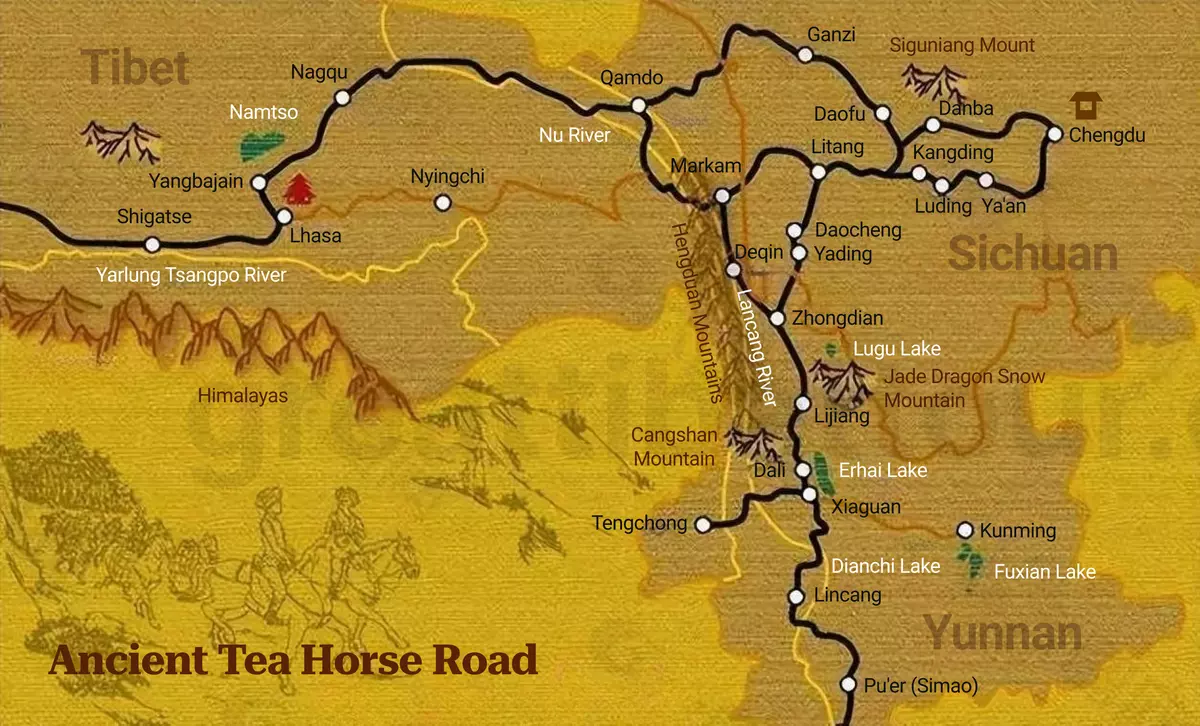
Estas rutas formaban una compleja red cuyos caminos variaban según la región y el período histórico. Entre las rutas más estrechamente asociadas con el Tíbet estaban la Ruta Yunnan-Tíbet, la Ruta Sichuan-Tíbet y la Ruta Qinghai-Tíbet, históricamente conectada con el Antiguo Camino Tang-Tíbet.
1. La Ruta Yunnan-Tíbet: De las regiones productoras de té de Yunnan al Tíbet
La Ruta Yunnan-Tíbet generalmente comenzaba alrededor de Pu'er y Dali en Yunnan y continuaba por Lijiang, Shangri-La y Deqin antes de cruzar las Montañas Hengduan hacia Mangkang en el Tíbet. Desde allí, las rutas continuaban hacia Qamdo y más adentro del Tíbet central. Hoy en día, los viajeros que entran al Tíbet desde Yunnan pueden seguir una ruta que corresponde en gran medida a este corredor comercial histórico, con Mangkang sirviendo como una conexión importante entre las rutas Yunnan-Tíbet y Sichuan-Tíbet.
La ruta conectaba importantes áreas productoras de té de Yunnan con la meseta tibetana y servía como uno de los canales importantes por los que el té llegaba al Tíbet. El comercio en caravana se convirtió en una característica distintiva de la ruta, con té, sal y otros productos transportados entre Yunnan y las áreas tibetanas.
2. La Ruta Sichuan-Tíbet: Una ruta comercial de montaña a través de las Montañas Hengduan
La Ruta Sichuan-Tíbet generalmente comenzaba en áreas tradicionales productoras de té como Ya'an en Sichuan antes de llegar a Kangding y continuar hacia las áreas tibetanas. Desde allí, diferentes rutas cruzaban las Montañas Hengduan a través de áreas como Ganzi, Dege, o por la ruta que pasa por Yajiang, Litang y Batang antes de llegar a Qamdo en el Tíbet. Hoy en día, los viajeros que entran al Tíbet desde Sichuan pueden seguir rutas que corresponden en gran medida a estos corredores comerciales históricos, continuando hacia el oeste por el Tíbet hacia Lhasa.
La Ruta Sichuan-Tíbet no era un solo camino fijo, sino una red de diferentes rutas de montaña. Sus numerosos pasos de montaña y rutas cambiantes la convertían en una conexión importante pero exigente entre Sichuan y la meseta tibetana. Los antiguos comerciantes y caravanas recorrían estas rutas para intercambiar té, caballos, sal y otros productos. A través del Tíbet, estas redes comerciales también estaban conectadas con rutas que se extendían hacia el sur de Asia.
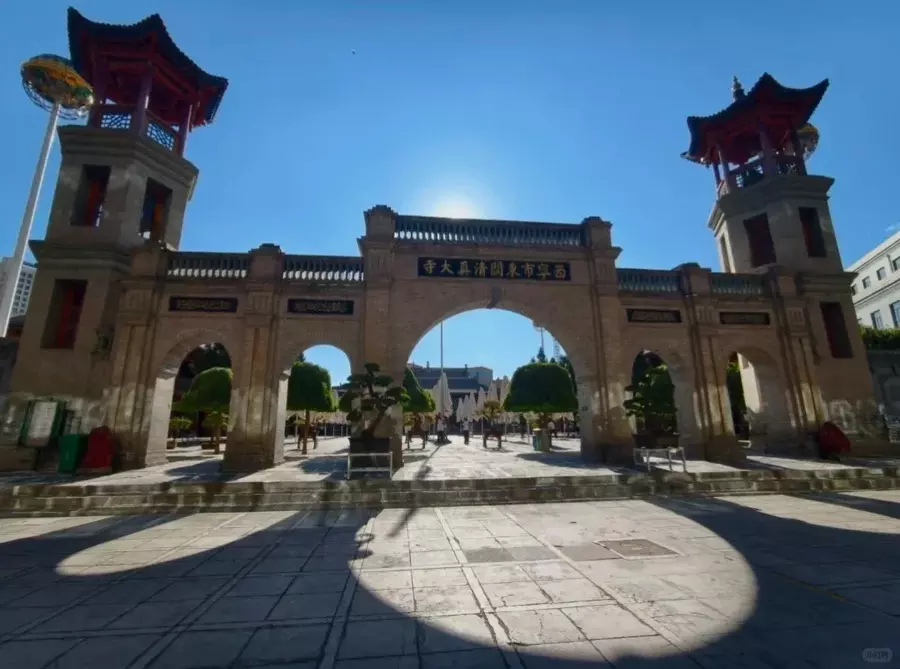
3. La Ruta Qinghai-Tíbet: Un antiguo vínculo entre China y el Tíbet
Las rutas Qinghai-Tíbet se extendían hacia el oeste desde el área de Xining a través de la meseta de Qinghai hacia el Tíbet y estaban históricamente conectadas con el Antiguo Camino Tang-Tíbet.
Las rutas Qinghai-Tíbet tenían un papel diferente al de las rutas Yunnan-Tíbet y Sichuan-Tíbet. En cambio, desempeñaron un papel importante en el movimiento de personas, mercancías e intercambio cultural entre las regiones de China y el Tíbet, y fueron una parte importante de la larga historia de interacción entre las comunidades chinas han y tibetanas.
La vida a lo largo de la Ruta del Té y los Caballos
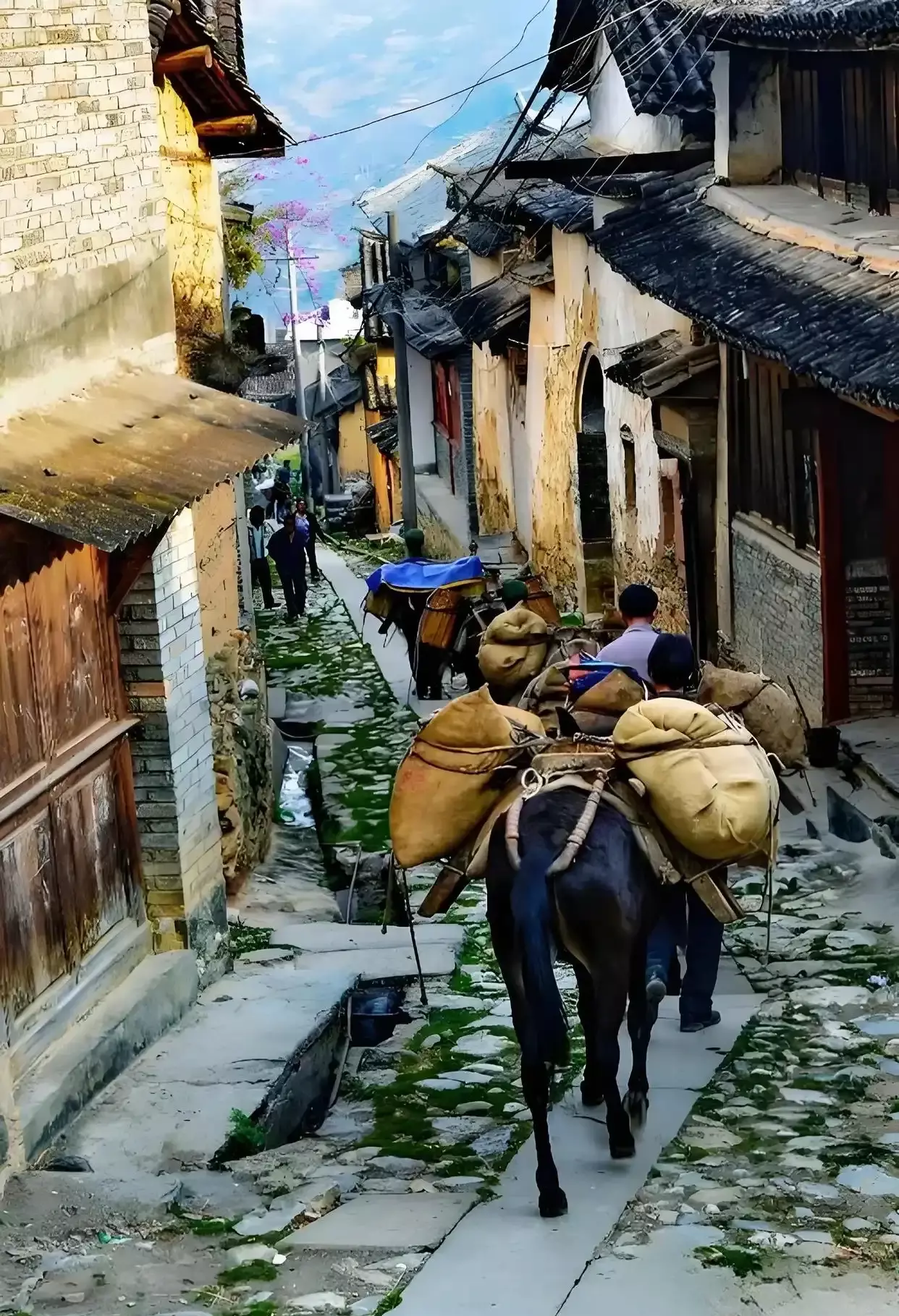
Durante siglos, las caravanas fueron el principal medio de transporte a lo largo de la Ruta del Té y los Caballos. Los comerciantes y arrieros viajaban con mulas, caballos y otros animales de carga por los valles de Yunnan, Sichuan y el Tíbet. El duro entorno natural hacía que los largos viajes fueran lentos y difíciles. En muchas zonas montañosas, las pendientes pronunciadas, los caminos estrechos y los ríos de corriente rápida dificultaban el transporte con ruedas, lo que hacía que los animales de carga fueran esenciales para mover mercancías.
Durante siglos, comerciantes, caravaneros, monjes y otros viajeros recorrieron estas rutas. A medida que las personas y las mercancías seguían moviéndose por la región, a lo largo del camino se desarrollaron gradualmente posadas de caravanas, estaciones de correos, pueblos comerciales y aldeas tradicionales. Estos lugares proporcionaban a los viajeros lugares para descansar, reabastecerse y comerciar, y también se convirtieron en puntos de encuentro para personas de diferentes regiones. El contacto prolongado entre Yunnan, Sichuan, el Tíbet y la región más amplia del Himalaya también trajo intercambios en idioma, tradiciones alimentarias, prácticas religiosas, estilos arquitectónicos y costumbres populares.
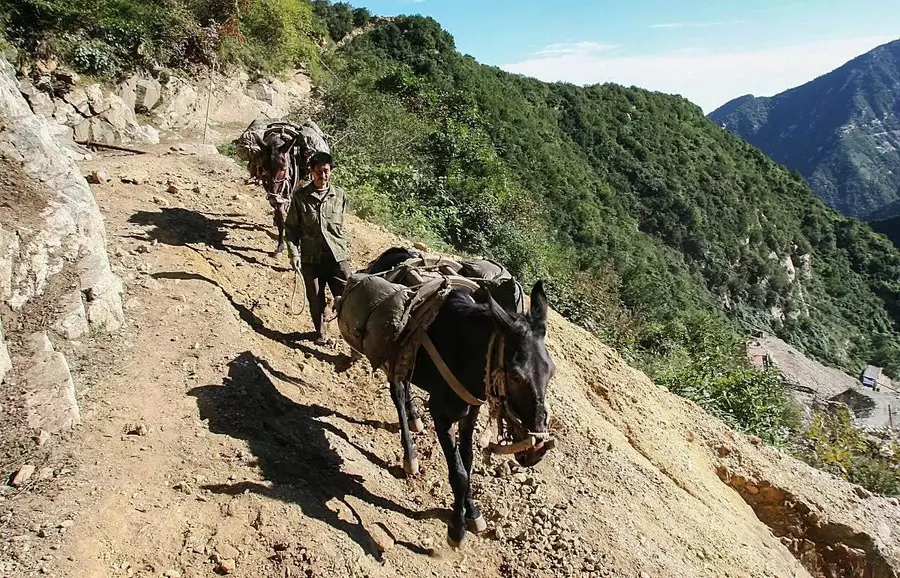
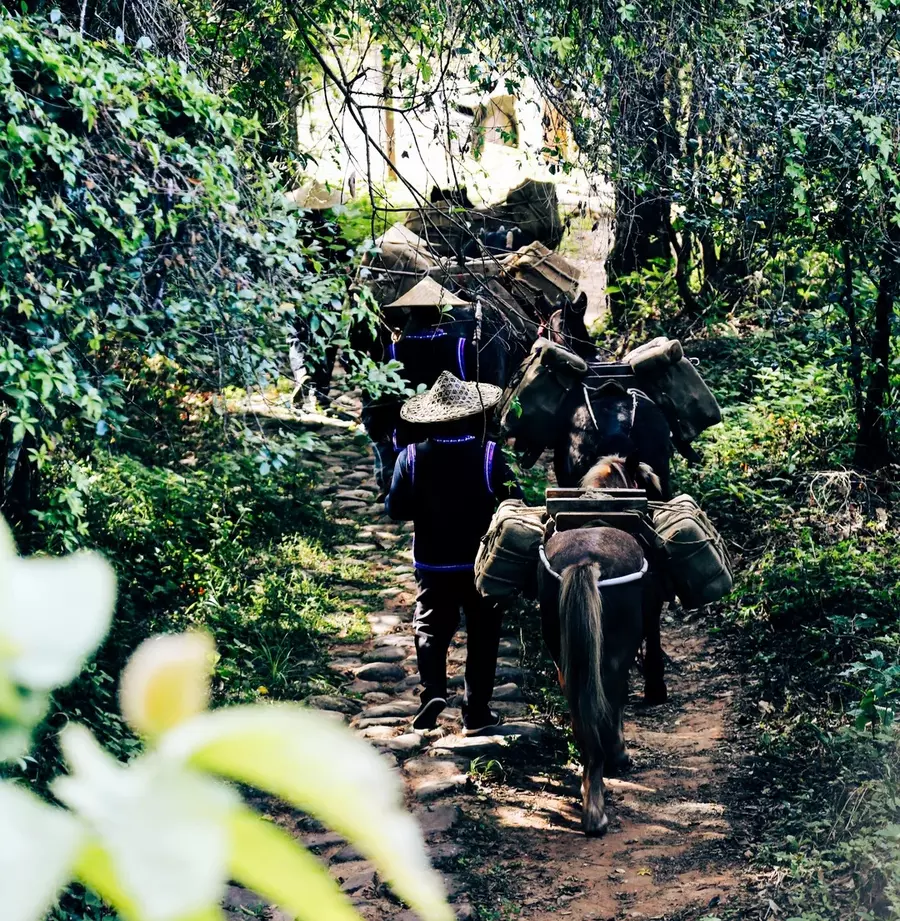
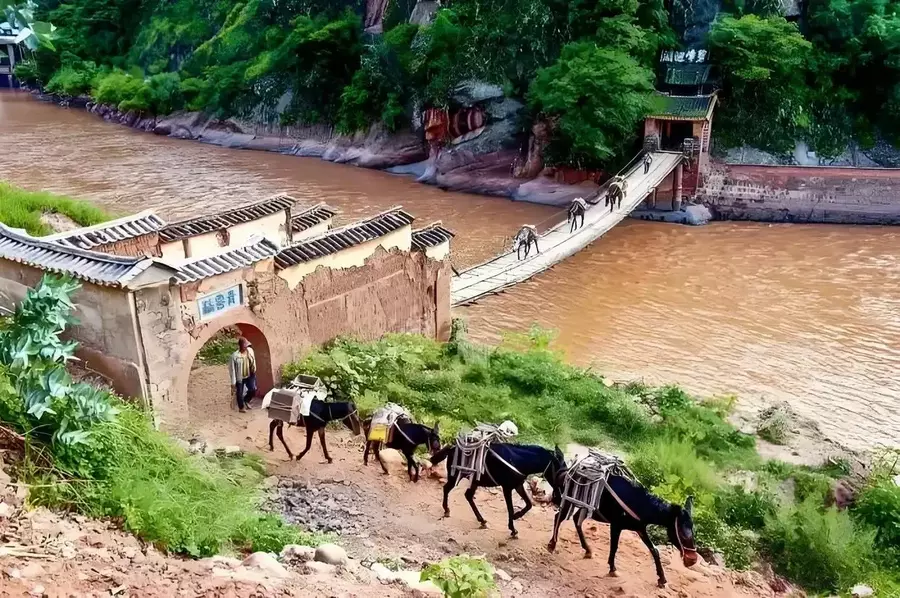
Hoy en día, los viajeros aún pueden ver antiguos caminos empedrados, antiguas posadas de caravanas, abrevaderos e edificios tradicionales en partes de Yunnan, Sichuan y el Tíbet. En algunos pueblos antiguos y sitios históricos, estos vestigios supervivientes de la Ruta del Té y los Caballos todavía muestran las rutas que una vez recorrieron comerciantes y caravanas a través de las montañas.
Pueblos y sitios históricos a lo largo de la Ruta del Té y los Caballos
Varios pueblos y sitios históricos aún conservan vestigios visibles de la Ruta del Té y los Caballos. Entre ellos se encuentran Shaxi, Nake Li, Shuhe, Lushi, Yanjing y Ya'an.
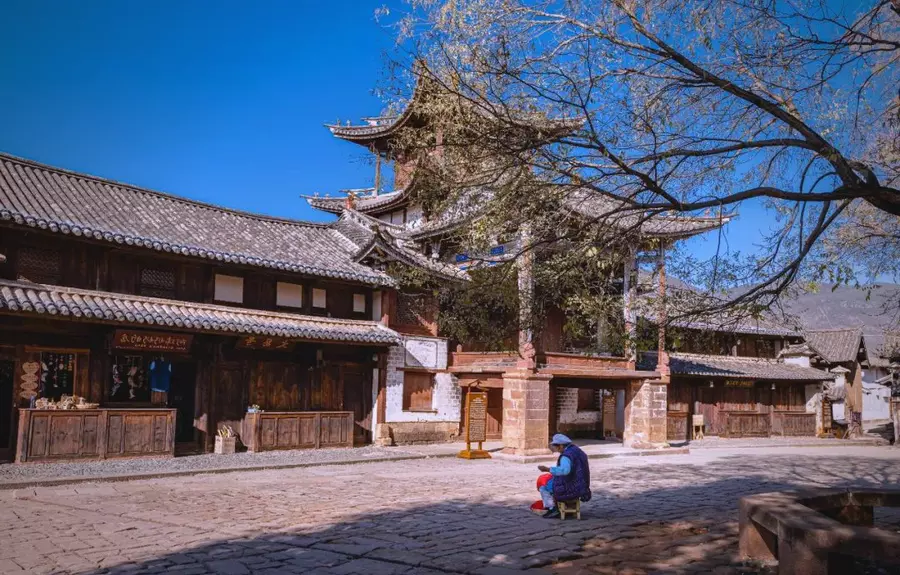
Pueblo antiguo de Shaxi, Dali, Yunnan
El Pueblo Antiguo de Shaxi conserva uno de los sitios de mercado históricos más conocidos a lo largo de la Ruta del Té y los Caballos. La Calle Sifang fue una vez el centro del comercio de caravanas, y sus antiguas calles empedradas, el Escenario Antiguo y el Templo Xingjiao aún conservan el carácter del antiguo pueblo comercial.
Los vestigios de la vida de las caravanas también se pueden encontrar en antiguas posadas de caballos, como el Patio de la Familia Zhao, que conserva sus antiguos establos y habitaciones para huéspedes. En el Puente Yujin, el antiguo empedrado y las inscripciones recuerdan aún más a las caravanas que una vez pasaron por el pueblo.
Pu'er, Yunnan
En Pu'er, dos lugares ofrecen diferentes formas de experimentar la antigua ruta: el Parque Patrimonial de la Ruta del Té y los Caballos y la antigua estación de caravanas de Nakeri. El parque patrimonial conserva secciones del antiguo camino empedrado, donde aún se pueden ver huellas del tránsito de caballos, así como exhibiciones relacionadas con el comercio de caravanas y la elaboración tradicional del té.
Nakeri, una estación importante en la antigua ruta, ofrece una mirada más íntima a la vida de las caravanas. Su camino empedrado conservado, la antigua Posada de Caballos Rongfa, los abrevaderos, los postes para atar caballos y el tradicional Puente del Viento y la Lluvia proporcionan recordatorios tangibles de las caravanas que una vez transportaron té de Pu'er por la región.
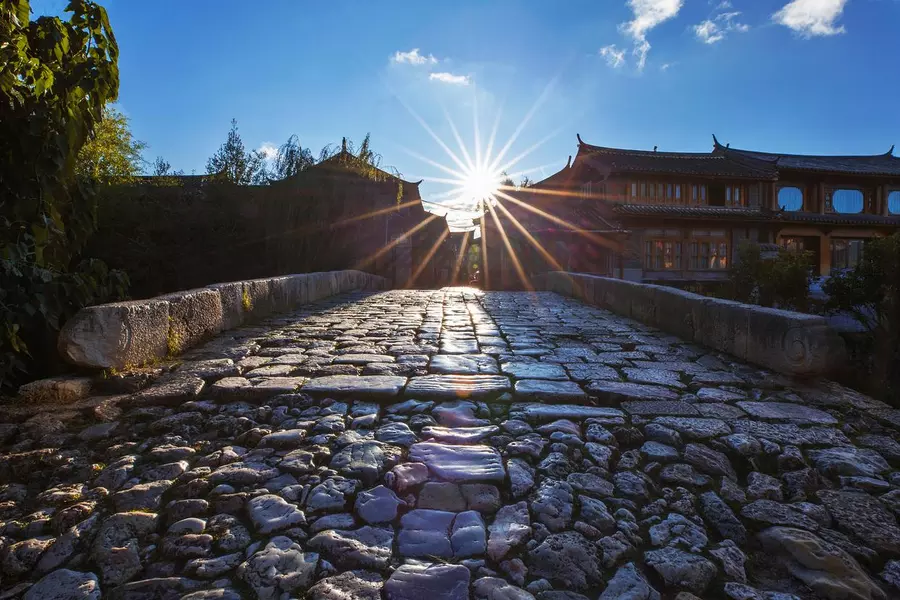
Pueblo antiguo de Shuhe, Lijiang, Yunnan
Aquí los visitantes pueden ver vestigios bien conservados de la Ruta del Té y los Caballos y la historia de las caravanas de caballos que una vez pasaron por el pueblo. Las antiguas calles empedradas alrededor del Puente Qinglong y la Calle Sifang aún conservan vestigios de la antigua ruta de caravanas. Construido durante la Dinastía Ming, el Puente Qinglong tiene una superficie de piedra notablemente plana que facilitaba el paso de las caravanas de caballos, mientras que la Calle Sifang fue una vez un centro para el intercambio y la distribución de mercancías. El Museo de la Ruta del Té y los Caballos ofrece más información sobre el comercio entre Yunnan y el Tíbet, mientras que los edificios tradicionales y los patios del pueblo ofrecen un vistazo a la vida de los comerciantes y los grupos de caravanas.
Pueblo antiguo de Lushi, Lincang, Yunnan
En el Pueblo Antiguo de Lushi, los visitantes aún pueden ver vestigios bien conservados de la Ruta del Té y los Caballos en sus antiguas calles y edificios tradicionales. Conocido como un pueblo importante en la sección de Yunnan de la Ruta del Té y los Caballos, Lushi conserva su histórico diseño de «tres calles, siete callejones y una plaza». La Calle de las Escaleras, de 266 metros de largo y con 62 escalones de piedra, es una de las partes más distintivas del pueblo, donde aún se pueden ver marcas de cascos de caballo en el pavimento de piedra. Los antiguos patios y edificios históricos también ofrecen un vistazo a la vida de los comerciantes de té y las caravanas de caballos que una vez pasaron por aquí.
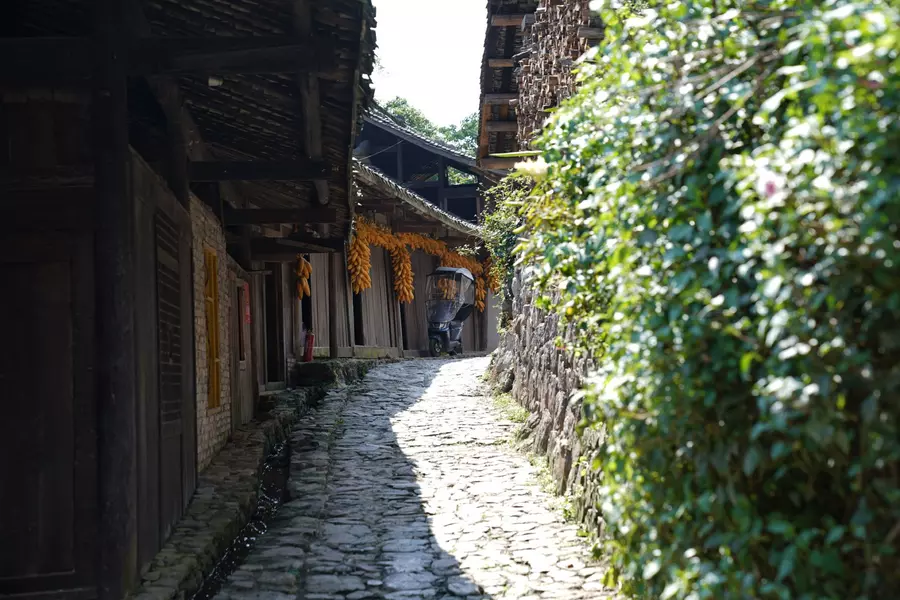
Ya'an Tianquan, Sichuan
Tianquan es particularmente interesante por sus vestigios de las personas que transportaban té a lo largo de la ruta. Los visitantes pueden ver rastros de la «cultura de los porteadores» a lo largo de la antigua Ruta del Té y los Caballos. En el Sitio de la Estación de la Ruta del Té y los Caballos de Ganxipo, una sección del antiguo camino empedrado conserva numerosos «agujeros para los bastones de los porteadores» tallados en las piedras, donde los porteadores de té una vez apoyaban sus bastones de caminar. Una pequeña exposición cercana también muestra objetos utilizados por los porteadores, ofreciendo una mirada más cercana a cómo se transportaba el té a través de las montañas.
Mangkang, Qamdo, Tíbet
Mangkang es más conocido por sus antiguos campos de sal a lo largo del río Lancang. Los campos de sal han conservado técnicas tradicionales de elaboración de sal hechas a mano durante siglos, con terrazas que se extienden a lo largo de ambas orillas del río. La tradición local de elaboración de sal estaba estrechamente conectada con la red comercial de la Ruta del Té y los Caballos, ya que la sal era uno de los productos importantes intercambiados a lo largo de estas rutas.
Experimentar la Ruta del Té y los Caballos
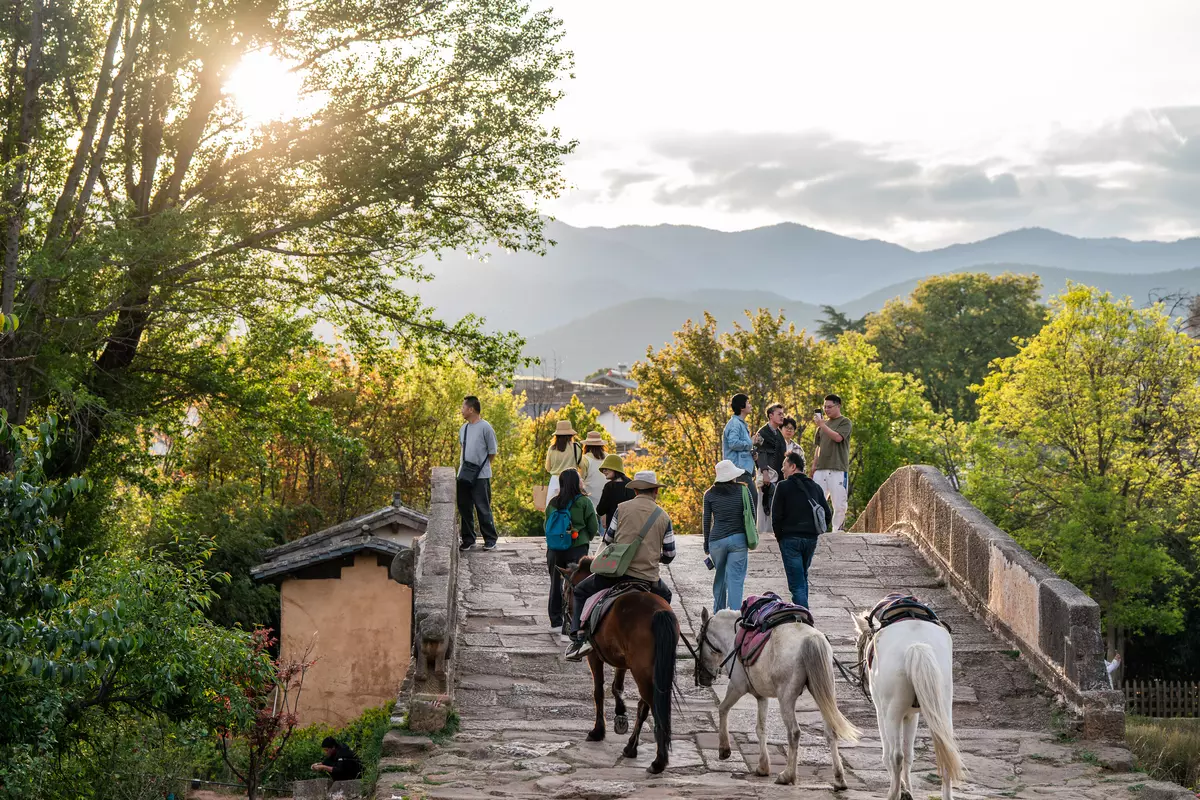
Aunque la Ruta del Té y los Caballos ya no cumple su propósito comercial original, sus rutas históricas y los sitios que aún se conservan todavía se pueden encontrar en el Tíbet y el suroeste de China. Para los viajeros de hoy, los pueblos antiguos, los viejos caminos y las aldeas de altura a lo largo de estas rutas ofrecen una manera de aprender más sobre la historia de esta antigua red comercial.
Por supuesto, los viajeros de hoy no necesitan pasar meses cruzando la meseta como las caravanas del pasado. Viajar a lo largo de estos corredores comerciales históricos ofrece otra forma de comprender las conexiones de larga data entre el Tíbet, Yunnan, Sichuan y la región más amplia del Himalaya.
Respuesta por correo dentro de 0.5 a 24 horas.