
Peregrinaje al Monte Kailash 2026
- Beatrice
- Última actualización : 30/12/2025
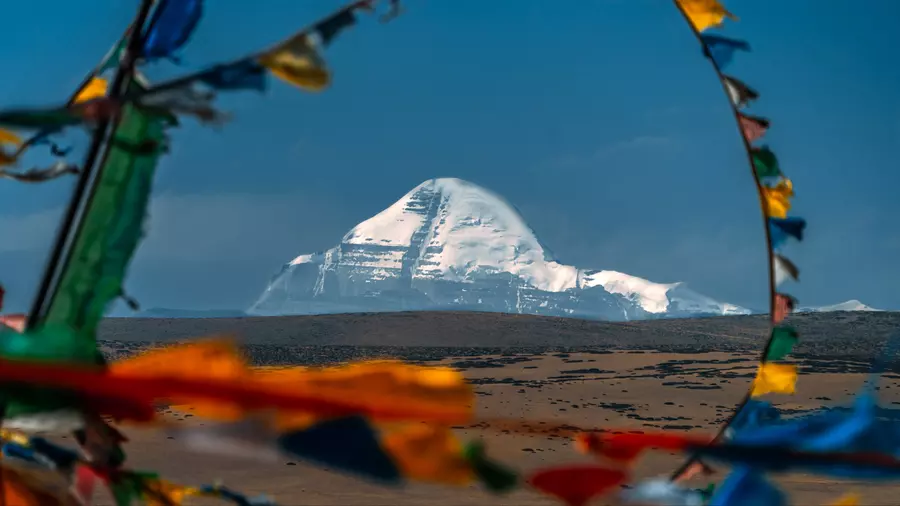
El año 2026 marca el Año del Caballo en el calendario tibetano. Para los peregrinos y viajeros que planean visitar el Monte Kailash, este es un momento raro y espiritualmente significativo. Tanto en la tradición del budismo tibetano como en la hindú, se dice que completar una kora (circunvalación) del Monte Kailash durante el Año del Caballo acumula trece veces más mérito que en un año normal. También se considera el año de nacimiento de Buda Shakyamuni y un tiempo en que las fuerzas divinas se reúnen en la montaña sagrada. Perder esta oportunidad significa esperar otros doce años, hasta 2038.
Para muchos, el Monte Kailash es más que una cumbre nevada; es un camino que debe recorrerse al menos una vez en la vida. Ya sea buscando bendiciones, gratitud, purificación espiritual o simplemente una conexión con el centro espiritual del mundo, visitarlo durante el Año del Caballo tiene un profundo significado.
Significado de la Peregrinación de 2026
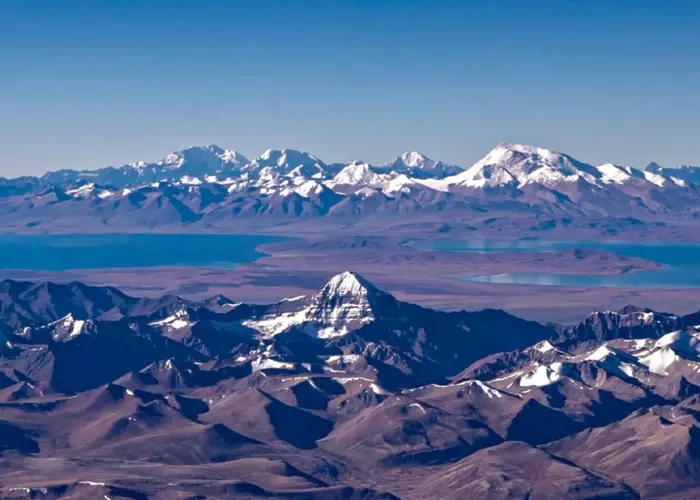
El año 2026 marca el Año Tibetano del Caballo y también se considera el año de nacimiento del propio Monte Kailash. En la tradición tibetana, completar una sola Parikrama (circunvalación) durante un año normal ya acumula un mérito profundo, pero durante el Año del Caballo, se cree que los beneficios espirituales equivalen a trece veces los de un año regular. El Monte Kailash es considerado una montaña sagrada por múltiples tradiciones religiosas y como el centro espiritual del mundo, donde se dice que se reúnen los dioses. Se cree que ríos como el Ganges, el Indo, el Sutlej y el Yarlung Tsangpo se originan en sus alrededores. Completar la Parikrama en este año auspicioso se considera que trae las bendiciones y protección de la montaña, limpia la mente, acumula buen karma y establece una conexión más profunda con las tradiciones sagradas, haciendo de la peregrinación un viaje profundo de purificación y elevación espiritual.
Desafíos de la Peregrinación de 2026
Aunque el Año del Caballo trae mayor mérito, también conlleva desafíos únicos. El número de peregrinos se multiplicará, creando presión en la infraestructura, alojamientos, suministros y seguridad.
Niveles Históricos de Multitud
Se espera que el número de peregrinos en 2026 alcance los 400,000–500,000. Incluirán tibetanos de las cinco grandes regiones tibetanas (Gannan, Qinghai, Sichuan, Yunnan, Tíbet), budistas tibetanos y peregrinos hindúes de India, Nepal, Bután y el extranjero. Aunque las autoridades limitan la entrada diaria a 2000 personas, la multitud real superará con creces esta cifra. Después de mediados de mayo, llegarán grandes grupos desde la India, haciendo que la ruta esté extremadamente concurrida.
Alojamiento Muy Limitado
El alojamiento alrededor del Monte Kailash será extremadamente escaso. El pueblo de Tarchen tiene solo 500–800 camas en total, con solo 2–3 hoteles de calidad, y algunos en construcción. El área del Monasterio Dirapuk tiene menos de 100 camas, e incluso así, los precios suben drásticamente en el Año del Caballo. Los peregrinos pueden tener dificultades para asegurar una cama, e incluso los espacios en el suelo del pasillo o los sitios para tiendas de campaña serán limitados.
Congestión en el Paso Drolma La
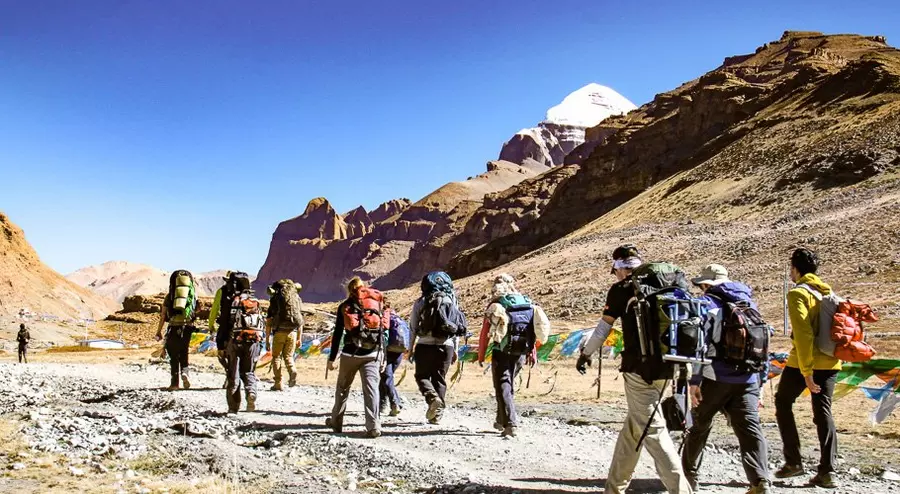
El Paso Drolma La, a 5650 m, es la sección más crítica de la Parikrama. Las multitudes en el Año del Caballo pueden formar largas filas. Las estancias prolongadas en altas altitudes aumentan el riesgo de mal de altura, hipotermia y agotamiento. El equipo adecuado y abrigo suficiente son esenciales.
Posibilidad de Completar la Ruta Completa en un Día
Los que se registren tarde o no puedan asegurar alojamiento pueden necesitar completar la peregrinación de 52 km en un solo día, una prueba significativa de resistencia, adaptación a la altitud y resiliencia mental.
Mejor Época para la Peregrinación a Kailash
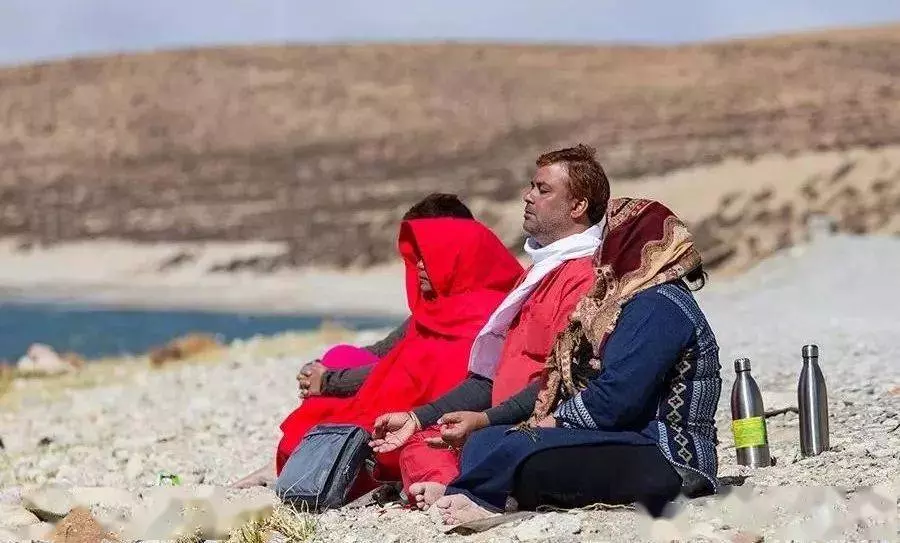
Los meses ideales para el Monte Kailash son de mayo a octubre, cuando el clima es estable, las temperaturas son moderadas, la nieve se ha derretido y la ruta es accesible. Independientemente de la temporada, planifica con anticipación y lleva protección solar, ropa abrigada y cremas hidratantes para manejar las condiciones de gran altitud.
Primavera (Abr–May)
El aire es fresco, la visibilidad excelente, ideal para fotografía y meditación. Menos visitantes permiten una experiencia más tranquila. Las temperaturas diurnas son generalmente de 5°C–15°C (noche 0°C a –7°C).
Verano (Jun–Ago)
La temporada más cálida tiene más oxígeno. La lluvia nocturna rara vez afecta el viaje. Época punta para el Año del Caballo; espera grandes multitudes. Las temperaturas diurnas rondan los 6°C–20°C (noche 0°C a –5°C).
Otoño (Sep–Oct)
Clima estable, cielos despejados y paisajes espectaculares. Ideal para trekking y fotografía. Las temperaturas diurnas oscilan entre 5°C–25°C (noche 0°C a –5°C).
Consejos:
Los grupos de peregrinos indios comienzan a llegar a mediados de mayo. Para evitar multitudes, considera mayo, septiembre u octubre. El Festival Saga Dawa el 31 de mayo es un punto culminante, pero los 10–15 días circundantes están extremadamente concurridos. Aquellos menos interesados en las actividades del festival pueden preferir viajar fuera de temporada para una experiencia más cómoda.
Resumen de las Rutas de Peregrinación
La circunvalación del Monte Kailash es tanto un viaje espiritual como un trekking desafiante. Hay varios itinerarios disponibles para viajeros internacionales, ya sea comenzando desde Lhasa o Kathmandu. Los grupos independientes pueden ajustarse según la condición física y la aclimatación a la altitud, con un apoyo flexible de la agencia de viajes.
12 Días Lhasa–Shigatse–Everest–Kailash–Kathmandu
Comienza en Lhasa, visitando el Palacio Potala, el Templo Jokhang y otros lugares culturales destacados. Conduce hacia la región occidental del Tíbet, Ngari, vía Shigatse y Tingri, pasando por el Lago Yamdrok y el Monte Everest. La peregrinación de tres días al Monte Kailash comienza desde Darchen a ~4700 m. Después de completarla, continúa hacia la frontera de Gyirong para el regreso a Kathmandu.
√ Tour en Grupo 12D Lhasa EBC Kailash Kathmandu
15 Días Lhasa–Shigatse–Everest–Kailash
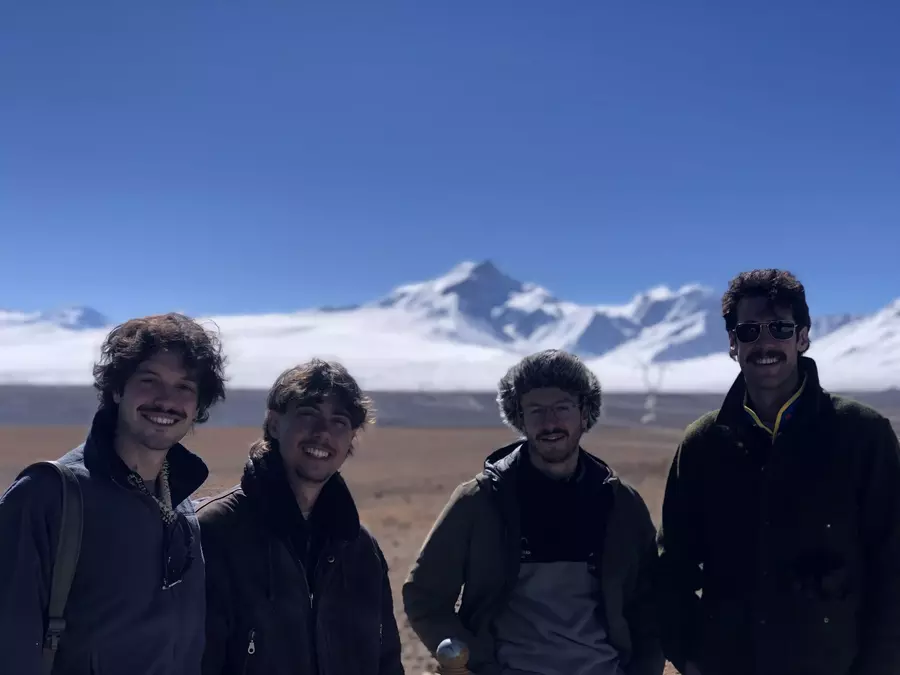
Para viajeros con más tiempo que planean terminar en Lhasa. Incluye las peregrinaciones al Everest y Kailash, monasterios budistas tibetanos y actividades culturales. Hacer trekking en la Parikrama permite vistas de cerca de picos nevados, lagos y paisajes de meseta.
√ Tour en Grupo 15D Lhasa EBC Kailash Lhasa
14 Días Kathmandu–Kailash–Kathmandu
Lo mejor para aquellos enfocados únicamente en el Monte Kailash. Salida desde Kathmandu, cruce de la frontera de Gyirong hacia la región de Saga en el Tíbet, pasando por el Lago Peiku y el Himalaya. Completa la Parikrama de tres días en Kailash y el Lago Manasarovar antes de regresar a Kathmandu. Esta ruta es particularmente para peregrinos indios.
√ Tour en Grupo 14D Kathmandu Kailash Kathmandu
Permisos de Viaje y Requisitos Fronterizos
Viajar al Monte Kailash requiere obtener los permisos necesarios para el Tíbet. Y los permisos relacionados para el Tíbet generalmente se tramitan con tu visa china, según tu entrada al Tíbet.
Permisos de Viaje
Los viajeros extranjeros deben usar agencias de viajes locales calificadas para manejar todos los permisos y garantizar una entrada fluida y la finalización de la Parikrama. Los permisos requeridos incluyen:
Estos se revisan antes de abordar vuelos o trenes, y en hoteles o atracciones principales. Envía escaneos de tu pasaporte y visa china a la agencia de viajes al menos 22 días antes de la salida.
- Para entrada por tierra desde Kathmandu, es suficiente una copia de tu permiso.
- Para trenes desde China continental a Lhasa, es suficiente una copia de tu permiso.
- Para vuelos: se requiere el permiso original. Si vuelas desde China continental a Lhasa, lleva tu permiso original para el Tíbet antes de abordar el vuelo. Si partes desde Kathmandu hacia Lhasa, tu guía tendrá tu permiso original en el Aeropuerto Gonggar de Lhasa para ayudarte a pasar la aduana.
Visa China o Visa de Grupo
Si llegas al Monte Kailash a través de China continental, necesitas solicitar una visa china con antelación. Una visa china válida requiere 3–4 semanas para procesarse. Algunos países califican para exención de visa china, por lo que solo se necesita un escaneo del pasaporte para el Permiso del Tíbet. >> Consulta más sobre la exención de visa china
Si llegas al Monte Kailash a través de Nepal, necesitas solicitar una visa de grupo para China. Una visa de grupo requiere al menos cinco personas y una invitación de la Oficina de Turismo del Tíbet. El procesamiento puede superar los tres días hábiles en 2026. Se recomienda encarecidamente solicitar con anticipación para evitar retrasos en Nepal.
Nota: Para turistas que disfrutan de entrada sin visa a China, también pueden estar exentos de la visa de grupo china.
Notas Especiales para Peregrinos Indios
Los peregrinos indios generalmente necesitan 45+ días para obtener permisos y visas de grupo; planifica con mucha antelación.
- Debe enviarse una copia escaneada del pasaporte con al menos 1.5 meses de antelación.
- El pasaporte indio original debe enviarse a la Oficina de Delhi con al menos 10 días de antelación para el procesamiento de la visa de grupo.
- Los NRI (Indios No Residentes) que viajen al Monte Kailash aún deben ir a la India para solicitar una visa de grupo china. El tiempo de procesamiento suele ser de unos 7 días.
Guía de Presupuesto y Gastos
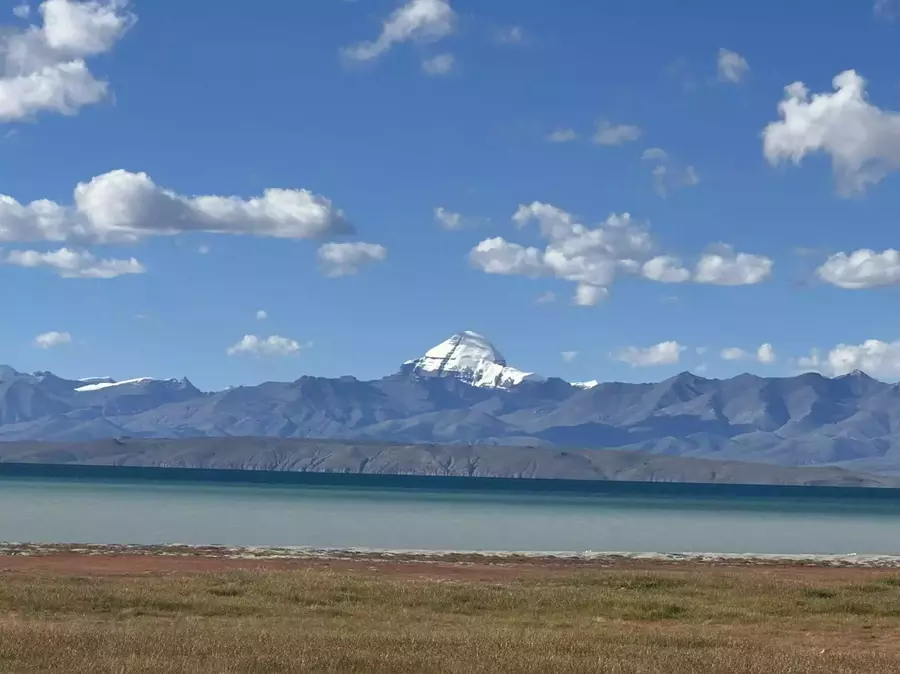
Con la llegada del Año del Caballo en 2026, se espera que el costo de una peregrinación al Monte Kailash aumente significativamente, especialmente en alojamiento y transporte. Comprender los gastos de antemano puede ayudarte a planificar tu presupuesto y tomar decisiones de viaje informadas.
- El alojamiento alrededor del Monte Kailash y sus puntos de entrada circundantes, como las fronteras de Gyirong, Zhangmu o Purang, es generalmente limitado, por lo que los arreglos anticipados son especialmente importantes. En la región de Ngari, los precios de los hoteles a menudo suben 2–3 veces durante la temporada alta, y las casas de huéspedes a lo largo de la ruta de la Parikrama generalmente operan por orden de llegada sin reservas garantizadas. Para asegurar una estancia más cómoda, es aconsejable llevar tu propio saco de dormir o elegir una agencia de viajes que proporcione sacos de dormir, como GREAT TIBET TOUR.
- Tarifas de Guía: Debido a la alta demanda, se espera que las tarifas de los guías para la Parikrama de Kailash sean al menos el doble de la tarifa normal, y los guías serán especialmente escasos durante la temporada alta del Año del Caballo.
- Costos de Vehículo: Se espera que las tarifas de alquiler de vehículos aumenten entre un 20–30% debido a la mayor demanda. Se recomienda reservar con anticipación para asegurar tu transporte y evitar escaseces de última hora o aumentos de precios.
- Servicios de Yak, Caballo y Porteadores: Para viajar ligero, puedes dejar tu equipaje en el vehículo y llevar solo lo esencial, ahorrando en tarifas de yak, caballo o porteadores. Precios de referencia: caballo $80/día, arriero $60/día; yak $60/día, porteador $50/día. Se espera que los precios en 2026 suban significativamente.
- Unirse a un Grupo vs. Tour Privado: Los grupos pequeños (5 personas o menos) pueden ahorrar costos uniéndose a un tour compartido. Para grupos más grandes, organizar un tour privado permite dividir los gastos de manera más razonable.
Preparación y Consejos de Viaje
Una vez que tu presupuesto esté claro, el siguiente paso es prepararte a fondo para este viaje sagrado y desafiante. Una preparación adecuada garantiza una experiencia de Parikrama de Kailash más segura, fluida y cómoda.
- Reserva Anticipada y Aseguramiento de Recursos: El Año del Caballo 2026 será la temporada de peregrinación más concurrida en el Monte Kailash, con alta demanda de alojamiento, vehículos y guías. Se recomienda encarecidamente reservar con 6–10 meses de antelación para asegurar tu itinerario.
- Elegir una Agencia de Viajes Confiable: Las rutas en el Tíbet y Ali son largas, de gran altitud y sujetas a climas impredecibles, requiriendo múltiples permisos. Las agencias con experiencia pueden manejar todos los permisos, planificar horarios adecuados de aclimatación, organizar planes de contingencia y asegurar que los recursos estén disponibles durante la temporada alta.
- Preparación Física y Adaptación a la Altura: Al llegar a Lhasa, tómalo con calma, evita la actividad extenuante, bebe mucha agua y descansa adecuadamente. Los síntomas comunes del mal de altura incluyen dolores de cabeza, insomnio, latidos cardíacos rápidos, náuseas leves o molestias en el pecho. En casos graves, desciende al menos 300 metros inmediatamente. El entrenamiento físico previo al viaje, como senderismo o trote, puede fortalecer la resistencia cardiovascular y mejorar la tolerancia a la altitud.
- Preparación de Medicamentos y Equipo: Para la preparación de medicamentos, se recomienda llevar prevención para el mal de altura como Rhodiola, junto con analgésicos, medicamentos gastrointestinales, medicamentos para el resfriado, vendas, desinfectantes básicos y oxígeno portátil (que se puede comprar en Lhasa). Para ropa y equipo, lleva una chaqueta polar, chaqueta de plumón, chaqueta impermeable, botas de senderismo, guantes, gorro abrigado, gafas de sol, protector solar, bálsamo labial, botella de agua, mochila ligera y bastones de trekking si es necesario. Las temperaturas en altura fluctúan ampliamente, y las noches pueden acercarse a la congelación incluso en verano, por lo que la ropa abrigada es esencial.
Permítenos Ayudarte a Planificar tu Viaje a Kailash
Como una agencia de viajes local en el Tíbet recomendada por Lonely Planet y galardonada con el Premio Elección de Viajeros de Tripadvisor 2025, GREAT TIBET TOUR proporciona apoyo profesional y confiable para tu peregrinación a Kailash. Nuestros consultores de viajes adaptarán tu itinerario y arreglos según tus necesidades, asegurando un viaje fluido y sin preocupaciones. ¡No dudes en contactarnos en cualquier momento!
Respuesta por correo dentro de 0.5 a 24 horas.