Great Tibet Tour Logo 大西藏旅遊 ®

Tibet Tours from Singapore

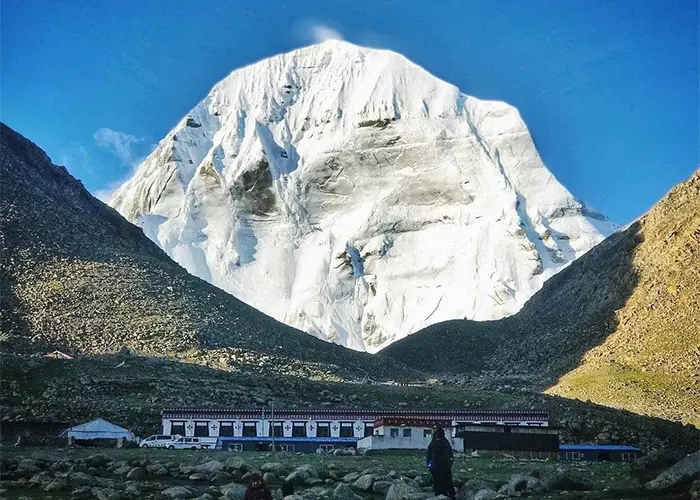
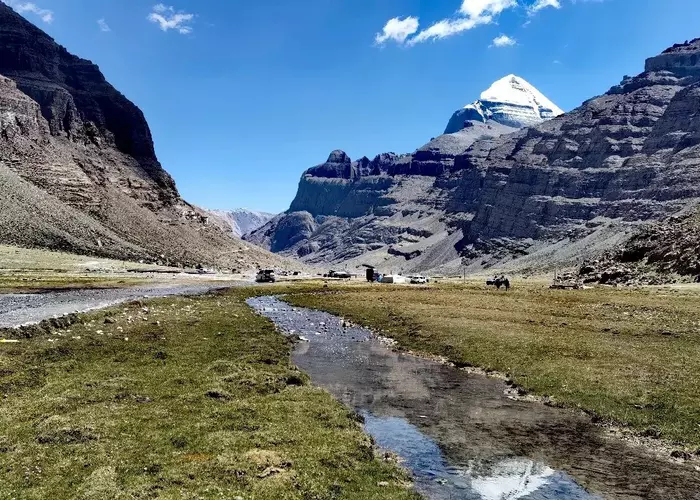
For travelers from Singapore, Tibet is a sacred highland far removed from the fast pace of city life — a place of vast landscapes and deep cultural heritage. From the grandeur of the Potala Palace and the lively atmosphere of Barkhor Street to the turquoise serenity of Yamdrok Lake and the awe of standing beneath Mount Everest, every moment feels extraordinary. For those seeking inner peace and spiritual strength, the distant and sacred Mount Kailash adds an even deeper meaning to the journey. 

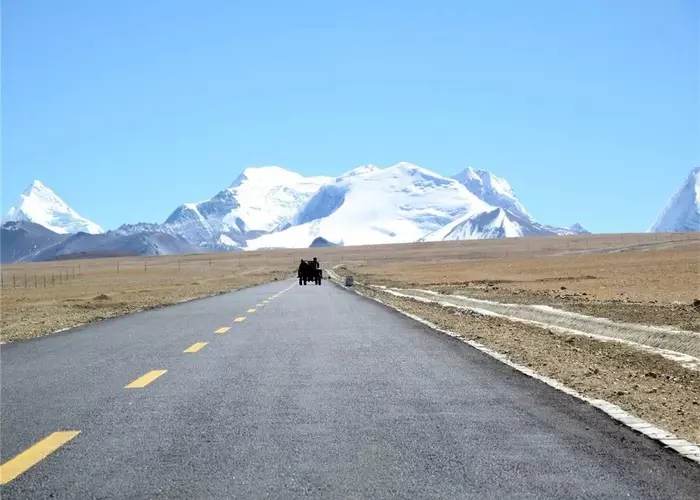
Singaporean travelers often value experience, comfort, and a well-balanced pace, and Tibet offers exactly that. Its pure natural environment, rich cultural atmosphere, and unique sense of tranquility provide an experience completely different from daily life — from peaceful monasteries to majestic snow-capped peaks, from meaningful cultural encounters to relaxed high-altitude photography. Every step leaves a lasting impression. 

To ensure a smooth journey, we offer comprehensive and thoughtful one-stop services, including Tibet Travel Permit arrangements, flight connection suggestions, carefully selected hotels, experienced Tibetan guides, and well-planned acclimatization schedules. With our support, every part of your journey from Singapore to Tibet becomes effortless and worry-free. Below are some of the most popular Tibet itineraries among Singaporean travelers, helping you begin an unforgettable adventure on the plateau.

Frequently Asked Questions

When is the best time to travel to Tibet?

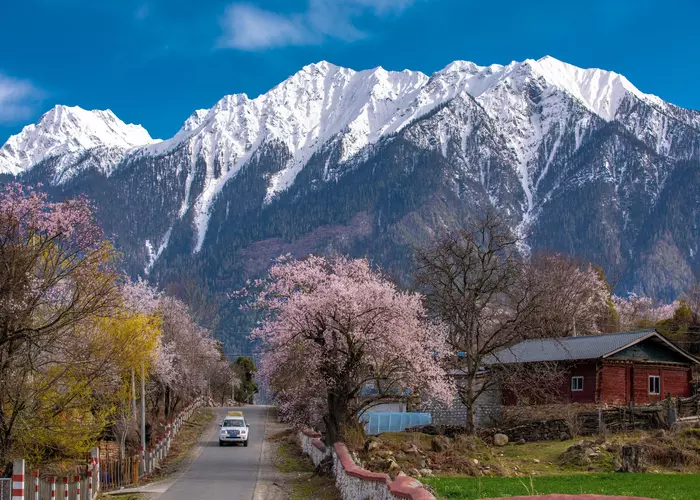
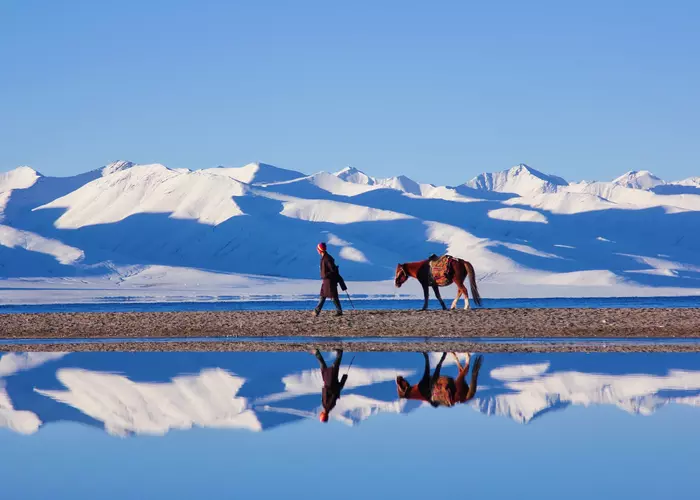
The best time to travel to Tibet is generally from May to October, when the weather is pleasant, roads are accessible, and the scenery is at its best. However, each season in Tibet has its own highlights. Spring is perfect for viewing peach blossoms in Nyingchi, with fresh and charming landscapes. Summer is warmer with higher oxygen levels, making it ideal for visiting high-altitude areas such as Everest Base Camp or Namtso Lake. Autumn offers crystal-clear skies and excellent visibility, making it the best season for photographing snow-capped mountains or exploring the remote Ngari region, such as Mount Kailash and Lake Manasarovar. Winter is colder, but with fewer tourists, it’s more suitable for enjoying the authentic Tibetan lifestyle in Lhasa and the surrounding monasteries.

All foreign visitors, including Singaporean citizens, must obtain a Tibet Travel Permit (TTP) to enter Tibet. If your itinerary includes remote or border areas—such as the Ngari region around Mount Kailash—additional permits may be required, including the Alien’s Travel Permit and the Military Permit. These permits cannot be applied for individually; your Tibet travel agency will arrange everything according to your itinerary.

Documents required for a TTP

  • A color copy or scanned copy of your passport’s information page
  • A valid Chinese visa or group visa (if applicable)
  • Basic travel details, including your entry date, entry city, mode of transportation, and occupation

Special note

Under the China–Singapore visa-exemption policy, Singaporean citizens may enter China without a visa and stay for up to 30 days. If your stay is within this limit, you do not need a Chinese visa. Your travel agency can apply for the Tibet Travel Permit directly using your passport information.

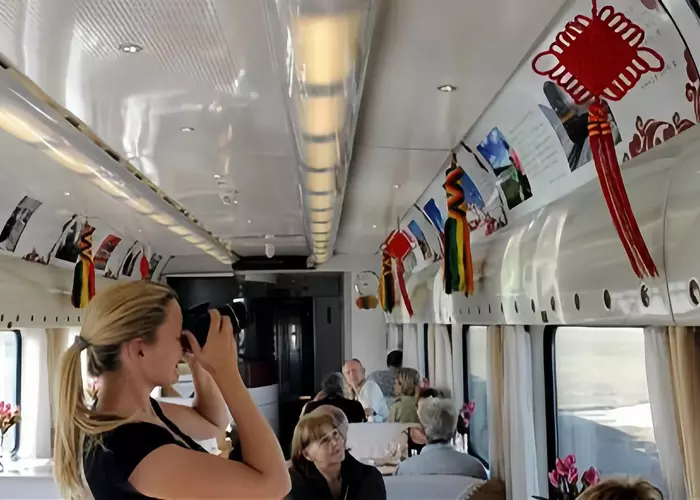
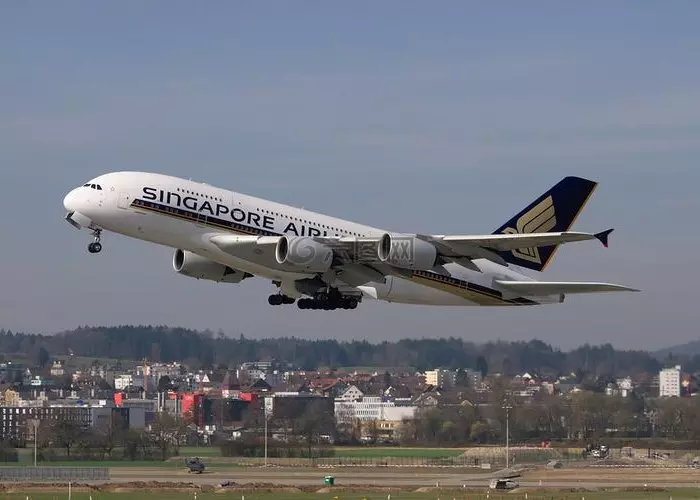
It is recommended to depart from Singapore Changi Airport (SIN) and fly to a major city in mainland China, such as Chengdu, Chongqing, or Beijing. And then take a connecting flight or train to Lhasa. Although there are three weekly flights from Changi to Lhasa via Chongqing, they depart very early in the morning, so relatively few travelers choose this option.

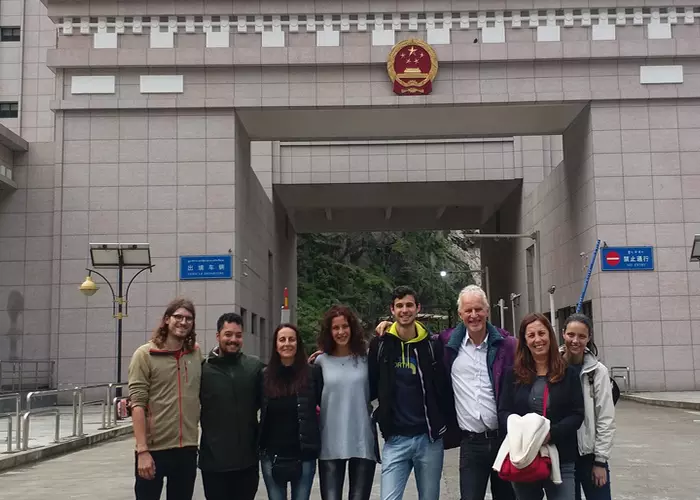
Alternatively, you can fly to Tribhuvan International Airport (KTM), Nepal, and then enter Tibet by plane or overland transport. The route can be flexibly chosen based on your itinerary and departure time.

Tibet is at a high altitude, with most areas above 3,000 meters. Upon first arrival, you may experience symptoms such as headache, fatigue, insomnia, and loss of appetite. To reduce discomfort, it is recommended to follow these guidelines.

  • Rest and acclimate gradually: After arriving in Lhasa, it is best to rest in your hotel for 1–2 days and avoid strenuous activities, allowing your body to adjust to the high altitude.
  • Stay hydrated and eat properly: Drink plenty of water, reduce alcohol and caffeine intake, and avoid smoking. Eat easily digestible, high-calorie, and high-protein foods, and avoid greasy or raw/cold meals.
  • Move slowly: Maintain a slow pace when hiking or walking long distances to avoid overexertion.
  • Use oxygen if necessary: Tours typically provide oxygen in vehicles. Use it if you experience noticeable discomfort.
  • Medication assistance: Under a doctor’s guidance, medications such as acetazolamide (Diamox) can help the body adapt to high altitudes.

⚠️ Visitors with severe colds, high fever, heart or lung conditions, or high blood pressure are advised to consult a doctor before traveling to high-altitude areas. Most travelers can gradually acclimate after resting in Lhasa for 1–2 days and continue to visit other attractions comfortably.

Request a customized itinerary today and get one step closer to your dream trip

Create Your Trip