Great Tibet Tour Logo 大西藏旅游 ®

Xinduqiao

Xinduqiao

Xinduqiao is located in Kangding City, Garze Prefecture, Sichuan Province, at an altitude of about 3,300 meters. Situated west of Zheduo Mountain along the Sichuan–Tibet Highway, it serves as an important gateway to the Western Sichuan Plateau. The town lies at a crossroads connecting Kangding, Tagong, Danba, and Litang, making it a key stop for travelers exploring western Sichuan and beyond.

Why is Xinduqiao Worth Visiting?

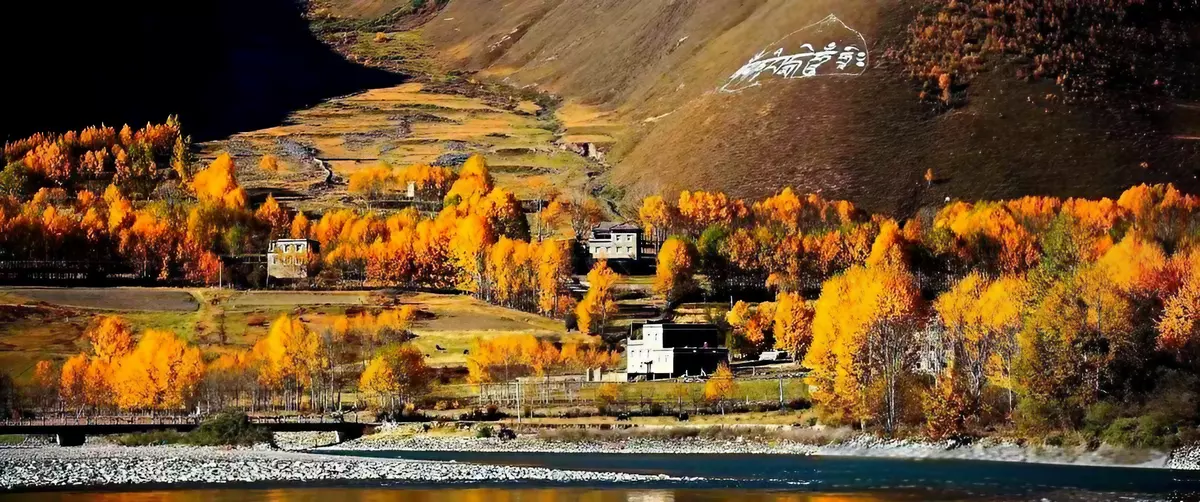
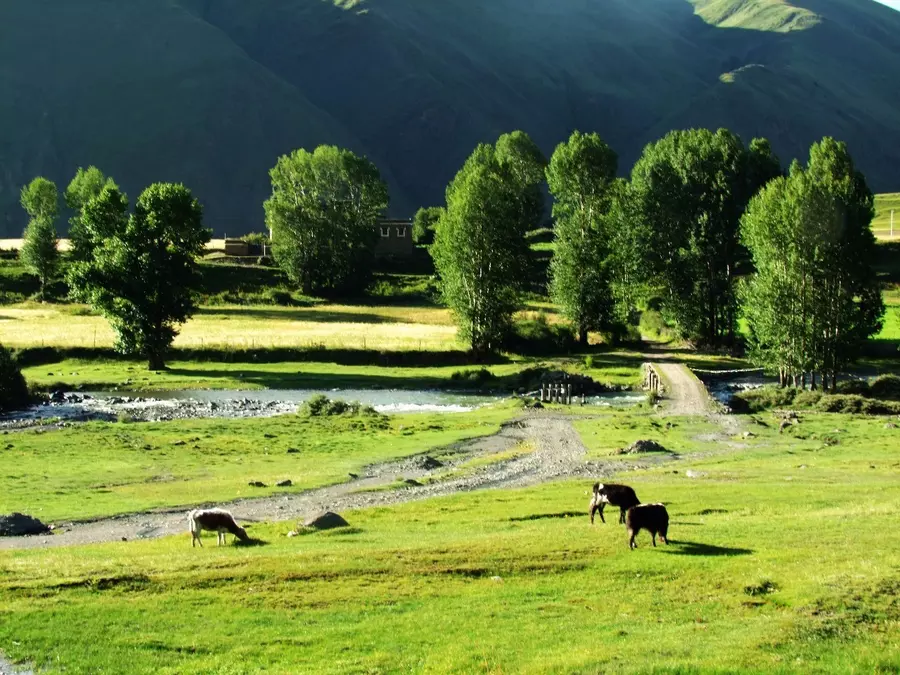
Xinduqiao, often called "China's Photography Paradise," is not a single attraction but a scenic corridor stretching across river valleys, grasslands, and Tibetan villages, framed by distant snow-capped mountains. Its open landscapes and changing light make it ideal for photography. In summer, the meadows are green and wildflowers are in full bloom, as well as Barley fields, cattle, and sheep form a vibrant picture of the plateau; in autumn, cypress forests and grasslands are dyed golden, with distinct layers and rich colors under the morning and evening sunlight, particularly charming. Whether it is green in summer or golden in autumn, Xinduqiao attracts travelers with its pure and rich plateau landscape.

Xinduqiao

Xinduqiao Facts

  • Location: West of Zheduo Mountain in Kangding, along the Sichuan–Tibet Highway
  • Opening time: All day
  • Entrance fee: Free
  • Time needed: 3-4 hours
  • Ideal for: Nature enthusiasts, photographers, hikers, and cultural explorers

What to See and Do in Xinduqiao

Ten-mile Gallery - Journey to the world of light and shadow

Ten-mile Gallery is the most iconic scenic stretch in Xinduqiao. Extending along the highway, it features rows of golden poplar trees, winding streams, traditional Tibetan houses, and expansive grasslands on both sides of the road. As sunlight shifts throughout the day, the landscape reveals rich layers and striking contrasts of color.

Yuzixi Observation Deck

Yuzixi Observation Deck – overlooking Gonggar and Yala Snow Mountains

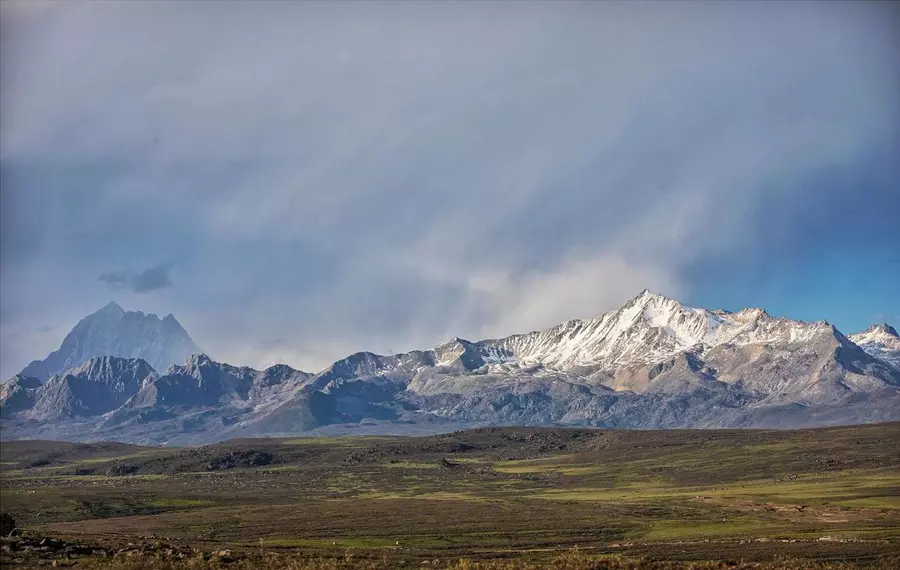
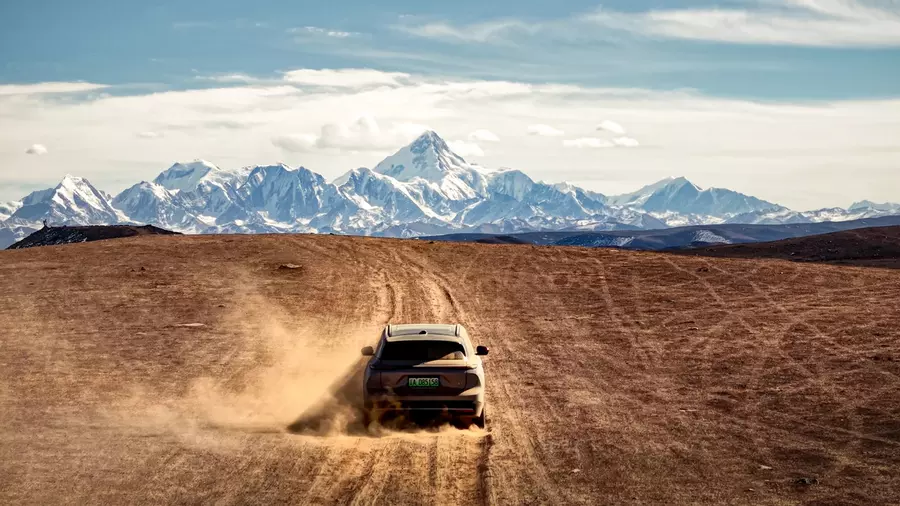
Located at an elevation of about 4,200 meters, Yuzixi is one of the best viewpoints near Xinduqiao. From this high vantage point, visitors can enjoy sweeping views of Mount Gongga and Mount Yala, two of the most iconic snow-capped peaks in western Sichuan. At sunset, the mountains often glow in golden light, creating the breathtaking spectacle known as “Golden Mountain in the Sun.” Thanks to its high altitude and open terrain, Yuzixi is also an excellent spot for stargazing.

Jiagenba Valley – Tibetan Villages and Pastoral Landscapes

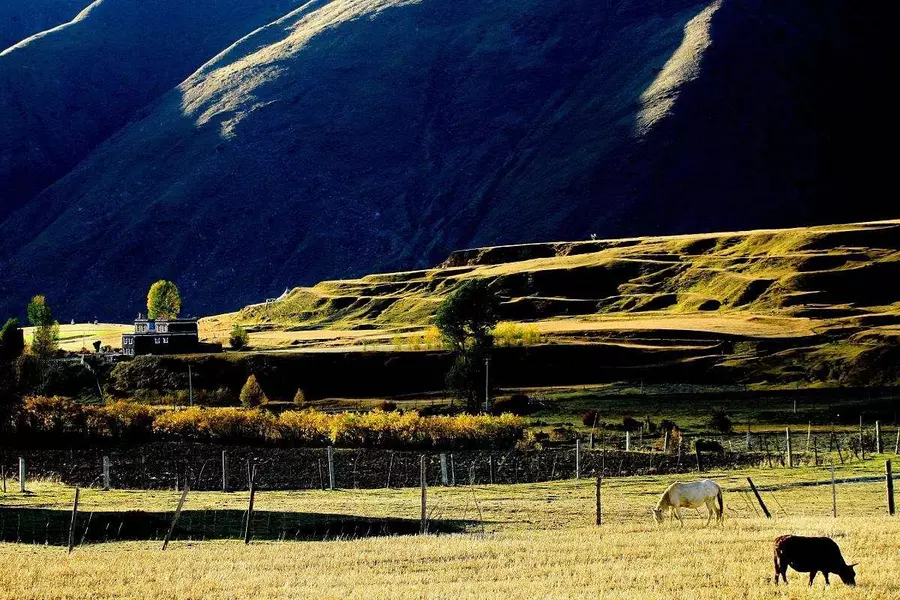
Jiagenba Valley is best known for its traditional Tibetan villages and peaceful rural atmosphere. Wooden houses, prayer flags, and grazing animals reflect the authentic lifestyle of the plateau. Unlike the highway scenery of Xinduqiao, Jiagenba offers a quieter environment where visitors can experience local culture and the slower rhythms of life.

Tagong Monastery

Tagong Grassland and Yala Snow Mountain – Sacred Plateau Landscapes

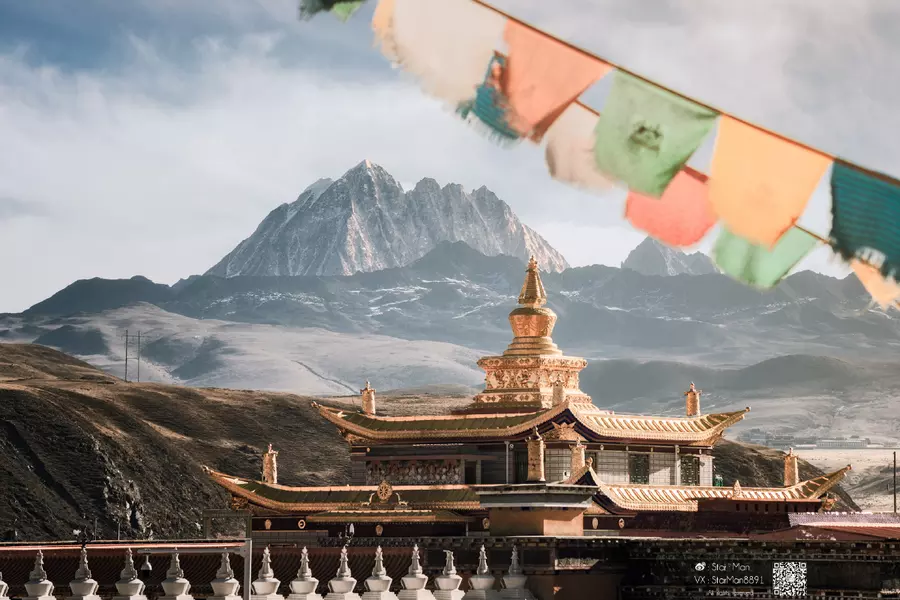
Located about an hour’s drive from Xinduqiao, Tagong Grassland is one of the most scenic pastoral areas in western Sichuan. Backed by the sacred Yala Snow Mountain (5,820 m), the grassland stretches beneath wide open skies, where grazing herds and Tibetan tents reflect the traditional pastoral lifestyle of the region. Visitors can also explore important religious landmarks such as Tagong Monastery and the Muya Golden Pagoda, which reflect the region’s deep spiritual traditions. 

Plateau Photography Experience – Capturing Light and Landscapes in Xinduqiao

Xinduqiao's vast river valleys, villages, streams and distant mountains make it a photography paradise. Popular themes include golden poplar groves in autumn, reflections in quiet streams, and snowy peaks illuminated by soft morning light. Sunrise and side backlighting between 3-5pm are the best times to shoot. Rich in light, shadow, color and layering, it is a landscape not to be missed by both professional photographers and tourists.

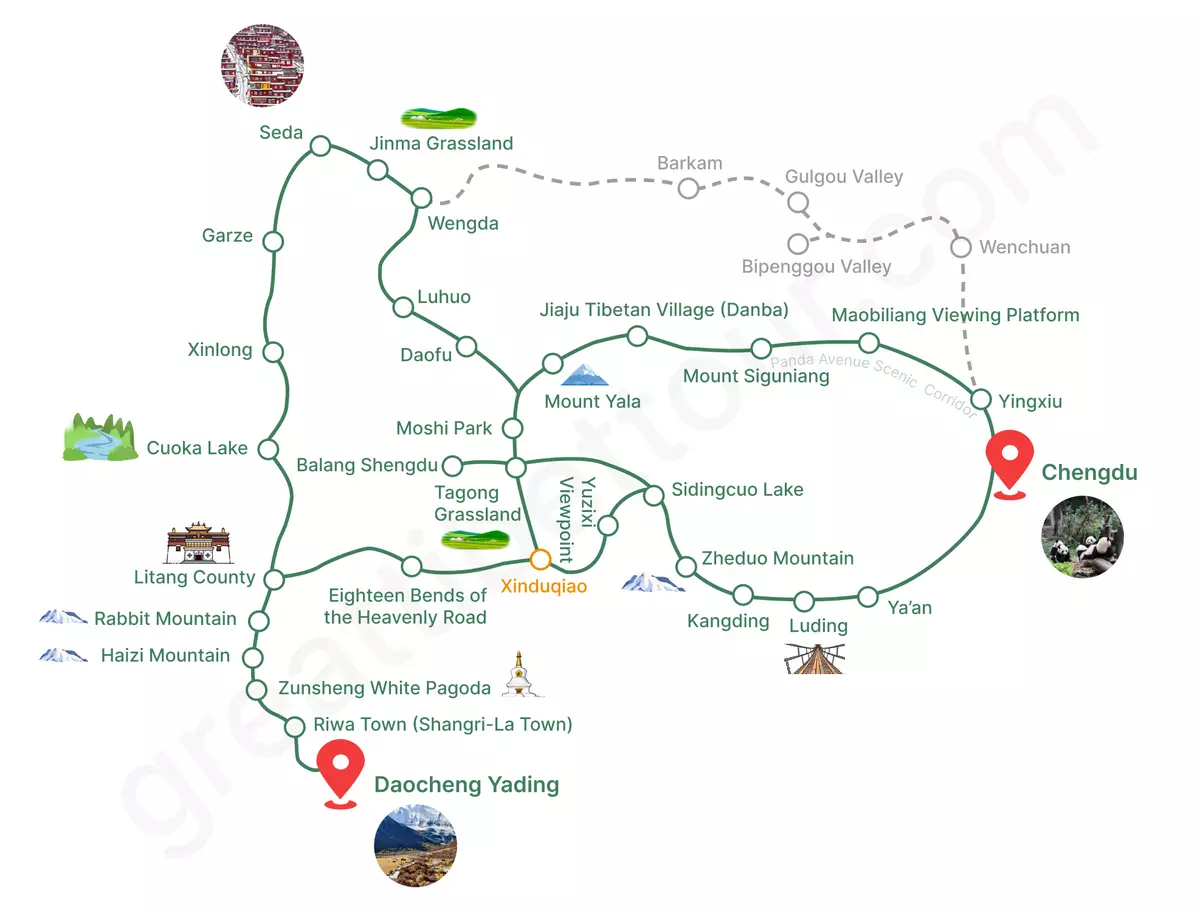
Route map

Plan a Xinduqiao Tour

Xinduqiao is a key stop on the Western Sichuan loop and an ideal starting point for trips to Daocheng Yading, Tibet, or the Western Sichuan mini-loop.

  • 2 days: Round-trip from Chengdu, exploring highlights such as the ten-mile Gallery and Jiagenba Valley.
  • 3–4 days: Extend your journey to nearby attractions like Tagong Grassland and Bamei, experiencing Tibetan villages and plateau pastures.
  • 5–9 days: Further expand your itinerary to Daocheng Yading or even include the Western Sichuan mini-loop, for spectacular views of holy mountains, sacred lakes, and highland gorges.

Itineraries can be customized according to interests and pace, from short scenic visits to multi-day explorations.

Best Time to Visit Xinduqiao

Xinduqiao in summer

Xinduqiao (3,300 m) has a typical plateau climate with large day-night temperature differences. The temperature difference between day and night often exceeds 15℃. The average temperature throughout the year is about 7℃, the hottest month is July-August (average 15.7℃), and the coldest is January (about 2.5℃). The best time to visit is late May to early November, when weather is stable and scenery is most vibrant.

Spring (May–June): Meadows begin to turn green, wildflowers bloom, and snowmelt feeds rivers and streams. The fresh scenery makes it a pleasant time for walking and photography.

Summer (July–August): Grasslands and forests are lush and full of life, with flowers in bloom across the plateau. The cool temperatures make Xinduqiao an ideal summer retreat. Early morning and late afternoon offer excellent lighting for photography.

Xinduqiao in autumn

Autumn (September–November): This is the most beautiful season in Xinduqiao. Golden poplar forests and layered grasslands create stunning landscapes. From mid-October to early November, lighting conditions along the Sichuan–Tibet Highway are especially dramatic, making it the peak season for photography.

Winter (December–February): The scenery is more subdued, and travel conditions can be challenging, so this season is generally not recommended.

Travel Tips: Ultraviolet radiation is strong at high altitude, so bring sunscreen, sunglasses, and a hat. Early morning and nights can be cold even in warmer months, so warm clothing is essential. Rain gear is also recommended due to the changeable plateau weather.

How to Get to Xinduqiao

From Chengdu by Bus

There is currently no direct bus from Chengdu to Xinduqiao. Travelers can first take a long-distance bus from Chadianzi Bus Station or Xinnanmen Bus Station to Kangding, covering about 330 km in approximately 7 hours. The road conditions are generally good.

From Kangding, you can continue to Xinduqiao by local bus or private transfer. The journey is about 75 km and takes around 1.5–2 hours, crossing Zheduo Mountain Pass (4,298 m). This section involves winding mountain roads, and some parts may be icy during winter.

Gonggar Observation Deck

By Self-Drive

Self-driving is one of the most popular and flexible ways to reach Xinduqiao.

  • From Chengdu: About 350 km via the Sichuan–Tibet Highway (G318), taking approximately 5–7 hours
  • From Chongqing: About 403 km, with a travel time of around 6–7 hours

Drivers should be prepared for high-altitude conditions, winding mountain roads, and significant temperature differences between day and night.

By Air via Kangding Airport

The nearest airport to Xinduqiao is Kangding Airport. Direct flights are available from Chengdu Shuangliu International Airport to Kangding. After arrival, travelers can take a taxi or private transfer to Xinduqiao, which is about 55 km away and takes approximately 1–1.5 hours.

As this route passes through high-altitude mountain terrain with multiple curves, hiring a private vehicle with an experienced driver is recommended, especially for those unfamiliar with plateau driving conditions.

High Altitude

Xinduqiao is a high-altitude destination, sitting between 3,450–3,500 meters above sea level. At this elevation, the air is noticeably thinner and oxygen levels are lower, which may affect visitors unaccustomed to the plateau. About half of first-time travelers experience mild altitude sickness, with symptoms such as headache, fatigue, shortness of breath, insomnia, or nausea. These usually subside within 1–2 days.

A small number of travelers may experience moderate or severe symptoms, in which case descending to lower altitudes and seeking medical attention is necessary. To reduce risks, it’s advisable to rest on arrival, stay hydrated, and avoid strenuous activity for the first day.

Special homestay

Accommodation

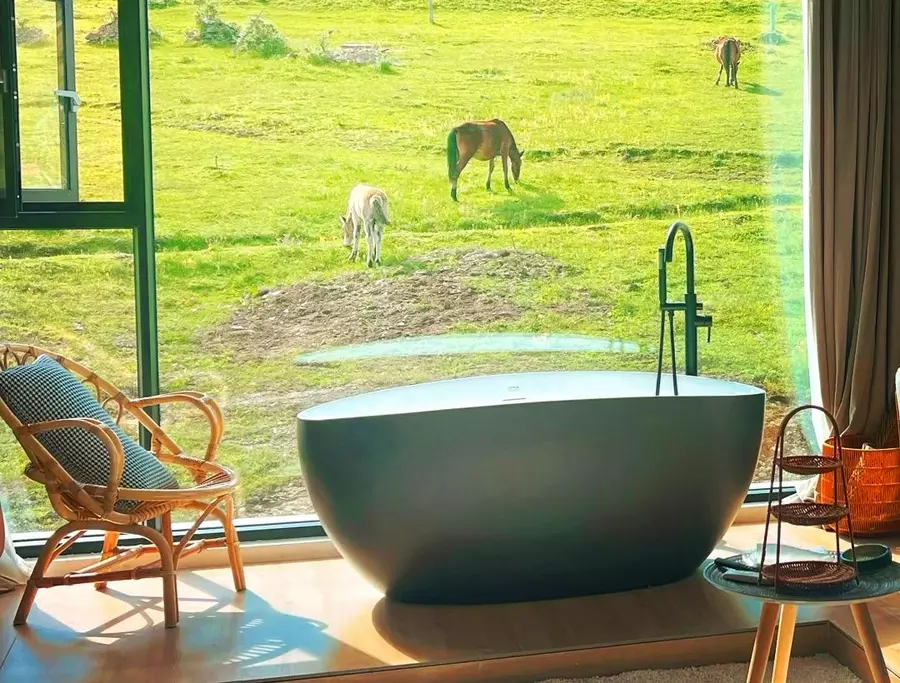
Xinduqiao offers a good range of accommodation, including comfortable 3-star and 4-star hotels within Xinduqiao Town. Many hotels are equipped with modern amenities such as floor heating and oxygen supply systems, helping visitors adapt more comfortably to the high altitude.

During the peak travel season (July to October), it is highly recommended to book your hotel 1–2 months in advance. In nearby villages, there are also Tibetan-style guesthouses and boutique homestays that provide a more local experience. However, some smaller guesthouses may not be licensed to accommodate foreign travelers.

Food and Dining

As an important stop along the Sichuan–Tibet Highway, Xinduqiao offers a diverse food scene that blends Sichuan and Tibetan flavors. Visitors can enjoy classic Sichuan dishes such as Mapo Tofu, Twice-Cooked Pork, and Kung Pao Chicken, as well as traditional Tibetan cuisine including hand-held lamb, yak meat hot pot, and tsampa (roasted barley flour).

Conclusion

Xinduqiao is famous for its unique plateau landscape, abundant photography opportunities, Tibetan culture and peaceful living atmosphere. Whether it is a short sightseeing, photography experience, or an in-depth tour extending to Daocheng, Yading or the Western Sichuan Small Ring Road, it is a core destination that cannot be missed when traveling to Western Sichuan.

在下方快速提问?

您可能喜欢