


故宫
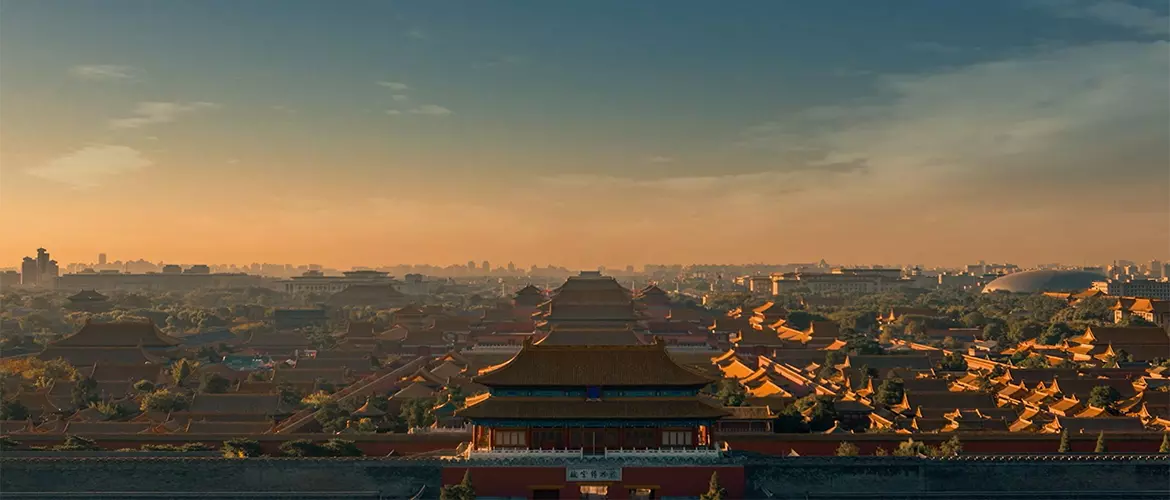
故宫,也叫紫禁城,是明清两代的皇宫,皇帝在这里生活和处理朝政。走进故宫,你就仿佛踏入了一个既真实又神秘的世界,可以亲身感受皇家生活和中华文化的独特魅力。1987年,它被列入联合国教科文组织世界遗产名录。
如果你在北京的时间有限,故宫几乎是唯一一个不容错过的历史景点。它不仅是一座宫殿,更是了解中国五百年皇家历史和文明的一把关键钥匙。
1. 名字背后的奥秘
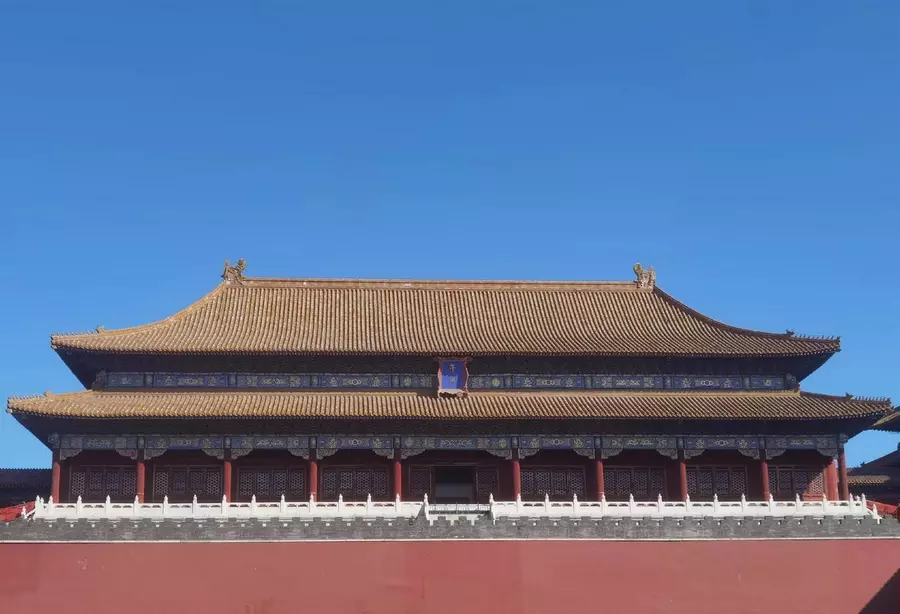
“故宫”这个名字本身就充满了神秘感,就像一把钥匙,能打开中国古代皇权与宇宙观的世界。
“紫”指的是紫微星,也就是北极星。在古代中国星象学中,这颗星被认为是天帝的居所,掌管着宇宙秩序和人间命运。皇帝自诩为“天子”,因为他至高无上的权力是上天授予的。因此,故宫被视为天上紫微垣在人间的映射,象征着皇帝在人间的绝对权力。站在故宫里,你能感受到古人对天与皇权关系的敬畏——这种氛围是其他任何宫殿都无法比拟的。
“禁”指的是严密的安保控制。除了皇帝、皇室成员和太监,任何人未经允许不得进入。戒备森严的宫门,让故宫长期以来都笼罩在神秘和庄严的气氛中。
“城”最初指的是城墙或防御工事,是古代建筑中保护核心区域的重要设施。在故宫,它不仅环绕着皇帝的居所,也象征着皇权的威严和不可侵犯。整座宫殿就像一个巨大的“城堡”,体现了皇帝的无上权威和皇室的高贵地位。
如今,故宫也被称为“故宫博物院”,意思是“从前的皇家宫殿”。它的馆藏中蕴藏着无数珍宝,每一件都承载着数百年的历史,让游客步入一个充满传奇色彩的皇家遗产世界。
2. 为什么故宫值得一去
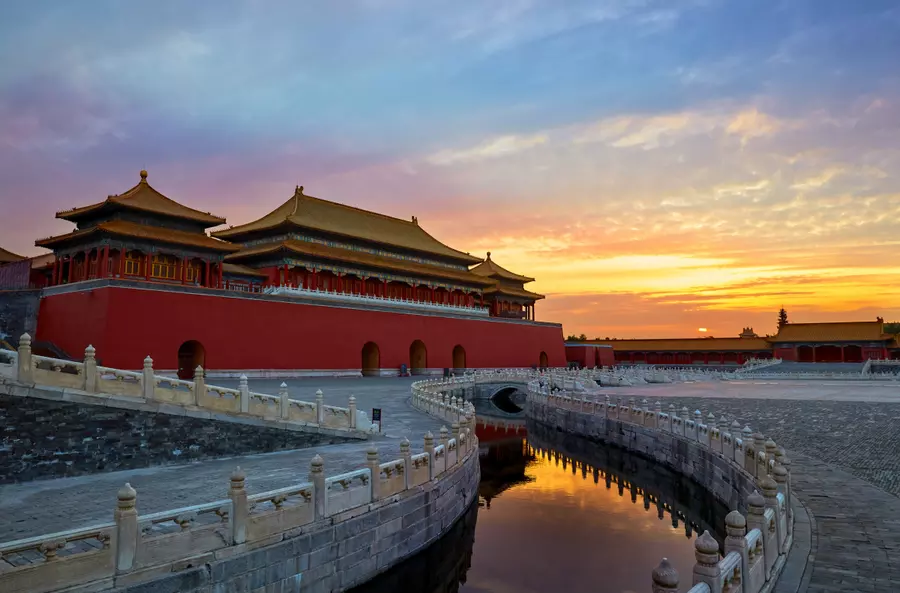
作为联合国教科文组织世界遗产,故宫博物院不仅是中国最重要的历史文化地标之一,也是全人类共同拥有和保护的文化遗产。
故宫见证了中国500多年的历史变迁,是了解中国古代皇权制度、宫廷文化和传统建筑艺术的重要窗口。红墙黄瓦、重重殿宇、精雕细琢的梁柱,以及细致庄严的龙纹装饰,都展现了中国古代皇家建筑的恢弘气势和独特美学。
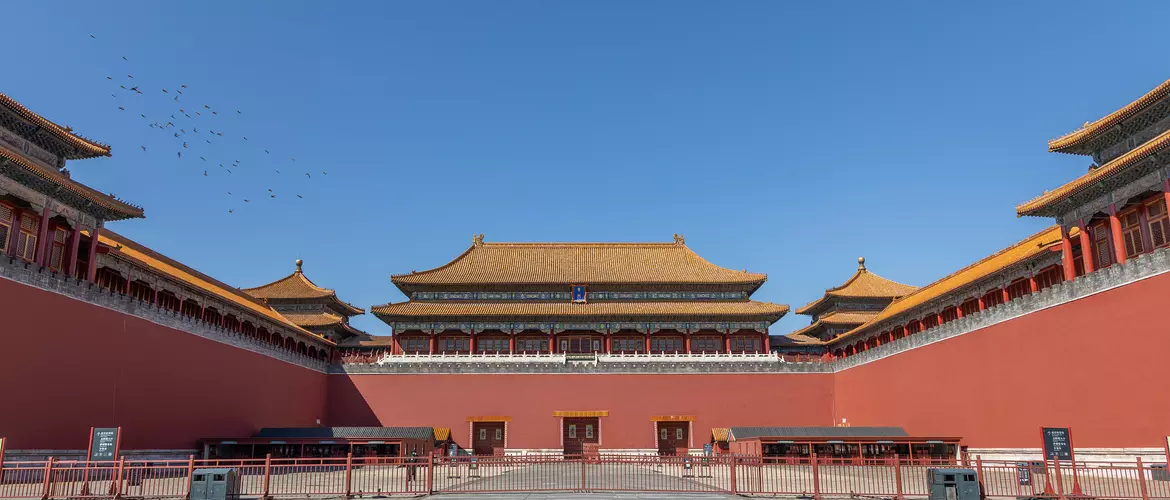
当你穿过午门,踏上宽阔的石板广场,眼前展开的宫殿群会让你真正理解“皇城”的含义——它不仅仅是建筑,更是一种皇权秩序的空间表达。
3. 历史概览
故宫位于北京的正中心。它曾是明朝(1368–1644)和清朝(1644–1911)24位皇帝的皇家居所和政治中心。故宫于明朝永乐皇帝在位期间(1406年)开始建造,1420年完工,代表了中国古代宫殿建筑的最高水平。
这座建筑群经历了火灾、修复,并在康熙和乾隆时期进行了大规模扩建,达到了其最大规模。民国时期,它被改为故宫博物院并向公众开放。新中国成立后,它经历了大规模的修复和保护。1961年,它被列为全国重点文物保护单位,1987年成为联合国教科文组织世界遗产。
如今,故宫博物院每年接待数百万游客,并利用数字技术保存和展示其藏品,以更现代的形式重现古老的历史。
4. 建筑布局
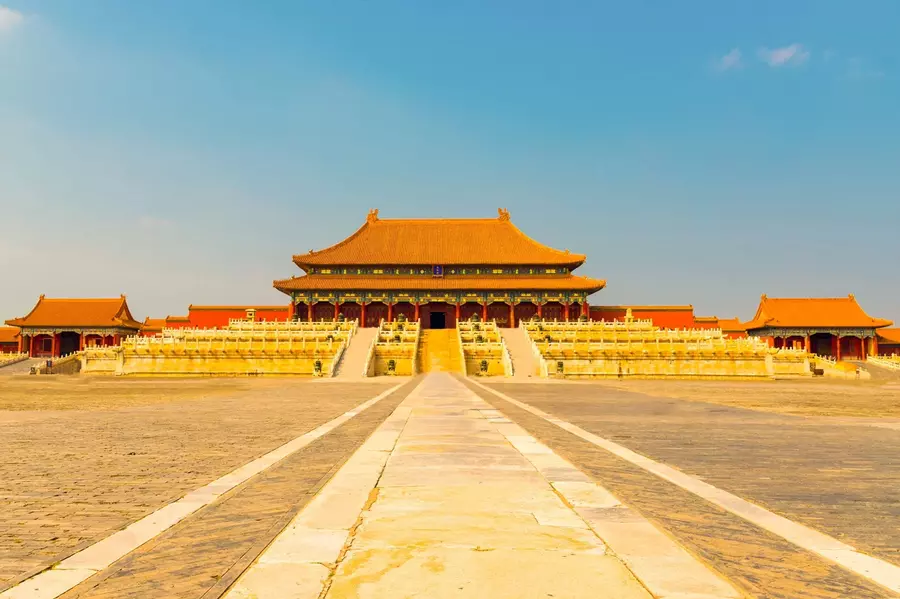
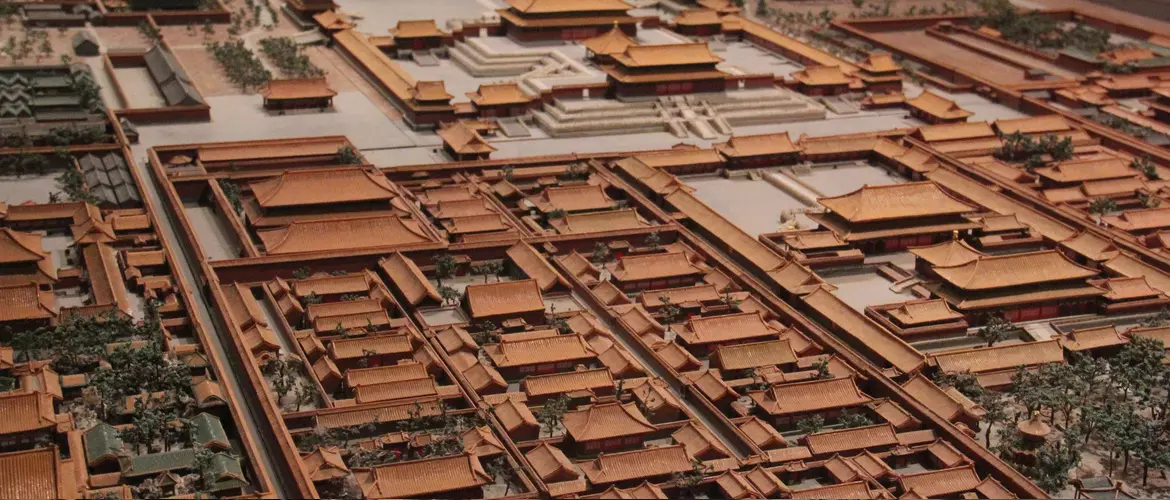
故宫博物院是世界上规模最大、保存最完好的古代宫殿建筑群之一。它的布局围绕严格的南北中轴线展开,体现了中国传统宇宙观中皇帝被视为天地中心的理念。这种高度对称的设计,表达了“居中”和皇权至上的原则。
这种空间秩序通过中国传统风水原则得到了进一步强化,特别是“面南背北”和“中央至尊”的理念,它们强调统治者、建筑环境与宇宙之间的和谐。
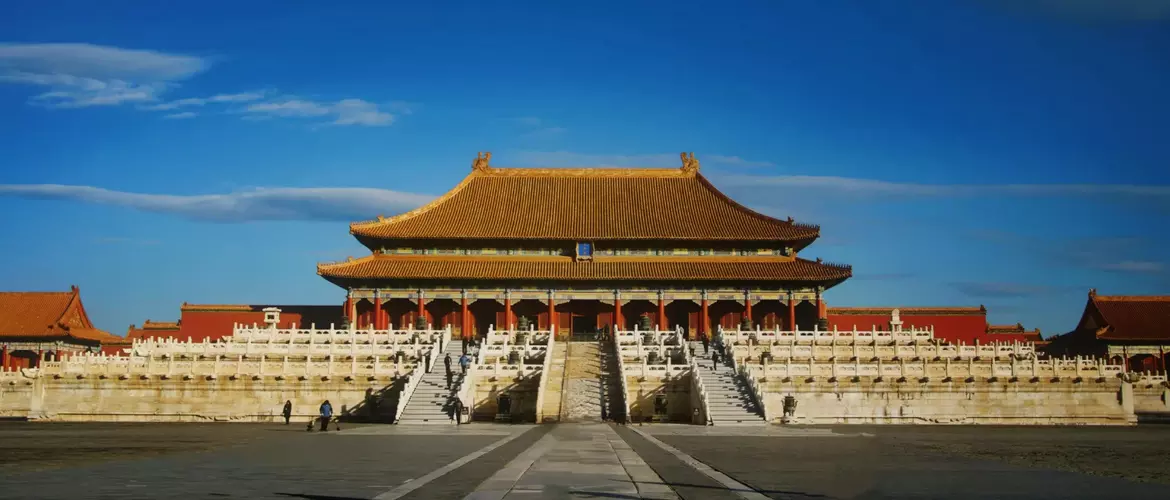
建筑群分为两大部分:外朝和内廷。外朝以太和殿为中心,用于举行重大国家典礼;内廷以乾清宫和坤宁宫为中心,是皇帝的居所和皇室生活区。有句俗话说故宫有“九千九百九十九间半”房间,这象征着至高无上的皇权。
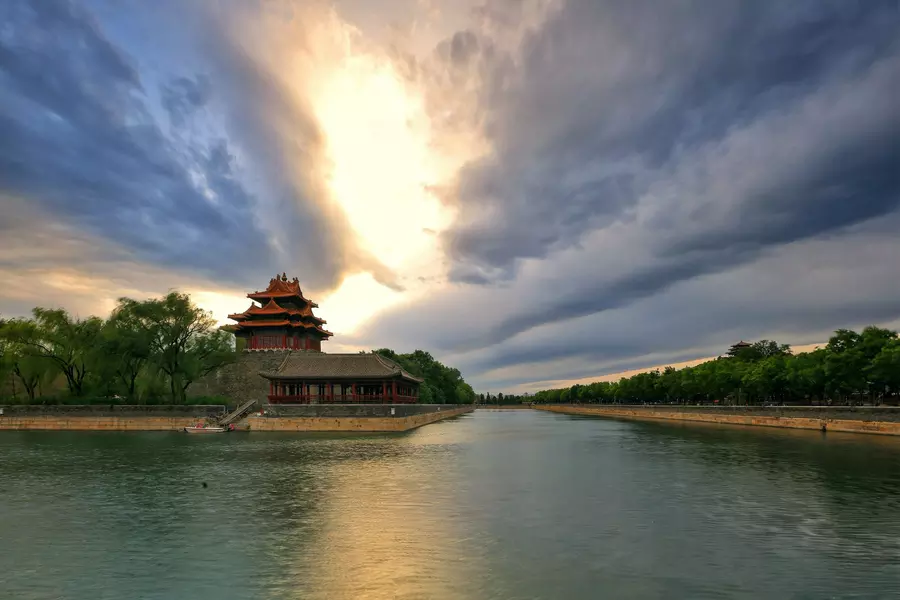
整座建筑群被高大的城墙和护城河环绕,设有四座主要城门。南北中轴线从午门延伸到神武门,贯穿整个宫城。
其建筑特色由三个关键元素决定:对称的轴线布局、传统的木结构榫卯工艺,以及红黄两色的象征意义。这些元素共同构成了一个统一且极具象征意义的皇家建筑体系。
5. 如何游览故宫
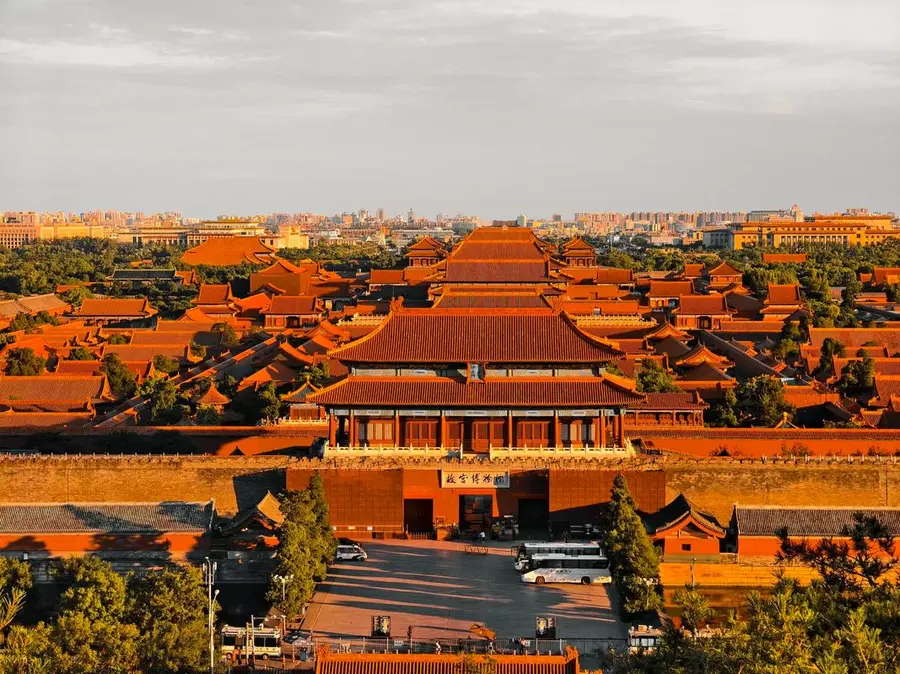
故宫面积很大,大多数游客需要半天到一整天的时间来探索其主要宫殿和展览。对于初次到访的游客,建议从南边的午门进入,沿着中轴线向北游览,最后从神武门出去。游览结束后,强烈推荐去景山公园,在那里可以俯瞰整个故宫的全景——这是最经典的视角之一。
经典路线:午门 → 外朝(三大殿)→ 内廷 → 从神武门出。
由于每天游客数量有限,门票通常需要提前预订,特别是在中国的公共假期和夏季旅游旺季。故宫博物院每周一闭馆,所以游客需要提前查询开放时间。
对于那些想更深入了解历史的人,强烈建议请一位导游或租一个语音导览器。
6. 常见问题解答
外国游客可以参观故宫吗?
可以。故宫对国际游客开放。你只需要提前预订门票,并携带护照即可。
参观故宫的最佳季节是什么时候?
春秋两季天气最舒适,冬季游客较少。如果下雪的话,雪中的故宫会呈现出特别古典的美。
参观故宫需要多长时间?
至少建议半天。如果想参观珍宝馆和钟表馆等特展,最好是花一整天。
可以当天购票吗?
大多数情况下,故宫博物院实行预约制。旺季时,当天的门票非常有限,所以强烈建议提前预订。
故宫人多吗?
是的。在旺季(7月至8月的暑假和10月1日至7日的国庆节)人会非常多,所以最好提前预订并早点入场。

邮件将在 0.5~24 小时内回复。