Great Tibet Tour Logo GREAT TIBET TOUR ®

Tibet Tours from Italy

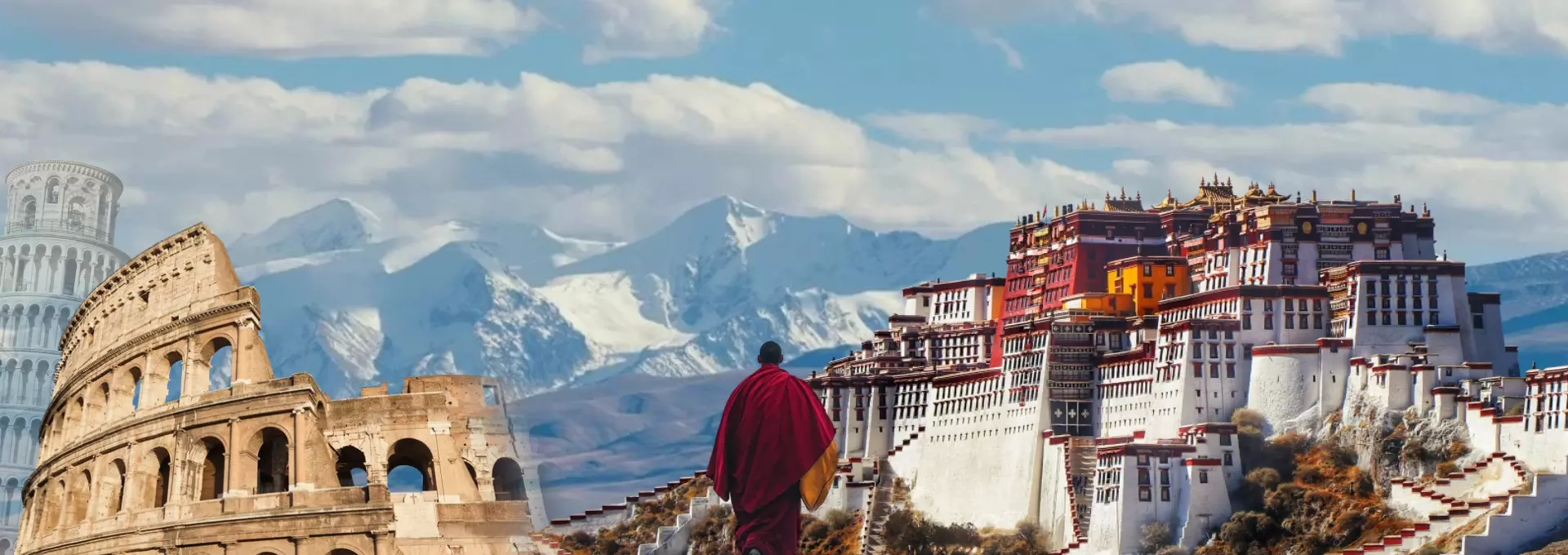
Travel from Italy to Tibet and begin a journey across the Eurasian continent to the Roof of the World. Whether you depart from Rome, Milan, or other European cities, our Tibet tours from Italy are carefully designed to ensure a smooth, well-paced, and rewarding travel experience. From the cultural richness of Europe to the quiet vastness of the Tibetan Plateau, this journey goes far beyond distance.

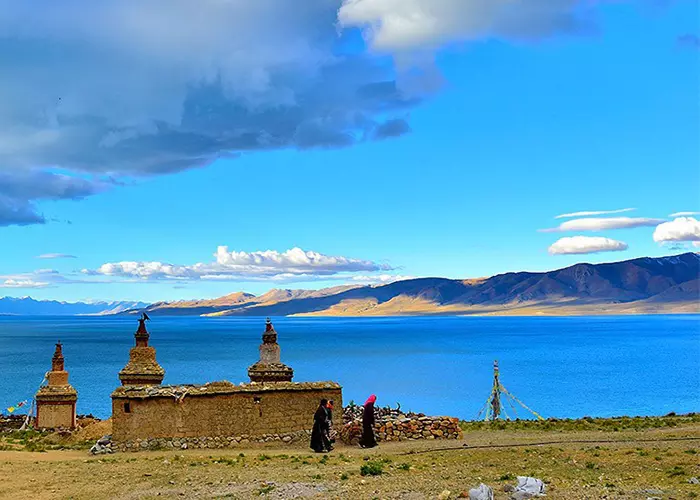
Our Tibet travel programs for Italian travelers combine history, spirituality, and nature in a balanced way. Popular routes include the Potala Palace and Jokhang Temple in Lhasa, the dramatic scenery of Mount Everest Base Camp, the peaceful shores of Lake Namtso, and extended journeys to Mount Kailash in the remote Ngari region. Each itinerary can be customized according to your interests, travel style, and available time.

With many years of experience organizing Tibet tours for Italians, Great Tibet Tour provides a complete one-stop service—from flights and visas to Tibet Travel Permits and custom itineraries—ensuring you travel from Italy to Tibet with ease. Below are hand-picked tour packages especially popular with Italian travelers.

Frequently Asked Questions

What permits and documents do Italy travelers need to visit Tibet?

All foreign visitors, including Italian citizens, must obtain a Tibet Travel Permit (TTP) to enter Tibet. If your itinerary includes remote or border areas—such as the Ngari region around Mount Kailash—additional permits may be required, including the Alien's Travel Permit and the Military Permit. These permits cannot be applied for individually; your Tibet travel agency will arrange everything according to your itinerary.

Documents required for a TTP:

  •     A color copy or scanned copy of your passport’s information page
  •     A valid Chinese visa or group visa (if applicable)
  •     Basic travel details, including your entry date, entry city, mode of transportation, and occupation

Note: Visitors from Italy can enjoy a 30-day visa-free entry to China until 31 December 2026.

At present, there are no direct flights from Italy to Lhasa. The most common route is to fly from major Italian cities such as Rome or Milan to one of China's main international gateway cities, including Beijing, Shanghai, or Chengdu. From there, you can take a domestic flight to Lhasa Gonggar International Airport (LXA).

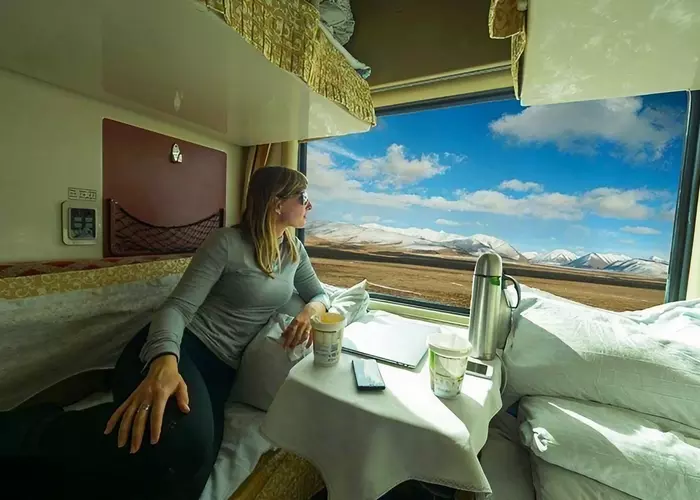
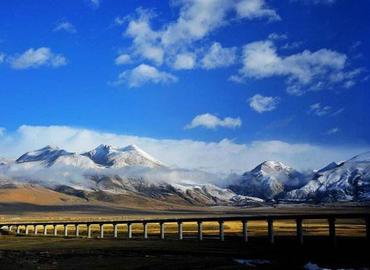
Alternatively, some travelers choose to take a Tibet train from cities such as Chengdu or Xining along the Qinghai–Tibet Railway. Although this option takes longer, it allows for a more gradual acclimatization to high altitude.

Another possible route is to fly first to Kathmandu, the capital of Nepal, and then enter Tibet by flight or overland. This route involves different travel arrangements and permit requirements compared with entering Tibet from mainland China, so advance planning is essential.

The best time to visit Tibet is from April to October, when the weather is relatively mild, oxygen levels are higher, and landscapes are at their most vibrant.

For travelers interested in photography or trekking, we especially recommend May, June, September, and October. During these months, the climate is more stable, visibility is clearer, and conditions are ideal for viewing iconic destinations such as Mount Everest and Mount Kailash.

Although winter (November to March) is colder, it offers a quieter travel experience with fewer visitors. This season is well suited to those seeking a more peaceful journey and deeper cultural encounters. In addition, hotels and overall travel costs are generally lower during the winter months.

Tibet is generally a safe destination for travelers, and with proper planning, concerns about altitude sickness can be well managed. While the high elevation is often the biggest worry for first-time visitors, most travelers adjust smoothly when the journey is arranged at a comfortable pace.

After arriving in Lhasa, we recommend spending the first day resting and allowing your body time to adapt. Light activities, adequate hydration, and avoiding alcohol or strenuous exercise help greatly during this initial adjustment period. Our itineraries are carefully designed to follow a gradual ascent, starting in lower-altitude areas and slowly moving higher, giving your body enough time to acclimatize naturally.

Throughout the trip, you will be accompanied by experienced local guides who are familiar with high-altitude travel. Our vehicles are equipped with emergency oxygen and basic medical supplies, ensuring prompt assistance if any discomfort arises. Before departure, travelers may also consult a doctor and prepare personal altitude-related medication for added peace of mind.

Mild symptoms such as slight headaches or fatigue can occur but usually ease within one to two days. With thoughtful arrangements and attentive support, the vast majority of travelers complete their Tibet journey comfortably and with confidence.

Request a customized itinerary today and get one step closer to your dream trip

Create Your Trip