Great Tibet Tour Logo GREAT TIBET TOUR ®

Tibet Tours from Germany

Tibet is renowned for its majestic snow-capped mountains, profound Buddhist culture, and vast, serene highland landscapes, making it a long-admired destination for many travelers from Germany. From the historic grandeur of the Potala Palace to the lively atmosphere of Barkhor Street, and from the awe of standing at the foot of Mount Everest, this land captivates visitors with its authenticity, expansiveness, and spiritual depth.

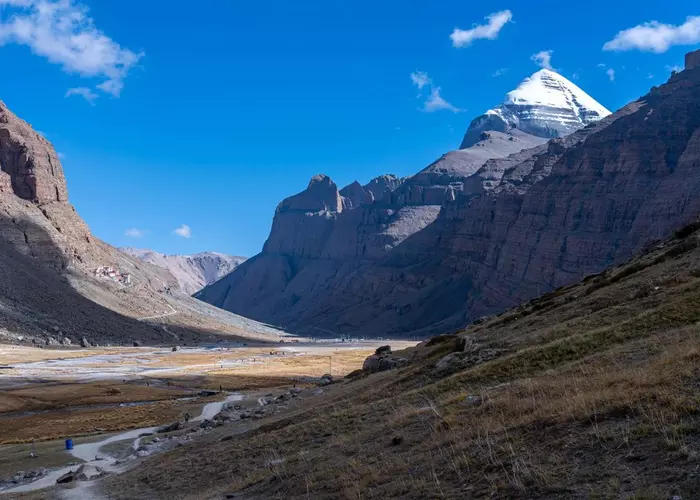
For those seeking a deeper experience, Tibet is celebrated for its unique cultural charm and high-altitude trekking. Whether it’s the Parikrama trek around the sacred Mount Kailash or exploring the remote and rugged Ngari Northern Route, these journeys add both spiritual significance and a sense of adventure. Many German travelers are particularly drawn to Tibet’s religious heritage and monastic traditions, opting for less-traveled routes to experience the power and depth of highland culture firsthand.

To ensure a smooth and worry-free journey, we provide comprehensive support—including visa and Tibet travel permit assistance, professional local guides, comfortable transportation, and fully customizable itineraries—making it easy for you to travel from Germany to this sacred highland. Below, you can explore some of the most popular itineraries among our German guests.

Frequently Asked Questions

What documents do I need to travel from Germany to Tibet?

To travel to Tibet, you need the following documents:

1. Chinese Visa
All foreign travelers must have a valid Chinese visa to enter Tibet. However, until December 31, 2026, ordinary German passport holders can enter China without a visa for tourism, business, visiting relatives, exchange visits, or transit, for stays up to 30 days.

If your entire trip in China, including Tibet, is within 30 days, you can enter with your German passport and obtain the Tibet Travel Permit through your travel agency.

If your stay in China exceeds 30 days, or if your travel purpose doesn’t fall under the visa-free categories, you must apply for a Chinese visa in advance (typically a tourist visa, category L).

2. Tibet Travel Permit (TTP)
All foreign travelers must have a Tibet Travel Permit to enter Tibet. This permit is arranged through a registered Tibet travel agency and cannot be obtained independently.

Tip: If your itinerary includes remote areas like Mount Kailash, additional permits may be required, such as the Alien’s Travel Permit or a Military Permit. Your travel agency will handle these.

For travelers with limited time who wish to reach Tibet quickly, the most convenient option is to fly from Frankfurt (FRA), Munich (MUC), or Berlin (BER) to major Chinese hub cities such as Beijing (PEK), Shanghai (PVG/SHA), or Chengdu (TFU/CTU). From there, you can transfer to a flight to Lhasa (LXA) or take the Qinghai-Tibet Railway from Xining or Chengdu. This route is the most popular among German tourists, offering stable flight schedules and reliable connections.

For those planning to include Nepal in their itinerary, you can first fly from Germany to Kathmandu (KTM). After exploring Nepal, you can either take a direct flight from Kathmandu to Lhasa (currently operating on Mondays, Wednesdays, Thursdays, and Fridays) or enter Tibet overland via the China-Nepal border, traveling through the Everest region to reach Lhasa. This scenic route crosses the Himalayas and is especially popular among nature lovers and photography enthusiasts.

Overall, the best time to visit Tibet is from April to October, when the weather is relatively mild, roads are accessible, and the scenery is at its most vibrant. The ideal months, however, depend on the regions you plan to visit and the activities you wish to do.

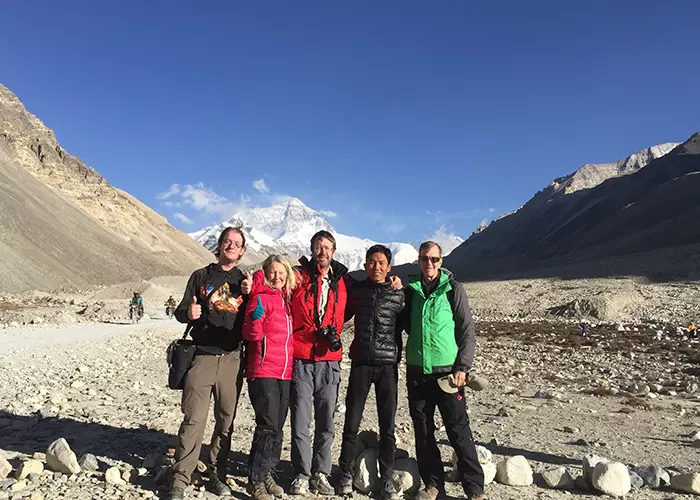
  • April–May & September–October: The perfect months to admire Mount Everest. With less rainfall, more sunny days, and clear air, the stunning peaks of the Himalayas and Everest can be seen in full clarity.
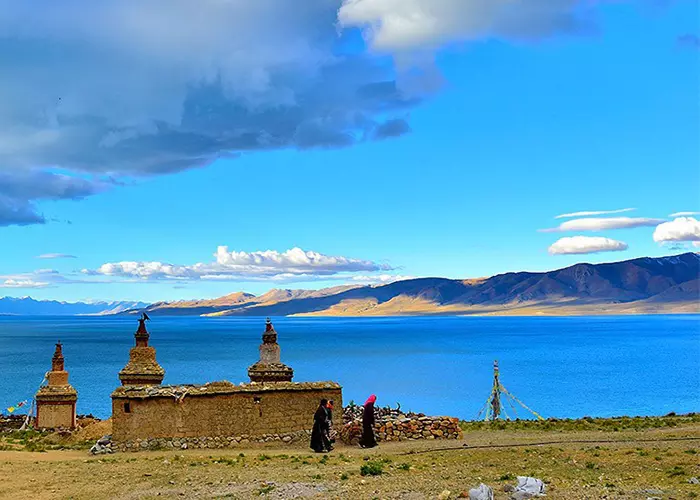
  • June to early October: Ideal for visiting Mount Kailash and Lake Manasarovar, with mild weather suitable for trekking and high-altitude outdoor activities.
  • July–August: Although it is the rainy season, most rain falls at night, leaving the days suitable for travel. This is a good time for sightseeing at Namtso Lake, trekking around Sepu Kangri Sacred Mountain, or enjoying lighter hikes. Higher oxygen levels during this period also help with high-altitude adaptation.
  • September to early October: With stable weather, clear skies, and excellent visibility, the landscapes along the way are particularly striking. Fewer pilgrims make this the perfect time for deep exploration, including the Ngari Northern Route, making it the “golden season” for many travelers.

Most areas in Germany are at lower altitudes, while Tibet is known as the "Roof of the World," with an average altitude of over 3,000 to 4,500 meters, so it's important to take extra care regarding altitude sickness.

Health Advice:
 - Visitors with severe colds, high fevers, acute or chronic lung diseases, or serious cardiovascular diseases should approach high-altitude areas with caution.
 - Travelers with enough time can choose to enter Tibet by train, as the gradual elevation can effectively reduce the risk of altitude sickness.

Precautions upon Arriving in Lhasa (approximately 3,650 meters):
Upon arriving in Lhasa, it is advisable to rest adequately in your hotel and avoid strenuous activities. It is recommended to avoid hot showers and drink plenty of water to help your body acclimatize to the high-altitude environment. Typically, a stay of 2-3 days in Lhasa is suggested for altitude adaptation before proceeding to other areas. If you experience discomfort, you can use oxygen to alleviate symptoms. Our vehicles are always equipped with emergency oxygen tanks for your convenience.

Tibet is generally considered a safe travel destination, with good local security and a very low incidence of violent incidents. Daily travel and visits to attractions require no excessive worry, though it is still advisable to take standard precautions, such as keeping personal belongings secure and avoiding displaying valuables in crowded areas.

A key factor contributing to safety is the local culture: most Tibetans are devout Buddhists, and their daily behavior is strongly influenced by religious teachings that emphasize respect, compassion, and non-violence. Positive interactions with local residents and respect for cultural customs usually result in warm hospitality and a welcoming atmosphere for travelers.

Highland roads in Tibet are generally in good condition. Major tourist routes—such as Lhasa to Shigatse, Everest Base Camp, and the Ngari region—are typically traveled via chartered vehicles arranged by travel agencies, ensuring a high level of safety. By following traffic rules, respecting attraction regulations, and planning itineraries reasonably, German tourists can enjoy a safe and memorable journey across Tibet.

Request a customized itinerary today and get one step closer to your dream trip

Create Your Trip