• +86 18583346229
  • Fale Conosco
  • Sobre Nós

Tibet Tours from Japan

Flights to Tibet from Japan

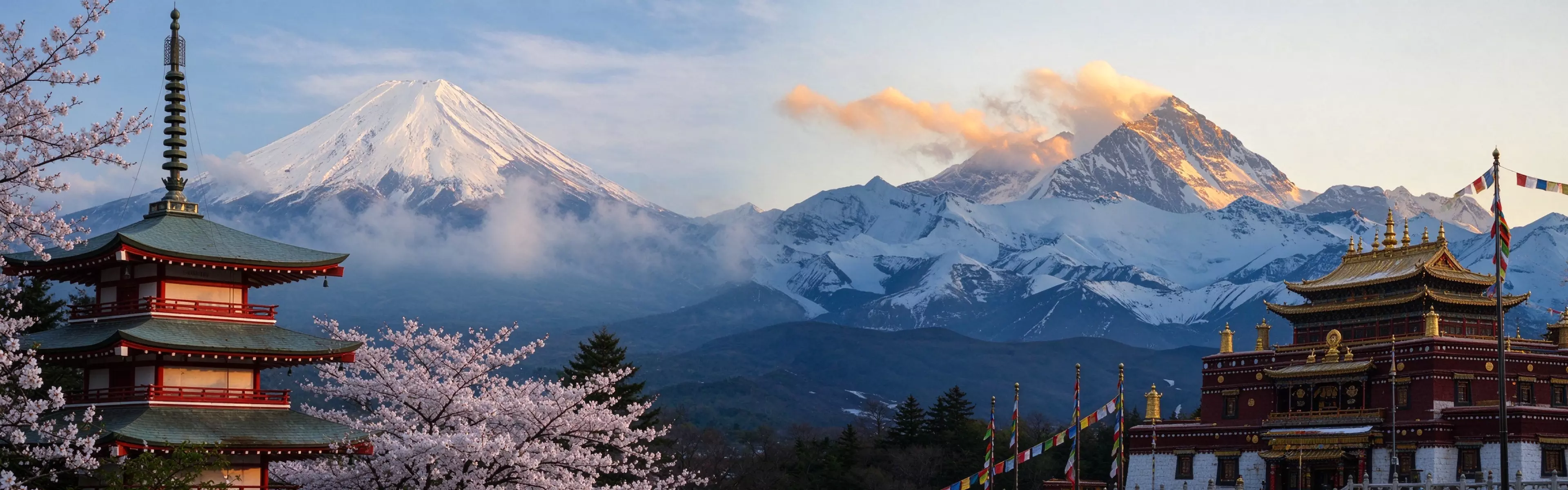
Tibet, located on the Roof of the World, offers a remarkable combination of spectacular high-altitude landscapes, ancient history, and distinctive Tibetan culture. From the majestic Himalayas and vast plateau scenery to historic landmarks such as the Potala Palace and Jokhang Temple, Tibet offers a wealth of natural and cultural attractions, along with rich Tibetan Buddhist art and traditions.

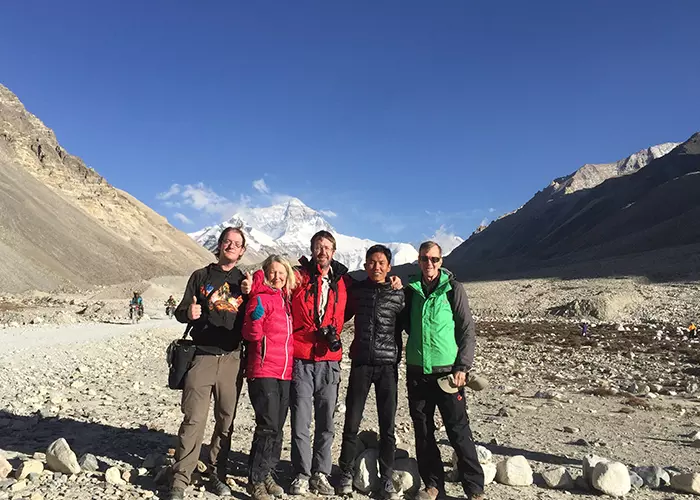
Whether you wish to admire the magnificent views of Mount Everest, explore famous landmarks such as the Potala Palace and Jokhang Temple, or learn about Tibetan Buddhism, local customs, and everyday life, Tibet offers plenty of rewarding experiences. Traditional crafts such as Thangka painting and Tibetan incense making also provide opportunities to learn more about the region's cultural heritage.

We understand that visiting Tibet for the first time requires careful preparation, including understanding the high-altitude environment, transportation options, and travel permit requirements. As a Lhasa-based local travel agency with extensive experience in organizing Tibet tours, we can assist with the required Tibet Travel Permit and arrange local transportation, accommodation, guides, and itineraries. Whether you prefer a classic sightseeing tour or a private trip tailored to your interests, we can help arrange a smooth and comfortable journey through Tibet.
Frequently Asked Questions

What documents do Japanese travelers need to visit Tibet?

Japanese travelers holding ordinary passports need a valid passport and a Tibet Travel Permit (TTP) to visit Tibet. Currently, Japanese ordinary passport holders can enjoy visa-free entry to China for stays of up to 30 days, until December 31, 2026. If the policy is not extended beyond that date, Japanese travelers will need to obtain a China visa before departure. Great Tibet Tour can assist by providing an invitation letter and itinerary documents to support the visa application.

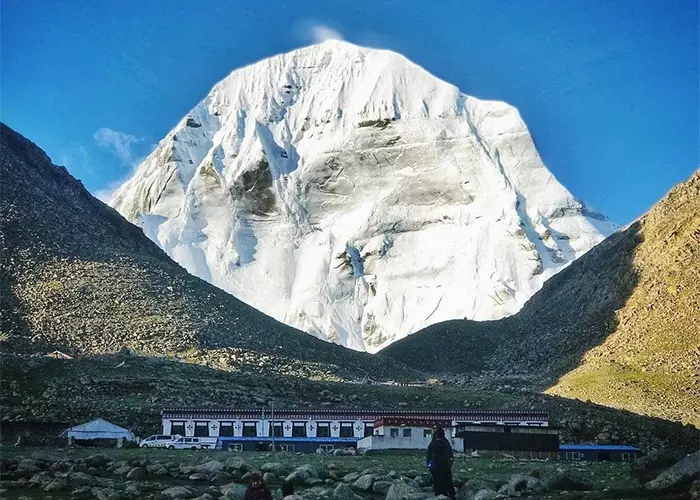
The Tibet Travel Permit must be arranged through a local travel agency in Tibet authorized to handle foreign tourists. After booking your Tibet tour, you will need to provide a clear scanned copy of your passport information page, along with other personal details and itinerary information required for the application. If your itinerary includes Mount Everest Base Camp, Mount Kailash, or other restricted areas, additional travel permits or border documents may also be required.

We recommend contacting us and submitting your application documents at least 3–4 weeks before your planned departure to Tibet to allow sufficient time for processing and travel arrangements.

No. Although Japanese travelers can travel independently in other parts of China, Tibet has special travel regulations for foreign visitors. Having a Tibet Travel Permit (TTP) does not mean you can travel freely around Tibet on your own.

You need to arrange your Tibet trip through an authorized local travel agency and follow the approved itinerary. The agency will help arrange transportation, a tour guide, and other necessary travel services.

If you prefer traveling alone, you can still choose a private tour and explore Tibet at your own pace and according to your interests.

The best time to visit Tibet is generally from April to October. April to May and September to October offer relatively stable weather, comfortable temperatures, and good visibility, making these months ideal for visiting Lhasa and traveling to Everest Base Camp. From late June to August, the valleys become greener in summer, although some areas receive more rainfall. This period is also a good time to visit Mount Kailash, as temperatures are relatively mild and suitable for the kora (pilgrimage trek).

Yes, Japanese-speaking guides can be arranged in Tibet, but they are generally available only for private tours. Our small group tours are normally accompanied by English-speaking guides and do not include Japanese-language guiding.

As Japanese-speaking guides are limited in number, we recommend requesting one when planning your private tour so we can check availability and arrange one in advance.

Lhasa is located at an altitude of approximately 3,650 meters (11,975 feet). After arrival, some travelers may experience symptoms of altitude sickness, such as headaches, dizziness, fatigue, or difficulty sleeping.

We recommend taking it easy on your first day in Lhasa. Avoid strenuous exercise and alcohol, and allow your body time to adjust to the altitude. If your itinerary includes higher destinations such as Everest Base Camp or Mount Kailash, allow sufficient time for acclimatization along the way.

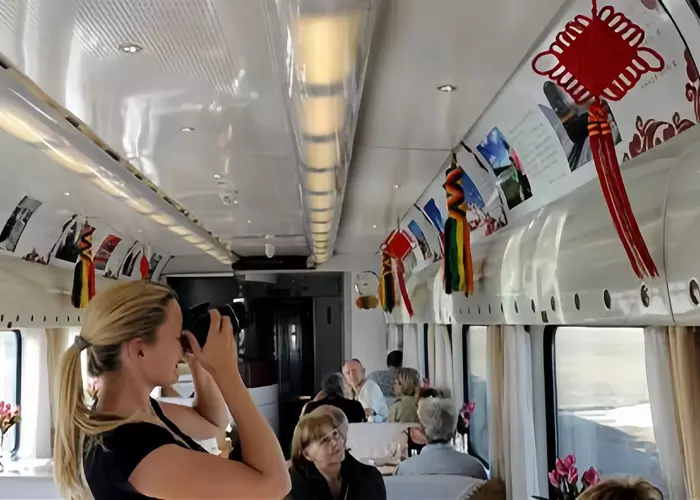
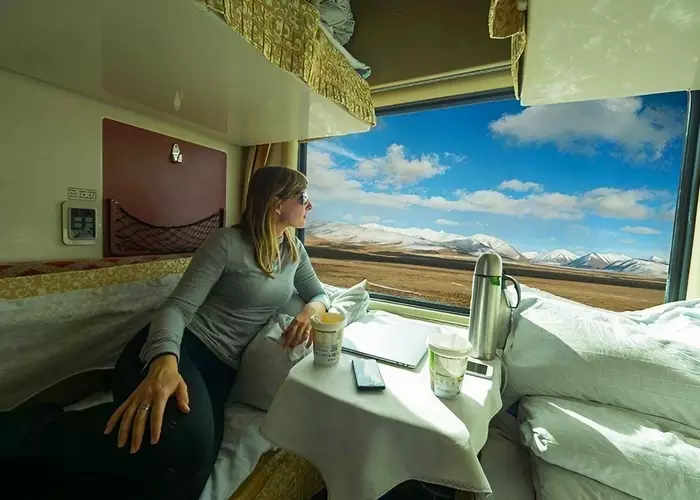
Traveling to Tibet by train is another option, offering spectacular views of the Qinghai-Tibet Plateau along the route. The gradual ascent may give your body more time to adjust to the increasing altitude, although it does not guarantee better acclimatization or prevent altitude sickness.

If you experience severe or worsening symptoms, seek medical attention promptly. Do not continue ascending, and descend to a lower altitude if advised by medical professionals.

We recommend booking your Tibet tour at least one month in advance. If your itinerary includes remote areas such as Everest Base Camp or Kailash, or you plan to travel during the peak season (June to October), booking 1–3 months ahead is advisable to allow sufficient time to arrange transportation, accommodation, and the necessary travel permits.

Please note that some remote areas may become inaccessible in winter and early spring due to road conditions, weather, or seasonal closures. For example, the Mount Kailash kora usually closes in November. We recommend confirming your travel dates and itinerary in advance.

Request a customized itinerary today and get one step closer to your dream trip

Create Your Trip