

Как добраться до озера Манасаровар?
- Eric
- Последнее обновление : 02.07.2026
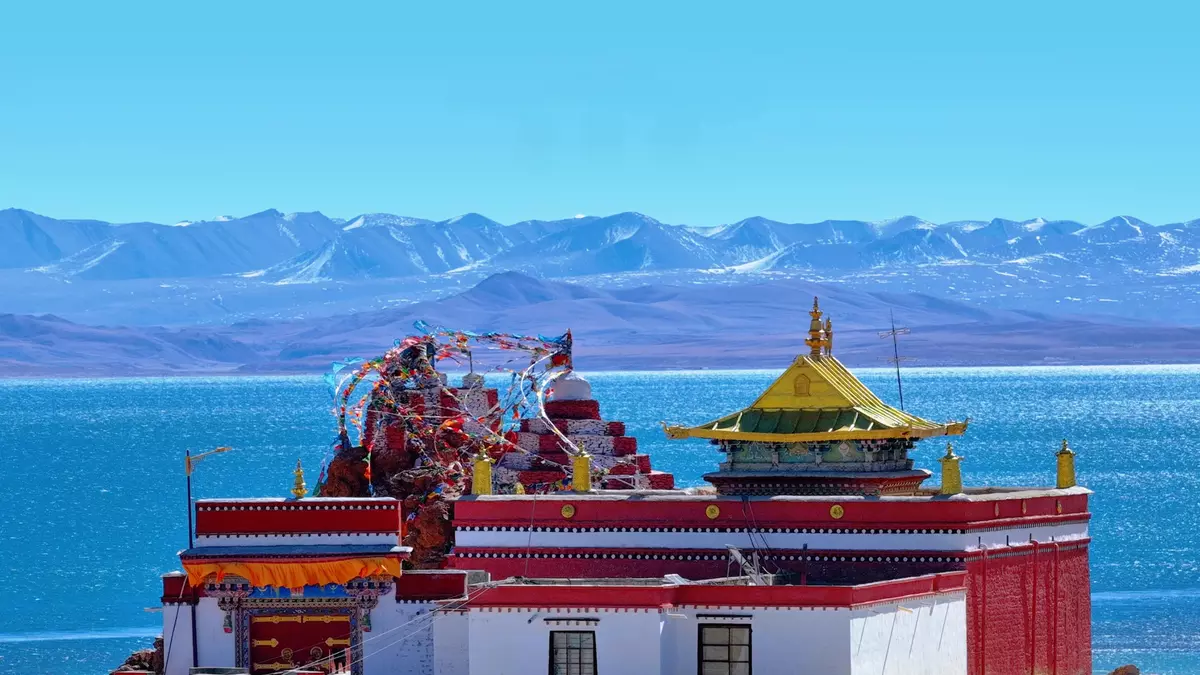
Озеро Манасаровар расположено в округе Нгари в Тибете, у подножия горы Кайлас. Почитаемое как священное озеро буддистами, индуистами, последователями бона и джайнами, оно веками привлекает паломников и путешественников со всего мира. В индуизме считается, что озеро было создано богом Брахмой и является одним из самых святых мест паломничества: купание в его священных водах, как верят, очищает от грехов и приносит духовное благословение. Помимо глубокого духовного значения, кристально чистая вода, захватывающие дух гималайские пейзажи и умиротворяющая атмосфера делают его одним из самых выдающихся мест Тибета.
Хотя озеро Манасаровар находится в отдаленной части Тибетского нагорья, добраться до него проще, чем многие путешественники ожидают. Планируете ли вы духовное паломничество или путешествие всей жизни в западный Тибет, есть несколько хорошо налаженных маршрутов на выбор. В этом руководстве вы узнаете о лучших способах добраться до озера Манасаровар, включая самые популярные маршруты, необходимые разрешения и проездные документы, время в пути, а также практические советы, которые помогут вам спланировать гладкое и незабываемое посещение.
Содержание
Где находится озеро Манасаровар?
Озеро Манасаровар расположено в округе Нгари в западном Тибете, Китай, примерно в 30 километрах к юго-востоку от горы Кайлас. Находясь на высоте около 4588 метров, это одно из самых высокогорных пресноводных озер в мире, являющееся частью одного из самых святых мест паломничества в Азии.
Хотя на карте озеро Манасаровар кажется отдаленным, оно хорошо связано автомагистралями с центральным Тибетом. Озеро находится примерно в 1200 километрах к западу от Лхасы и около 800 километров от Катманду по дороге через пограничный переход Кьиронг, что делает оба города главными воротами для иностранных путешественников. Большинство посетителей совмещают посещение озера Манасаровар с паломничеством или туром вокруг горы Кайлас, так как эти два святых места находятся всего в нескольких минутах езды друг от друга.
Для путешественников, планирующих поездку в западный Тибет, до озера Манасаровар обычно добираются по дороге после нескольких дней живописной езды по Тибетскому нагорью. По пути путешественники также могут посетить такие достопримечательности, как Шигадзе, базовый лагерь Эвереста и обширные луга и озера западного Тибета, в зависимости от маршрута. Для индийских паломников более распространенный маршрут — добраться до Кьиронга по суше или на вертолете до Манасаровара через Пуранг.
Могут ли иностранные туристы посетить озеро Манасаровар?
Да. Иностранные туристы могут посетить озеро Манасаровар, но самостоятельные поездки в настоящее время запрещены. Поскольку озеро находится в закрытой зоне западного Тибета, все иностранные посетители должны присоединиться к организованному туру, организованному лицензированным местным тибетским туристическим агентством. Агентство займется всеми необходимыми дорожными приготовлениями, включая транспорт, проживание, услуги гида и необходимые разрешения на поездку.
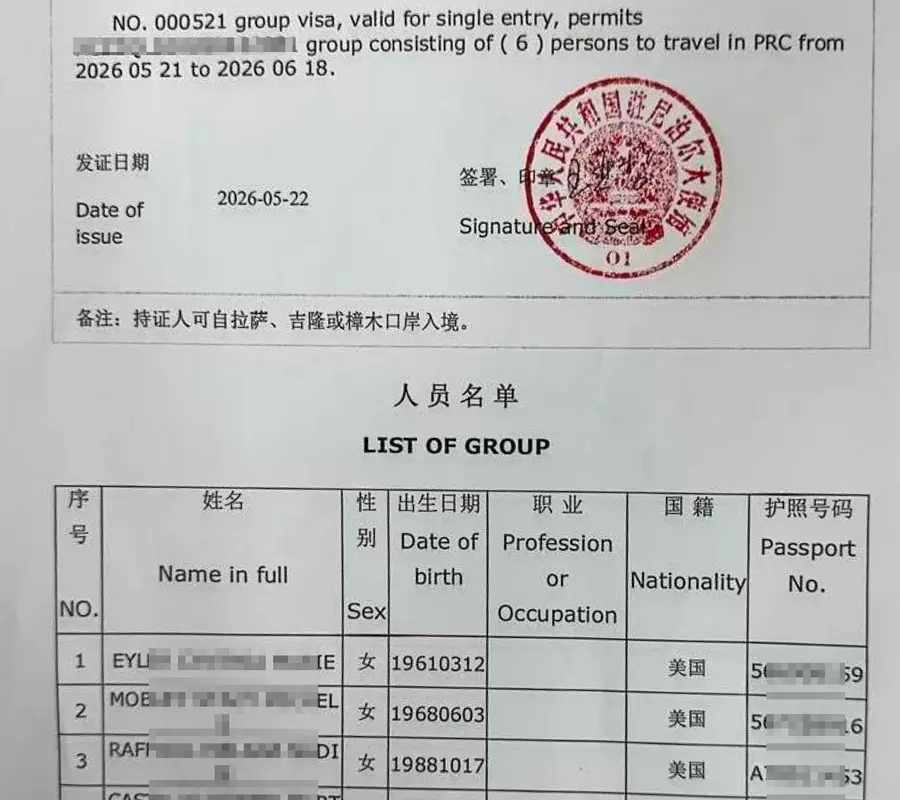
Перед поездкой на озеро Манасаровар иностранные посетители должны получить необходимые проездные документы, включая действующий загранпаспорт, китайскую визу или китайскую групповую визу (в зависимости от маршрута), а также разрешения, необходимые для посещения Тибета. Поскольку озеро Манасаровар находится в округе Нгари, путешественникам также потребуются дополнительные разрешения, включая Тибетское туристическое разрешение, разрешение на передвижение иностранцев, пропуск в приграничную зону и военный пропуск. Ваше местное тибетское туристическое агентство поможет с процессом подачи заявки и проследит, чтобы все необходимые разрешения были готовы до вашего отъезда.
У индийских паломников также есть возможность присоединиться к организованному правительством паломничеству Кайлас Манасаровар в течение ежегодного сезона паломничества, который обычно длится с середины мая до начала сентября. Участники должны зарегистрироваться через назначенные учреждения и путешествовать в составе официальной группы паломников. Необходимые Тибетское туристическое разрешение и китайская групповая виза оформляются в рамках официальной программы паломничества.
После получения необходимых разрешений вы сможете отправиться к озеру Манасаровар и горе Кайлас по дороге из Лхасы или Катманду в составе вашего организованного тура.

Лучший способ добраться до озера Манасаровар
Есть три основных способа добраться до озера Манасаровар, и лучший вариант зависит от вашего времени в пути, бюджета и предпочитаемого стиля путешествия. Классический маршрут через Лхасу идеально подходит для путешественников, которые хотят познакомиться с культурным наследием Тибета и постепенно акклиматизироваться к высокой высоте. Путешественники с ограниченным временем могут выбрать отправление из Катманду, в то время как многие индийские паломники предпочитают один из непальских паломнических маршрутов, которые обеспечивают более быстрый доступ к священному озеру и горе Кайлас.
Вариант 1: Путешествие к озеру Манасаровар через Лхасу (самый рекомендуемый)
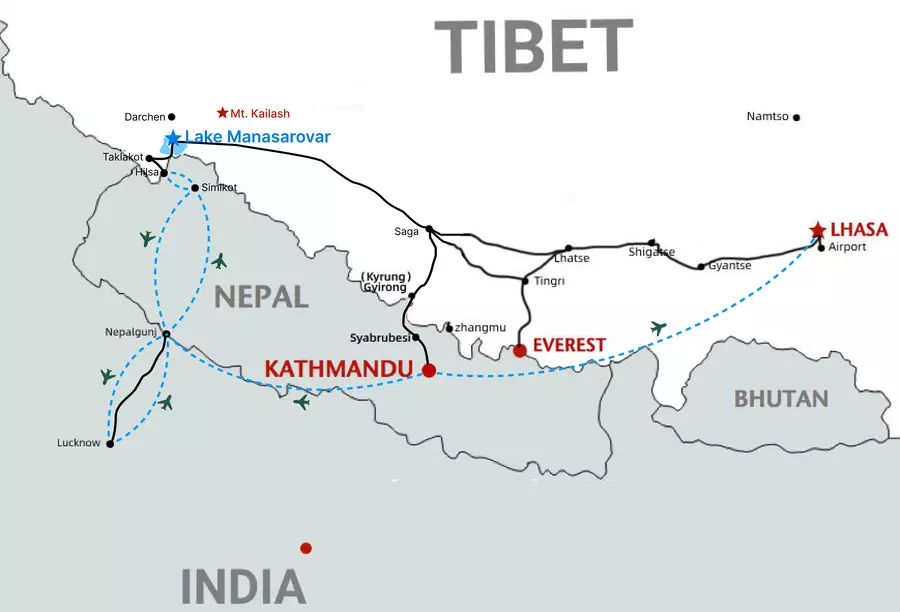
Для большинства иностранных путешественников Лхаса — самые популярные ворота к озеру Манасаровар. После прибытия в Лхасу посетители обычно проводят два-три дня, акклиматизируясь и исследуя знаковые достопримечательности, такие как дворец Потала, храм Джоканг и улицу Баркхор. Затем путешествие продолжается через Шигадзе, Сагу и захватывающие дух пейзажи западного Тибета, прежде чем достичь озера Манасаровар.
Большинство маршрутов занимают от 10 до 15 дней, в зависимости от того, включают ли они базовый лагерь Эвереста и кору вокруг горы Кайлас. Постепенное увеличение высоты делает этот маршрут более комфортным и помогает снизить риск горной болезни. Если вы также планируете посетить Непал, многие туры продолжаются на юг через порт Кьиронг и заканчиваются в Катманду.
→ 15-дневный групповой паломнический тур к Эвересту и горе Кайлас
Вариант 2: Путешествие к озеру Манасаровар через Катманду
Катманду — еще одни удобные ворота к озеру Манасаровар, особенно для путешественников с ограниченным временем. Из Катманду вы можете либо долететь до Лхасы и следовать по классическому тибетскому маршруту, либо въехать в Тибет по суше через порт Кьиронг для более прямого путешествия в западный Тибет.
Если вы решите лететь в Лхасу, маршрут будет похож на классический маршрут из Лхасы, с временем на акклиматизацию и исследование Тибета перед продолжением пути к озеру Манасаровар. Наземный маршрут через Кьиронг ведет в западный Тибет более прямо, что идеально для путешественников, сосредоточенных на озере Манасаровар и горе Кайлас. После тура вы можете либо вернуться в Катманду, либо продолжить путь через Тибет и закончить в Лхасе.
→ 10-дневный наземный групповой тур из Катманду к горе Кайлас
Вариант 3: Паломнические маршруты через Непал
Для многих паломников Непал является предпочтительными воротами к озеру Манасаровар и горе Кайлас. Два самых популярных паломнических маршрута различаются в основном временем в пути, комфортом и стоимостью.
На самолете через Непалгандж, Симикот и Хилсу
Это самый быстрый способ добраться до озера Манасаровар. Паломники могут добраться из Лакхнау напрямую в Непалгандж или провести день-два, посещая святыни Катманду, прежде чем вылететь в Непалгандж. Оттуда внутренние рейсы и пересадка на вертолет доставляют паломников в Хилсу, после чего следует короткая поездка через границу в Таклакот и далее к озеру Манасаровар.
Хотя этот маршрут экономит значительное время в пути, он также является самым дорогим из-за пересадки на вертолет. Он лучше всего подходит паломникам с ограниченным временем.
→ 10-дневная Ятра Кайлас Манасаровар на вертолете из Лакхнау
По дороге через Катманду и Кьиронг
Этот наземный маршрут начинается в Катманду и въезжает в Тибет через порт Кьиронг, прежде чем продолжить путь в Сагу, озеро Манасаровар и гору Кайлас.
Хотя путешествие занимает больше времени, оно предлагает более постепенный подъем для лучшей акклиматизации и, как правило, более комфортно и доступно по цене. По этим причинам он стал предпочтительным выбором для многих паломников.
→ 14-дневная Ятра Кайлас Манасаровар по дороге из Катманду
Горная болезнь на озере Манасаровар
Озеро Манасаровар находится на высоте около 4588 метров (15 052 футов), где некоторые путешественники могут испытывать горную болезнь, особенно если они поднимаются слишком быстро. При правильной подготовке и достаточном времени на акклиматизацию большинство посетителей могут завершить путешествие без серьезных проблем.
Распространенные симптомы
Наиболее распространенные симптомы горной болезни включают:
- Головную боль
- Головокружение
- Усталость
- Одышку
- Тошноту
- Потерю аппетита
- Трудности со сном
Если ваши симптомы станут серьезными или будут продолжать ухудшаться, немедленно сообщите об этом гиду и обратитесь за медицинской помощью.
Как предотвратить горную болезнь
Чтобы снизить риск горной болезни, мы рекомендуем вам:
- По возможности выбирать маршрут с постепенным подъемом.
- Провести 2-3 дня на акклиматизацию в Лхасе, если вы путешествуете через центральный Тибет.
- Пить много воды и достаточно отдыхать.
- Избегать алкоголя и интенсивных физических нагрузок в первые несколько дней.
- Проконсультироваться с врачом перед отъездом, если вы планируете принимать лекарства от горной болезни.
Какой маршрут лучше?
Если акклиматизация является приоритетом, маршрут через Лхасу предлагает наиболее постепенный подъем. Среди непальских маршрутов наземное путешествие через Кьиронг, как правило, более комфортно, чем вертолетный маршрут Непалгандж-Хилса, который достигает большой высоты гораздо быстрее.
Часто задаваемые вопросы
Сколько дней мне нужно для тура на озеро Манасаровар?
Большинство туров на озеро Манасаровар занимают от 10 до 15 дней, в зависимости от отправной точки и маршрута. Туры через Лхасу обычно включают осмотр достопримечательностей в центральном Тибете, в то время как непальские маршруты могут предложить более короткое время в пути. Если вы также планируете совершить кору вокруг горы Кайлас, заложите на путешествие как минимум 13-15 дней.
Могу ли я посетить озеро Манасаровар, не совершая треккинг вокруг горы Кайлас?
Да. Посещение озера Манасаровар не требует совершения коры вокруг горы Кайлас. Многие путешественники приезжают просто, чтобы насладиться священным озером, полюбоваться захватывающими дух пейзажами, совершить религиозные обряды или провести время на берегу, прежде чем продолжить свой путь.
Можно ли купаться в озере Манасаровар?
Да. Многие паломники верят, что купание в озере Манасаровар — это священный акт, символизирующий духовное очищение. Однако вода остается чрезвычайно холодной в течение всего года, а большая высота может создавать дополнительную нагрузку на организм. Если вы решите искупаться, делайте это осторожно и всегда следуйте советам вашего гида.
Можно ли переночевать на озере Манасаровар?
Да. Большинство организованных туров включают как минимум одну ночевку возле озера Манасаровар, что позволяет путешественникам насладиться восходом или закатом над озером и принять участие в религиозных мероприятиях, прежде чем отправиться в Дарчен или к горе Кайлас.
Какой ближайший аэропорт к озеру Манасаровар?
Ближайший аэропорт — аэропорт Пуранг, примерно в 70 км от озера Манасаровар, в уезде Пуранг. Однако коммерческие рейсы в Пуранг все еще очень ограничены. Большинство иностранных путешественников добираются до озера Манасаровар по земле из Лхасы или Катманду в составе организованного тура.
Сколько стоит поездка на озеро Манасаровар?
Стоимость варьируется в зависимости от маршрута, продолжительности тура, стандарта проживания и размера группы. Наземные туры через Лхасу или Кьиронг обычно начинаются от примерно 2000 долларов США на человека. Туры через Непалгандж, Симикот и Хилсу обычно стоят около 3000 долларов США на человека или более, так как они включают вертолетные и внутренние авиаперелеты.
Можно ли совершить Пуджу на озере Манасаровар?
Да. В течение ежегодного сезона паломничества многие индуистские священники из Непала проводят традиционные церемонии пуджи на берегах озера Манасаровар. Отдельные паломники обычно могут присоединиться к этим церемониям, разделив стоимость с другими участниками. Плата обычно составляет около 10-30 долларов США на человека, в зависимости от типа пуджи и количества участников.
Ответ по электронной почте в течение 0.5~24 часов.