Opéra du Sichuan
- Eric
- Dernière mise à jour : 29.08.2026
Également connu sous le nom de Chuanju, l'opéra du Sichuan est l'une des formes d'arts du spectacle traditionnels les plus distinctives de Chine. Ses histoires sont souvent tirées de récits historiques et de légendes populaires, animées par des intrigues vivantes, des performances expressives et un lien fort avec la culture quotidienne du Sichuan.
Contrairement à de nombreux styles d'opéra chinois traditionnels, l'opéra du Sichuan est particulièrement connu pour ses spectaculaires techniques de scène, notamment le changement de visage, le crachat de feu, les lampes roulantes et les manches fluides. Ces performances dynamiques créent une atmosphère vivante et divertissante, offrant une perspective nouvelle sur l'opéra traditionnel chinois.
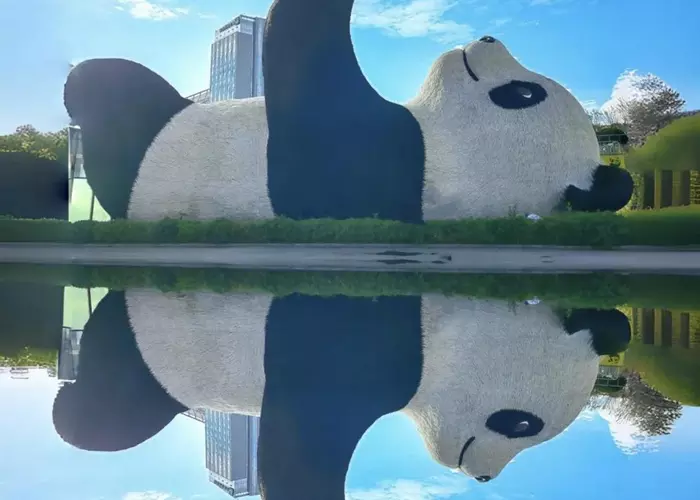
Pour les visiteurs internationaux, assister à une représentation d'opéra du Sichuan est plus qu'une simple soirée de divertissement. C'est une occasion de découvrir les traditions vibrantes du Sichuan et de découvrir un autre visage de Chengdu au-delà de ses célèbres pandas géants et de sa culture décontractée des maisons de thé.
Les origines et les racines culturelles de l'opéra du Sichuan
L'opéra du Sichuan est né des riches traditions populaires du Sichuan, incorporant progressivement des styles musicaux et théâtraux, des dialectes locaux, des coutumes, de la musique et de la danse de différentes régions de Chine. Aujourd'hui, Chengdu est considérée comme un important foyer culturel de l'opéra du Sichuan, où cet art a longtemps été étroitement lié à la culture des maisons de thé et à la vie quotidienne de la ville.
Une longue histoire au Sichuan
Les racines artistiques de l'opéra du Sichuan remontent aux chants et danses populaires de l'ancien Sichuan. Sous les dynasties Ming et Qing, différents styles d'opéra et traditions vocales se sont mélangés à la culture locale, développant progressivement la forme distinctive de l'opéra du Sichuan que nous connaissons aujourd'hui.
L'opéra du Sichuan et Chengdu
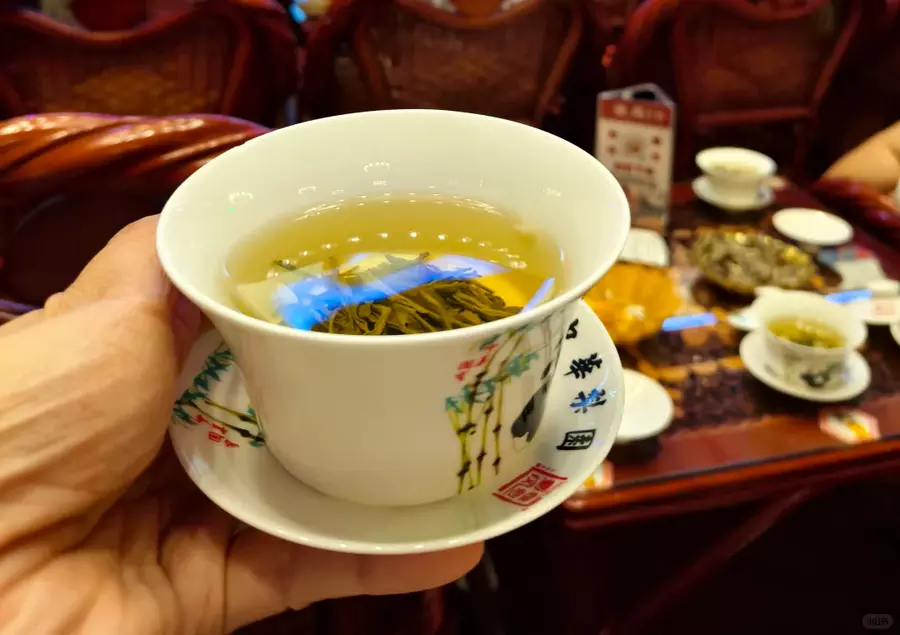
Connue comme la « Maison de l'opéra du Sichuan », Chengdu a longtemps été un lieu où cet art peut être apprécié dans les maisons de thé traditionnelles, les théâtres et les salles de spectacle modernes. Pour les visiteurs, assister à une représentation d'opéra du Sichuan n'est pas seulement une façon d'apprécier le théâtre traditionnel chinois, mais aussi une occasion de découvrir le mode de vie détendu de Chengdu et les traditions culturelles de la région de Bashu.
Qu'est-ce qui rend l'opéra du Sichuan spécial ?
L'opéra du Sichuan se distingue par son style de représentation vivant et ses spectaculaires techniques traditionnelles, notamment le changement de visage, le crachat de feu et les lampes roulantes. Ces performances dynamiques et visuellement frappantes sont faciles à apprécier même pour les visiteurs peu familiers avec l'opéra chinois, faisant de l'opéra du Sichuan une manière passionnante de découvrir la culture de la région.
Le changement de visage : l'art le plus célèbre de l'opéra du Sichuan
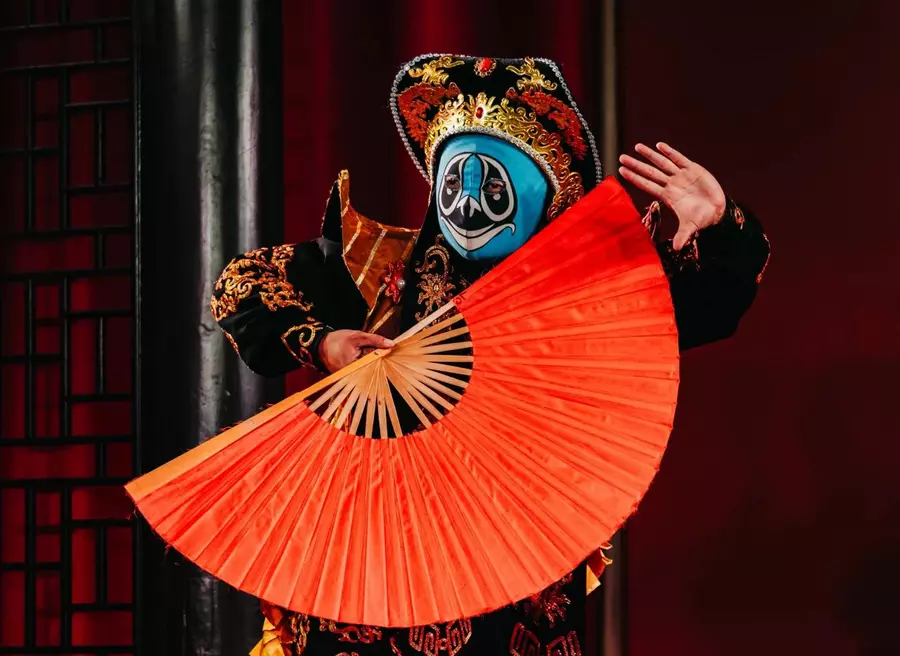
Le changement de visage est la technique de représentation la plus emblématique de l'opéra du Sichuan et la première chose qui vient à l'esprit de nombreux visiteurs internationaux. Pendant une représentation, les acteurs peuvent passer d'un visage coloré à un autre en un instant, en utilisant des techniques si rapides et mystérieuses que le public ne peut souvent pas voir comment la transformation est effectuée.
Mais le changement de visage est plus qu'un simple tour de scène impressionnant. Différents masques et couleurs aident également à dépeindre l'identité, la personnalité et les émotions d'un personnage, rendant ses sentiments intérieurs plus visibles et expressifs pour le public.
Le crachat de feu et autres techniques traditionnelles
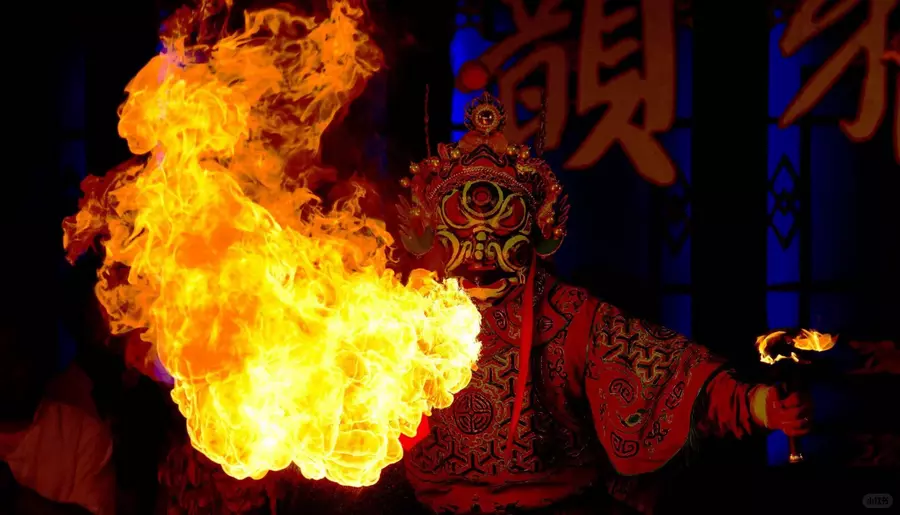
Outre le changement de visage, le crachat de feu est un autre élément très spectaculaire de l'opéra du Sichuan. Il est souvent associé à des personnages surnaturels comme des démons et des monstres, ajoutant du drame et de l'excitation à la représentation. Traditionnellement, il peut aussi symboliser des vœux de protection et de bonne fortune.
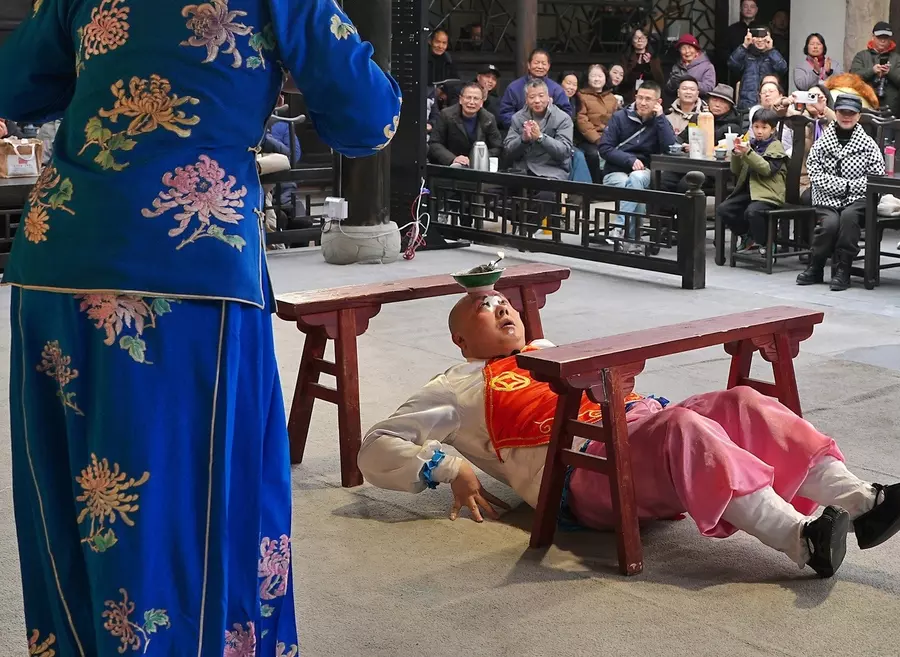
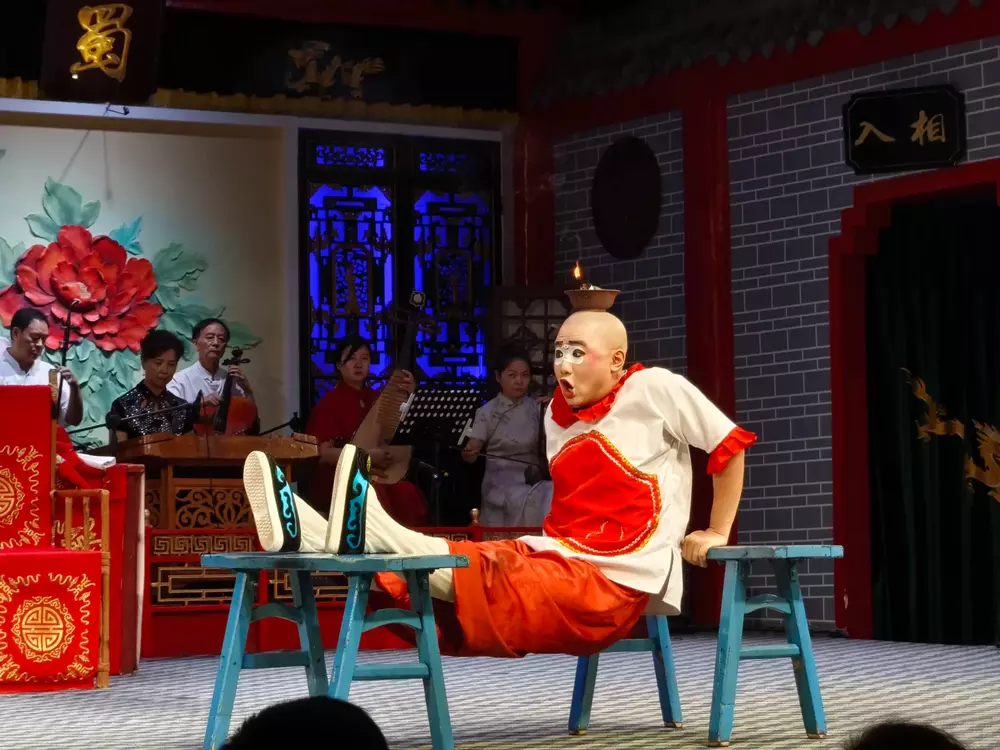
Les lampes roulantes sont une autre compétence traditionnelle remarquable qui allie précision et spectacle. Les artistes équilibrent des lampes à huile allumées sur différentes parties de leur corps, comme leur tête et leurs épaules, tout en effectuant des mouvements difficiles, parfois en gardant les flammes allumées sans renverser l'huile.
L'opéra du Sichuan intègre également les manches fluides, les mouvements de coiffe, l'acrobatie, les arts martiaux et des mouvements expressifs des mains et du corps. Grâce à ces techniques, les artistes donnent vie à l'identité, la personnalité et les émotions des personnages, créant une expérience de scène vivante et énergique.
Costumes et maquillage
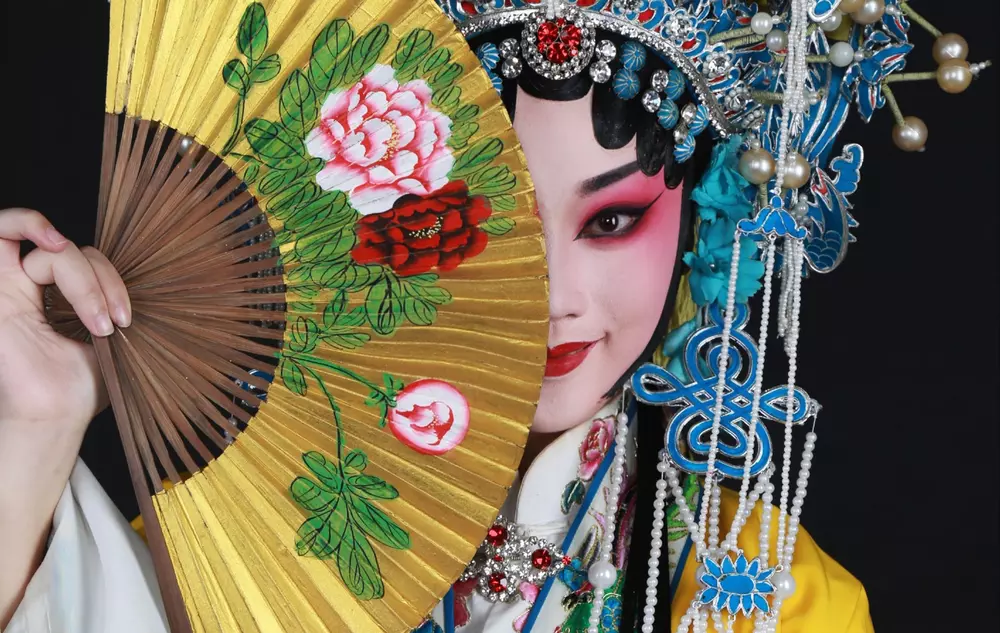
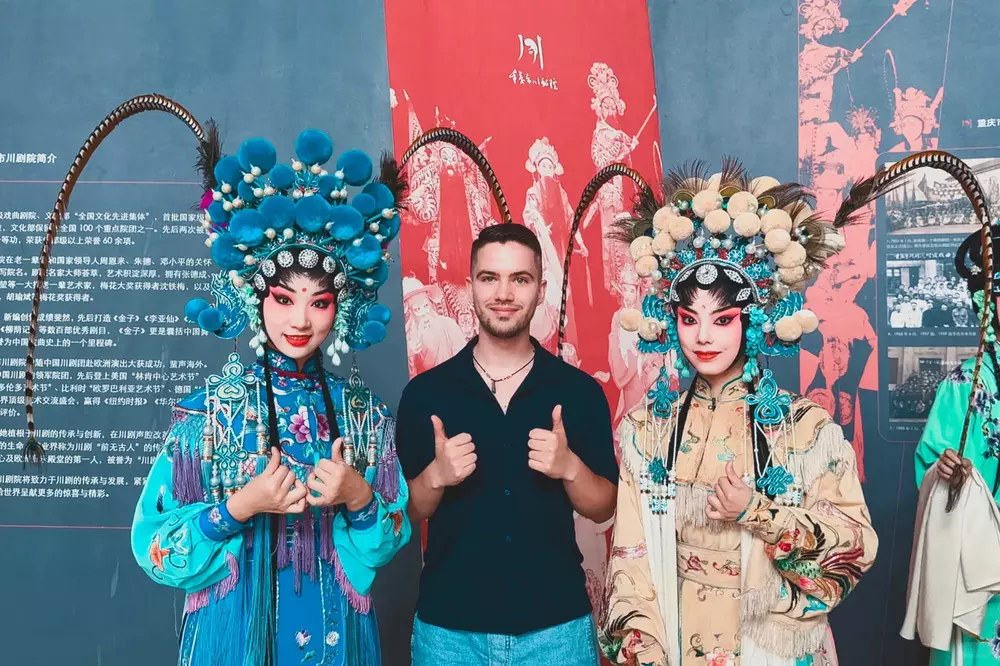
L'attrait visuel de l'opéra du Sichuan va au-delà de ces techniques célèbres. Les artistes portent des costumes élaborés, des robes fluides et des coiffes ornées, souvent décorés de couleurs vives et de motifs complexes qui reflètent leurs personnages et leurs rôles.
Le maquillage est tout aussi distinctif. Des couleurs audacieuses et des motifs soigneusement conçus aident à identifier les différents personnages et à exprimer leur personnalité, rendant chaque artiste visuellement reconnaissable avant même qu'il ne parle ou ne chante.
Quelles histoires l'opéra du Sichuan raconte-t-il ?
L'opéra du Sichuan puise dans une grande variété d'histoires, des légendes historiques et contes populaires aux scènes humoristiques inspirées de la vie quotidienne. Deux exemples montrent particulièrement bien ce contraste :
Mu Guiying prend le commandement — Une histoire de courage
Mu Guiying prend le commandement raconte l'histoire de Mu Guiying, une légendaire guerrière qui prend le commandement d'une armée en temps de crise. Elle met de côté ses préoccupations personnelles, retourne sur le champ de bataille et fait preuve de courage, de détermination et d'un sens aigu du devoir.
Cette histoire est représentée dans de nombreuses formes d'opéra chinois, mais l'opéra du Sichuan apporte son propre chant, ses mouvements, ses costumes et ses techniques de scène distinctifs à cette légende bien connue.
Pi Jin et les lampes roulantes — Un avant-goût de l'humour du Sichuan
En contraste, Pi Jin et les lampes roulantes est une courte pièce humoristique inspirée de la vie quotidienne. Après que Pi Jin rentre chez lui après avoir joué au mahjong, sa femme découvre ce qu'il a fait et l'interroge sévèrement. Pi Jin répond timidement, créant une représentation ludique et exagérée d'une relation conjugale familière dans la culture du Sichuan.
La performance met également en vedette la spectaculaire technique des lampes roulantes, ajoutant une autre couche d'excitation visuelle à cette histoire humoristique. La combinaison de la comédie et des compétences de scène impressionnantes fait de cette pièce un exemple vivant du sens de l'humour et du style théâtral distinctifs du Sichuan.
Où voir l'opéra du Sichuan à Chengdu ?
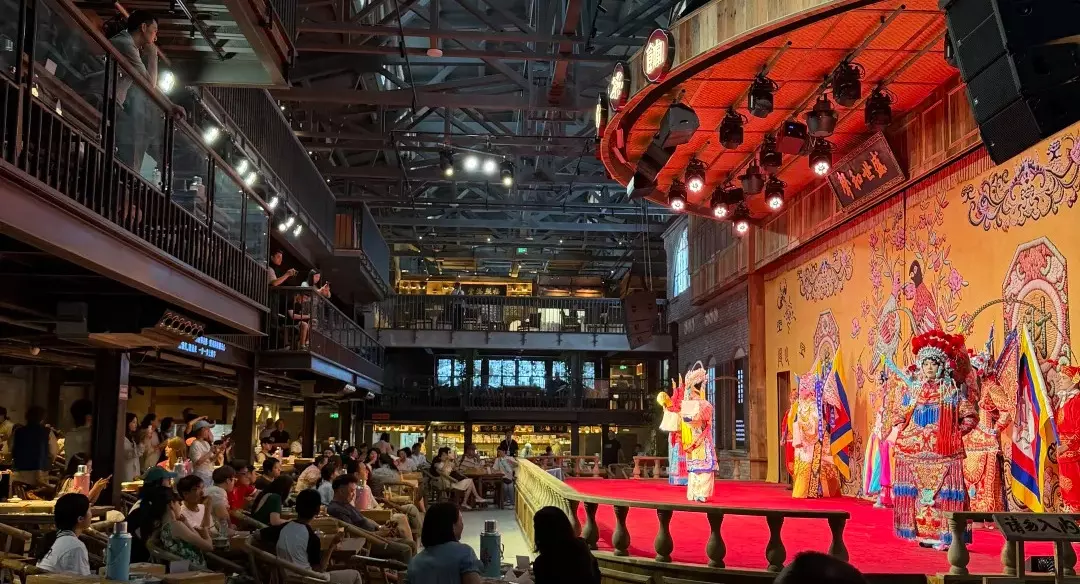
Si vous souhaitez découvrir l'opéra du Sichuan à Chengdu, ces deux salles offrent des expériences légèrement différentes. Shufeng Yayun est un bon choix pour une atmosphère plus traditionnelle, tandis que le théâtre Chunxi est pratique pour les visiteurs qui souhaitent combiner un spectacle d'opéra du Sichuan avec une soirée autour de la rue Chunxi et de Taikoo Li.
Shufeng Yayun
Emplacement : rue Qintai, district de Qingyang, à l'intérieur du parc culturel de Chengdu
Durée : environ 90 minutes
Points forts : cadre traditionnel de maison de thé, changement de visage, crachat de feu, lampes roulantes, ombres chinoises et autres techniques classiques de l'opéra du Sichuan.
Idéal pour : les visiteurs à la recherche d'une atmosphère culturelle sichuanaise plus traditionnelle et ceux qui souhaitent combiner l'opéra avec l'expérience de la culture des maisons de thé de Chengdu.
Théâtre Chunxi
Emplacement : quartier de la rue Chunxi, district de Jinjiang, à proximité du principal quartier commerçant et de divertissement de Chengdu.
Durée : environ 60 minutes pour le spectacle actuel.
Points forts : une performance compacte mettant en vedette les moments forts populaires de l'opéra du Sichuan tels que le changement de visage et le crachat de feu, avec l'avantage d'être au cœur de la ville.
Idéal pour : les visiteurs novices, les familles et les voyageurs avec un itinéraire chargé à Chengdu qui souhaitent voir les techniques les plus célèbres de l'opéra du Sichuan sans passer toute une soirée au théâtre.
Questions fréquentes sur l'opéra du Sichuan
1. Dois-je comprendre le chinois pour apprécier l'opéra du Sichuan ?
Pas nécessairement. Même si vous ne comprenez pas le chinois, vous pouvez toujours apprécier l'opéra du Sichuan à travers sa musique, ses costumes, ses expressions faciales, ses mouvements et ses spectaculaires techniques de scène.
2. Combien de temps dure une représentation d'opéra du Sichuan ?
La durée varie selon la salle et le type de représentation. Les spectacles destinés aux touristes à Chengdu durent généralement entre 60 et 90 minutes, tandis que certaines représentations traditionnelles ou complètes peuvent être considérablement plus longues. Vérifiez l'horaire lors de la réservation, car les heures de spectacle et les programmes peuvent changer.
3. Dois-je réserver mes billets pour l'opéra du Sichuan à l'avance ?
Oui, surtout si vous visitez Chengdu pendant une période de voyage chargée ou si vous souhaitez de meilleurs sièges. Les spectacles populaires comme Shufeng Yayun peuvent se remplir, et réserver à l'avance vous offre un plus grand choix de places.
4. Les représentations d'opéra du Sichuan sont-elles adaptées aux enfants ?
Oui. Les costumes colorés, la musique, le changement de visage, le crachat de feu, les marionnettes et autres performances visuelles peuvent être particulièrement divertissants pour les enfants. Cependant, certaines scènes d'opéra traditionnel peuvent être moins captivantes pour les jeunes enfants qui ne connaissent pas les histoires.
5. Quel théâtre d'opéra du Sichuan dois-je choisir à Chengdu ?
Pour une atmosphère plus traditionnelle combinant l'opéra du Sichuan avec la culture des maisons de thé, Shufeng Yayun est un bon choix. Ses représentations durent généralement environ 90 minutes et présentent le changement de visage, le crachat de feu, les marionnettes et d'autres numéros traditionnels.
Si vous préférez une représentation plus courte dans un emplacement central pratique, le théâtre Chunxi peut être une meilleure option, surtout si vous explorez déjà le quartier de la rue Chunxi.
Comment planifier un voyage à Chengdu avec une expérience d'opéra du Sichuan ?
Chengdu est une ville détendue avec un fort sens de la vie quotidienne, connue non seulement pour ses pandas géants, le temple Wuhou et l'allée Kuanzhai, mais aussi pour ses maisons de thé, son fondue chinois et son opéra du Sichuan.
Lors de la planification de votre voyage à Chengdu, pensez à réserver une soirée pour une représentation d'opéra du Sichuan. Passez la journée à visiter la base de recherche de Chengdu sur l'élevage des pandas géants, le temple Wuhou ou l'allée Kuanzhai, puis faites une pause dans une maison de thé traditionnelle dans l'après-midi. Le soir, assistez à une représentation d'opéra du Sichuan et découvrez l'une des traditions culturelles les plus distinctives de Chengdu. C'est une merveilleuse façon de terminer une journée à Chengdu.
Réponse par email sous 0,5 à 24 heures.